


.png)
Contents
Autism Regenerative Medicine in India - Effective and Affordable ASD Solution
For parents navigating the complexities of Autism Spectrum Disorder (ASD), the search for effective, innovative interventions is a deeply personal and often overwhelming journey. Today, families from across the globe are increasingly turning their sights to India—a destination that has quietly but confidently emerged as a global powerhouse in regenerative medicine. If you are exploring breakthrough treatments to help improve your child’s quality of life, understanding the landscape of Stem Cell Therapy for Autism in India is a crucial first step.
Stem cell therapy for autism targets the underlying physiological issues often associated with ASD, such as neuroinflammation, immune system dysregulation, and reduced oxygenation to certain areas of the brain. By administering Mesenchymal Stem Cells (MSCs), doctors aim to repair damaged neural tissue, reduce inflammation, and stimulate new blood vessel growth in the brain. While it is not a "cure," many parents report significant improvements in their child's eye contact, speech development, social interaction, and reduction in hyperactive behaviors following treatment.
So, why India? The country represents the perfect intersection of advanced biotechnology, highly specialized medical expertise, and profound affordability. Unlike many Western countries where regenerative treatments are either unavailable or prohibitively expensive, India offers access to world-class facilities and pioneering protocols at a fraction of the cost. Indian medical centers do not just administer stem cells; they integrate the procedure with a comprehensive, multidisciplinary rehabilitation plan.
Choosing India means entrusting your child's care to highly skilled pediatric neurologists and regenerative medicine experts who operate within modern, accredited hospitals. The medical culture here is renowned for its warmth, patience, and dedication to international patients, ensuring that your family feels supported, educated, and cared for throughout this transformative medical journey. Let's delve deeper into what makes this destination a beacon of hope for so many.
Did You Know?
India is home to some of the largest, most technologically advanced stem cell laboratories in Asia. The country's top medical centers follow strict guidelines set by the Indian Council of Medical Research (ICMR), ensuring that stem cell processing and administration meet rigorous international safety and ethical standards.
Key Insights at a Glance
Therapy is frequently combined with Speech, Occupational, and Behavioral therapies for maximized developmental progress.
Many top clinics in India report visible improvements in over 70% of their pediatric ASD patients within 3 to 6 months.
Families typically save 50% to 60% compared to equivalent regenerative treatments in the US, Europe, or Central America.
English is the primary language in Indian private healthcare, ensuring flawless communication with doctors and therapists.
Treatments occur in JCI or NABH accredited hospitals featuring cutting-edge clean rooms and pediatric care units.
Clinics utilize highly viable, ethically sourced Mesenchymal Stem Cells (typically autologous bone marrow or umbilical cord tissue).
Ancient Wellness Meets Modern Science
While India is rapidly advancing in futuristic regenerative medicine, many top medical centers integrate traditional wellness practices. It is not uncommon for pediatric rehabilitation packages to include specialized pediatric yoga and diet plans inspired by Ayurveda, designed to naturally calm the nervous system alongside the cutting-edge stem cell therapy!
Navigating medical treatments abroad is significantly easier when you opt for a comprehensive bundle. In the section below, we have curated a selection of top-rated providers in India offering all-inclusive packages specifically designed for pediatric patients with Autism. These bundles are meticulously structured to include the stem cell injections, comprehensive pre-therapy neurological evaluations, hospital stays, and essential complementary therapies like occupational and speech therapy. Browse these options to find a seamless, stress-free pathway for your child's care.
Note: All-inclusive packages ensure there are no hidden fees, allowing you to focus entirely on your child's treatment and rehabilitation experience.

Price starting from $8,700
Stem Cell Therapy for Autism Package in India by Dr. Pravin Patel
Dr. Pravin Patel Innovative Hospital & Research Center
- Stem Cell Therapy
Vadodara, India
Financial planning is a vital component of your medical journey. The table below outlines a transparent breakdown of the average costs associated with stem cell protocols in India, showcasing the remarkable value compared to prices in Western nations. While these figures provide a solid baseline, it is important to remember that final costs will depend on the child's specific medical needs, the number of cell infusions required, and the length of the rehabilitation stay.
Tip: Always request a detailed medical itinerary from the clinic to understand exactly how many therapy sessions and cell infusions are included in the quoted price.
Stem Cell Therapy Centers Cost Comparison in India
| Provider | Procedure | Price |
|---|---|---|
| Dr. Pravin Patel Innovative Hospital & Research Center | Stem Cell Treatment for Autism, Stem Cell Therapy | $10000 |
| StemRx Hospital and Research Centre | Stem Cell Treatment for Autism, Stem Cell Therapy | $9500 |
Stem Cell Therapy Cost Comparison in India
| Country | Procedure | Price |
|---|---|---|
| Switzerland | Stem Cell Treatment for Autism, Stem Cell Therapy | $23000 |
| United States | Stem Cell Treatment for Autism, Stem Cell Therapy | $25000 |
| Canada | Stem Cell Treatment for Autism, Stem Cell Therapy | $15000 |
The success of regenerative medicine hinges on the quality of the laboratory and the medical team. We have carefully selected a list of premier medical centers across India that possess dedicated neuro-regenerative departments. These facilities are internationally accredited, strictly adhere to biomedical safety guidelines, and boast state-of-the-art cGMP (Current Good Manufacturing Practice) laboratories for cell processing. Explore the profiles below to discover the centers pioneering autism care.
Safety First: Prioritize centers that hold domestic (NABH) or international (JCI) accreditations and transparently disclose their cell sourcing protocols.
ReeLabs Stem Cells in Mumbai, India
Mumbai, India
StemRx Hospital and Research Centre
Mumbai,Navi Mumbai, India
Dr. Pravin Patel Innovative Hospital & Research Center
Vadodara, India
GIOSTAR Hospital Bengaluru
Bengaluru, India
Viecell Institute of Regenerative Medicine
Surat, India
Krishna Institute of Medical Sciences (KIMS), Bengaluru
Bengaluru, India
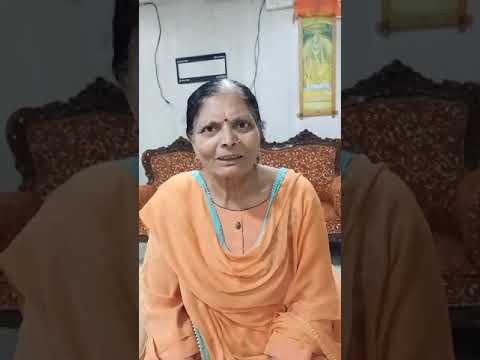
There is nothing more powerful than hearing the journeys of families who have walked this path before you. The video testimonials featured below offer raw, authentic accounts from parents worldwide who traveled to India for their child's ASD treatment. Watch these stories to witness the developmental milestones achieved, learn about their day-to-day experiences in the hospitals, and gain a sense of the compassionate care provided by the Indian medical staff.
Insight: Videos often provide visual confirmation of behavioral improvements and give you a realistic preview of the hospital environment.


Written feedback provides critical insight into the consistency and quality of care over time. In this section, you will find verified reviews and ratings from parents who have completed their treatment protocols in India. Read through their honest feedback detailing clinical hygiene, doctor-patient communication, post-treatment support, and overall satisfaction to help you make an empowered, well-informed decision for your family.
Review Tip: Pay close attention to reviews discussing the support network for international patients and the quality of the complementary therapies provided.

How Much Cost of Stem Cell Transplant in India?
The average stem cell transplant cost in India ranges from $12,000 to $30,000. This highly affordable price includes pre-transplant evaluations, hospital stays, and the procedure, saving international patients up to 70% compared to Western nations. Key Takeaways: Stem Cell Transplant in India Cost Efficiency: Treatment costs are dramatically lower than in North America or Europe. World-Class Quality: Procedures are performed in JCI-accredited facilities by globally trained hematologists. Comprehensive Care: Packages typically include the transplant, isolation room stay, and basic nursing care. High Success Rates: Outcomes for blood cancers and severe immune disorders match global medical standards. No Waiting Lists: International patients benefit from immediate access to life-saving cellular therapies. Global Cost Comparison for Cellular Therapies Country Autologous Transplant Cost Allogeneic Transplant Cost India $12,000 - $18,000 $20,000 - $30,000 United States $150,000 - $300,000 $400,000 - $800,000+ United Kingdom $80,000 - $120,000 $150,000 - $250,000 Germany $60,000 - $90,000 $120,000 - $180,000 What factors influence the stem cell transplant cost in India? The total expense depends heavily on the type of transplant, the patients medical condition, and the length of hospital stay required. Additional specialized tests and the need for donor matching also play a significant role. Type of transplant, specifically Autologous versus Allogeneic, directly changes the price tag. Extensive pre-transplant diagnostic testing and HLA typing increase the overall expense. The severity of the underlying disease determines the dosage and number of chemotherapy sessions needed. Post-operative care requirements, including isolation room stays, add to the final bill. The choice of a premium stem cell transplant clinic in India over standard facilities affects the budget. Prescription medications and immunosuppressants required for recovery create variable ongoing costs. How does the price of an autologous stem cell transplant in India compare to an allogeneic one? An autologous transplant is significantly cheaper, usually ranging from $12,000 to $18,000, because it uses the patients own cells. An allogeneic transplant costs between $20,000 and $30,000 due to the complex donor matching process. Autologous procedures eliminate the need for extensive donor searches and compatibility testing. Since the medical team harvests the cells directly from the patient, the risk of rejection is minimal, which drastically reduces the need for expensive immunosuppressive medications and prolonged isolation. This streamlined process makes it the most affordable pathway for cellular regeneration. Conversely, allogeneic transplants require a perfectly matched donor, which might involve international registries if a family member is not a match. This process involves expensive HLA typing, donor medical evaluations, and specialized cell harvesting techniques that drive up the overall expense. The coordination between the donor team and the patient team is highly intricate and resource-intensive. Furthermore, the aftercare for allogeneic patients is far more demanding. The hospital stay is typically longer, and the monitoring for Graft-Versus-Host Disease requires sophisticated diagnostic tools and high-end pharmaceuticals, making it the more expensive option for those pursuing medical tourism in India. Did You Know? There is a third, less common option known as a syngeneic transplant. This is exclusively for patients who have an identical twin. Because the genetic makeup is identical, the risk of rejection is effectively zero, making the recovery process much smoother than standard allogeneic procedures. What is included in a standard package at a stem cell transplant clinic in India? A comprehensive medical package generally covers pre-operative diagnostics, the cell harvesting process, the actual transplant procedure, and the standard hospital stay. It also includes routine nursing care, doctor consultations, and basic post-operative monitoring. Complete pre-transplant blood work, bone marrow biopsies, and radiological imaging. The sophisticated medical procedure for harvesting and processing the stem cells in certified labs. Chemotherapy or radiation conditioning treatments required immediately before the infusion. Accommodation in a specialized HEPA-filtered isolation room to prevent infections. Standard medications administered during the hospital stay to manage pain and promote engraftment. Dedicated nursing care and daily evaluations by lead hematologists and transplant specialists. Why is medical tourism in India so popular for regenerative therapies? International patients flock to the country because it offers world-class medical expertise at a fraction of Western prices. The availability of highly accredited hospitals and zero wait times makes it an exceptionally attractive destination. The primary driver is the extraordinary cost savings without any compromise on medical quality. Patients can save up to seventy percent on complex cellular therapies compared to the United States or the United Kingdom. This immense financial relief allows patients to access life-saving treatments that might otherwise be completely unaffordable in their home countries. Another major factor is the concentration of highly skilled medical professionals. Many doctors leading the charge at a top stem cell transplant clinic in India have trained extensively at prestigious institutions in Europe and North America. They bring cutting-edge techniques, global research experience, and deep clinical knowledge back to their home country to serve an international clientele. Finally, the infrastructure supporting international patients is incredibly robust. Hospitals have dedicated international patient departments that handle language translation, complex medical visa assistance, and specialized dietary needs. This ecosystem ensures a smooth, stress-free healing journey from the moment the patient arrives at the airport until they receive medical clearance to fly home. Who is an ideal candidate for a stem cell transplant in India? The best candidates are individuals suffering from severe blood disorders, specific types of cancer like leukemia, or debilitating autoimmune diseases. They must have adequate organ function and be relatively free of uncontrolled infections. Patients diagnosed with hematological malignancies such as leukemia, lymphoma, or multiple myeloma. Individuals suffering from severe aplastic anemia or inherited immune deficiency disorders. Those with certain neurodegenerative or autoimmune conditions that have not responded to conventional therapies. Patients who possess strong heart, lung, liver, and kidney function to withstand the rigorous conditioning treatments. Individuals with a fully matched sibling or unrelated donor if an allogeneic procedure is absolutely required. Patients who have a strong psychological support system to navigate the long and physically demanding recovery process. How long is the recovery period for a stem cell transplant in India? The initial hospital recovery phase typically lasts three to six weeks while the new cells engraft and begin producing healthy blood. Full immune system recovery can take anywhere from three months to an entire year depending on the transplant type. The immediate post-transplant period is highly intensive and requires extreme caution. Patients must remain in a sterile hospital environment to protect their highly compromised immune systems from opportunistic infections. During this critical time, doctors closely monitor daily blood counts to ensure the newly introduced stem cells are successfully taking root and multiplying in the bone marrow. Once blood counts reach a clinically safe level, the patient can be formally discharged from the stem cell transplant clinic in India, but they must remain nearby for frequent outpatient visits. This transitional phase requires strict personal hygiene protocols, a specialized neutropenic diet, and vigilant monitoring for any early signs of complications or graft rejection. Long-term recovery happens gradually over many months at home. Patients will slowly regain their previous energy levels and overall physical strength. Autologous transplant patients usually recover their full immune function much faster than allogeneic patients, who must carefully taper off powerful immunosuppressive medications over a significantly longer period under strict medical guidance. Expert Insight The day you receive your new stem cells is universally referred to as Day Zero by oncologists and patients alike. It is celebrated as a second birthday, marking the end of the harsh conditioning phase and the beginning of a brand new, healthy immune system. What are the success rates for a stem cell transplant in India? Success rates generally range from sixty to eighty percent depending heavily on the patients specific disease, age, and overall health. Top facilities boast outcomes that perfectly match international standards for cellular therapies. Survival rates for non-malignant conditions like severe aplastic anemia are exceptionally high across major hospitals. Early-stage leukemia patients experience much better long-term outcomes than those in advanced stages of the disease. The success of the procedure relies heavily on achieving a perfect human leukocyte antigen match for allogeneic types. Younger patients typically demonstrate higher success rates due to greater physiological resilience and organ capacity. Choosing a highly accredited stem cell transplant clinic in India with experienced hematologists drastically improves the overall prognosis. Strict adherence to post-operative care and infection control protocols is absolutely vital for long-term survival and disease eradication. Are there age limits for receiving a stem cell transplant in India? While there is no strict legal age limit, most medical professionals recommend the procedure for patients under the age of seventy. However, biological age and overall organ health are far more important than chronological age alone. In previous decades, transplants were rarely offered to anyone over the age of fifty-five due to the harsh systemic toxicity of the required conditioning regimens. Today, brilliant advancements in reduced-intensity conditioning, often casually called mini-transplants, have significantly expanded the eligible age range, allowing older patients to safely benefit from these life-saving therapies. A thorough pre-operative medical assessment is the ultimate deciding factor for any candidate. The clinical team will comprehensively evaluate the patients heart, lungs, kidneys, and liver to ensure they can physically survive the intense stress of the treatment. If an older patient is exceptionally fit and free from severe comorbidities, they may be enthusiastically approved for the procedure. Pediatric patients also frequently undergo this complex treatment. The modern approach for children involves highly specialized pediatric oncologists and customized medicinal dosing to protect their developing organs, making medical tourism in India a highly viable and compassionate option for international families seeking affordable, world-class pediatric care. Why Choose PlacidWay for your stem cell transplant in India? PlacidWay serves as your trusted medical partner, connecting you with top-tier accredited facilities and highly experienced specialists. We ensure a seamless, transparent, and strictly vetted healthcare journey for international patients. Embarking on a complex medical procedure far from home requires ultimate trust and absolute clarity. By choosing PlacidWay, you gain a dedicated advocate who ensures your entire experience is safe and highly professional. Here are the core reasons patients trust our platform: Complete Financial Transparency: We provide detailed pricing structures so you understand the exact stem cell transplant cost in India upfront, entirely eliminating the fear of hidden medical fees. Strict Facility Vetting: Our platform exclusively partners with internationally accredited medical facilities that persistently adhere to the strictest global safety and hygiene standards. Personalized Clinical Comparisons: We offer dedicated patient support to help you evaluate multiple comprehensive treatment plans and choose the very best clinical option for your specific diagnosis. Direct Medical Communication: Our expert team facilitates direct and clear communication with leading board-certified hematology specialists long before you make any financial commitments. Secure Data Handling: We prioritize your absolute medical privacy and guarantee all your sensitive health records are handled securely and professionally throughout the entire consultation phase. Patient Advocacy: We fiercely advocate for your medical rights, guaranteeing you receive the exact high standard of care promised in your personalized healthcare package. Frequently Asked Questions About Stem Cell Transplant in India Is a stem cell transplant in India painful? The actual infusion of stem cells is completely painless and feels very similar to receiving a standard blood transfusion. However, the bone marrow harvesting process and the pre-transplant conditioning treatments like chemotherapy can cause significant discomfort, nausea, and bone pain, which are heavily managed with advanced pain relief medications. How long do I need to stay in India for a stem cell transplant? International patients should plan to stay for a minimum of two to three months. This extended timeframe covers the initial diagnostic phase, the actual hospitalization period of three to four weeks, and the crucial post-operative outpatient monitoring phase to ensure the cells engraft properly before flying home. Are stem cell clinics in India accredited by international bodies? Yes, the top-tier medical facilities catering to international patients hold prestigious accreditations from organizations such as the Joint Commission International and the National Accreditation Board for Hospitals. These certifications guarantee that the facility adheres to the strictest global protocols for patient safety and clinical excellence. What is the difference between bone marrow and peripheral blood stem cell transplants in India? Bone marrow transplants involve extracting cells directly from the hip bone under general anesthesia. Peripheral blood stem cell transplants are far more common today and involve collecting cells directly from the bloodstream using a specialized apheresis machine, which is a less invasive process with a much faster recovery time for the donor. Can I get a stem cell transplant for autism in India? While there is ongoing clinical research regarding cellular therapies for neurodevelopmental conditions, this treatment for autism is still considered highly experimental. Reputable accredited hospitals primarily focus their transplant programs on scientifically proven hematological applications like leukemia, lymphoma, and severe blood disorders rather than experimental therapies. Does medical insurance cover the stem cell transplant cost in India? Coverage depends entirely on your specific international health insurance policy. Some premium global health plans will cover the procedure if it is deemed medically necessary and performed at an approved facility, but patients usually need to pay upfront and claim reimbursement later, requiring detailed medical documentation. What are the risks of traveling to India for a stem cell transplant? The primary risk involves exposing a highly compromised immune system to new environmental pathogens during travel. To mitigate this, patients are advised to travel only after their doctors clear them, use protective masks, avoid crowded public spaces, and work with specialized medical coordinators to arrange private, sanitized transportation. How do doctors find a bone marrow donor for a stem cell transplant in India? Doctors first test immediate family members, particularly siblings, as they have a twenty-five percent chance of being a perfect match. If a family match is unavailable, the medical team will search extensive national and international bone marrow registries to find an unrelated donor with an identical human leukocyte antigen profile. What are the dietary restrictions after a stem cell transplant in India? Patients must follow a strict neutropenic diet to prevent foodborne illnesses while their immune system rebuilds. This means strictly avoiding all raw or undercooked meats, unpasteurized dairy products, and fresh fruits or vegetables that cannot be peeled, relying instead on heavily cooked and safely prepared meals. Can a stem cell transplant in India cure multiple sclerosis? Autologous hematopoietic stem cell transplantation has shown remarkable promise in halting the progression of highly active, relapsing-remitting multiple sclerosis. While it is not considered a universal cure, specialized clinics offer this intense treatment to effectively reboot the immune system and stop it from attacking the central nervous system. Begin Your Path to Recovery and Healing Today Do not let the overwhelming cost of medical care stand in the way of your health. PlacidWay connects you with globally recognized, fully accredited hospitals offering state-of-the-art cellular therapies. Get a completely free, no-obligation quote and receive a meticulously personalized treatment plan from board-certified hematology specialists. Get Your Free Quote * Medical responses typically provided within 24 hours. Complete privacy and data security guaranteed.
How much does stem cell therapy cost for autism in India?
Autism Spectrum Disorder (ASD) is a complex neurodevelopmental condition that affects communication, social interaction, and behavior. While conventional therapies focus on managing symptoms and improving functional skills, stem cell therapy has emerged as a promising, albeit still investigational, treatment option. India has become a popular destination for medical tourism, offering various treatments at more affordable prices compared to Western countries, and stem cell therapy for autism is no exception. This blog post aims to shed light on the costs involved, what influences them, and essential considerations for families exploring this avenue in India. What is the typical cost range for stem cell therapy for autism in India? "The cost of stem cell therapy for autism in India typically ranges from ?3,30,000 to ?10,00,000 (approximately $4,000 to $12,000 USD) per treatment cycle, though this can vary significantly based on several factors." India has positioned itself as a global hub for medical tourism, largely due to its competitive pricing for various medical procedures, including advanced therapies like stem cell treatment. While the exact figures can fluctuate, families seeking stem cell therapy for autism can generally expect to pay between ?3.3 lakhs and ?10 lakhs for a single course of treatment. This broad range accounts for differences in clinic reputation, the type of stem cells used, the number of injections, and the comprehensive nature of the treatment package. It is important to note that multiple treatment cycles may be recommended, which would naturally increase the overall cost. What factors influence the cost of stem cell therapy for autism in India? "Several factors influence the cost of stem cell therapy for autism in India, including the type and source of stem cells, the number of required injections, the reputation and location of the clinic, and any additional therapies included in the treatment plan." The price tag on stem cell therapy for autism is not uniform, as it's a dynamic figure shaped by various elements. One primary factor is the type and source of stem cells used. For instance, autologous stem cells (derived from the patient's own body, like bone marrow or adipose tissue) may have a different cost structure than allogeneic stem cells (derived from a donor, often umbilical cord tissue). The processing and culturing of these cells also play a significant role. Furthermore, the number of stem cell injections or sessions required for a particular patient will directly impact the total expenditure. A more complex case requiring multiple infusions over an extended period will naturally cost more than a simpler one. The reputation, accreditation, and location of the clinic in India also contribute to price variations. Highly specialized clinics in major metropolitan cities like Mumbai, Delhi, or Bangalore with state-of-the-art facilities and experienced medical professionals may charge more than smaller centers. Lastly, the inclusions in the treatment package, such as pre-treatment diagnostics, post-treatment rehabilitation, follow-up consultations, and supportive therapies (e.g., occupational therapy, speech therapy, ABA therapy), can significantly affect the overall cost. Some clinics offer all-inclusive packages, while others bill for these services separately. Are there different types of stem cells used for autism treatment in India? "Yes, various types of stem cells are explored for autism treatment in India, primarily Mesenchymal Stem Cells (MSCs) derived from sources like umbilical cord tissue, bone marrow, and adipose (fat) tissue." In the context of stem cell therapy for autism, Mesenchymal Stem Cells (MSCs) are the most commonly utilized due to their immunomodulatory, anti-inflammatory, and neurotrophic properties. These cells can be sourced from: Umbilical Cord-derived Mesenchymal Stem Cells (UC-MSCs): These are often preferred due to their youthful nature, high proliferation rate, and lower immunogenicity, meaning they are less likely to cause an immune reaction when used from a donor. Autologous Bone Marrow Stem Cells: These are extracted from the patient's own bone marrow. The advantage here is that there's no risk of rejection, but the procedure for extraction can be invasive. Adipose-derived Stem Cells: These are obtained from the patient's fat tissue, usually through liposuction. Like bone marrow cells, they are autologous, eliminating rejection concerns. The choice of stem cell type can influence the cost due to differing collection, processing, and application methodologies. Each type has its unique benefits and potential applications, which are carefully considered by medical professionals based on the patient's specific condition. What does a typical stem cell therapy package for autism in India include? "A typical stem cell therapy package for autism in India often includes initial consultations, diagnostic tests (like MRI and blood work), the stem cell extraction and infusion procedures, short hospital stays, and sometimes a period of post-treatment follow-up and rehabilitation." When considering stem cell therapy for autism in India, it's crucial to understand what is covered in the quoted price. While packages vary, a comprehensive one generally encompasses several key components: Pre-treatment evaluation: This involves detailed medical history review, neurological examinations, blood tests, imaging (like MRI of the brain), and other specialized diagnostic assessments to determine the patient's suitability for the therapy and to establish a baseline. Stem cell procurement and processing: This includes the cost associated with harvesting the stem cells (if autologous), their processing in a specialized laboratory, and preparation for infusion. Stem cell administration: This covers the actual procedure of administering the stem cells, which can be through intravenous (IV) infusions, intrathecal injections (into the spinal fluid), or a combination, depending on the clinic's protocol. Hospital stay: A short hospital stay for monitoring after the procedure might be included, especially for intrathecal injections. Post-treatment follow-up: Some packages include initial follow-up consultations to assess progress and manage any immediate concerns. Supportive therapies: While not always fully included, some clinics integrate or recommend concurrent therapies like physical therapy, occupational therapy, speech therapy, and behavioral therapy (ABA) to complement the stem cell treatment. It's important to clarify if these are part of the package or an additional expense. How long does the stem cell therapy process take in India? "The stem cell therapy process for autism in India typically involves a stay of 3 to 10 days for the core treatment, though the overall treatment plan, including follow-ups, can extend over several months to a year." The immediate phase of stem cell therapy for autism usually requires a relatively short stay in India. Patients might need to be in the country for approximately 3 to 10 days, depending on the number of infusions and the type of stem cells used. This period allows for initial assessments, the procedure itself, and a brief recovery and monitoring period. However, it's vital to understand that the effects of stem cell therapy are often not immediate and can unfold over several months. Many clinics recommend a series of infusions spaced out over time, and regular follow-up consultations, which might be done remotely or require subsequent visits, are crucial for monitoring progress and adjusting other therapies. Therefore, while the direct medical intervention might be quick, the entire autism treatment journey with stem cells is a longer-term commitment. Is stem cell therapy for autism covered by insurance in India? "Generally, stem cell therapy for autism is not covered by insurance in India, as it is largely considered an experimental or investigational treatment and is not yet a standard medical procedure for autism spectrum disorder." One of the significant financial considerations for families pursuing stem cell therapy for autism in India is the lack of insurance coverage. Most health insurance policies, both domestic and international, do not cover stem cell treatments for conditions like autism. This is primarily because these therapies are often classified as experimental, investigational, or not yet approved by major regulatory bodies as a standard treatment for ASD. Patients and their families should be prepared to bear the entire cost out-of-pocket. It's always advisable to directly contact your insurance provider to confirm their specific policies regarding stem cell therapies. What are the potential benefits of stem cell therapy for autism? "While still under investigation, potential benefits reported from stem cell therapy for autism include improvements in social interaction, communication, reduction in repetitive behaviors, improved attention span, and decreased hyperactivity." The rationale behind using stem cell therapy for autism stems from the hypothesis that autism may involve immune dysregulation, chronic inflammation, and neurodevelopmental abnormalities. Mesenchymal Stem Cells (MSCs), the most commonly used type, are believed to exert their therapeutic effects through: Immunomodulation: Regulating the immune system to reduce inflammation in the brain. Neuroprotection: Protecting existing brain cells and potentially promoting the growth of new ones. Angiogenesis: Promoting the formation of new blood vessels, which can improve blood flow and nutrient supply to brain tissue. Patients and their families have anecdotally reported various improvements following stem cell treatment, including enhanced eye contact, better social engagement, improved speech and language skills, reduced aggression and tantrums, and increased focus. However, it's crucial to emphasize that these are often individual observations, and more robust, large-scale clinical trials are needed to conclusively establish the efficacy and safety of stem cell therapy for autism. What are the potential risks and side effects of stem cell therapy for autism? "Potential risks and side effects of stem cell therapy for autism can include fever, infection at the injection site, allergic reactions, headache, and in rare cases, more serious complications like tumor formation, although clinics in India aim to minimize these risks through stringent protocols." Like any medical procedure, stem cell therapy for autism carries potential risks and side effects, though serious complications are considered rare. Common, mild side effects might include: Fever and chills: These are often temporary and resolve within a day or two. Headache: Especially after intrathecal injections. Pain or bruising at the injection site: Similar to any injection. Allergic reactions: While rare, these can occur, especially with allogeneic cells. More significant, albeit less common, risks that have been theoretically discussed or rarely observed in various stem cell applications include: Infection: As with any invasive procedure. Tumor formation: A theoretical risk, particularly with certain types of pluripotent stem cells, though less of a concern with MSCs. Immune rejection: More relevant for allogeneic transplants if proper matching or immunosuppression isn't considered, though MSCs have low immunogenicity. Reputable clinics in India adhere to strict protocols for cell processing and administration to minimize these risks. It's essential for families to have an open discussion with the medical team about all potential risks and side effects before proceeding with the treatment. How do clinics in India ensure the safety of stem cell therapy for autism? "Reputable clinics in India ensure the safety of stem cell therapy for autism by adhering to strict ethical guidelines, employing highly trained medical professionals, utilizing state-of-the-art sterile laboratories for cell processing, and conducting thorough patient screening." Ensuring patient safety is paramount for any medical treatment, and stem cell therapy for autism in India is no exception. Leading clinics committed to ethical practices typically implement several measures: Strict Patient Selection: Patients undergo rigorous evaluation to determine their suitability for the therapy, identifying any contraindications that might increase risks. Accredited Facilities: Clinics often operate in hospitals or facilities that meet international standards for quality and patient care. Sterile Cell Processing: Stem cells are processed in Good Manufacturing Practice (GMP) compliant laboratories to ensure purity, viability, and sterility, minimizing the risk of contamination. Experienced Medical Teams: Procedures are performed by qualified doctors, neurosurgeons, and medical staff with expertise in stem cell applications and autism spectrum disorder. Post-Procedure Monitoring: Patients are closely monitored after the infusion for any adverse reactions, and emergency protocols are in place. While the regulatory landscape for stem cell therapies can vary, reputable clinics prioritize patient well-being and transparency. It is always advised to research and choose clinics with a strong track record and proper certifications. What is the success rate of stem cell therapy for autism in India? "The success rate of stem cell therapy for autism is still debated, and while anecdotal evidence from clinics in India and some studies suggest positive outcomes for certain individuals, it's important to understand that there is no universal "cure" for autism, and responses vary greatly." It's crucial to approach the concept of "success rate" in stem cell therapy for autism with caution. Unlike treatments for certain diseases where success can be measured by eradication or complete remission, autism is a complex developmental condition with a wide spectrum of symptoms and severities. There is no universally recognized cure for autism, and stem cell therapy is viewed as a potential way to mitigate some of its core symptoms or improve quality of life. While some clinics in India and research studies have reported improvements in areas such as social interaction, communication, and reduction in repetitive behaviors in a percentage of patients, these results are not guaranteed for every individual. The degree of improvement can vary significantly from subtle changes to more noticeable progress. It's essential for families to have realistic expectations and to understand that "success" is often measured by functional improvements rather than a complete reversal of the condition. Many medical professionals advocate for stem cell therapy to be considered as part of a comprehensive autism treatment plan that includes conventional therapies like ABA, speech, and occupational therapy. How to choose a reputable clinic for stem cell therapy for autism in India? "Choosing a reputable clinic for stem cell therapy for autism in India involves thoroughly researching their accreditations, checking the qualifications and experience of their medical staff, reviewing patient testimonials, and understanding their treatment protocols and transparency." Selecting the right clinic for stem cell therapy for autism in India requires diligent research and careful consideration. Here are key steps to help make an informed decision: Accreditation and Licensing: Verify if the clinic is accredited by national or international healthcare organizations. This indicates adherence to certain quality and safety standards. Medical Team's Expertise: Research the qualifications, experience, and specialization of the doctors and medical professionals involved in the stem cell treatment. Look for those with specific experience in neurology and autism spectrum disorders. Transparency in Protocols: A reputable clinic will be transparent about its stem cell therapy protocols, including the type of cells used, their source, processing methods, and administration routes. They should be able to explain the scientific basis for their approach. Patient Testimonials and Reviews: While anecdotal, reviewing testimonials and seeking feedback from previous patients can provide insights into their experiences with the clinic and the outcomes. However, remember that individual results vary. Ethical Considerations: Ensure the clinic adheres to ethical guidelines for stem cell research and therapy. Be wary of clinics that promise a "cure" or guarantee unrealistic results. Comprehensive Care Approach: Look for clinics that emphasize a holistic approach to autism treatment, integrating stem cell therapy with other conventional and evidence-based therapies. Communication and Support: Assess the clinic's responsiveness and willingness to answer all your questions thoroughly, providing clear and concise information. By meticulously evaluating these aspects, families can increase their chances of choosing a clinic that prioritizes patient safety and delivers high-quality care for autism treatment. What is the long-term prognosis after stem cell therapy for autism? "The long-term prognosis after stem cell therapy for autism is still being studied, and while initial improvements may be observed, ongoing research is needed to determine the sustained benefits and durability of these effects over many years." Because stem cell therapy for autism is still an evolving field, comprehensive long-term data on prognosis is limited. Many studies and anecdotal reports focus on short-to-medium term outcomes (e.g., 6 months to 2 years post-treatment). While some individuals show sustained improvements in various aspects of autism symptoms, the extent and duration of these benefits can vary significantly. Factors influencing the long-term outcome include the severity of the autism spectrum disorder, the patient's age, the specific stem cell protocol used, and continued engagement with supportive therapies like behavioral intervention, speech therapy, and occupational therapy. Researchers are actively conducting longer-term follow-up studies to better understand the lasting impact of stem cell treatment and to identify predictors of positive outcomes. Families should consider stem cell therapy as a potential component of a lifelong management plan for autism, rather than a standalone, definitive cure. Are there any age restrictions for stem cell therapy for autism in India? "While there are no strict universal age restrictions for stem cell therapy for autism in India, many clinics prefer to treat children, as younger brains may be more responsive to regenerative therapies; however, adult cases are also considered on an individual basis." The applicability of stem cell therapy for autism across different age groups is a common question. While there isn't a universally mandated age limit, many clinics in India and around the world tend to focus on treating younger children with autism. The rationale is often based on the principle of neuroplasticity, suggesting that younger, developing brains may be more amenable to the potential regenerative and modulatory effects of stem cells. The brain's ability to form new neural connections and adapt is generally higher in early childhood. However, this does not mean that adults with autism are excluded. Some clinics do offer stem cell treatment to older adolescents and adults, recognizing that even mature brains can exhibit some degree of plasticity. The decision to treat a patient, regardless of age, is typically made after a thorough individual assessment, considering the severity of the autism spectrum disorder, overall health, and specific symptoms that might be targeted by the therapy. What is the typical duration of hospital stay for stem cell therapy for autism in India? "The typical duration of hospital stay for stem cell therapy for autism in India is usually 1 to 3 days, often involving an outpatient procedure or a minimal overnight stay for monitoring, depending on the method of stem cell administration." The direct hospital stay associated with stem cell therapy for autism in India is generally brief. For procedures involving intravenous (IV) infusions, patients might not require any overnight hospital stay and can be treated on an outpatient basis. However, if the stem cells are administered intrathecally (into the spinal fluid) or through other more invasive methods, a short hospital admission of 1 to 3 days might be recommended for post-procedure observation and to manage any immediate side effects like headache. The total time spent in India for the entire treatment cycle, including initial evaluations and follow-ups, will naturally be longer, but the in-hospital component of the stem cell infusion itself is typically minimal. Explore PlacidWay for solutions related to medical tourism, healthcare services, or other relevant offerings.
Is Stem Cell Therapy effective for Autism in India?
Is stem cell therapy a viable treatment for autism in India? This is a question many families are asking as they search for effective interventions. The short answer is that stem cell therapy for autism in India is currently considered an experimental treatment and is not yet a proven or government-approved therapy. While some clinics offer it and anecdotal reports suggest potential improvements, the scientific evidence supporting its effectiveness is still limited. This blog post will delve into the key questions surrounding stem cell therapy for autism in India, providing a comprehensive overview to help you make an informed decision. Stem cell therapy for autism is a topic of growing interest, but it's crucial to approach it with a clear understanding of the current medical and regulatory landscape in India. We'll explore how the therapy is thought to work, what the procedure entails, the associated costs and risks, and what the official guidelines say. Our goal is to provide you with a balanced and realistic perspective on this developing area of medical science. What is Stem Cell Therapy and How Might it Help Autism? "Stem cell therapy for autism is a medical procedure that introduces new stem cells into a patient's body with the goal of repairing or replacing damaged cells. In the context of autism, the theory is that these new cells may help to reduce inflammation, modulate the immune system, and improve neural connectivity in the brain." Stem cells are the body's raw materials — cells from which all other cells with specialized functions are generated. In stem cell therapy, these cells are administered to a patient, often intravenously. The primary types of stem cells used in research for autism are mesenchymal stem cells (MSCs), which can be sourced from bone marrow, adipose (fat) tissue, or umbilical cord tissue. The thinking behind using stem cell therapy for autism is based on the idea that autism may involve immune system dysregulation and neuro-inflammation. Proponents of the therapy suggest that stem cells, with their anti-inflammatory and regenerative properties, could potentially address these underlying issues. It's hypothesized that they may help to repair damaged brain tissue and improve the function of neural networks, which could lead to improvements in some of the core characteristics of autism. Is Stem Cell Therapy for Autism Approved in India? "No, stem cell therapy for autism is not officially approved by the primary regulatory bodies in India, such as the Indian Council of Medical Research (ICMR). It is considered an experimental therapy and is not part of the standard of care for autism in the country." The National Guidelines for Stem Cell Research (NGSCR) in India are very clear on this matter. These guidelines, most recently updated, state that any use of stem cells for therapeutic purposes must be conducted within the framework of a clinical trial and requires approval from the Central Drugs Standard Control Organization (CDSCO). This means that clinics offering stem cell therapy for autism are doing so on an experimental basis. While some of these clinics may have their own internal ethics committees, the treatment itself has not been validated through large-scale, controlled clinical trials in India. Therefore, it's crucial for families to be aware of its experimental status when considering this option. What is the Reported Success Rate of Stem Cell Therapy for Autism in India? "The success rate of stem cell therapy for autism in India is not definitively established due to the lack of large, long-term, and peer-reviewed clinical studies. While some clinics and patient testimonials report improvements in areas like communication, social interaction, and behavior, these claims are not yet substantiated by robust scientific evidence." It's important to approach claims of high success rates with caution. The reported outcomes can vary significantly from one individual to another. Some studies and anecdotal reports have suggested potential benefits, including: Improved eye contact and social engagement Enhanced speech and communication skills Reduced hyperactivity and repetitive behaviors Better emotional regulation and fewer meltdowns However, these improvements are not universal, and the extent of any change can be influenced by factors such as the child's age, the severity of their autism, and the type and quality of the stem cells used. Without controlled studies, it is difficult to determine if these improvements are a direct result of the stem cell therapy or other coincidental factors and therapies. What is the Cost of Stem Cell Therapy for Autism in India? "The cost of stem cell therapy for autism in India can range from ?3,00,000 to ?8,00,000 or more, depending on the clinic, the number of sessions required, and the specific protocol being followed." This cost typically includes the harvesting of the stem cells (if autologous), their processing and administration, and any associated medical consultations. It's important to note that since this is an experimental therapy, it is not usually covered by health insurance in India. Families considering this treatment will likely have to bear the full cost out-of-pocket. When evaluating the cost, it's essential to get a detailed breakdown of what is included in the treatment package. Be wary of clinics that make grand promises without providing clear and transparent pricing. What Does the Stem Cell Therapy Procedure for Autism Involve? "The procedure for stem cell therapy for autism typically involves the collection of stem cells, either from the patient (autologous) or a donor (allogeneic), followed by their administration back into the patient, usually through an intravenous (IV) infusion." The process can be broken down into the following steps: Consultation and Evaluation: A thorough medical evaluation of the individual with autism is conducted to determine if they are a suitable candidate for the therapy. This may involve blood tests, and a review of their medical history. Stem Cell Collection: If autologous stem cells are used, they are typically harvested from the patient's own bone marrow or adipose tissue. This is a minor surgical procedure that may require local or general anesthesia. If umbilical cord-derived stem cells are used, they are sourced from a screened and approved donor. Stem Cell Processing: The collected stem cells are processed and concentrated in a laboratory to ensure their purity and viability. Administration: The prepared stem cells are then administered to the patient. The most common method is through a simple intravenous infusion, similar to a regular IV drip. The procedure itself is usually painless and takes a few hours. Follow-up: After the therapy, the patient is monitored for any immediate side effects, and follow-up appointments are scheduled to track their progress over the following months. What are the Risks and Potential Side Effects of Stem Cell Therapy for Autism? "The risks associated with stem cell therapy for autism include infection, allergic reactions, and the potential for the administered cells to behave in unexpected ways. Since it is an experimental treatment, the long-term side effects are not yet fully understood." While many clinics in India that offer this therapy claim it is safe, it's crucial to be aware of the potential risks, which can include: Infection: As with any procedure that involves injections or a minor surgical procedure for cell harvesting, there is a risk of infection. Allergic Reactions: The body may have an allergic reaction to the substances used in the infusion. Immune Reactions: If donor cells are used, there is a risk of the patient's immune system rejecting the foreign cells. Tumor Formation: While rare, there is a theoretical risk that stem cells could form tumors. Lack of Efficacy: There is a significant possibility that the treatment may not result in any noticeable improvements. Given that the long-term effects are still being studied, it is vital to have a detailed discussion with the medical team about all potential risks before proceeding. Are There Reputable Clinics for Stem Cell Therapy for Autism in India? "While there are several clinics in major Indian cities that offer stem cell therapy for autism, it is critical to exercise extreme caution and conduct thorough research before choosing a provider. Look for clinics that are transparent about the experimental nature of the treatment, have qualified medical professionals, and adhere to ethical guidelines." When researching clinics, consider the following: Credentials of the Medical Team: Ensure the doctors and scientists involved have the necessary qualifications and experience in stem cell research and regenerative medicine. Transparency: The clinic should be open about the fact that this is an experimental therapy and should not make unrealistic promises of a "cure." Patient Reviews and Testimonials: While not a substitute for scientific evidence, reviews from other families can provide some insight into their experiences with the clinic. Adherence to Guidelines: Inquire about the clinic's adherence to the National Guidelines for Stem Cell Research. What are the Alternatives to Stem Cell Therapy for Autism in India? "There are several evidence-based and widely accepted treatments for autism in India that can significantly improve an individual's quality of life. These include Applied Behavior Analysis (ABA) therapy, speech therapy, occupational therapy, and special education programs." These established therapies have a strong evidence base and are considered the standard of care for autism. Applied Behavior Analysis (ABA): A structured therapy that focuses on improving specific behaviors, such as social skills, communication, and academics. Speech Therapy: Helps individuals with autism to improve their verbal and non-verbal communication skills. Occupational Therapy: Focuses on helping individuals with autism develop the skills needed for daily living. Special Education: Tailored educational programs designed to meet the unique learning needs of children with autism. These therapies are often used in combination to create a comprehensive and individualized treatment plan. Ready to explore your healthcare options? PlacidWay can help you connect with a global network of accredited hospitals and clinics. Discover personalized and affordable medical solutions for your needs. Explore PlacidWay Today! ?
What Results Can Autism Stem Cell Therapy Achieve in India?
Stem cell therapy for autism in India has shown encouraging results in improving eye contact, speech patterns, and social interaction while reducing hyperactivity and aggressive behavior in approximately 70-85% of treated cases. For parents of children with Autism Spectrum Disorder (ASD), the journey is often filled with endless therapies, dietary changes, and a relentless search for anything that might help their child connect with the world. While traditional therapies like ABA and speech therapy are foundational, many families are looking for medical interventions that address the biological roots of the condition. This search has led many to India, a country that has become a global hub for affordable and advanced regenerative medicine. India offers a unique proposition: access to experienced doctors who are willing to use cutting-edge stem cell protocols that are often unavailable or prohibitively expensive in the West. But the big question remains: Does it work? In this guide, we will explore the tangible results parents are seeing, the costs involved, and introduce you to pioneers like Dr. Pravin Patel, whose holistic treatment packages are drawing attention worldwide. What tangible improvements can be expected? “Parents most commonly report improvements in 'core' symptoms: extended attention span, meaningful eye contact, reduction in repetitive stimming, and the emergence of first words or more complex sentences.” While stem cell therapy is not a "cure" for autism, the goal is to improve the quality of life by mitigating symptoms. In India, clinics tracking long-term outcomes report that the most significant changes happen in social awareness and behavior. Physiologically, many children with autism suffer from gut inflammation and immune dysregulation. Stem cells (specifically Mesenchymal Stem Cells) are potent anti-inflammatories. As this systemic inflammation calms down, parents often notice their child is less agitated, sleeps better, and has fewer digestive issues. This "calming of the storm" creates a better environment for the brain to learn and develop. Commonly reported milestones post-treatment include: Social: Initiating play with peers, responding to their name, and sustained eye contact. Cognitive: Better focus in school, faster processing of commands, and reduced hyperactivity. Speech: improved clarity, larger vocabulary, and the ability to express needs verbally rather than physically. Who is Dr. Pravin Patel? “Dr. Pravin Patel is a distinguished regenerative medicine specialist based in Gujarat, known for his unique 'multidisciplinary' protocol that combines stem cells with quantum and ozone therapies.” When discussing autism treatment in India, Dr. Pravin Patel stands out for his innovative approach. He runs Dr. Pravin Patel's Innovative Hospital & Research Center, located in Surat/Vadodara. Unlike clinics that simply administer cells, Dr. Patel believes in a "whole body" overhaul. His philosophy is that for stem cells to work effectively, the body's environment must be primed. Therefore, his treatment protocols often include detoxification, nutritional support, and advanced complementary therapies. He is particularly noted for his compassionate care and detailed counseling for anxious parents, helping them understand the science behind the treatment. His signature offering, the Stem Cell Therapy for Autism in India by Dr. Pravin Patel package, is a comprehensive medical tourism product designed to handle everything from the medical procedure to the specific rehabilitation needs of the child. What is included in Dr. Pravin Patel’s Autism Package? “The package typically includes autologous stem cell injections (bone marrow/fat), extensive neuro-rehabilitation, Ozone Therapy to boost oxygenation, and Quantum Therapy to aid cellular repair.” The holistic package offered by Dr. Patel is distinct because it attacks the disorder from multiple angles. The core is the administration of stem cells (often autologous, meaning from the child's own bone marrow) to repair neural connections and reduce brain inflammation. However, the "secret sauce" of his clinic is the integration of supportive therapies: Ozone Therapy: Increases oxygen delivery to the brain and kills gut pathogens. Quantum/Energy Medicine: Aimed at balancing the body's electromagnetic field to reduce stress and anxiety. Neuro-Rehabilitation: Intense speech and occupational therapy sessions during the stay to maximize the brain's plasticity while the stem cells are active. How much does autism stem cell therapy cost in India? “Comprehensive autism stem cell packages in India generally range from $5,000 to $12,000 USD, which is 60-70% less than comparable treatments in the US or Mexico.” Cost is often the deciding factor for families who have already spent a fortune on therapies. India offers world-class medical care at a fraction of the global price. A standard protocol in the US (often only available via clinical trials or "off-label" expensive clinics) can cost upwards of $25,000. In Mexico or Panama, prices often hover around $15,000 - $20,000. In contrast, Dr. Pravin Patel’s comprehensive package, including the hospital stay and rehabilitation, typically falls between $6,000 and $10,000 depending on the number of sessions and additional therapies required. Is it safe and legal? “Stem cell therapy for autism is considered 'experimental' in India; while not a standard-of-care, it is legally available under medical supervision, with courts often upholding a patient's right to access it.” The regulatory landscape in India is complex. The National Medical Commission (NMC) has issued guidelines stating that stem cell therapy for autism is not yet the "standard of care" due to a lack of large-scale Phase III trials. However, it is not banned. It falls under the category of investigational or experimental therapy. Clinics operating legitimately, like Dr. Patel’s, adhere to strict ethical guidelines and use autologous cells (from the patient's own body) or safe allogeneic sources (umbilical cord) to ensure safety. Recent court rulings in India have even supported the continuation of these treatments for children showing improvement, citing the potential harm of stopping a working therapy. As with any medical procedure, safety is paramount. The procedure is minimally invasive, and side effects are typically minor, limited to temporary fever or soreness at the injection site. When will we see results? “Results are rarely immediate; most parents observe small changes in sleep and behavior within 3-4 weeks, with significant cognitive and speech gains manifesting between 3 to 6 months post-treatment.” Managing expectations is crucial. Stem cell therapy is a marathon, not a sprint. The cells need time to migrate to the brain, reduce inflammation, and help build new neural pathways. The "window of opportunity" for maximum improvement is usually considered to be the 6 months following treatment. This is why Dr. Patel and other experts heavily emphasize continuing intense speech and behavioral therapy during this period. The stem cells "open the door" for learning, but therapy "walks the child through it." Is your child ready for a breakthrough? If you feel you have hit a plateau with conventional therapies, the regenerative potential of stem cells in India offers a new avenue of hope. With experienced guides like Dr. Pravin Patel, you are not just getting a treatment; you are getting a comprehensive partner in your child's development. Discover comprehensive autism therapy packages in India on PlacidWay Medical Tourism and give your child the chance to shine! Get a Free Quote for Autism Stem Cell Therapy in India
The safety and efficacy of stem cell interventions require the expertise of specialized medical professionals. We have compiled a list of India’s top-tier specialists, including pediatric neurologists, regenerative medicine experts, and cellular biologists. These profiles highlight their specific medical backgrounds, years of experience in managing neurodevelopmental disorders, and success metrics. Reviewing these experts will help you identify a medical team that aligns perfectly with your child's specific neurological needs.
Board-Certified Neurologists
Specialized in Pediatric Neuro-Regeneration
Treatments are overseen by elite pediatric neurologists who possess decades of experience dealing specifically with Autism Spectrum Disorder, ensuring that stem cell protocols are safely integrated into standard neurological care.
Regenerative Medicine Scientists
Advanced Cellular Biology Experts
Behind every successful clinical outcome is a team of brilliant cell biologists ensuring that the stem cells are cultured, expanded, and harvested at their maximum viability, strictly adhering to global cGMP standards.
Multidisciplinary Rehab Teams
Occupational, Behavioral, and Speech Therapists
The medical strategy is supported by highly trained therapists who work with your child post-treatment, transforming biological healing into tangible, real-world skills and behavioral improvements.
Dr. Pravin Patel
Dr. Pravin Patel Innovative Hospital & Research Center | Stem Cell Center
- Sports medicine specialist
Vadodara, India

Dr. Sunitta Patel
Dr. Pravin Patel Innovative Hospital & Research Center | Stem Cell Center
- Sports medicine specialist
Vadodara, India

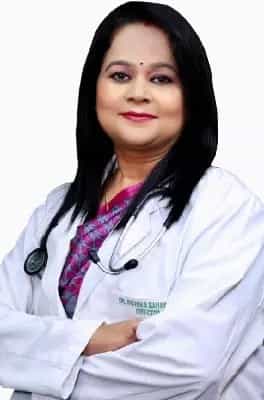
Dr. Richika Sahay Shukla
INDIA IVF - Best IVF Center in New Delhi
- Obstetrician/Gynecologist (OB/GYN)
New Delhi, India
World-Class Regulatory and Medical Infrastructure
India has positioned itself at the forefront of regenerative medicine by pairing innovation with stringent regulatory frameworks. The country boasts over 38 Joint Commission International (JCI) accredited hospitals, ensuring facilities meet the highest global standards for patient safety and clinical care.
Furthermore, the Indian Council of Medical Research (ICMR) has established explicit national guidelines for stem cell research and therapy. This regulatory oversight ensures that facilities providing treatments for autism utilize ethical sourcing, cleanroom processing, and evidence-based protocols, giving international parents immense peace of mind.
Unmatched Multidisciplinary Expertise
What truly sets India apart is its holistic approach to neurodevelopmental disorders. Medical centers do not treat stem cell therapy as a standalone miracle cure; they recognize it as a powerful catalyst that must be paired with active rehabilitation.
Top clinics in cities like Mumbai, Delhi, and Bangalore offer integrated programs where cellular therapy is seamlessly combined with Hyperbaric Oxygen Therapy (HBOT), sensory integration, occupational therapy, and specialized nutrition counseling. This comprehensive approach maximizes the child's neuroplasticity and overall developmental outcomes.
Exceptional Patient Support Infrastructure
India has cultivated an incredibly robust medical tourism ecosystem designed to remove the stress of international travel for medical reasons. Families are met with profound cultural warmth and an inherently compassionate approach to healthcare.
Hospitals are equipped with dedicated international patient lounges, specialized medical visa assistance departments, and dedicated care coordinators who guide families through every step of the process. Because English is widely spoken across the Indian medical sector, communication barriers are practically non-existent, ensuring parents are fully involved and informed regarding their child's treatment.
Researching regenerative therapies for your child can be deeply overwhelming, but PlacidWay serves as your trusted partner to simplify the clinical process. We do not just list medical centers; we bridge the gap between you and highly specialized medical care, ensuring a transparent, secure, and fully informed healthcare experience.
Rigorous Clinic Vetting
We pre-screen regenerative centers to ensure they meet the highest standards of international accreditation, lab safety, and ethical stem cell sourcing guidelines.
Medical Records Transfer
We facilitate the secure collection and transfer of your child’s diagnostic reports and medical history to top specialists for thorough preliminary evaluations.
Virtual Pre-Consultations
We arrange initial video appointments, allowing you to speak directly with pediatric neurologists to discuss expectations and ask specific clinical questions before committing.
Transparent Cost Estimation
We procure customized, no-obligation medical quotes directly from multiple clinics, allowing you to clearly compare treatment costs with zero hidden fees.
Medical Package Coordination
We help you navigate complex medical bundles, ensuring you find packages that seamlessly integrate cell therapy with essential behavioral and speech therapies.
Patient Advocacy
Our dedicated care team advocates for your family's specific medical needs, guiding you through the inquiry process with warmth and professionalism.
Take an empowered step toward exploring advanced therapies for your child. Contact PlacidWay today to request a free, personalized quote and consult with world-class specialists in India.
Get Your Free Personalized Quote.png)
.png)

.png)








Share this listing