


The Comprehensive Guide to Mesenchymal Stem Cell Therapy for Joint Arthritis in Bengaluru, India
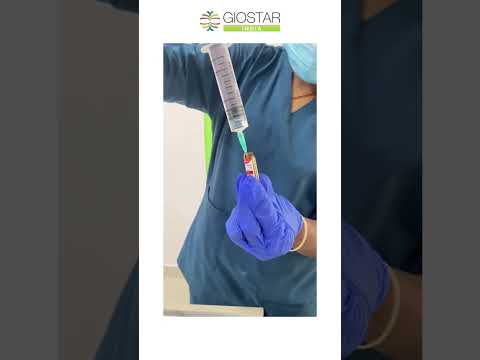
Living with chronic joint pain can severely diminish your quality of life, but advanced Mesenchymal Stem Cell Therapy for joint arthritis in Bengaluru, India, offers a groundbreaking non-surgical alternative. For years, patients suffering from severe osteoarthritis or rheumatoid arthritis believed that invasive joint replacement surgery was their only long-term option. Today, regenerative medicine has fundamentally shifted the treatment landscape. Watch the video to explore how targeted stem cell injections utilizing Wharton’s jelly are helping patients naturally regenerate cartilage, dramatically reduce inflammation, and restore pain-free joint mobility in one of the world's leading medical tourism destinations.
Video Chapters & Quick Navigation
Understanding Joint Arthritis and the Need for Advanced Treatments
Joint arthritis is a progressively debilitating condition that affects millions of people globally, stripping away their mobility and daily comfort. The most common form, osteoarthritis, occurs when the protective cartilage that cushions the ends of the bones gradually wears down over time. This deterioration leads to painful bone-on-bone friction, severe inflammation, and a restricted range of motion.
Traditional treatments for joint arthritis have primarily focused on symptom management rather than addressing the root cause of the structural decline. Doctors typically prescribe nonsteroidal anti-inflammatory drugs (NSAIDs), physical therapy, or corticosteroid injections. While these conventional methods may temporarily mask the pain, they do absolutely nothing to repair the damaged cartilage or halt the progression of the disease.
The Limitations of Corticosteroids and Hyaluronic Acid
Many arthritis sufferers are familiar with periodic cortisone shots to calm severe flare-ups in the knee, hip, or shoulder. Unfortunately, repeated use of corticosteroids can actually accelerate cartilage degradation and weaken the surrounding tendons. Patients often find themselves trapped in a vicious cycle of diminishing returns, where each subsequent injection provides a shorter duration of pain relief.
Hyaluronic acid injections, commonly known as gel injections, offer a slightly better alternative by providing artificial lubrication to the joint capsule. However, even these viscosupplementation therapies are merely a temporary mechanical fix. Because the body's natural cartilage cannot heal itself effectively due to a lack of direct blood supply, the medical community urgently needed a biological solution capable of actual tissue regeneration.
What is Mesenchymal Stem Cell Therapy for Joint Arthritis?
As mentioned in the video at , Bengaluru is utilizing advanced Mesenchymal Stem Cell therapy to offer an alternative to invasive surgery. Mesenchymal Stem Cells (MSCs) are multipotent adult stem cells capable of differentiating into various specific cell types, including osteoblasts (bone cells), chondrocytes (cartilage cells), and adipocytes (fat cells). This remarkable plasticity makes them the ideal biological tool for orthopedic regeneration.
When concentrated MSCs are introduced into an arthritic joint, they immediately begin to alter the microenvironment of the damaged tissue. They achieve this primarily through a mechanism known as the paracrine effect. Instead of just turning into cartilage themselves, these potent cells release a highly concentrated cocktail of growth factors, cytokines, and exosomes that signal the body's own dormant repair mechanisms to wake up and begin healing.
The Three-Pronged Healing Mechanism
The success of regenerative medicine for knee and hip arthritis hinges on a three-pronged biological response initiated by the stem cells. First, the MSCs exert a profound immunomodulatory effect, drastically reducing the chronic inflammation that causes daily joint pain and swelling. By calming the aggressive immune response in the synovial fluid, the joint is finally allowed to enter a healing state.
Second, the stem cells inhibit further cell death (apoptosis) within the existing, struggling cartilage matrix. They protect the surviving chondrocytes from the toxic, inflammatory environment of the arthritic joint. Finally, the true regenerative magic happens when the MSCs stimulate cellular proliferation, encouraging the formation of fresh, healthy hyaline-like cartilage over the worn bone surfaces.
The Science Behind Wharton’s Jelly-Derived MSCs
Not all stem cells are created equal, and the source of the cells plays a monumental role in the success of the clinical outcome. As the video explicitly highlights at , top specialists utilize Wharton's jelly-derived mesenchymal stem cells for these advanced procedures. Wharton's jelly is the gelatinous substance found within the human umbilical cord, and it is a rich, ethically sourced goldmine for robust, highly energetic stem cells.
Historically, orthopedic stem cell treatments relied heavily on autologous sources, meaning the cells were harvested directly from the patient’s own bone marrow or adipose (fat) tissue. While effective, autologous cells carry a significant drawback: they age right along with the patient. An older individual suffering from severe osteoarthritis will naturally possess stem cells that are fewer in number and less biologically active than those of a younger person.
Why Umbilical Cord Tissue is Superior
By utilizing allogeneic (donor-derived) Wharton’s jelly MSCs, medical facilities in Bengaluru bypass the issue of cellular aging completely. These day-zero stem cells are vibrant, multiply at an astonishing rate, and secrete massive amounts of healing proteins. Furthermore, the harvesting process is entirely non-invasive for the patient, eliminating the need for a painful bone marrow aspiration or liposuction procedure.
Another incredible advantage of Wharton’s jelly MSCs is their immune-privileged nature. Because these early-stage cells do not express the major histocompatibility complex (MHC) class II antigens, they fly completely under the radar of the patient's immune system. This means that there is virtually zero risk of tissue rejection or adverse immune reactions, making the treatment exceptionally safe for international patients seeking a reliable orthopedic solution.
Why Bengaluru, India is a Global Hub for Regenerative Medicine
Over the past decade, Bengaluru—often referred to as the Silicon Valley of India—has rapidly transformed into an undisputed global leader in regenerative medicine and advanced biotechnology. The city is home to a massive concentration of cutting-edge research institutes, dedicated stem cell laboratories, and internationally accredited multi-specialty hospitals. This unique ecosystem allows clinical application to seamlessly integrate with ongoing biological research.
Medical tourists from the United States, the United Kingdom, Canada, and the Middle East are consistently choosing Bengaluru for their stem cell treatments. The primary draw is not just affordability, but rather the exceptionally high standard of specialized care. The specialists operating in this city frequently hold international board certifications and collaborate with premier research organizations around the globe.
World-Class Medical Facilities and JCI Accreditation
When patients travel for non-surgical arthritis treatment in India, they are treated in facilities that often surpass the technological capabilities of their local hometown hospitals. Many of Bengaluru’s premier medical institutions boast Joint Commission International (JCI) accreditation, which serves as the gold standard for global healthcare quality and strict patient safety protocols.
Furthermore, the stem cell laboratories situated in Bengaluru operate under stringent Current Good Manufacturing Practice (cGMP) guidelines. This rigorous oversight ensures that the Wharton’s jelly MSCs are processed, expanded, and preserved in immaculate, contamination-free environments. Patients receive a transparent, highly verified biological product with a precise cellular count, maximizing the potential for profound joint regeneration.
The Step-by-Step Process of Intra-Articular Stem Cell Injections
One of the most appealing aspects of Mesenchymal Stem Cell therapy is its minimally invasive nature. Unlike major joint surgery, which requires general anesthesia, extensive hospitalization, and a grueling rehabilitation period, this therapy is typically performed as an outpatient procedure. As referenced in the video at , the powerful regenerative cells are administered directly into the joint space through an intra-articular injection.
Before the injection takes place, the patient undergoes a comprehensive orthopedic evaluation. This includes a detailed review of their medical history, physical mobility tests, and high-resolution imaging such as MRI or diagnostic ultrasound. These diagnostic tools allow the orthopedic specialist to precisely map the specific areas of cartilage degradation and identify any associated structural abnormalities within the joint capsule.
Precision Delivery for Maximum Regeneration
On the day of the procedure, the patient is comfortably positioned, and the target joint is sterilized thoroughly. To ensure absolute accuracy, the specialist utilizes real-time fluoroscopy or advanced ultrasound guidance. This image-guided approach is critical; it guarantees that the needle bypasses surrounding tissues and delivers the concentrated stem cell payload precisely into the damaged articular space.
The injection itself takes only a few minutes. Because it is performed under local anesthesia, the patient experiences minimal discomfort, often describing it as similar to a routine blood draw. Once the Wharton’s jelly MSCs are introduced into the joint cavity, they immediately begin to adhere to the damaged cartilage surfaces and initiate the complex biological cascade required for tissue repair and profound inflammation reduction.
Comparing MSC Therapy vs. Joint Replacement Surgery
When faced with end-stage osteoarthritis, patients are almost universally directed toward total joint replacement (arthroplasty). While modern surgical techniques are highly advanced, replacing a natural joint with metal and plastic hardware remains a major, irreversible medical event. There are significant risks of infection, blood clots, implant failure, and prolonged nerve pain associated with these aggressive procedures.
Mesenchymal Stem Cell therapy presents a paradigm shift, allowing patients to delay or completely avoid the need for joint replacement, as noted at in the video. By preserving the native joint anatomy, patients maintain their natural proprioception and biomechanics. Below is a detailed comparison to help patients understand the stark differences between regenerative medicine and traditional orthopedic surgery.
| Feature | Wharton's Jelly MSC Therapy | Total Joint Replacement Surgery |
|---|---|---|
| Procedure Type | Minimally invasive, outpatient injection. | Major invasive surgery requiring hospitalization. |
| Anesthesia Required | Local anesthesia at the injection site. | General or heavy spinal anesthesia. |
| Recovery Timeline | Days of rest; weeks for biological healing to begin. | Months of intensive, painful physical therapy. |
| Surgical Risks | Extremely low risk; rare minor swelling. | Risks of blood clots, deep infection, and hardware loosening. |
| Joint Preservation | Preserves native bone and promotes natural tissue repair. | Amputates natural bone ends; replaces with artificial implants. |
Patient Eligibility and Expected Long-Term Outcomes
While the regenerative capabilities of MSCs are profound, the treatment is most effective when appropriately matched with the right clinical candidates. Ideal candidates for Wharton's jelly stem cell therapy in Bengaluru are individuals suffering from mild to moderate osteoarthritis, rheumatoid arthritis, or specific focal cartilage defects. Patients who still possess some joint space and have not yet reached the point of severe skeletal deformity tend to experience the most dramatic improvements.
Before traveling for treatment, patients typically undergo an extensive remote consultation with the medical team in India. By reviewing recent MRI scans and detailed medical records, the specialists can provide an honest, evidence-based assessment of the patient’s likelihood of success. This rigorous pre-screening process is vital for managing patient expectations and ensuring high satisfaction rates.
The Timeline of Cartilage Regeneration and Pain Relief
It is important for patients to understand that stem cell therapy is not an instant masking agent like a painkiller. Because the treatment relies on biological regeneration, the results unfold progressively over time. As the video states at , MSCs actively reduce inflammation and promote long-term restoration of joint mobility.
During the first three to four weeks post-injection, patients typically notice a significant reduction in joint stiffness and daily pain. This early relief is driven by the potent anti-inflammatory cytokines released by the stem cells. Between months two and six, the actual structural regeneration of the cartilage takes place. Patients report vastly improved ranges of motion, the ability to walk longer distances, and a return to low-impact recreational activities like swimming and cycling.
Cost Considerations for Stem Cell Therapy in Bengaluru
One of the most compelling reasons international patients seek regenerative treatments in Bengaluru is the dramatic difference in medical costs without compromising clinical quality. In the United States or Western Europe, a high-dose stem cell injection utilizing umbilical cord-derived Wharton’s jelly can be exorbitantly expensive. These procedures are rarely covered by private insurance or national health systems, forcing patients to pay massive out-of-pocket sums.
In contrast, the cost of stem cell therapy for joints in India is remarkably accessible. By leveraging the economic advantages of the region, world-class clinics in Bengaluru can offer comprehensive treatment packages for a fraction of Western prices. This immense affordability opens the door for patients from all walks of life to access the pinnacle of modern orthopedic medicine.
Comprehensive Medical Tourism Packages
When booking through dedicated medical tourism facilitators, patients receive far more than just the clinical injection. The quoted packages in Bengaluru frequently include the cost of the high-quality MSCs, all necessary pre-procedure diagnostic imaging, the specialist’s fees, and post-treatment medications. This all-inclusive approach eliminates hidden medical costs and allows patients to budget with complete confidence.
Furthermore, these logistical packages are designed to provide a completely stress-free experience for the international traveler. Dedicated care coordinators handle airport transfers, facilitate bookings at comfortable luxury hotels or recovery retreats, and arrange personal transportation to and from the medical clinic. Patients can simply focus entirely on their healing and enjoying the vibrant, welcoming culture of southern India.
Rehabilitation and Post-Treatment Care
The success of the intra-articular stem cell injection is heavily dependent on the patient's compliance with post-procedure rehabilitation guidelines. Immediately following the treatment, patients are advised to engage in relative rest. This means avoiding strenuous activities, heavy lifting, or high-impact exercises like running. This initial rest period is crucial, as it allows the fragile stem cells to properly adhere to the cartilage matrix and begin the cellular signaling process without biomechanical disruption.
After the first couple of weeks, structured physical therapy becomes an integral part of the recovery journey. The rehabilitation protocols provided by the orthopedic specialists in Bengaluru focus on gently restoring joint mobility and strengthening the surrounding supportive muscles. By improving muscular stability around the treated knee or hip, the joint experiences less mechanical stress, providing the perfect environment for the new cartilage to mature and harden.
Embracing a Regenerative Lifestyle
To maximize the longevity of the stem cell treatment, patients are encouraged to adopt specific lifestyle modifications. Maintaining a healthy body weight is absolutely paramount; every extra pound of body weight exponentially increases the pressure exerted on the weight-bearing joints of the lower body. Additionally, consuming an anti-inflammatory diet rich in omega-3 fatty acids, antioxidants, and adequate hydration supports ongoing systemic cellular health.
Ultimately, choosing to undergo Mesenchymal Stem Cell therapy in Bengaluru represents a powerful commitment to one's long-term mobility and independence. By rejecting the limitations of chronic pain and exploring the vast potential of Wharton's jelly-derived stem cells, patients are reclaiming their active lifestyles. The advanced medical infrastructure of India stands ready to provide safe, highly effective, and deeply transformative regenerative care.
Ready to Heal Your Joints Without Surgery?
Take the first step towards a pain-free life. Connect with the most advanced regenerative medicine specialists in Bengaluru, India. Discover how affordable, world-class stem cell therapy can naturally regenerate your cartilage and restore your mobility.
GET A FREE CONSULTATION & QUOTE



















Share this listing