
Saeed Behroozfar's Journey with Stem Cell Therapy for Type II Diabetes at GIOSTAR, Bengaluru
Living with a chronic metabolic condition often feels like a permanent life sentence, dictating every meal, activity, and travel plan. For decades, patients have relied exclusively on strict dietary restrictions and escalating doses of synthetic insulin to merely manage their blood sugar spikes. However, Saeed Behroozfar's journey with stem cell therapy for Type II diabetes at GIOSTAR, Bengaluru, reveals a groundbreaking and highly promising alternative.
By harnessing the human body’s innate cellular healing mechanisms, advanced regenerative medicine protocols are beginning to address the root physiological causes of pancreatic dysfunction rather than just masking the daily symptoms. Discover how this innovative medical approach in India is offering patients renewed hope for long-term glycemic control, reduced medication dependency, and a drastically improved overall quality of life.
Video Chapters & Quick Navigation
The Escalating Global Burden of Type II Diabetes
Type II diabetes is rapidly becoming one of the most pervasive and devastating metabolic disorders in modern human history. According to recent global health data, hundreds of millions of individuals currently suffer from this progressive condition, which fundamentally alters how the body metabolizes glucose. When a person develops Type II diabetes, their cellular receptors become highly resistant to insulin, the critical hormone responsible for ushering glucose out of the bloodstream and into the cells for energy.
Over time, this overwhelming insulin resistance forces the pancreas to work in overdrive. The beta cells within the pancreatic islets continuously pump out excess insulin to compensate for the cellular resistance. Eventually, this immense strain leads to beta cell exhaustion, dysfunction, and premature cellular death. As noted in the video at , conventional medications are highly effective at temporarily lowering blood sugar, but they fail to address this underlying exhaustion and progressive destruction of the pancreas.
When high blood sugar is left unmanaged, or poorly managed through fluctuating medication compliance, the long-term systemic damage is catastrophic. Chronic hyperglycemia acts like tiny shards of glass flowing through the vascular system, meticulously damaging the delicate inner linings of blood vessels. This insidious damage leads to severe complications, including diabetic retinopathy, chronic kidney disease (nephropathy), cardiovascular disease, and debilitating peripheral neuropathy. Patients frequently find themselves trapped in a cycle of increasing medication dosages while their overall systemic health slowly deteriorates.
Saeed Behroozfar’s Decades-Long Battle with High Blood Sugar
For Saeed Behroozfar, the clinical statistics surrounding diabetes were not just numbers on a medical chart; they were his daily, exhausting reality. Diagnosed with aggressive Type II diabetes several years ago, Saeed experienced a rapid decline in his metabolic stability. Like millions of other patients, his initial treatment plan consisted of standard oral hypoglycemic agents, strict carbohydrate avoidance, and mandatory lifestyle modifications.
Despite strictly adhering to his prescribed endocrinology regimen, Saeed’s condition proved relentlessly progressive. His HbA1c levels—a crucial diagnostic marker that measures average blood glucose over a three-month period—remained dangerously elevated. This persistent hyperglycemia caused immense chronic fatigue, constant thirst, frequent urination, and the terrifying early onset of peripheral neuropathy, characterized by tingling and numbness in his lower extremities. As mentioned at , the constant reliance on increasing doses of insulin was taking a severe psychological and physical toll on his life.
Saeed recognized that he was fighting a losing battle against a degenerative disease. The conventional medical approach he was receiving in his home country was purely reactionary—treating the symptoms as they appeared rather than halting the disease progression. Fueled by a profound desire to reclaim his health and independence, Saeed began an exhaustive international search for alternative, science-backed medical interventions. This dedicated research eventually led him to the cutting-edge field of regenerative medicine and, specifically, to the renowned experts at GIOSTAR in India.
Discovering GIOSTAR Bengaluru: A Global Hub for Regenerative Medicine
The Global Institute of Stem Cell Therapy and Research (GIOSTAR) is widely recognized as a pioneering institution in the rapidly advancing landscape of regenerative medicine. Headquartered in the United States with state-of-the-art clinical facilities spread across the globe, GIOSTAR has spent over two decades conducting rigorous, peer-reviewed research into the therapeutic applications of adult stem cells. Their facility in Bengaluru, India, has emerged as a premier destination for international patients seeking highly advanced, accessible, and scientifically validated cellular therapies.
Bengaluru, often referred to as the "Silicon Valley of India," is not only a powerhouse of information technology but also a major epicenter for cutting-edge medical research and clinical excellence. GIOSTAR Bengaluru combines this high-tech infrastructure with the deep medical expertise of world-renowned scientists and clinicians. The hospital operates under exceptionally strict clinical protocols that mirror the safety and efficacy standards set by international regulatory bodies. This unwavering commitment to safety and scientific integrity was a decisive factor for Saeed when choosing his treatment destination.
What sets GIOSTAR apart from other stem cell clinics is its proprietary, research-backed protocols specifically designed for metabolic and autoimmune disorders. The scientific team at GIOSTAR has successfully developed highly specialized techniques for isolating, expanding, and administering Mesenchymal Stem Cells (MSCs). These specialized cells possess unique regenerative properties that make them incredibly effective for treating the root physiological causes of Type II diabetes, as detailed by the leading physicians at .
The Deep Science Behind Stem Cell Therapy for Pancreatic Repair
To truly understand the revolutionary nature of Saeed's treatment, one must examine the complex biological mechanisms of Mesenchymal Stem Cells (MSCs). Unlike embryonic stem cells, MSCs are adult multipotent cells typically harvested from ethical, readily available sources such as autologous bone marrow, adipose (fat) tissue, or carefully screened allogeneic umbilical cord tissue. These remarkable cells serve as the body's natural "repair men," possessing the unique ability to migrate to areas of acute injury or chronic inflammation—a process scientifically known as "homing."
In the context of Type II diabetes, the primary site of chronic inflammation is the pancreas, specifically the islets of Langerhans where insulin-producing beta cells reside. When high concentrations of viable MSCs are introduced into a diabetic patient’s systemic circulation, they naturally home in on the damaged pancreatic tissue. Once there, they begin a highly sophisticated process of cellular communication and tissue repair. The stem cells release a potent cocktail of growth factors, cytokines, and extracellular vesicles in what is known as the "paracrine effect."
Key Mechanisms of MSCs in Diabetes Treatment
- Immunomodulation: MSCs actively suppress the chronic, low-grade systemic inflammation that fundamentally drives insulin resistance in peripheral tissues like muscle and the liver.
- Beta Cell Regeneration: Through potent paracrine signaling, stem cells protect existing, exhausted pancreatic beta cells from apoptosis (programmed cell death) and stimulate the proliferation of new, healthy insulin-producing cells.
- Angiogenesis: Stem cells secrete Vascular Endothelial Growth Factor (VEGF), which promotes the formation of new, healthy blood vessels. This dramatically improves blood flow and oxygen delivery to the damaged pancreas and peripheral nerves.
- Reversal of Insulin Resistance: By reducing systemic oxidative stress and repairing cellular receptor pathways, MSCs help restore the body's natural sensitivity to the insulin it produces.
This multi-faceted regenerative approach completely shifts the treatment paradigm from symptom suppression to actual tissue restoration. For patients like Saeed, this biological reset offers the first real opportunity to halt the progression of their metabolic disease and restore natural physiological function.
The Comprehensive Treatment Protocol at GIOSTAR India
The journey to cellular regeneration at GIOSTAR Bengaluru is a highly structured, scientifically rigorous process. Saeed did not simply arrive and receive an injection; he underwent a meticulously planned, multi-stage medical protocol designed to ensure maximum safety and therapeutic efficacy. The entire clinical pathway is tailored to the individual patient’s specific metabolic profile, disease duration, and overall physiological health.
Step 1: Extensive Pre-Therapy Diagnostics
Before any cellular therapy is initiated, patients undergo comprehensive baseline testing. This includes advanced metabolic panels, c-peptide tests (to measure natural insulin production), kidney and liver function tests, and inflammatory markers. As explained at , this deep diagnostic phase allows the medical team to customize the exact dosage and delivery method of the stem cells.
Step 2: Stem Cell Harvesting and Culturing
Depending on the specific protocol chosen for the patient, MSCs are either harvested from the patient's own body (autologous) or sourced from a highly regulated, ethically sourced allogeneic bank. At GIOSTAR, the proprietary culturing process takes place in highly advanced, cGMP-compliant (Current Good Manufacturing Practice) cleanroom laboratories. The cells are expanded to optimal therapeutic numbers while their viability, sterility, and potency are rigorously tested.
Step 3: Targeted Cellular Administration
The actual administration of the stem cells is remarkably minimally invasive. For Type II diabetes, the most common delivery method is a slow, carefully monitored intravenous (IV) infusion. This allows the vast quantities of stem cells to enter the systemic circulation, naturally seeking out the localized inflammation in the pancreas and other affected organs. The procedure is virtually painless, requires no general anesthesia, and boasts an exceptional safety profile with minimal downtime.
Step 4: Post-Treatment Monitoring and Lifestyle Integration
Stem cell therapy is a powerful catalyst for healing, but it is not a standalone magic bullet. GIOSTAR places heavy emphasis on the post-treatment phase. Patients are provided with comprehensive nutritional counseling, personalized physical therapy guidelines, and continuous endocrinology monitoring. The regenerative process continues for several months post-infusion, requiring patients to maintain an optimal internal environment through healthy lifestyle choices.
Comparing Diabetes Management: Conventional vs. Regenerative Care
To fully grasp the profound impact of Saeed's decision, it is essential to compare the traditional approach to managing Type II diabetes against the advanced regenerative methodologies employed at GIOSTAR. The differences in long-term goals and clinical outcomes are stark.
| Treatment Feature | Conventional Therapy (Insulin/Meds) | Stem Cell Therapy (Regenerative) |
|---|---|---|
| Primary Medical Goal | Artificial suppression of blood glucose spikes. | Repairing cellular damage and restoring natural function. |
| Impact on Pancreas | Does not halt beta cell deterioration over time. | Actively stimulates new beta cell proliferation. |
| Insulin Resistance | Often worsens, requiring escalating medication dosages. | Improves receptor sensitivity through immunomodulation. |
| Long-Term Outlook | Lifelong dependency and high risk of secondary complications. | Potential for sustained drug-free periods and complication reversal. |
The Turning Point: Saeed's Remarkable Post-Treatment Transformation
The actual results of regenerative medicine do not happen overnight; they are the result of a gradual, profound biological healing process. For Saeed Behroozfar, the weeks and months following his stem cell infusion at GIOSTAR Bengaluru marked a dramatic and life-altering turning point. As detailed in his emotional testimony at , the first noticeable change was a massive resurgence in his daily energy levels. The chronic, debilitating fatigue that had plagued him for years began to rapidly lift, replaced by a renewed vitality.
More importantly, his clinical diagnostic markers began to validate his subjective feelings of improvement. Through continuous monitoring, Saeed’s primary care physicians documented a steady and significant decline in his fasting blood glucose levels. His HbA1c, which had stubbornly remained in the dangerous high-risk category for years, steadily dropped closer to a normal, healthy range. This restored glycemic control allowed his medical team to safely and progressively reduce his dependency on exogenous insulin and harsh oral medications.
Furthermore, the regenerative properties of the stem cells had a profound impact on his secondary diabetic complications. The terrifying early signs of peripheral neuropathy—the numbness and tingling in his feet—began to subside as the MSCs promoted angiogenesis and repaired damaged nerve tissues. Saeed regained his mobility, his independence, and his confidence. He was no longer a passive victim of a progressive metabolic disease; he was an active participant in his own biological restoration.
Making the Journey: Medical Tourism for Stem Cell Therapy in India
Saeed’s successful journey highlights a rapidly growing global trend: international medical tourism for advanced cellular therapies. Patients from North America, Europe, and the Middle East are increasingly looking beyond their borders to access innovative treatments that are either mired in regulatory red tape or prohibitively expensive in their home countries. India, and specifically Bengaluru, has emerged as the undisputed global leader in providing high-quality, scientifically advanced regenerative medicine at a fraction of Western costs.
In the United States, comprehensive stem cell protocols for systemic conditions like Type II diabetes can easily exceed $25,000 to $40,000, and they are rarely covered by traditional health insurance plans. In stark contrast, premier facilities like GIOSTAR in India offer the exact same, if not superior, FDA-aligned clinical protocols utilizing world-class technology for significantly less. This remarkable affordability does not come at the expense of quality; rather, it is a reflection of India's lower economic cost of living, subsidized medical education, and highly competitive healthcare market.
Navigating international medical travel can initially seem daunting for a patient already dealing with a chronic illness. This is where specialized medical facilitators like PlacidWay play an indispensable role. They bridge the gap between global patients and elite international hospitals, ensuring a seamless, stress-free experience. From facilitating initial telemedicine consultations with GIOSTAR's lead scientists to handling medical visas, luxury airport transfers, and post-treatment follow-ups, these dedicated organizations allow patients like Saeed to focus entirely on their rest, recovery, and cellular regeneration.
Ready to Reclaim Your Life from Type II Diabetes?
Don't let high blood sugar and progressive complications dictate your future. Connect with the world-renowned specialists at GIOSTAR Bengaluru through PlacidWay. Discover if advanced, research-backed stem cell therapy is the right path for your metabolic recovery.
REQUEST YOUR FREE MEDICAL CONSULTATION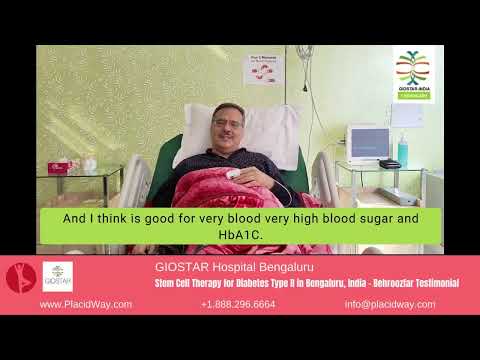






-(7).png)
-(5).png)

.jpg)
.jpg)
.jpg)
.jpg)








Share this listing