


A Comprehensive Review of Regenerative Therapy for Diabetes in India
Lucy’s struggle with managing her blood sugar levels led her to explore an innovative alternative: regenerative therapy for diabetes in India. For millions suffering from this chronic condition, traditional medicine often falls short, leading to endless insulin dependencies. Her comprehensive review sheds light on a revolutionary medical approach that goes beyond merely managing symptoms. Watch her journey to understand how advanced regenerative medicine in India is offering newfound hope, exceptional affordability, and world-class care to international patients seeking long-term vitality.
Video Chapters & Quick Navigation
Understanding Regenerative Therapy for Diabetes in India
Diabetes is a complex metabolic disorder characterized by the body's inability to produce or effectively utilize insulin. For decades, the standard medical approach has focused heavily on symptom management. Patients are typically prescribed a combination of oral medications, lifestyle modifications, and synthetic insulin injections.
However, these conventional methods do not address the root cause of the disease, which is the dysfunction or destruction of pancreatic beta cells. This is where regenerative medicine steps in to offer a paradigm shift. By utilizing the body's own biological mechanisms, these advanced protocols aim to restore the structural and functional integrity of the pancreas.
In her detailed review starting at , Lucy explains how she discovered this innovative approach. Regenerative therapy for diabetes in India focuses on halting the progression of the disease and repairing damaged cellular tissues. It represents a move away from lifelong pharmaceutical dependency toward true cellular healing.
Lucy's Journey: Confronting the Limitations of Traditional Care
Like countless others diagnosed with Type 2 diabetes, Lucy's journey began with a standard prescription of Metformin and strict dietary warnings. Over the years, despite her best efforts, her HbA1c levels continued to creep upward. She experienced the classic frustrations that accompany chronic illness management.
The daily burden of monitoring blood glucose levels and administering insulin took a massive toll on her quality of life. Furthermore, she began to experience the early warning signs of diabetic neuropathy, a common complication that causes numbness and pain in the extremities. The fear of long-term complications like retinopathy and kidney failure became a constant shadow over her life.
As she details at , the turning point came when her local endocrinologist suggested increasing her insulin dosage yet again. Refusing to accept a life of progressive decline, Lucy began researching global alternatives. Her extensive research into the best stem cell hospitals in India opened the door to possibilities she never knew existed.
The Emotional Toll of Chronic Illness
Living with diabetes is not just a physical challenge; it is profoundly mentally exhausting. The constant vigilance required to balance food intake with medication can lead to what medical professionals term "diabetes distress." Patients often feel overwhelmed by the relentless nature of the disease.
Lucy’s candid discussion highlights the psychological relief that comes with pursuing a proactive treatment plan. Knowing that regenerative therapy aims to repair rather than just suppress gave her renewed mental energy. This psychological shift is often the first step toward achieving better health outcomes.
Why Medical Tourism in India for Diabetes Treatment is Booming
When discussing medical tourism in India for diabetes treatment, it is essential to understand the country's rapid healthcare evolution. India has heavily invested in state-of-the-art medical infrastructure over the past two decades. Major metropolitan cities like Delhi, Mumbai, and Chennai now host specialized centers dedicated exclusively to regenerative medicine.
These facilities are not just locally recognized; many hold prestigious international accreditations such as Joint Commission International (JCI) and National Accreditation Board for Hospitals & Healthcare Providers (NABH). This ensures that international patients receive care that meets or exceeds the safety and quality standards of Western nations. The presence of highly skilled, English-speaking medical professionals further enhances the patient experience.
At , Lucy highlights the personalized care she received upon arriving in New Delhi. Indian hospitals are uniquely equipped to handle international patients, offering dedicated patient coordinators who manage everything from airport transfers to dietary needs. This holistic approach ensures a stress-free environment, which is crucial for optimal healing.
Technological Advancements in Indian Clinics
Indian medical facilities are early adopters of cutting-edge biotechnology. The laboratories where stem cells are harvested and processed utilize highly advanced, sterile clean-room environments. They employ strict flow cytometry techniques to ensure the highest cell viability and purity.
By leveraging these sophisticated technologies, Indian clinics can provide highly customized regenerative protocols. These protocols are tailored to the specific metabolic profile of each patient, drastically improving the chances of a favorable clinical outcome.
The Science Behind Regenerative Medicine for Type 2 Diabetes
To truly appreciate Lucy's positive outcome, one must understand the underlying biology of regenerative medicine for type 2 diabetes. The treatment primarily utilizes Mesenchymal Stem Cells (MSCs), which are undifferentiated cells capable of transforming into various tissue types. More importantly, MSCs possess powerful immunomodulatory and anti-inflammatory properties.
When introduced into the patient's bloodstream, these cells naturally home in on areas of inflammation and tissue damage. In the case of diabetes, the target is the pancreas. The MSCs secrete specialized proteins and growth factors that stimulate the repair of damaged beta cells, which are responsible for insulin production.
Furthermore, regenerative therapy addresses a critical component of Type 2 diabetes: insulin resistance. Systemic inflammation is a known driver of cellular resistance to insulin. By drastically reducing this inflammation, stem cell therapy helps the body's cells respond more effectively to the insulin that is being produced. Lucy explains this dual-action benefit during her video at .
The Role of Paracrine Signaling
The magic of stem cells lies not just in their ability to replace dead cells, but in their signaling capabilities. Through a process called paracrine signaling, introduced stem cells instruct existing, dormant pancreatic cells to wake up and begin functioning properly again.
This biological communication network promotes angiogenesis—the creation of new blood vessels. Improved blood flow to the pancreas ensures that the organ receives the oxygen and nutrients necessary for sustained cellular health and hormone regulation.
Cost of Stem Cell Therapy for Diabetes in India vs. Global Averages
One of the most compelling reasons patients travel abroad is the dramatic financial advantage. The cost of stem cell therapy for diabetes in India is a fraction of what one would pay in North America or Europe. In countries like the United States, experimental treatments are rarely covered by insurance and can be financially devastating.
In India, lower administrative costs, favorable exchange rates, and government support for medical infrastructure keep prices highly competitive. Patients do not have to compromise on the quality of care or the caliber of the medical staff to access these affordable rates. Lucy touches on her specific financial savings at .
| Country | Estimated Treatment Cost (USD) | Inclusions |
|---|---|---|
| United States | $20,000 - $35,000 | Outpatient treatment only, no travel included |
| United Kingdom | $18,000 - $28,000 | Consultations and clinical application |
| Mexico | $8,000 - $15,000 | Treatment and basic lab work |
| India | $4,500 - $8,500 | Comprehensive packages: therapy, hospital stay, airport transfers, VIP service |
As illustrated in the table above, the value proposition offered by Indian clinics is unmatched. Comprehensive packages often bundle the primary therapy with pre-operative blood panels, localized transportation, and extended hospital stays for proper medical observation.
What to Expect: The Regenerative Treatment Process and Timeline
Traveling across the globe for a medical procedure can seem daunting. Understanding the step-by-step treatment process helps alleviate anxiety and sets proper expectations. Indian hospitals excel at creating a seamless, transparent pathway for international patients.
At in the video, Lucy walks viewers through her exact timeline from arrival to discharge. The medical teams prioritize thorough diagnostic evaluations before any regenerative material is administered.
- Day 1: Comprehensive Diagnostics. Upon arrival, patients undergo extensive blood work, cardiac screenings, and endocrine evaluations to establish a baseline and ensure safety.
- Day 2: Source Harvesting or Preparation. Depending on the protocol, cells may be harvested from the patient's own bone marrow or adipose tissue. Alternatively, highly screened and cultured umbilical cord-derived Wharton's Jelly MSCs may be prepared in the lab.
- Day 3-4: The Administration Phase. The processed stem cells are administered. This is typically done via an intravenous (IV) drip, which is painless and takes only a few hours. In some advanced cases, targeted injections are utilized.
- Day 5-6: Observation and Lifestyle Coaching. Patients remain under observation. Multidisciplinary teams, including dietitians and physiotherapists, provide post-treatment guidelines to maximize cellular integration.
Post-Treatment Care and Monitoring
The journey does not end when the patient boards a flight back home. Top-tier medical institutions in India establish rigorous follow-up protocols. Through telemedicine platforms, doctors track the patient's progress, reviewing monthly HbA1c results and adjusting ongoing medications as the regenerative effects take hold.
This continuous loop of communication ensures that patients never feel abandoned. The goal is a steady, safe tapering of traditional diabetes medications as the newly rejuvenated pancreas begins to shoulder the metabolic load.
Evaluating Regenerative Therapy Success Rates for Diabetes
When considering such an investment in health, patients naturally seek reassurance regarding efficacy. While no medical procedure can guarantee a 100% cure for every individual, the regenerative therapy success rate for diabetes is showing highly promising clinical statistics.
Success in this context is defined by a significant reduction in HbA1c levels, a decreased reliance on exogenous insulin, and an improvement in diabetes-related complications such as neuropathy. Many patients report experiencing renewed energy levels and a stabilization of blood glucose spikes within three to six months post-treatment.
Lucy shares her remarkable post-treatment results at . She noted a drastic reduction in her fasting blood sugar levels and was able to cut her insulin dosage by more than half. Such outcomes highlight the transformative potential of combining high-quality stem cells with a holistic approach to patient health.
Factors Influencing Patient Outcomes
It is important to note that success rates can vary based on individual physiological factors. The duration of the disease, the patient's age, and their adherence to post-treatment lifestyle modifications play critical roles in the longevity of the results.
Patients who commit to an anti-inflammatory diet, regular cardiovascular exercise, and stress management techniques tend to experience the most profound and lasting benefits. The regenerative therapy acts as a powerful biological reset, but the patient must maintain the newly healed environment.
Best Stem Cell Hospitals in India: Choosing the Right Clinic
The surge in popularity of medical tourism has led to a proliferation of clinics. Navigating this landscape requires careful due diligence. Finding the best stem cell hospitals in India requires looking past glossy brochures and examining strict clinical indicators.
Prospective patients must verify the credentials of the lead scientists and endocrinologists. It is imperative that the facility utilizes a cGMP (Current Good Manufacturing Practice) certified laboratory. This certification guarantees that the stem cells are processed under the strictest international standards of sterility and viability.
Organizations like PlacidWay assist patients in this critical step. By pre-vetting medical facilities and verifying their accreditations, they protect patients from substandard care. PlacidWay ensures that individuals like Lucy are connected only with highly reputable centers that prioritize patient safety and evidence-based protocols.
The Importance of Comprehensive Care
The ideal hospital does not treat regenerative medicine as a standalone transaction. The best facilities integrate endocrinology, immunology, and functional medicine. This multidisciplinary approach ensures that all aspects of the patient's metabolic health are optimized before, during, and after the stem cell infusion.
Lucy's review serves as a powerful testament to what is possible when modern biotechnology meets compassionate, accessible healthcare. Her story is a beacon of hope for anyone tired of the endless cycle of managing diabetes symptoms and looking for a pathway toward true physiological restoration.
Ready to Take Control of Your Diabetes?
PlacidWay Medical Tourism connects you with the most advanced, certified regenerative therapy clinics in India. Discover affordable, world-class treatments designed to help you regain your health and vitality.
GET A FREE QUOTE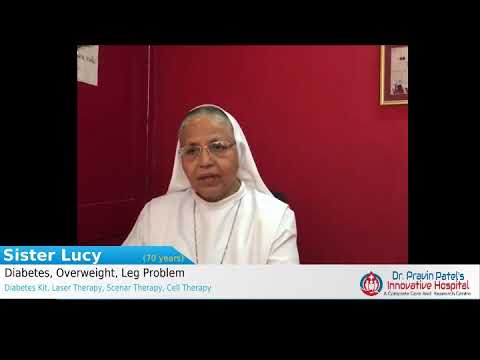




















Share this listing