


John Tisdale Shares His Experience with Stem Cell Therapy for Diabetes at GIOSTAR, Bengaluru
Living with chronic diabetes is often a relentless, daily battle of blood sugar monitoring, strict dietary restrictions, and complex medication management. If you are seeking alternative solutions beyond traditional endocrinology, John Tisdale shares his experience with stem cell therapy for diabetes at GIOSTAR, Bengaluru, revealing a truly groundbreaking approach to regenerative medicine. In this compelling journey, we explore how advanced stem cell treatments in India are transforming the lives of international patients.
By addressing the root causes of insulin resistance and pancreatic decline rather than just masking the symptoms, regenerative medicine is offering profound hope. Discover how cutting-edge protocols, world-class medical facilities, and comprehensive care are redefining long-term diabetes management for patients worldwide.
Video Chapters & Quick Navigation
The Relentless Burden of Conventional Diabetes Management
For millions of people worldwide, receiving a diabetes diagnosis is a life-altering event that initiates a complex, never-ending cycle of medical management. Traditional treatments largely focus on mitigating symptoms and preventing extreme blood sugar spikes rather than addressing the underlying cellular dysfunction. Patients are frequently prescribed a cocktail of oral hypoglycemic agents, synthetic insulin injections, and strict dietary regimens.
Over time, the efficacy of these conventional methods can wane, leading to what many endocrinologists refer to as insulin resistance progression. As the pancreas continues to struggle to produce adequate insulin, the body experiences prolonged periods of hyperglycemia. This systemic issue often leads to severe secondary complications, including diabetic neuropathy, retinopathy, cardiovascular disease, and chronic kidney failure.
The psychological toll is equally devastating. Constantly monitoring glucose levels, calculating carbohydrate intake, and fearing the sudden onset of hypoglycemia can induce severe medical burnout. It is within this exhausting paradigm of chronic illness management that international patients are actively seeking out highly advanced alternatives, turning their attention toward the promising field of regenerative medicine.
John Tisdale’s Search for Advanced Regenerative Healing
Like many long-term diabetics, John Tisdale reached a critical juncture in his healthcare journey where standard medical protocols were no longer providing an acceptable quality of life. Despite strict adherence to his prescribed medication regimens, he began experiencing the debilitating early signs of diabetic neuropathy—a painful nerve condition characterized by tingling, numbness, and burning sensations in the extremities.
At in the video, John highlights the specific moment he realized that merely surviving with diabetes was no longer enough. The daily fatigue, fluctuating energy levels, and persistent nerve pain prompted him to look beyond the standard pharmaceutical options available in his home country. His extensive research into holistic and advanced cellular therapies led him to the concept of regenerative medicine.
Stem cell therapy for diabetes management stood out as a beacon of hope. Unlike traditional drugs that force the pancreas to secrete more insulin or synthetically replace it, stem cell treatments aim to repair damaged tissue, modulate the immune system, and potentially regenerate the insulin-producing beta cells in the pancreatic islets. This cellular approach to healing became the driving force behind his decision to travel abroad.
GIOSTAR Bengaluru: A Premier Global Hub for Regenerative Medicine
When searching for the most reputable and scientifically rigorous institutions offering stem cell therapy for diabetes, the Global Institute of Stem Cell Therapy and Research (GIOSTAR) consistently ranks at the top. Headquartered in the United States, GIOSTAR has expanded its state-of-the-art clinical operations globally, with its Bengaluru, India facility standing out as a premier destination for medical tourists.
Bengaluru, often referred to as the Silicon Valley of India, is not just a technological powerhouse; it is a rapidly growing epicenter for advanced medical research and biotech innovation. As John notes at , arriving at the GIOSTAR facility in Bengaluru completely shattered any preconceived notions about traveling abroad for healthcare. The hospital boasts ultra-modern infrastructure, stringent international sterilization protocols, and a team of globally trained cellular biologists and clinicians.
What sets GIOSTAR Bengaluru apart from other clinics is its unwavering commitment to ethical, research-backed protocols. Their treatments utilize carefully screened, high-viability stem cells processed in pristine laboratory conditions. For patients like John Tisdale, knowing that the clinical team has treated thousands of patients safely using FDA-aligned guidelines provided immense peace of mind before undergoing the regenerative procedure.
The Biological Mechanics: How Stem Cells Combat Diabetic Symptoms
To truly appreciate the value of John's experience, it is vital to understand the underlying biological science of stem cell therapy for diabetes. The core of this treatment typically revolves around the deployment of Mesenchymal Stem Cells (MSCs). These unique cells possess remarkable multipotent capabilities, meaning they can differentiate into various cell types and home in on areas of systemic inflammation and tissue damage.
In the context of diabetes, MSCs operate on multiple therapeutic fronts. First, they exert a powerful immunomodulatory effect. For patients with autoimmune-driven diabetes (Type 1 or latent autoimmune diabetes), stem cells help calm the overactive immune response that destroys pancreatic beta cells. Secondly, MSCs secrete a rich profile of growth factors and cytokines—a process known as the paracrine effect.
These growth factors stimulate angiogenesis, which is the creation of new blood vessels. This is incredibly crucial for reversing diabetic neuropathy and improving poor peripheral circulation. Furthermore, clinical studies suggest that these cellular signals can reduce peripheral insulin resistance, allowing the body’s cells to utilize glucose more efficiently.
| Feature of Care | Conventional Diabetes Treatment | Stem Cell Therapy (Regenerative) |
|---|---|---|
| Primary Mechanism | Symptom management and glucose masking | Cellular repair and immune modulation |
| Pancreatic Focus | Forces remaining beta cells to work harder | Aims to protect and regenerate beta cells |
| Neuropathy Impact | Uses painkillers to numb nerve signals | Promotes new blood vessel growth to heal nerves |
| Long-Term Outcome | Often leads to increased dosage over time | Potential for reduced medication dependence |
The Step-by-Step Clinical Experience in India
The journey from an initial inquiry to receiving advanced cellular therapy is a highly structured process designed for maximum patient safety. At , the video delves into the comprehensive treatment protocol that John Tisdale experienced upon his arrival at the GIOSTAR clinic. The process begins with an exhaustive medical evaluation.
Before any stem cells are administered, patients undergo comprehensive blood work, metabolic profiling, and physical examinations. This ensures that the clinical team can tailor the exact dosage and delivery method of the stem cells to the patient's unique biological markers. Following clearance, the actual stem cell administration is surprisingly non-invasive and highly tolerable.
Depending on the specific medical strategy, high-viability stem cells are typically administered via a simple intravenous (IV) drip, allowing the cells to circulate systemically. In some cases of severe targeted neuropathy, localized micro-injections may also be utilized. Throughout the procedure, patients are monitored in comfortable, private recovery suites, receiving continuous supportive care from dedicated nursing staff.
Significant Improvements in Blood Sugar Control and Vitality
The true measure of any medical intervention lies in its clinical outcomes and the tangible improvement in the patient's daily life. Post-treatment, the biological integration of stem cells takes time as cellular repair mechanisms are activated. However, within weeks to months, many patients begin to report profound physiological changes.
As highlighted at in his testimony, John Tisdale experienced a remarkable stabilization in his fasting blood sugar metrics. Spikes and crashes became significantly less frequent, indicating a dramatic improvement in his body’s natural insulin sensitivity. This stabilization allowed his local endocrinologist to safely reduce his daily dependency on synthetic medications.
Beyond the raw numbers on a glucose monitor, the most life-changing result was the alleviation of his peripheral neuropathy. The burning and numbness in his feet gradually subsided, replaced by restored sensation and comfort. Coupled with a massive resurgence in his daily energy levels, John was able to return to an active, fulfilling lifestyle that conventional medicine had previously deemed impossible.
Affordable Stem Cell Therapy in India: A Cost-Benefit Analysis
While the clinical benefits are paramount, the financial realities of seeking advanced cellular medicine cannot be ignored. In North America and parts of Europe, regenerative therapies are often classified as experimental by major insurance providers, leaving patients to bear the total out-of-pocket costs. These treatments can easily range from $20,000 to over $35,000 domestically.
By choosing medical tourism for diabetes treatment in India, patients access a dramatically different economic landscape. The cost of living, favorable exchange rates, and lower administrative healthcare overhead in India allow world-class clinics like GIOSTAR Bengaluru to offer these exact same premium cellular therapies for a fraction of the Western cost. Complete packages often range between $6,000 and $10,000.
These inclusive packages typically go beyond just the medical procedure. They frequently encompass the initial diagnostic testing, the stem cell harvesting and processing, multi-day hospital stays, and post-infusion monitoring. When factoring in the long-term financial savings of potentially reducing expensive, lifelong diabetic medications, the return on investment for international stem cell therapy becomes overwhelmingly positive.
Planning a Seamless Healthcare Journey to Bengaluru
The prospect of flying across the globe for a medical procedure can understandably seem daunting to an international patient. However, the medical tourism infrastructure in India is highly developed to ensure a stress-free, luxurious experience. Organizations like PlacidWay specialize in facilitating every single aspect of this life-changing journey.
1. Virtual Medical Consultations
Before booking any flights, patients participate in secure, comprehensive telehealth consultations with the lead medical directors at GIOSTAR. Medical records are reviewed to ensure the patient is a viable candidate for the therapy.
2. Travel and Visa Logistics
Dedicated medical tourism facilitators assist with securing the necessary Indian Medical Visa. They also handle the booking of premium, verified accommodations that are in close proximity to the medical facility.
3. On-the-Ground VIP Support
Upon landing at Kempegowda International Airport in Bengaluru, patients are greeted by an English-speaking personal concierge. This includes private airport transfers, translation services if needed, and dedicated guidance through every hospital appointment, ensuring the patient never feels lost or overwhelmed.
Ready to Explore Stem Cell Therapy for Diabetes?
Take the first step toward a healthier, more vibrant life. PlacidWay Medical Tourism connects you with world-renowned specialists at GIOSTAR Bengaluru. Let us handle the complex travel logistics while you focus entirely on your regenerative healing journey.
GET A FREE MEDICAL QUOTE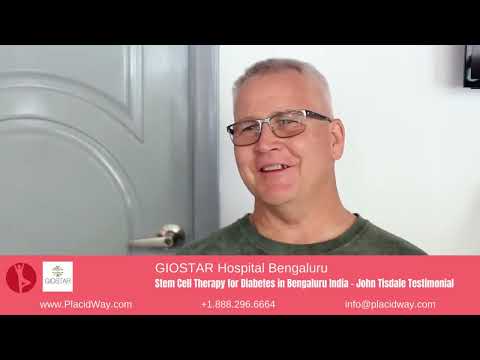
















Share this listing