


.png)
Contents
Get Affordable Stem Cell Treatment for Type 1 and 2 Diabetes in Germany
Germany has long been recognized as a fortress of medical excellence, where rigorous scientific standards meet innovative treatments. For patients managing the daily struggles of Diabetes Mellitus (Type 1 and Type 2), Germany offers a distinct approach to Stem Cell Therapy that prioritizes safety, regulation, and holistic integration. Unlike some destinations that operate in regulatory gray areas, German clinics function under the strict supervision of the "Arzneimittelgesetz" (German Medicines Act), ensuring that any cellular therapy meets pharmaceutical-grade safety standards.
In Germany, the focus is often on Autologous Stem Cell Therapy, where the patient's own cells (usually from bone marrow or adipose tissue) are harvested, processed in a closed, sterile system, and reintroduced to the body. For diabetics, the goal isn't just to lower blood sugar numbers temporarily, but to address the root systemic inflammation and autoimmunity.
The treatment protocols here are sophisticated. Leading centers in cities like Frankfurt and Cologne often combine stem cell administration with advanced complementary therapies such as laser blood irradiation, ozone therapy, and specific metabolic nutritional plans. This "integrative" approach is designed to create the optimal internal environment for the stem cells to survive and function, aiming to regenerate damaged pancreatic tissue and improve insulin sensitivity.
Choosing Germany for this therapy means placing your health in the hands of specialists who value precision above all else, offering a structured, scientifically-backed path toward managing and potentially mitigating the effects of diabetes.
Did You Know?
Germany is one of the few countries where stem cell preparations are legally classified as "Advanced Therapy Medicinal Products" (ATMPs). This classification means the processing of your cells must adhere to GMP (Good Manufacturing Practice) standards—the same high quality standards required for producing prescription drugs.
Key Insights at a Glance
Treatments adhere to strict German and EU laws regarding cell processing and sterility.
Therapy is often combined with IV laser, oxygen therapy, and peptide treatments to boost efficacy.
Primary use of the patient's own bone marrow or fat cells to eliminate rejection risks.
Strong focus on treating diabetic complications like neuropathy and retinopathy alongside blood sugar control.
Centers are led by MDs and PhDs with decades of experience in immunology and internal medicine.
The "Closed System" Advantage
German clinics frequently utilize "Point-of-Care" closed systems for stem cell harvesting. This technology allows cells to be harvested, processed, and re-administered within the same surgical procedure without the cells ever being exposed to the outside air, virtually eliminating the risk of contamination.
All-Inclusive Stem Cell Therapy for Diabetes Packages in Germany
Medical treatment in Germany is renowned for its efficiency. The section below highlights top integrative medicine centers that offer comprehensive packages for international diabetic patients. These packages usually include the full medical assessment (blood work, consultations), the stem cell harvesting and administration procedure, specialized IV infusions, and airport transfers. While accommodation is often arranged at nearby partner hotels rather than inside the clinic, the logistical support is seamless.
Note: German packages focus heavily on medical detail; expect a very thorough pre-treatment screening phase included in the price.
.png)
Price starting from $18,000
Stem Cell Therapy for Type1 Diabetes & Type 2 in Germany
Center for Advanced Medicine in Frankfurt, Germany
- Stem Cell Therapy
Frankfurt, Germany
Stem Cell Therapy for Diabetes Cost in Germany
Germany represents a premium segment of the medical tourism market. The cost reflects the high regulatory standards, the qualifications of the medical team, and the advanced technology used. On average, a complete Stem Cell Therapy protocol for Diabetes in Germany ranges from €12,000 to €22,000. This often includes a multi-day treatment plan with supportive therapies. The table below breaks down the costs associated with different protocols (e.g., Bone Marrow vs. Adipose tissue).
Tip: While higher than some Asian or Latin American destinations, the price in Germany buys you the assurance of EU-standard safety and sterility.
Stem Cell Treatment for Diabetes Centers Cost Comparison in Germany
| Provider | Procedure | Price |
|---|---|---|
| Center for Advanced Medicine in Frankfurt, Germany | Stem Cell Treatment for Diabetes, Stem Cell Therapy | $1950 |
Stem Cell Treatment for Diabetes Cost Comparison in Germany
| Country | Procedure | Price |
|---|---|---|
| United States | Stem Cell Treatment for Diabetes, Stem Cell Therapy | $22000 |
| Mexico | Stem Cell Treatment for Diabetes, Stem Cell Therapy | $10000 |
Best Stem Cell Clinics in Germany for Diabetes Treatment
We have selected the most reputable Centers for Regenerative and Integrative Medicine in Germany. These facilities are often led by internationally published doctors and feature on-site GMP laboratories. They are located in major hubs like Frankfurt and Cologne, ensuring easy access. Explore the profiles below to learn about their specific methodologies, accreditation, and patient success stories.
Safety First: Look for clinics that hold "TÜV certification," a German hallmark of quality management and safety.
Center for Advanced Medicine in Frankfurt, Germany
Frankfurt, Germany
Videos to Watch About Diabetes Regenerative Medicine in Germany
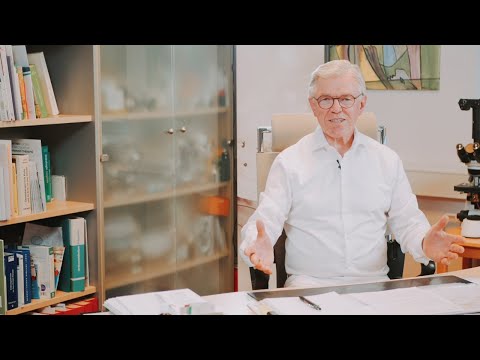
The patient experience in Germany is often described as professional, efficient, and deeply caring. The video testimonials below feature diabetic patients from around the world who traveled to Germany for treatment. Listen to their accounts of improved energy levels, stabilized blood sugar readings, and the relief from neuropathy symptoms. These stories provide a realistic view of the potential outcomes and the high level of care provided.
Insight: Many patients appreciate the "whole-body" approach of German doctors, addressing diet and lifestyle alongside the cellular therapy.
Stem Cell Therapy in Germany Reviews
Germany's reputation for quality holds true in patient reviews. In this section, you will find verified feedback from individuals who have undergone the treatment. Pay attention to comments regarding the clarity of medical explanations, the thoroughness of the preliminary testing, and the long-term follow-up care. High ratings here often reflect the trust patients feel in the German medical system.
Review Tip: Look for reviews that mention specific improvements in HbA1c levels or reduction in insulin dosage.

FAQs about Stem Cell Therapy for Diabetes in Germany
Best Specialists to Treat Diabetes in Germany with Stem Cells
In Germany, regenerative medicine is a serious scientific discipline. We have identified top specialists who are pioneers in the field. These doctors often hold dual qualifications in internal medicine and naturopathy or immunology, allowing them to bridge the gap between conventional diabetes management and advanced cellular therapy.
Integrative Medicine Experts
MDs with a Holistic Focus
Our recommended specialists view diabetes as a whole-body systemic issue. They use stem cells not just to target the pancreas, but to reset the body's entire metabolic and immune environment. They are experts in combining cellular therapy with mitochondrial medicine.
Immunologists & Researchers
Scientific Leaders
Many German specialists are actively involved in research. They understand the complex immunology behind Type 1 Diabetes and use stem cells specifically to modulate the immune response. Their scientific background ensures that protocols are evidence-based and safe.
Regenerative Surgeons
Precision Harvesting
The quality of the stem cells depends on the harvest. These surgeons are skilled in minimally invasive bone marrow aspiration and liposuction, ensuring maximum cell yield with minimal discomfort for the patient.
Why Choose Germany for Stem Cell Treatment for Diabetes?
Safety & Regulation
Germany has some of the strictest medical laws in the world. Stem cell treatments are heavily regulated, meaning patients are protected from unproven or unsafe experimental procedures often found in less regulated markets.
It offers peace of mind through rigorous oversight.
Cutting-Edge Technology
German clinics are equipped with the latest biotechnology. From closed-system cell separators to advanced laser blood irradiation machines, patients have access to medical tech that may not yet be available in their home countries.
It provides access to the future of medicine, today.
Holistic Approach
Treatment in Germany is rarely just about the injection. Doctors emphasize detoxification, nutrition, and boosting the immune system to ensure the stem cells have the best environment to work. This comprehensive care model appeals to patients seeking true healing.
It treats the whole patient, not just the disease.
Book Consultation for Stem Cell Treatment for Type 1 and 2 Diabetes in Germany
Navigating the world of advanced regenerative medicine requires a trusted partner. PlacidWay connects you with Germany's top accredited stem cell centers, ensuring your journey to better health is safe, transparent, and professionally managed.
Clinic Vetting
We rigorously screen clinics for GMP certification, proper licensing, and adherence to German medical laws to ensure your safety.
Medical Review
We facilitate a preliminary review of your medical records by German specialists to determine if you are a suitable candidate for therapy.
Tailored Quotes
Receive detailed treatment plans and transparent pricing that breaks down costs for the procedure, lab work, and supportive therapies.
Logistical Support
Our team assists with visa invitation letters, accommodation bookings near the clinic, and airport transfers for a smooth arrival.
Patient Advocacy
We stand by your side from the initial inquiry to post-treatment follow-up, ensuring all your questions are answered by the medical team.
Access to Innovation
We connect you with clinics offering the absolute latest in regenerative protocols, ensuring you receive the most advanced care available.
Invest in your future health with confidence. Contact PlacidWay today for a personalized consultation and explore your options for Stem Cell Therapy in Germany.
Get Your Free Personalized Quote.png)
.png)
.png)
.png)









Share this listing