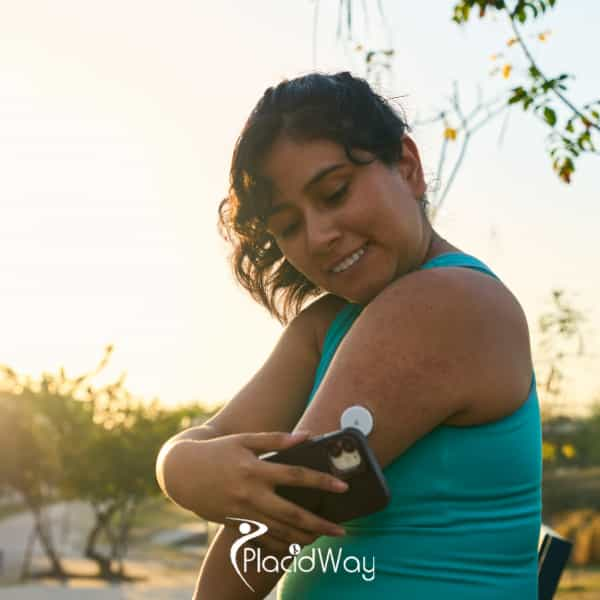
Regenerative Medicine for Diabetes in United States

Publish date: Modified date: Medically reviewed by: Dr. Alejandro Fernando on Oct 06, 2026 Author: Pinki Sharma

Experience Price

$15,000 Price starting from
Regenerative Medicine for Diabetes in United States

Contents

Living with diabetes often feels like a part-time job you never applied for—constantly tracking blood sugar, timing meals, and managing insulin doses. For many patients in Canada, the UK, and Latin America, the frustration goes beyond daily management. You might be facing limited access to advanced therapies, long waiting lists for clinical trials, or restrictive healthcare policies in your home country that keep cutting-edge treatments out of reach. When standard medications stop providing the quality of life you want, it is completely natural to look across borders for better alternatives.

That is exactly why thousands of international patients turn to the United States every year for advanced medical care. The US is home to highly regulated, research-driven regenerative therapies aimed at addressing the root causes of metabolic conditions. While these procedures are largely investigational, the level of clinical oversight is unmatched. Treatment costs typically range from $10,000 to $25,000, depending on the specific protocol. When exploring US options, patient safety is paramount. Always look for facilities with Joint Commission (JCI) or AAAHC accreditation, and ensure their laboratories are FDA-registered or AABB-compliant.

What You Should Know

Estimated Cost Range
$10,000 - $25,000 USD
Procedure Duration
Typically 1 to 3 days (outpatient basis)
Regulatory Bodies
FDA, Joint Commission, AAAHC
Expected Stay in US
5 to 7 days for prep and follow-up
Ideal Candidates
Patients seeking investigational adjunct therapies

Medical care bundles in the United States operate a bit differently than in other medical tourism destinations. Instead of all-inclusive resort-style stays, US clinics typically focus purely on the clinical aspects of your visit. This ensures your budget goes directly toward advanced medical technology and specialist expertise.

A standard treatment bundle usually covers pre-procedure lab work, physician consultations, the regenerative therapy protocol itself, and immediate post-treatment monitoring. You will generally need to arrange your own flights, accommodation, and local transport. Review the packages listed below to understand exactly what each center includes before making your decision.

`

Regenerative medicine for diabetes in the United States typically ranges from $10,000 to $25,000, depending on the specific protocol and clinic location. This price tag is undeniably higher than in many other countries, but it reflects the stringent regulatory environment, advanced lab technologies, and highly specialized medical staff involved in your care.

Because these therapies are largely considered investigational by the FDA, they are almost never covered by standard health insurance, meaning patients pay out of pocket. It is crucial to get a comprehensive, itemized quote upfront to avoid unexpected laboratory or facility fees. Explore the cost estimates provided below to find a pricing structure that fits your healthcare budget.

Stem Cell Treatment for Diabetes Centers Cost Comparison in United States

Provider Procedure Price
Victor Regenerative Medicine Centers Stem Cell Treatment for Diabetes, Stem Cell Therapy $25000
Amira Integrative Health by MJA Healthcare Stem Cell Treatment for Diabetes, Stem Cell Therapy $5750

Finding the right medical facility in the United States requires looking beyond a beautifully designed lobby. The key to a safe and effective experience is verifying clinical credentials. You want a center that strictly adheres to federal health regulations and prioritizes patient transparency.

When evaluating providers, ask if they have their own on-site laboratory and whether it is FDA-registered. Independent accreditations from organizations like the Joint Commission or the AAAHC are strong indicators of quality care. A reputable clinic will openly discuss their compliance, clinical protocols, and safety records without pressuring you into an immediate decision. Please take a moment to compare the clinic profiles below to see which facility aligns with your medical and safety requirements.
Understanding complex cellular treatments is much easier when you can actually see the process. Reading about clinical protocols is one thing, but watching a detailed walkthrough of a US medical facility can significantly reduce travel anxiety.

Video content allows you to observe the hygiene standards, meet the clinical staff virtually, and hear doctors explain their methods in plain language. Many facilities also share patient journey videos, providing a realistic look at the timeline and recovery process. Watch the patient and clinic videos below to get a clearer picture of what the treatment experience looks like in the US.

There is no better way to gauge a clinic's true quality than by listening to those who have already walked through their doors. Reviews from fellow diabetic patients offer unfiltered insights into the bedside manner of the doctors, the efficiency of the staff, and the reality of the recovery phase.

When reading testimonials, look for specific details regarding how the clinic handled international logistics, how thoroughly they explained the risks, and the level of follow-up care provided once the patient returned home. Browse through the patient reviews below to learn from others who have already taken this step.

Traveling to the United States for specialized medical care is a major decision that comes with plenty of logistical and clinical questions. Below are some of the most common questions international patients ask when considering regenerative therapies for diabetes in the US.

Is regenerative medicine for diabetes FDA approved in the US?

Currently, most regenerative and stem cell therapies for diabetes are not FDA-approved as standard treatments. They are largely available through FDA-approved clinical trials or under very specific compliant protocols using a patient's own (autologous) tissue. Always ask the clinic about their regulatory standing.

What types of cells are typically used in these US protocols?

Compliant US clinics often use autologous mesenchymal stem cells (MSCs) harvested from the patient's own bone marrow or adipose (fat) tissue. Other facilities may participate in trials involving specialized islet cells, depending on the specific research focus.

How long do I need to stay in the United States?

The procedure itself is usually completed on an outpatient basis over one or two days. However, you should plan to stay in the US for 5 to 7 days to allow time for initial consultations, lab work, and a brief follow-up appointment before flying home.

Will my health insurance cover this treatment in America?

No. Because these therapies are considered investigational, both domestic and international health insurance plans routinely deny coverage. You should expect to pay the full cost out of pocket.

Do I need a special medical visa to get treatment in the US?

Most international patients can travel on a standard B-2 (Visitor for Pleasure/Medical Treatment) visa, or an ESTA if traveling from a visa-waiver country. Always state medical care as your purpose of visit when passing through US Customs.

How quickly will I see changes in my blood sugar levels?

Results vary dramatically from patient to patient. Some report improvements in energy and metabolic markers within a few weeks, while others may take months. Some patients may not experience measurable clinical changes. It is vital to maintain realistic expectations.

Is this treatment a permanent cure for diabetes?

No. Regenerative medicine is not a documented cure for Type 1 or Type 2 diabetes. It is used as an investigational adjunct therapy aimed at reducing inflammation, promoting tissue repair, and potentially improving the body's natural metabolic function.

What are the potential risks of the procedure?

Risks generally relate to the extraction process (such as bruising or infection at the lipo-aspiration or bone marrow draw site). There are also systemic risks associated with unproven therapies, which makes choosing a highly regulated, board-certified physician crucial.

How will a US doctor monitor my progress once I return home?

Reputable clinics have established telemedicine protocols. They will schedule video calls with you at specific intervals (usually 1, 3, and 6 months) and work with your local primary care doctor to review ongoing blood work and health metrics.

Can I combine my treatment with a US vacation?

Yes, many patients choose clinics in tourist-friendly hubs like Miami, Los Angeles, or Houston. However, you should plan your leisure activities before the procedure, as you will need rest and a sterile environment during the immediate recovery phase.

What is the Average Cost of Stem Cell Therapy for Diabetes in Florida Plantation, USA?

The average cost of experimental stem cell therapy for diabetes in Plantation, Florida, typically ranges from $5,000 to $15,000. Prices vary based on the clinic, stem cell source, and specific treatment protocol required for your condition. Exploring stem cell therapy for diabetes in Plantation, Florida requires a clear understanding of both the financial investment and the medical realities. Diabetes, whether Type 1 or Type 2, is a complex chronic condition that currently has no established cure. While standard treatments focus on managing blood sugar levels through insulin, medication, and lifestyle adjustments, some patients look toward regenerative medicine for potential future solutions. Plantation, Florida, has become a notable hub for regenerative medicine clinics. However, navigating the landscape of unproven therapies demands caution. This guide explores the estimated costs, the experimental nature of the procedure, FDA regulations, and what you need to know before considering a stem cell clinic in Plantation, Florida. Key Takeaways Stem cell therapy for diabetes is currently experimental and lacks FDA approval as a standard treatment. Out-of-pocket costs typically range between $5,000 and $15,000 per treatment protocol. Standard health insurance policies do not cover investigational stem cell procedures. Patient outcomes are highly variable, and the long-term effectiveness remains unproven by large-scale clinical trials. Consulting with a licensed endocrinologist is essential before pursuing any experimental therapies. How much does stem cell therapy for diabetes cost in Plantation, Florida? Patients can expect to pay between $5,000 and $15,000 out-of-pocket for experimental stem cell treatments targeting diabetes in Plantation, Florida. The pricing for regenerative therapies can fluctuate significantly based on several variables. Because the FDA classifies these treatments as experimental for diabetes, you will be responsible for the entire cost. The lower end of the spectrum, around $5,000, usually covers basic, single-day protocols using a lower cell count or simpler delivery methods. On the higher end, costs can approach $15,000 or more. These higher-tier prices often reflect multiple infusion sessions, specialized stem cell sourcing (such as expanded umbilical cord-derived mesenchymal stem cells), extensive pre-treatment blood work, and prolonged clinical monitoring. Clinics may also charge separate fees for initial consultations, which can range from $200 to $500. Expense Category Estimated Cost Range Initial Consultation & Blood Work $200 - $800 Cell Harvesting & Processing $3,000 - $6,000 Infusion / Treatment Protocol $1,500 - $7,000+ Follow-up Care & Monitoring $300 - $1,200 What exactly does the treatment involve? The procedure typically involves harvesting stem cells from your own body or a donor, processing them in a laboratory setting, and reintroducing them into your bloodstream intravenously. Clinics offering this experimental therapy primarily use Mesenchymal Stem Cells (MSCs). These cells are researched for their potential to modulate the immune system and reduce inflammation. In the context of Type 1 diabetes, researchers are studying whether these cells can halt the autoimmune attack on pancreatic beta cells. For Type 2 diabetes, the focus is often on improving insulin resistance and reducing systemic inflammation. If a clinic uses autologous cells (your own cells), a physician will extract tissue from your bone marrow or abdominal fat. This requires a minor surgical procedure using local anesthesia. The tissue is then spun in a centrifuge to isolate the stem cells before they are administered back into your body. If allogeneic cells (donor cells) are used, they are typically sourced from screened umbilical cord tissue, bypassing the extraction step. Is stem cell treatment for diabetes FDA-approved in the USA? No, the FDA has not approved stem cell therapy for the treatment, management, or cure of diabetes; it is strictly considered an experimental procedure. This is one of the most critical facts patients must understand. Currently, the FDA only approves a very limited number of stem cell products, primarily blood-forming stem cells derived from umbilical cord blood for specific blood disorders and cancers. Any clinic marketing stem cells as a proven cure for diabetes is doing so outside of FDA regulations. Reputable facilities will clearly explain this distinction. Many legitimate researchers operate under Investigational New Drug (IND) applications approved by the FDA, which allows them to conduct strictly monitored clinical trials. If you are seeking treatment in Florida, ask the clinic if their protocol is part of a registered clinical trial. Participating in a regulated trial is the safest way to explore experimental therapies. What factors influence the price of this treatment? The final cost is determined by the stem cell source, the number of cells administered, facility fees, and any necessary pre-treatment diagnostic testing. Several elements dictate the overall estimate you will receive from a clinic: Cell Source: Extracting autologous cells from your bone marrow is often more expensive due to the surgical expertise required compared to utilizing pre-processed donor cells. Cell Expansion: If the protocol requires the cells to be cultured and expanded in a lab over several days to increase their numbers, laboratory fees will significantly increase the price. Number of Treatments: Some patients undergo a single infusion, while others may be recommended a multi-day or multi-week protocol. Facility Standards: Clinics operating strictly within FDA guidelines and maintaining high-tier cleanrooms and lab certifications often have higher overhead costs, which reflect in patient pricing. Are there financing options for stem cell treatments? Because these therapies are deemed investigational, standard medical insurance policies do not cover the costs, but many clinics offer third-party medical financing plans. You should plan to cover the entire cost of the therapy out of pocket. Medicare, Medicaid, and private health insurers classify stem cell therapy for diabetes as experimental. Submitting a claim for this specific procedure will almost certainly result in a denial. To make the procedure more accessible, some clinics in Plantation partner with medical credit companies. These companies offer payment plans that allow patients to pay off the procedure over 12 to 60 months. Always read the terms and interest rates carefully before committing to medical debt for an unproven therapy. Important Consideration Never stop taking your prescribed diabetes medications, especially insulin, to pursue experimental therapies. Unregulated withdrawal from standard diabetes care can lead to life-threatening complications such as diabetic ketoacidosis (DKA). Who might be considered a candidate for experimental therapy? Ideal candidates are typically adults with well-managed overall health who clearly understand the experimental nature of the therapy and the lack of guaranteed outcomes. Not everyone with diabetes is a suitable candidate for stem cell research. Clinics often have strict exclusionary criteria. Patients with active infections, a history of certain cancers, or severe diabetic complications (such as advanced kidney failure) are frequently disqualified from participating in these protocols to ensure patient safety. Eligibility relies heavily on a thorough review of your medical history, recent HbA1c levels, and a consultation with the providing physician. You should involve your primary endocrinologist in this discussion to ensure the experimental treatment does not dangerously interfere with your current management plan. What are the potential risks and complications? Potential risks include infection at the injection or extraction site, immune rejection if using donor cells, and unforeseen cellular multiplication. While many clinics market regenerative therapies as safe, introducing manipulated biological material into the body carries inherent risks. The FDA frequently warns against unapproved stem cell treatments due to documented cases of severe adverse events. Risks may include: Bacterial infections caused by improper sterilization in the lab or clinic. Adverse immune reactions to donor cells. Injection site reactions, including pain, swelling, or bleeding. The theoretical risk of cells multiplying improperly, potentially leading to tumor formation. Carefully reviewing a clinic's safety protocols and confirming they have emergency response plans in place is vital for your protection. How do you choose a reputable stem cell clinic in Plantation, Florida? Look for clinics led by board-certified physicians that operate transparently, do not promise cures, and ideally conduct treatments as part of registered clinical trials. The regenerative medicine industry faces significant regulatory challenges, making thorough patient research essential. Avoid clinics that use high-pressure sales tactics, guarantee a cure for diabetes, or claim their treatments carry zero risk. Legitimate medical professionals will always prioritize informed consent over making a sale. When evaluating a facility in Plantation, ask to see the credentials of the medical staff performing the procedure. Ensure they are board-certified in a relevant specialty, rather than just having a general medical license. Additionally, ask where their cells are processed. Reputable clinics use FDA-registered laboratories that adhere to Current Good Tissue Practice (cGTP) regulations. What should I expect during recovery and follow-up? Recovery from the procedure itself is usually brief, but patients require ongoing blood sugar monitoring and long-term follow-up with their endocrinologist. If you undergo a simple IV infusion, you can typically return to light daily activities within 24 to 48 hours. If you have bone marrow or fat extracted, you may experience localized pain and bruising that can take a week or two to fully resolve. Your clinic will provide specific aftercare instructions, which often include avoiding strenuous exercise and certain medications. The most crucial aspect of recovery is continued disease management. Stem cell therapy does not provide immediate results, and for many patients, it may provide no measurable results at all. You must continue monitoring your blood glucose levels meticulously and attend all scheduled check-ups with your home healthcare team. How does medical tourism in USA compare to local treatment options? Many patients travel across state lines or internationally to the USA to access specialized regenerative medicine clinics operating in Florida. Domestic medical tourism is increasingly common for patients seeking therapies unavailable in their home state. Florida has a high concentration of regenerative medicine facilities, attracting patients nationwide. If you are traveling to Plantation, factor travel and accommodation costs into your overall budget, as these are not included in the clinic's treatment fees. When traveling for healthcare, continuity of care is paramount. Before leaving home, establish a plan with your local endocrinologist for what to do if complications arise after you return. Clear communication between the treating clinic in Florida and your home medical team helps ensure your safety once the procedure is complete. Why Choose PlacidWay for Medical Tourism? Navigating international and domestic healthcare options can be complex. PlacidWay offers resources to help patients explore medical facilities globally. Extensive Directory: PlacidWay provides a comprehensive directory of medical centers and clinics worldwide, allowing patients to review diverse healthcare options. Direct Communication: The platform enables patients to request information and communicate directly with healthcare facilities regarding their specific needs. Educational Resources: PlacidWay offers articles, guides, and FAQ sections to help patients better understand various medical procedures. Provider Information: Patients can view detailed profiles of clinics, including the types of treatments offered and the languages spoken by the staff. Cost Comparisons: The platform allows users to request estimates from multiple providers, aiding in financial planning for their medical journey. Frequently Asked Questions How long does a stem cell therapy session take? The actual infusion or injection process usually takes one to three hours, though you should expect to spend most of the day at the clinic for preparation, observation, and initial recovery. Is the stem cell extraction process painful? If autologous cells are used, extraction from bone marrow or adipose (fat) tissue involves local anesthesia to minimize pain, though patients typically experience mild soreness and bruising at the extraction site for a few days. Can stem cell therapy replace my insulin injections? No. Stem cell therapy is experimental and cannot reliably replace insulin. You must continue your prescribed diabetes management plan and consult your endocrinologist before making any changes to your medication. What type of stem cells are most commonly used for diabetes research? Mesenchymal stem cells (MSCs), often derived from umbilical cord tissue, bone marrow, or fat, are most frequently studied due to their potential immunomodulatory and anti-inflammatory properties. How long until patients see potential results from the therapy? Because this is an experimental treatment, results vary widely. Some patients in clinical studies report changes in energy or blood sugar stabilization within a few months, while others experience no noticeable benefits. Will I need multiple treatment sessions? Treatment protocols differ by clinic and the specific research guidelines they follow. Some providers recommend a single intensive session, while others suggest a series of spaced-out infusions over several months. Can international patients receive treatment in Plantation, Florida? Yes, many clinics in Florida treat international patients. However, individuals traveling from abroad must coordinate their travel logistics, ensure they have medical clearance, and arrange for follow-up care in their home country. Are there age restrictions for this experimental therapy? Most clinics restrict experimental treatments to adults over the age of 18. Upper age limits depend on the patient's overall health, existing comorbidities, and the clinic's specific eligibility criteria. What should I avoid after receiving stem cell injections? Patients are generally advised to avoid strenuous exercise, anti-inflammatory medications like ibuprofen (which may interfere with the cells), and smoking for several weeks following the procedure. Are there alternatives to stem cell therapy for diabetes management? Yes. Standard, evidence-based treatments include insulin therapy, oral hypoglycemic medications, dietary management, exercise, and continuous glucose monitoring systems prescribed by an endocrinologist. Ready to Explore Your Treatment Options? Connect with medical facilities to request information, compare clinic credentials, and learn more about treatment availability. Request Treatment Information References FDA Warns About Stem Cell Therapies – U.S. Food and Drug Administration Stem Cells and Diabetes Research – American Diabetes Association Database of Privately and Publicly Funded Clinical Studies – ClinicalTrials.gov (NIH) Stem Cells: What They Are and What They Do – Mayo Clinic Patient Handbook on Stem Cell Therapies – International Society for Stem Cell Research (ISSCR) Medical Tourism Guidelines – Centers for Disease Control and Prevention (CDC) Medical Disclaimer: The information provided in this article is for educational and informational purposes only and does not constitute medical advice, diagnosis, or treatment. Stem cell therapy for diabetes is considered experimental and is not FDA-approved. Outcomes, risks, and suitability vary significantly by patient. Always consult with a qualified, licensed healthcare professional, such as an endocrinologist, regarding your specific medical condition and before making any changes to your treatment plan or pursuing unproven therapies.

The success and safety of any investigational treatment rely entirely on the medical professional administering it. In the US, it is vital to verify that your physician is board-certified by the American Board of Medical Specialties (ABMS), ideally in endocrinology or internal medicine.

A trustworthy specialist will never guarantee a cure. Instead, they will thoroughly evaluate your medical history, clearly explain the clinical rationale for the therapy, and outline all potential risks. Compare the specialist profiles below to find a qualified doctor who makes you feel confident in your care.

The United States is a global leader in biomedical research, making it a primary destination for patients seeking therapies that are unavailable or heavily restricted in their home countries. Patients frequently travel from Canada, the UK, the Middle East, and Latin America to access these high-tech medical hubs. The appeal lies in the strict regulatory frameworks and the availability of state-of-the-art diagnostic and clinical laboratories.

Traveling to the US for medical care is generally straightforward, thanks to its extensive network of international airports and robust hospitality infrastructure. Major medical hubs are accustomed to hosting international patients and often provide translation services, airport transfers, and assistance with medical visa documentation if needed.

Popular Medical HubsMiami, Houston, Los Angeles, Chicago
Major Gateway AirportsMIA, IAH, LAX, ORD
Visa RequirementsESTA (Waiver program) or B-2 Medical Visa
Language SpokenEnglish, Spanish (widely available)
Local CurrencyUS Dollar (USD)

When planning your trip, consider arriving a day or two before your first consultation to recover from travel fatigue. Because treatment packages rarely include accommodation, booking a hotel close to your chosen clinic is highly recommended to minimize stress during your treatment and recovery days.

Navigating the healthcare system in the United States from abroad can feel overwhelming, but you do not have to figure it out alone. PlacidWay connects you with accredited clinics and board-certified specialists who prioritize patient safety and transparent pricing. We can help you gather medical records, arrange virtual consultations, and compare detailed treatment packages so you can make an informed, confident decision.

If you are ready to explore your options for regenerative medicine in the US, our team is here to support you at every step. Take the next step toward understanding your treatment possibilities today.

References

Regenerative Medicine for Diabetes in United States thumbnail

About Experience

  • Translations: EN AR ES
  • Price Range: $15,000 - $15,000
  • Treatment: Stem Cell Treatment for Diabetes,Stem Cell Therapy
  • Location: United States
  • Clinics: Victor Regenerative Medicine Centers, Amira Integrative Health by MJA Healthcare,
  • Packages Best Stem Cell Therapy Package for Diabetes in USA,
  • Overview Exploring Regenerative Medicine: A Path to Transforming Diabetes Care in the United States

Trusted Medical Tourism Platform Since 2007

60+
Countries
2k+
Clinics
19.5k+
Reviews
2.5k+
Qualified Doctors
1.1M+
Patients Served Since 2007