

Contents
Ever wondered about the groundbreaking strides we're making in the field of healthcare? Hold onto your seats as we dive into the captivating realm of Regenerative Medicine Treatment in the USA.
Picture a world where damaged tissues and organs can be coaxed into regenerating themselves, where chronic conditions find their match, and where healing goes beyond just mending – it thrives.
In this technologically advanced era, the USA stands tall as a hub of innovation, embracing the future of medicine that promises not just recovery, but revitalization.
The United States now offers a range of affordable regenerative medicine packages that could be your ticket to a healthier and more vibrant life. These packages are designed to make this cutting-edge technology accessible to a wider audience, ensuring that you don't have to break the bank to benefit from regenerative therapies.
From joint health to skin rejuvenation, there's a package tailored just for you. So, why wait? Take a step towards a better you with these amazing and budget-friendly regenerative medicine options available right here in the United States! Your journey to wellness might be closer and more affordable than you think.

Price starting from $6,000
Affordable Packages for Stem Cell Therapy for COPD in Plantation, Florida
PlacidWay US Medical Tourism
- Stem Cell Therapy
Denver, United States

Price starting from $10,500
Affordable Stem Cell Treatment for Parkinson in Plantation, Florida
PlacidWay US Medical Tourism
- Stem Cell Therapy
Denver, United States
Price starting from $15,000
Best Stem Cell Therapy Package for Diabetes in USA
PlacidWay US Medical Tourism
- Stem Cell Therapy
Denver, United States

Price starting from $25,000
Regenerative Medicine for Autism Package in New York, USA by Victor Regenerative Medicine Centers
Victor Regenerative Medicine Centers
New York, United States

Price starting from $25,000
Regenerative Medicine for Knee Arthritis Package by Dr. Victor in New York, USA
Victor Regenerative Medicine Centers
- Stem Cell Therapy
New York, United States
Price starting from $25,000
Dr. Victor Regenerative Medicine for Stroke Package in New York, USA
Victor Regenerative Medicine Centers
New York, United States
If you're curious about the cost of regenerative medicine in the United States, it's important to understand that the expenses can vary quite a bit. The cost depends on the specific type of regenerative treatment you're considering, the medical facility you choose, the extent of the procedure, and whether it's covered by insurance.
Generally, regenerative medicine procedures can range from $5,000 to $30,000, especially for more advanced therapies. It's always a good idea to consult with medical professionals and your insurance provider to get a better idea of the potential costs involved.
Stem Cell Therapy Centers Cost Comparison in United States
| Provider | Procedure | Price |
|---|---|---|
| Stemedix, Inc | Stem Cell Treatment for Multiple Sclerosis, Stem Cell Therapy | $8500 |
| Stemedix, Inc | Stem Cell Treatment for COPD, Stem Cell Therapy | $7900 |
| Stemedix, Inc | Stem Cell Treatment for Cerebral Palsy, Stem Cell Therapy | $8500 |
| Victor Regenerative Medicine Centers | Stem Cell Treatment for Autism, Stem Cell Therapy | $25000 |
| Victor Regenerative Medicine Centers | Stem Cell Treatment for Diabetes, Stem Cell Therapy | $25000 |
| Amira Integrative Health by MJA Healthcare | Stem Cell Therapy for Stroke, Stem Cell Therapy | $5750 |
If you're on the lookout for the most cutting-edge and advanced regenerative medicine centers in the United States, you've come to the right place. These centers are at the forefront of medical innovation, harnessing the power of the body's own healing mechanisms to treat a wide range of conditions.
From tissue regeneration to stem cell therapies, they're pushing the boundaries of what's possible in healthcare.
Victor Regenerative Medicine Centers
New York, United States

Amira Integrative Health by MJA Healthcare
East Stroudsburg, United States
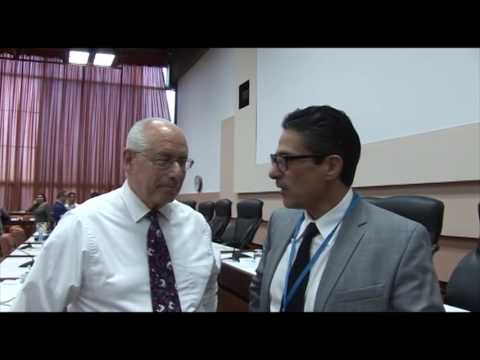
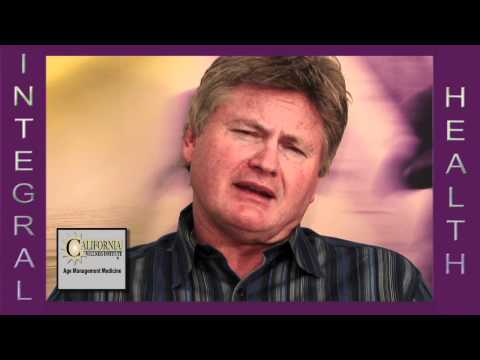
I wanted to share something pretty incredible with you – I stumbled upon these heartfelt and inspiring patient testimonials about Regenerative Medicine Treatment in the United States. It's truly heartwarming to watch these videos of former patients sharing their experiences and journeys to recovery.
Hearing their stories in their own words adds a genuine touch that words alone can't capture. You'll witness the transformative power of Regenerative Medicine as these individuals recount their struggles, hopes, and the incredible progress they've made.
These videos not only provide insight into the potential of this innovative treatment but also offer a sense of hope and optimism for those seeking solutions to various health challenges. If you're curious about the real-life impact of Regenerative Medicine, these testimonials are an eye-opening and empowering watch!


Taking a look at reviews from former patients can be an eye-opening experience. These reviews are like windows into their journeys, giving you a peek into the real-world outcomes of Regenerative Medicine Treatment.
People often talk about their initial concerns, the process of the treatment itself, and most importantly, the results they achieved. Reading these firsthand accounts can provide you with a clearer understanding of what to expect, and it's reassuring to hear how these treatments have positively impacted their lives.

It's a treasure trove of information that can help you get a clear picture of what to expect financially. Whether you're looking into treatments for joint issues, autoimmune diseases, or other health conditions, the FAQs will likely cover a wide range of topics.
By reading through them, you'll gain valuable insights into the factors that influence the costs, potential insurance coverage, and any available payment options.
Transform Your Smile in 24 Hours with Same Day Dental Implants in Tijuana
Same day dental implants in Tijuana allow suitable patients to receive a dental implant and a temporary crown in a single visit. Estimated costs range from $800 to $1,500 per tooth, offering potential savings compared to US prices. Dealing with missing teeth can be a frustrating and confidence-draining experience. For many patients looking to restore their smiles efficiently, same day dental implants in Mexico have become an appealing option. Tijuana, conveniently located just across the border from San Diego, has grown into a major hub for dental care, attracting thousands of international patients each year seeking quality treatment at more accessible price points. Also known as immediate load implants, this procedure streamlines the traditional dental implant timeline. While traditional methods leave you waiting months for a functional tooth, same day implants aim to provide a temporary, aesthetically pleasing solution on the very day of your surgery. However, determining if this rapid approach is appropriate for your specific dental health requires careful consideration and professional medical evaluation. Key Takeaways Same day implants provide a temporary functional tooth immediately after the titanium post is placed. Adequate jawbone density and excellent oral health are strict requirements for eligibility. You will still need a healing period of several months before permanent crowns can be attached. The procedure requires a strict soft-food diet during the recovery phase to prevent implant failure. Choosing to travel across the border requires careful vetting of clinic credentials and planning for local follow-up care. How exactly do same day dental implants work? Immediate load implants involve placing a titanium post into the jawbone and securely attaching a temporary crown during the very same surgical appointment. The process begins with an in-depth consultation and 3D imaging (CBCT scan) to assess your jawbone structure. If your dentist determines you have enough healthy bone, the surgery proceeds. Any damaged teeth are extracted, and the titanium implant post is precisely inserted into the bone socket. Instead of stitching the gums and sending you home without a tooth, the dentist attaches an abutment and a temporary crown right away. It is critical to understand that the bone has not yet bonded to the implant. This natural fusion process, known as osseointegration, still takes three to six months. The temporary tooth is designed carefully to sit slightly out of your normal bite pattern. This strategic placement ensures that when you chew, you are not putting excessive pressure on the newly placed implant, which could disrupt the healing process. Am I a suitable candidate for a one-day implant procedure? Suitable candidates generally have excellent overall oral health, sufficient jawbone density, and no active gum disease to support immediate implant placement. Not everyone qualifies for same day treatment. Because the implant is subjected to some level of immediate use, the foundational bone must be incredibly stable. During your consultation, an oral surgeon or periodontist will evaluate several factors: Bone Volume: You must have a strong, thick jawbone. If bone grafting is required, you will likely need traditional implants instead. Gum Health: Periodontal disease can introduce bacteria into the surgical site, significantly increasing the risk of implant failure. Lifestyle Habits: Heavy smoking restricts blood flow and severely hampers bone healing. Smokers are often advised against immediate load implants. Bruxism: If you severely grind or clench your teeth (bruxism), the excessive force can knock the new implant loose before it integrates. What is the average same day dental implants cost in Mexico? The estimated same day dental implants cost in Mexico typically ranges from $800 to $1,500 per tooth, varying based on materials, diagnostics, and treatment complexity. Pricing is one of the primary drivers for patients exploring treatment across the border. In the United States or Canada, a single implant with an abutment and crown can frequently exceed $4,000 to $5,000. In contrast, the financial estimates in Tijuana are notably lower due to lower administrative and operational costs, rather than a reduction in material quality. When reviewing quotes, you should ensure you are looking at comprehensive estimates. A transparent quote should outline the cost of the 3D CT scan, the surgical extraction (if needed), the titanium post, the temporary crown, and the final permanent restoration. Keep in mind that full-mouth restorations, such as All-on-4 or All-on-6 procedures, will carry significantly different price structures, usually ranging from $8,000 to $15,000 per arch. What is the difference between same day implants and traditional implants? Traditional implants require an undisturbed healing period of three to six months before any tooth is attached, whereas same day implants provide an immediate temporary tooth. In a traditional dental implant procedure, the surgeon places the post into the jaw and covers it entirely with gum tissue. You then wait several months with either a gap in your teeth or a removable flipper denture while the bone heals. Only after osseointegration is confirmed does the dentist reopen the gum to attach the abutment and crown. The same day approach combines the first two stages. The abutment and a temporary crown are attached immediately. The biological healing process inside the jawbone takes exactly the same amount of time in both methods. The primary difference lies in patient convenience and immediate aesthetics—you do not have to leave the clinic with a gap in your smile. Do I get my permanent teeth on the same day? No, you receive functional, aesthetic temporary teeth on the day of surgery to protect the healing implant. Your permanent restorations are placed months later. Important Consideration: Temporary crowns are crafted from lighter materials like acrylic. They are designed for looks and light function, not heavy chewing. A common misconception is that the "same day" label implies the entire dental reconstruction is finalized in 24 hours. Because the implant has not yet fused with your bone, attaching a heavy, permanent porcelain or zirconia crown would be unsafe. Permanent crowns exert strong bite forces that can easily cause a fresh implant to fail. Once your mouth has completely healed—usually after three to six months—you will return to the clinic. At that point, the dentist will take new impressions of your stabilized gums and craft your customized, durable permanent teeth. What are the potential risks of immediate dental implants? Immediate implants carry risks such as infection, implant micro-movement, nerve damage, and failure to integrate if subjected to excessive chewing forces too soon. All surgical procedures carry inherent risks, and immediate load implants are no exception. The most significant risk unique to this timeline is micro-movement. If the temporary tooth is bumped forcefully or if you chew hard foods too early, the titanium post can shift slightly within the bone. Even a microscopic shift can disrupt osseointegration, leading to the body rejecting the implant. Other general surgical risks include localized infection, injury to adjacent teeth, or sinus issues if an upper jaw implant protrudes into the sinus cavity. It is crucial to have a thorough discussion with your chosen provider regarding your specific risk factors, medical history, and what steps you need to take if complications arise once you return home. How should I prepare for dental implant surgery in Tijuana? Preparation involves consulting with your local dentist, managing underlying health conditions, practicing excellent oral hygiene, and arranging border travel logistics. Planning a medical trip requires diligence. Start by visiting your local dentist for an objective opinion on whether implants are right for you. Obtain copies of your dental records and recent X-rays, though your clinic in Tijuana will likely require a fresh 3D scan upon arrival to ensure precise surgical planning. Medically, you should disclose all medications to your surgeon, especially blood thinners or osteoporosis treatments, as these can affect surgery and healing. Logistically, ensure your passport is up to date. Many patients choose to drive to the border, park on the US side, and walk across, or utilize clinic-provided shuttle services from San Diego airports or border crossings. What does the recovery process look like after same day placement? Recovery typically involves a few days of mild swelling and discomfort, followed by several months of a strict soft-food diet to allow for safe bone integration. In the initial 24 to 48 hours following surgery, you can expect localized swelling, minor bruising, and mild to moderate discomfort. Dentists typically prescribe pain relievers and a short course of antibiotics to prevent infection. Resting and applying ice packs to the outside of your jaw can help manage these immediate symptoms. The long-term recovery phase requires strict dietary discipline. For the next three to four months, you must avoid crunchy, chewy, or hard foods. Sticking to a diet of smoothies, mashed potatoes, scrambled eggs, and soft pasta ensures you do not inadvertently put stress on the healing implant post. How do I choose a same day dental implants clinic in Mexico? Look for facilities with verifiable credentials, modern diagnostic technology, transparent infection control protocols, and specialists specifically trained in implantology. Because dental standards can vary globally, vetting your chosen clinic is the most crucial step you will take. Do not base your decision solely on the lowest price. Instead, prioritize the expertise of the oral surgeon. Look for dentists who have completed specialized postgraduate training in implantology or are affiliated with recognized professional organizations, such as the American Academy of Implant Dentistry (AAID) or local equivalents. During your initial communication with a clinic, ask detailed questions. Inquire about the brand of implants they use (reputable global brands include Straumann, Nobel Biocare, and Zimmer). Ask to see their sterilization protocols and confirm they use on-site 3D CBCT scanners, which are essential for safe, guided implant placement. What role does medical tourism in Mexico play for dental patients? Dental tourism provides an opportunity for individuals to access specialized restorative care at different price points by traveling across international borders. The phenomenon of medical travel has grown exponentially, largely driven by the high cost of healthcare in the US and Canada. Tijuana stands out specifically because of its geographic convenience; many patients can access care with just a short drive or flight to Southern California, avoiding long-haul international flights. However, engaging in medical tourism requires balancing potential financial savings with the realities of travel. You must factor in the costs of transportation, accommodation, and the necessity of returning for follow-up appointments or your permanent crown placement. Establishing a relationship with a local dentist at home who is willing to assist with routine maintenance and emergency issues is a vital component of a responsible medical tourism plan. Why Choose PlacidWay for Medical Tourism Exploration? Researching international healthcare requires access to clear, organized information. PlacidWay serves as a global medical tourism platform designed to help you navigate your options effectively. ? Global Directory Access: PlacidWay provides a comprehensive directory connecting patients with healthcare facilities and dental clinics in numerous international destinations. ? Provider Profiles: The platform offers detailed clinic profiles, allowing you to review facility credentials, specialist qualifications, and available medical technologies. ? Direct Communication: You can use the platform to facilitate direct communication with international clinics, allowing you to ask specific questions about your treatment plan. ? Pricing Transparency: PlacidWay helps you compare estimated treatment costs across different countries, aiding in personal financial planning and budgeting. ? Educational Resources: Access a library of articles and resources explaining various medical and dental procedures to help you make informed decisions about your health. Frequently Asked Questions Are same day dental implants painful? The procedure is performed under local anesthesia, so you should not feel pain during the surgery. Afterward, it is normal to experience some swelling, bruising, and mild discomfort, which can typically be managed with prescribed or over-the-counter pain medications. How long do same day implants typically last? With proper oral hygiene, regular dental check-ups, and a healthy lifestyle, the titanium implant post can potentially last a lifetime. The crown attached to it may need replacement due to normal wear and tear after 10 to 15 years. Can I eat normally immediately after the procedure? No. You must adhere to a strict soft-food diet for several months. Eating hard, crunchy, or chewy foods too soon can cause the implant to shift, which may lead to treatment failure. Do I need a passport to travel to Tijuana for dental care? Yes. If you are traveling from the United States or Canada, a valid passport or an approved WHTI-compliant document is required to cross the border and re-enter your home country. Can bone grafting be done on the same day as the implant? Minor bone grafting can sometimes be performed simultaneously with implant placement. However, if you require significant bone augmentation to support the implant, your dentist will likely recommend completing the graft and allowing it to heal before placing the implant. What materials are used for immediate load implants in Tijuana? Most dental implants are made of biocompatible titanium, though some clinics offer zirconia alternatives. The temporary crowns placed on the first day are usually made from durable acrylic or composite resin. Will my dental insurance cover implants in Mexico? Some US and Canadian dental insurance plans offer partial out-of-network reimbursement for treatments received in Mexico, but many do not. You should check directly with your provider to understand your specific coverage and required documentation. How many trips to Tijuana will I actually need? For same day implants, you will need at least two trips. The first trip is for the surgery and placement of the temporary teeth. A second trip, usually three to six months later, is required to place your permanent, customized crowns. What happens if I experience complications after returning home? It is important to have a local dentist aware of your treatment plan who can assist with urgent post-operative issues. If complications like infection arise, you may need to seek immediate care locally rather than traveling back to the clinic. How do Tijuana dental clinics handle sterilization and hygiene? Reputable clinics follow strict international hygiene protocols, often mirroring ADA or OSHA standards. When researching facilities, you should specifically ask about their sterilization equipment, such as autoclaves, and infection control procedures. Ready to Compare Treatment Options? Explore dental clinics, review credentials, and request detailed treatment information for your dental needs. Request Treatment Information References Dental Implants – American Dental Association (ADA) Dental Implants FAQ – American Academy of Implant Dentistry (AAID) Dental Implant Surgery: Risks & What to Expect – Mayo Clinic Medical Tourism: Travel Health Guidelines – Centers for Disease Control and Prevention (CDC) Oral Hygiene and Dental Care – National Institute of Dental and Craniofacial Research (NIDCR) Your Health Abroad: Medical Tourism – U.S. Department of State Medical Disclaimer: The information provided in this article is for educational and informational purposes only and does not constitute medical advice, diagnosis, or treatment recommendations. Dental implants, including immediate load procedures, carry inherent risks and may not be suitable for every patient. Outcomes, recovery times, and individual eligibility vary significantly. Always consult with a qualified, appropriately licensed healthcare provider or dental specialist before making any decisions regarding medical procedures or international medical travel.
What is the Average Cost of Stem Cell Therapy for Diabetes in Florida Plantation, USA?
The average cost of experimental stem cell therapy for diabetes in Plantation, Florida, typically ranges from $5,000 to $15,000. Prices vary based on the clinic, stem cell source, and specific treatment protocol required for your condition. Exploring stem cell therapy for diabetes in Plantation, Florida requires a clear understanding of both the financial investment and the medical realities. Diabetes, whether Type 1 or Type 2, is a complex chronic condition that currently has no established cure. While standard treatments focus on managing blood sugar levels through insulin, medication, and lifestyle adjustments, some patients look toward regenerative medicine for potential future solutions. Plantation, Florida, has become a notable hub for regenerative medicine clinics. However, navigating the landscape of unproven therapies demands caution. This guide explores the estimated costs, the experimental nature of the procedure, FDA regulations, and what you need to know before considering a stem cell clinic in Plantation, Florida. Key Takeaways Stem cell therapy for diabetes is currently experimental and lacks FDA approval as a standard treatment. Out-of-pocket costs typically range between $5,000 and $15,000 per treatment protocol. Standard health insurance policies do not cover investigational stem cell procedures. Patient outcomes are highly variable, and the long-term effectiveness remains unproven by large-scale clinical trials. Consulting with a licensed endocrinologist is essential before pursuing any experimental therapies. How much does stem cell therapy for diabetes cost in Plantation, Florida? Patients can expect to pay between $5,000 and $15,000 out-of-pocket for experimental stem cell treatments targeting diabetes in Plantation, Florida. The pricing for regenerative therapies can fluctuate significantly based on several variables. Because the FDA classifies these treatments as experimental for diabetes, you will be responsible for the entire cost. The lower end of the spectrum, around $5,000, usually covers basic, single-day protocols using a lower cell count or simpler delivery methods. On the higher end, costs can approach $15,000 or more. These higher-tier prices often reflect multiple infusion sessions, specialized stem cell sourcing (such as expanded umbilical cord-derived mesenchymal stem cells), extensive pre-treatment blood work, and prolonged clinical monitoring. Clinics may also charge separate fees for initial consultations, which can range from $200 to $500. Expense Category Estimated Cost Range Initial Consultation & Blood Work $200 - $800 Cell Harvesting & Processing $3,000 - $6,000 Infusion / Treatment Protocol $1,500 - $7,000+ Follow-up Care & Monitoring $300 - $1,200 What exactly does the treatment involve? The procedure typically involves harvesting stem cells from your own body or a donor, processing them in a laboratory setting, and reintroducing them into your bloodstream intravenously. Clinics offering this experimental therapy primarily use Mesenchymal Stem Cells (MSCs). These cells are researched for their potential to modulate the immune system and reduce inflammation. In the context of Type 1 diabetes, researchers are studying whether these cells can halt the autoimmune attack on pancreatic beta cells. For Type 2 diabetes, the focus is often on improving insulin resistance and reducing systemic inflammation. If a clinic uses autologous cells (your own cells), a physician will extract tissue from your bone marrow or abdominal fat. This requires a minor surgical procedure using local anesthesia. The tissue is then spun in a centrifuge to isolate the stem cells before they are administered back into your body. If allogeneic cells (donor cells) are used, they are typically sourced from screened umbilical cord tissue, bypassing the extraction step. Is stem cell treatment for diabetes FDA-approved in the USA? No, the FDA has not approved stem cell therapy for the treatment, management, or cure of diabetes; it is strictly considered an experimental procedure. This is one of the most critical facts patients must understand. Currently, the FDA only approves a very limited number of stem cell products, primarily blood-forming stem cells derived from umbilical cord blood for specific blood disorders and cancers. Any clinic marketing stem cells as a proven cure for diabetes is doing so outside of FDA regulations. Reputable facilities will clearly explain this distinction. Many legitimate researchers operate under Investigational New Drug (IND) applications approved by the FDA, which allows them to conduct strictly monitored clinical trials. If you are seeking treatment in Florida, ask the clinic if their protocol is part of a registered clinical trial. Participating in a regulated trial is the safest way to explore experimental therapies. What factors influence the price of this treatment? The final cost is determined by the stem cell source, the number of cells administered, facility fees, and any necessary pre-treatment diagnostic testing. Several elements dictate the overall estimate you will receive from a clinic: Cell Source: Extracting autologous cells from your bone marrow is often more expensive due to the surgical expertise required compared to utilizing pre-processed donor cells. Cell Expansion: If the protocol requires the cells to be cultured and expanded in a lab over several days to increase their numbers, laboratory fees will significantly increase the price. Number of Treatments: Some patients undergo a single infusion, while others may be recommended a multi-day or multi-week protocol. Facility Standards: Clinics operating strictly within FDA guidelines and maintaining high-tier cleanrooms and lab certifications often have higher overhead costs, which reflect in patient pricing. Are there financing options for stem cell treatments? Because these therapies are deemed investigational, standard medical insurance policies do not cover the costs, but many clinics offer third-party medical financing plans. You should plan to cover the entire cost of the therapy out of pocket. Medicare, Medicaid, and private health insurers classify stem cell therapy for diabetes as experimental. Submitting a claim for this specific procedure will almost certainly result in a denial. To make the procedure more accessible, some clinics in Plantation partner with medical credit companies. These companies offer payment plans that allow patients to pay off the procedure over 12 to 60 months. Always read the terms and interest rates carefully before committing to medical debt for an unproven therapy. Important Consideration Never stop taking your prescribed diabetes medications, especially insulin, to pursue experimental therapies. Unregulated withdrawal from standard diabetes care can lead to life-threatening complications such as diabetic ketoacidosis (DKA). Who might be considered a candidate for experimental therapy? Ideal candidates are typically adults with well-managed overall health who clearly understand the experimental nature of the therapy and the lack of guaranteed outcomes. Not everyone with diabetes is a suitable candidate for stem cell research. Clinics often have strict exclusionary criteria. Patients with active infections, a history of certain cancers, or severe diabetic complications (such as advanced kidney failure) are frequently disqualified from participating in these protocols to ensure patient safety. Eligibility relies heavily on a thorough review of your medical history, recent HbA1c levels, and a consultation with the providing physician. You should involve your primary endocrinologist in this discussion to ensure the experimental treatment does not dangerously interfere with your current management plan. What are the potential risks and complications? Potential risks include infection at the injection or extraction site, immune rejection if using donor cells, and unforeseen cellular multiplication. While many clinics market regenerative therapies as safe, introducing manipulated biological material into the body carries inherent risks. The FDA frequently warns against unapproved stem cell treatments due to documented cases of severe adverse events. Risks may include: Bacterial infections caused by improper sterilization in the lab or clinic. Adverse immune reactions to donor cells. Injection site reactions, including pain, swelling, or bleeding. The theoretical risk of cells multiplying improperly, potentially leading to tumor formation. Carefully reviewing a clinic's safety protocols and confirming they have emergency response plans in place is vital for your protection. How do you choose a reputable stem cell clinic in Plantation, Florida? Look for clinics led by board-certified physicians that operate transparently, do not promise cures, and ideally conduct treatments as part of registered clinical trials. The regenerative medicine industry faces significant regulatory challenges, making thorough patient research essential. Avoid clinics that use high-pressure sales tactics, guarantee a cure for diabetes, or claim their treatments carry zero risk. Legitimate medical professionals will always prioritize informed consent over making a sale. When evaluating a facility in Plantation, ask to see the credentials of the medical staff performing the procedure. Ensure they are board-certified in a relevant specialty, rather than just having a general medical license. Additionally, ask where their cells are processed. Reputable clinics use FDA-registered laboratories that adhere to Current Good Tissue Practice (cGTP) regulations. What should I expect during recovery and follow-up? Recovery from the procedure itself is usually brief, but patients require ongoing blood sugar monitoring and long-term follow-up with their endocrinologist. If you undergo a simple IV infusion, you can typically return to light daily activities within 24 to 48 hours. If you have bone marrow or fat extracted, you may experience localized pain and bruising that can take a week or two to fully resolve. Your clinic will provide specific aftercare instructions, which often include avoiding strenuous exercise and certain medications. The most crucial aspect of recovery is continued disease management. Stem cell therapy does not provide immediate results, and for many patients, it may provide no measurable results at all. You must continue monitoring your blood glucose levels meticulously and attend all scheduled check-ups with your home healthcare team. How does medical tourism in USA compare to local treatment options? Many patients travel across state lines or internationally to the USA to access specialized regenerative medicine clinics operating in Florida. Domestic medical tourism is increasingly common for patients seeking therapies unavailable in their home state. Florida has a high concentration of regenerative medicine facilities, attracting patients nationwide. If you are traveling to Plantation, factor travel and accommodation costs into your overall budget, as these are not included in the clinic's treatment fees. When traveling for healthcare, continuity of care is paramount. Before leaving home, establish a plan with your local endocrinologist for what to do if complications arise after you return. Clear communication between the treating clinic in Florida and your home medical team helps ensure your safety once the procedure is complete. Why Choose PlacidWay for Medical Tourism? Navigating international and domestic healthcare options can be complex. PlacidWay offers resources to help patients explore medical facilities globally. Extensive Directory: PlacidWay provides a comprehensive directory of medical centers and clinics worldwide, allowing patients to review diverse healthcare options. Direct Communication: The platform enables patients to request information and communicate directly with healthcare facilities regarding their specific needs. Educational Resources: PlacidWay offers articles, guides, and FAQ sections to help patients better understand various medical procedures. Provider Information: Patients can view detailed profiles of clinics, including the types of treatments offered and the languages spoken by the staff. Cost Comparisons: The platform allows users to request estimates from multiple providers, aiding in financial planning for their medical journey. Frequently Asked Questions How long does a stem cell therapy session take? The actual infusion or injection process usually takes one to three hours, though you should expect to spend most of the day at the clinic for preparation, observation, and initial recovery. Is the stem cell extraction process painful? If autologous cells are used, extraction from bone marrow or adipose (fat) tissue involves local anesthesia to minimize pain, though patients typically experience mild soreness and bruising at the extraction site for a few days. Can stem cell therapy replace my insulin injections? No. Stem cell therapy is experimental and cannot reliably replace insulin. You must continue your prescribed diabetes management plan and consult your endocrinologist before making any changes to your medication. What type of stem cells are most commonly used for diabetes research? Mesenchymal stem cells (MSCs), often derived from umbilical cord tissue, bone marrow, or fat, are most frequently studied due to their potential immunomodulatory and anti-inflammatory properties. How long until patients see potential results from the therapy? Because this is an experimental treatment, results vary widely. Some patients in clinical studies report changes in energy or blood sugar stabilization within a few months, while others experience no noticeable benefits. Will I need multiple treatment sessions? Treatment protocols differ by clinic and the specific research guidelines they follow. Some providers recommend a single intensive session, while others suggest a series of spaced-out infusions over several months. Can international patients receive treatment in Plantation, Florida? Yes, many clinics in Florida treat international patients. However, individuals traveling from abroad must coordinate their travel logistics, ensure they have medical clearance, and arrange for follow-up care in their home country. Are there age restrictions for this experimental therapy? Most clinics restrict experimental treatments to adults over the age of 18. Upper age limits depend on the patient's overall health, existing comorbidities, and the clinic's specific eligibility criteria. What should I avoid after receiving stem cell injections? Patients are generally advised to avoid strenuous exercise, anti-inflammatory medications like ibuprofen (which may interfere with the cells), and smoking for several weeks following the procedure. Are there alternatives to stem cell therapy for diabetes management? Yes. Standard, evidence-based treatments include insulin therapy, oral hypoglycemic medications, dietary management, exercise, and continuous glucose monitoring systems prescribed by an endocrinologist. Ready to Explore Your Treatment Options? Connect with medical facilities to request information, compare clinic credentials, and learn more about treatment availability. Request Treatment Information References FDA Warns About Stem Cell Therapies – U.S. Food and Drug Administration Stem Cells and Diabetes Research – American Diabetes Association Database of Privately and Publicly Funded Clinical Studies – ClinicalTrials.gov (NIH) Stem Cells: What They Are and What They Do – Mayo Clinic Patient Handbook on Stem Cell Therapies – International Society for Stem Cell Research (ISSCR) Medical Tourism Guidelines – Centers for Disease Control and Prevention (CDC) Medical Disclaimer: The information provided in this article is for educational and informational purposes only and does not constitute medical advice, diagnosis, or treatment. Stem cell therapy for diabetes is considered experimental and is not FDA-approved. Outcomes, risks, and suitability vary significantly by patient. Always consult with a qualified, licensed healthcare professional, such as an endocrinologist, regarding your specific medical condition and before making any changes to your treatment plan or pursuing unproven therapies.
The landscape of regenerative medicine is constantly evolving, and it's crucial to have a physician who not only keeps up with the latest advancements but also has a genuine passion for helping patients unlock their body's incredible healing potential.
In this pursuit, you deserve a doctor who sees you as an individual, understands your unique needs, and crafts a tailored treatment plan that aligns with your goals. These top-notch doctors stand out not only for their exceptional medical expertise but also for their dedication to providing compassionate care.
With their guidance, you can explore innovative regenerative therapies that have the potential to rejuvenate your body and enhance your overall well-being. Remember, this journey is about you, and partnering with the right doctor can make all the difference.
Let me take you on a thrilling journey through the heart of America, where the landscape isn't just about breathtaking vistas and charming towns, but a tapestry woven with tales of post-regenerative medicine marvels.
Picture this: stepping into a world where cutting-edge science meets the raw beauty of nature. From the rejuvenated redwoods of California to the revitalized beaches of Florida, I've traversed the nation to witness the incredible transformation of lives after regenerative treatments.
Imagine hiking through the Rocky Mountains alongside individuals who have embraced newfound vitality, or kayaking down the Mississippi River with a group of friends who've embarked on this shared post-treatment adventure. Each state holds a unique story, a testament to the miracles of regenerative medicine.
|
Watching the sunrise over the Grand Canyon, Arizona.
|

|
Take selfies with your friends and family around the Statue of Liberty, New York.
|

|
Taste the delicacy of typical American food.
|

Discover the remarkable world of regenerative medicine treatments in the United States with PlacidWay. Don't miss your chance to explore cutting-edge therapies and stories of rejuvenation. Book your adventure to a healthier you today! Click "Contact Us" and open the door to a brighter, revitalized future.





















Share this listing