
Average Cost of Regenerative Medicine for Diabetes in Florida Plantation, USA

Exploring stem cell therapy for diabetes in Plantation, Florida requires a clear understanding of both the financial investment and the medical realities. Diabetes, whether Type 1 or Type 2, is a complex chronic condition that currently has no established cure. While standard treatments focus on managing blood sugar levels through insulin, medication, and lifestyle adjustments, some patients look toward regenerative medicine for potential future solutions.
Plantation, Florida, has become a notable hub for regenerative medicine clinics. However, navigating the landscape of unproven therapies demands caution. This guide explores the estimated costs, the experimental nature of the procedure, FDA regulations, and what you need to know before considering a stem cell clinic in Plantation, Florida.
Key Takeaways
- Stem cell therapy for diabetes is currently experimental and lacks FDA approval as a standard treatment.
- Out-of-pocket costs typically range between $5,000 and $15,000 per treatment protocol.
- Standard health insurance policies do not cover investigational stem cell procedures.
- Patient outcomes are highly variable, and the long-term effectiveness remains unproven by large-scale clinical trials.
- Consulting with a licensed endocrinologist is essential before pursuing any experimental therapies.
How much does stem cell therapy for diabetes cost in Plantation, Florida?
The pricing for regenerative therapies can fluctuate significantly based on several variables. Because the FDA classifies these treatments as experimental for diabetes, you will be responsible for the entire cost. The lower end of the spectrum, around $5,000, usually covers basic, single-day protocols using a lower cell count or simpler delivery methods.
On the higher end, costs can approach $15,000 or more. These higher-tier prices often reflect multiple infusion sessions, specialized stem cell sourcing (such as expanded umbilical cord-derived mesenchymal stem cells), extensive pre-treatment blood work, and prolonged clinical monitoring. Clinics may also charge separate fees for initial consultations, which can range from $200 to $500.
| Expense Category | Estimated Cost Range |
|---|---|
| Initial Consultation & Blood Work | $200 - $800 |
| Cell Harvesting & Processing | $3,000 - $6,000 |
| Infusion / Treatment Protocol | $1,500 - $7,000+ |
| Follow-up Care & Monitoring | $300 - $1,200 |
What exactly does the treatment involve?
Clinics offering this experimental therapy primarily use Mesenchymal Stem Cells (MSCs). These cells are researched for their potential to modulate the immune system and reduce inflammation. In the context of Type 1 diabetes, researchers are studying whether these cells can halt the autoimmune attack on pancreatic beta cells. For Type 2 diabetes, the focus is often on improving insulin resistance and reducing systemic inflammation.
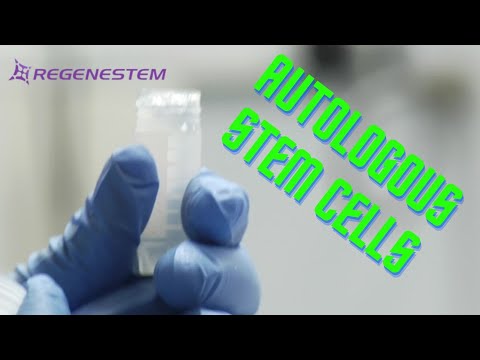
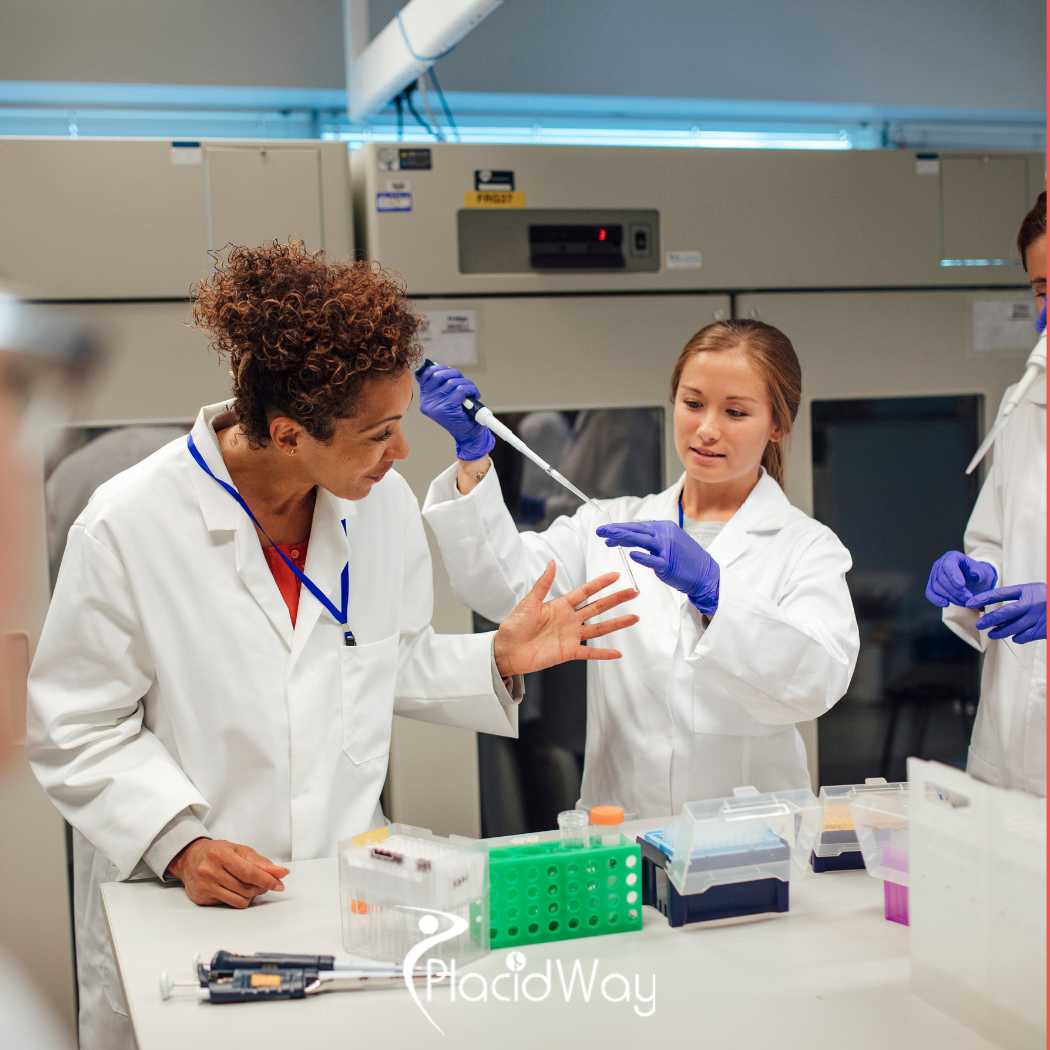
If a clinic uses autologous cells (your own cells), a physician will extract tissue from your bone marrow or abdominal fat. This requires a minor surgical procedure using local anesthesia. The tissue is then spun in a centrifuge to isolate the stem cells before they are administered back into your body. If allogeneic cells (donor cells) are used, they are typically sourced from screened umbilical cord tissue, bypassing the extraction step.
Is stem cell treatment for diabetes FDA-approved in the USA?
This is one of the most critical facts patients must understand. Currently, the FDA only approves a very limited number of stem cell products, primarily blood-forming stem cells derived from umbilical cord blood for specific blood disorders and cancers. Any clinic marketing stem cells as a proven cure for diabetes is doing so outside of FDA regulations.
Reputable facilities will clearly explain this distinction. Many legitimate researchers operate under Investigational New Drug (IND) applications approved by the FDA, which allows them to conduct strictly monitored clinical trials. If you are seeking treatment in Florida, ask the clinic if their protocol is part of a registered clinical trial. Participating in a regulated trial is the safest way to explore experimental therapies.
What factors influence the price of this treatment?
Several elements dictate the overall estimate you will receive from a clinic:
- Cell Source: Extracting autologous cells from your bone marrow is often more expensive due to the surgical expertise required compared to utilizing pre-processed donor cells.
- Cell Expansion: If the protocol requires the cells to be cultured and expanded in a lab over several days to increase their numbers, laboratory fees will significantly increase the price.
- Number of Treatments: Some patients undergo a single infusion, while others may be recommended a multi-day or multi-week protocol.
- Facility Standards: Clinics operating strictly within FDA guidelines and maintaining high-tier cleanrooms and lab certifications often have higher overhead costs, which reflect in patient pricing.
Are there financing options for stem cell treatments?
You should plan to cover the entire cost of the therapy out of pocket. Medicare, Medicaid, and private health insurers classify stem cell therapy for diabetes as experimental. Submitting a claim for this specific procedure will almost certainly result in a denial.
To make the procedure more accessible, some clinics in Plantation partner with medical credit companies. These companies offer payment plans that allow patients to pay off the procedure over 12 to 60 months. Always read the terms and interest rates carefully before committing to medical debt for an unproven therapy.
Important Consideration
Never stop taking your prescribed diabetes medications, especially insulin, to pursue experimental therapies. Unregulated withdrawal from standard diabetes care can lead to life-threatening complications such as diabetic ketoacidosis (DKA).
Who might be considered a candidate for experimental therapy?
Not everyone with diabetes is a suitable candidate for stem cell research. Clinics often have strict exclusionary criteria. Patients with active infections, a history of certain cancers, or severe diabetic complications (such as advanced kidney failure) are frequently disqualified from participating in these protocols to ensure patient safety.
Eligibility relies heavily on a thorough review of your medical history, recent HbA1c levels, and a consultation with the providing physician. You should involve your primary endocrinologist in this discussion to ensure the experimental treatment does not dangerously interfere with your current management plan.
What are the potential risks and complications?
While many clinics market regenerative therapies as safe, introducing manipulated biological material into the body carries inherent risks. The FDA frequently warns against unapproved stem cell treatments due to documented cases of severe adverse events. Risks may include:
- Bacterial infections caused by improper sterilization in the lab or clinic.
- Adverse immune reactions to donor cells.
- Injection site reactions, including pain, swelling, or bleeding.
- The theoretical risk of cells multiplying improperly, potentially leading to tumor formation.
Carefully reviewing a clinic's safety protocols and confirming they have emergency response plans in place is vital for your protection.
How do you choose a reputable stem cell clinic in Plantation, Florida?
The regenerative medicine industry faces significant regulatory challenges, making thorough patient research essential. Avoid clinics that use high-pressure sales tactics, guarantee a cure for diabetes, or claim their treatments carry zero risk. Legitimate medical professionals will always prioritize informed consent over making a sale.
When evaluating a facility in Plantation, ask to see the credentials of the medical staff performing the procedure. Ensure they are board-certified in a relevant specialty, rather than just having a general medical license. Additionally, ask where their cells are processed. Reputable clinics use FDA-registered laboratories that adhere to Current Good Tissue Practice (cGTP) regulations.
What should I expect during recovery and follow-up?
If you undergo a simple IV infusion, you can typically return to light daily activities within 24 to 48 hours. If you have bone marrow or fat extracted, you may experience localized pain and bruising that can take a week or two to fully resolve. Your clinic will provide specific aftercare instructions, which often include avoiding strenuous exercise and certain medications.
The most crucial aspect of recovery is continued disease management. Stem cell therapy does not provide immediate results, and for many patients, it may provide no measurable results at all. You must continue monitoring your blood glucose levels meticulously and attend all scheduled check-ups with your home healthcare team.
How does medical tourism in USA compare to local treatment options?
Domestic medical tourism is increasingly common for patients seeking therapies unavailable in their home state. Florida has a high concentration of regenerative medicine facilities, attracting patients nationwide. If you are traveling to Plantation, factor travel and accommodation costs into your overall budget, as these are not included in the clinic's treatment fees.
When traveling for healthcare, continuity of care is paramount. Before leaving home, establish a plan with your local endocrinologist for what to do if complications arise after you return. Clear communication between the treating clinic in Florida and your home medical team helps ensure your safety once the procedure is complete.
Why Choose PlacidWay for Medical Tourism?
Navigating international and domestic healthcare options can be complex. PlacidWay offers resources to help patients explore medical facilities globally.
Extensive Directory: PlacidWay provides a comprehensive directory of medical centers and clinics worldwide, allowing patients to review diverse healthcare options.
Direct Communication: The platform enables patients to request information and communicate directly with healthcare facilities regarding their specific needs.
Educational Resources: PlacidWay offers articles, guides, and FAQ sections to help patients better understand various medical procedures.
Provider Information: Patients can view detailed profiles of clinics, including the types of treatments offered and the languages spoken by the staff.
Cost Comparisons: The platform allows users to request estimates from multiple providers, aiding in financial planning for their medical journey.
Frequently Asked Questions
How long does a stem cell therapy session take?
The actual infusion or injection process usually takes one to three hours, though you should expect to spend most of the day at the clinic for preparation, observation, and initial recovery.
Is the stem cell extraction process painful?
If autologous cells are used, extraction from bone marrow or adipose (fat) tissue involves local anesthesia to minimize pain, though patients typically experience mild soreness and bruising at the extraction site for a few days.
Can stem cell therapy replace my insulin injections?
No. Stem cell therapy is experimental and cannot reliably replace insulin. You must continue your prescribed diabetes management plan and consult your endocrinologist before making any changes to your medication.
What type of stem cells are most commonly used for diabetes research?
Mesenchymal stem cells (MSCs), often derived from umbilical cord tissue, bone marrow, or fat, are most frequently studied due to their potential immunomodulatory and anti-inflammatory properties.
How long until patients see potential results from the therapy?
Because this is an experimental treatment, results vary widely. Some patients in clinical studies report changes in energy or blood sugar stabilization within a few months, while others experience no noticeable benefits.
Will I need multiple treatment sessions?
Treatment protocols differ by clinic and the specific research guidelines they follow. Some providers recommend a single intensive session, while others suggest a series of spaced-out infusions over several months.
Can international patients receive treatment in Plantation, Florida?
Yes, many clinics in Florida treat international patients. However, individuals traveling from abroad must coordinate their travel logistics, ensure they have medical clearance, and arrange for follow-up care in their home country.
Are there age restrictions for this experimental therapy?
Most clinics restrict experimental treatments to adults over the age of 18. Upper age limits depend on the patient's overall health, existing comorbidities, and the clinic's specific eligibility criteria.
What should I avoid after receiving stem cell injections?
Patients are generally advised to avoid strenuous exercise, anti-inflammatory medications like ibuprofen (which may interfere with the cells), and smoking for several weeks following the procedure.
Are there alternatives to stem cell therapy for diabetes management?
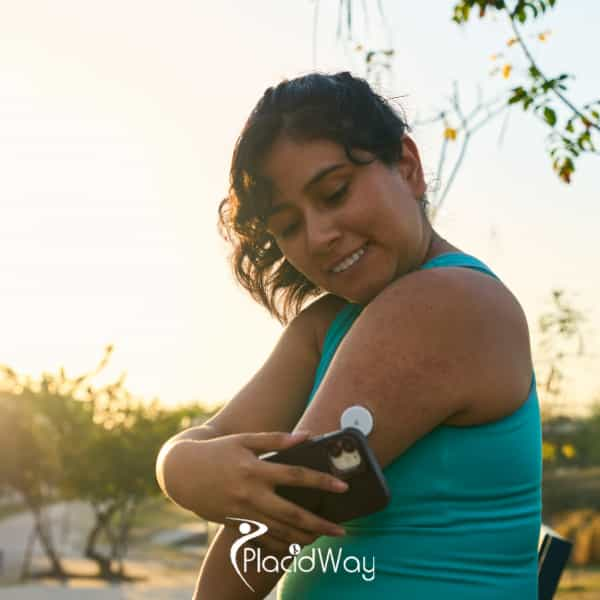
Yes. Standard, evidence-based treatments include insulin therapy, oral hypoglycemic medications, dietary management, exercise, and continuous glucose monitoring systems prescribed by an endocrinologist.
Ready to Explore Your Treatment Options?
Connect with medical facilities to request information, compare clinic credentials, and learn more about treatment availability.
Request Treatment InformationReferences
- FDA Warns About Stem Cell Therapies – U.S. Food and Drug Administration
- Stem Cells and Diabetes Research – American Diabetes Association
- Database of Privately and Publicly Funded Clinical Studies – ClinicalTrials.gov (NIH)
- Stem Cells: What They Are and What They Do – Mayo Clinic
- Patient Handbook on Stem Cell Therapies – International Society for Stem Cell Research (ISSCR)
- Medical Tourism Guidelines – Centers for Disease Control and Prevention (CDC)






















Share this listing