Regenerative Medicines for Rheumatoid Arthritis in united states

Publish date: Modified date: Medically reviewed by: Dr. Alejandro Fernando on Oct 06, 2026 Author: Pinki Sharma
Regenerative Medicines for Rheumatoid Arthritis in united states

Contents

Living with rheumatoid arthritis often feels like a daily negotiation with your own body, and trying to get innovative treatments in places like Canada or the UK usually adds frustrating wait lists to your plate. Many patients find themselves trapped between outdated protocols at home and sky-high out-of-pocket costs for advanced therapies.

That is why a growing number of people are looking to the United States to access modern regenerative medicine for rheumatoid arthritis. Traveling for care should never feel like a blind leap. The United States offers highly regulated clinics, though procedures typically range from $4,000 to $12,000 depending on the exact protocols used. When evaluating facilities here, it is crucial to check for local accreditations like the Joint Commission (JCAHO) or the AAAHC to ensure strict safety standards are met.

Quick Facts at a Glance

Procedure Type
Minimally invasive, outpatient regenerative therapy
Average Cost Range
$4,000 to $12,000 (depending on clinic and protocol)
Anesthesia Used
Local anesthesia for joint injections
Typical Recovery Time
2 to 4 days for initial injection site soreness
Key Accreditations
JCAHO, AAAHC, or state medical board certifications

Coordinating a medical trip can quickly become overwhelming if you have to piece together every appointment, transfer, and consultation yourself. Comprehensive care packages help remove that stress by bundling your treatments, pre-procedure evaluations, and sometimes local accommodations into one clear, manageable plan.

This approach means you can focus entirely on managing your rheumatoid arthritis rather than worrying about unexpected medical bills or navigating a new healthcare system alone. A good package should clearly outline every inclusion and exclusion upfront. Compare the packages below to find an option that provides the right level of support for your journey.

`

Understanding the financial side of your care is a crucial first step in planning your medical travel. In the United States, regenerative medicine for rheumatoid arthritis typically costs between $4,000 and $12,000, depending on the complexity of the therapy and the clinic's specific location.

While this represents a significant out-of-pocket investment, many international patients find the cost worthwhile to bypass long delays in their home healthcare systems. Always ask clinics for a detailed breakdown to ensure there are no hidden fees for follow-up care or laboratory work. Compare the pricing options below to evaluate what fits your budget and medical requirements.

Stem Cell Treatment for Rheumatoid Arthritis Centers Cost Comparison in United States

Provider Procedure Price
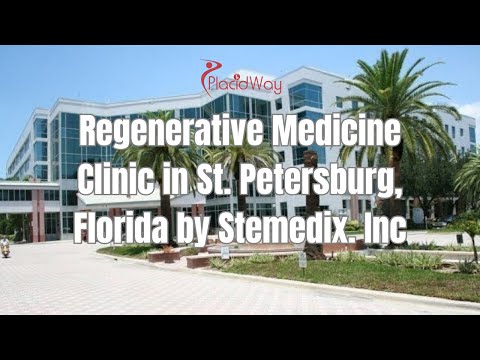
Stemedix, Inc Stem Cell Treatment for Rheumatoid Arthritis, Stem Cell Therapy $7900
Victor Regenerative Medicine Centers Stem Cell Treatment for Rheumatoid Arthritis, Stem Cell Therapy $25000
Amira Integrative Health by MJA Healthcare Stem Cell Treatment for Rheumatoid Arthritis, Stem Cell Therapy $5750

Choosing the right facility for your joint care is about far more than a glossy waiting room or a well-designed website. You want a medical center that prioritizes stringent safety standards and transparent treatment protocols. When evaluating US clinics for regenerative medicine, look closely at their medical team's credentials and ensure they hold state medical board certifications.

It is also highly recommended to verify their laboratory standards and ask exactly how they process biological materials. Knowing a clinic adheres to strict domestic health regulations gives you peace of mind during your medical journey. Take a moment to compare the clinics listed below to see which facility aligns best with your health needs.
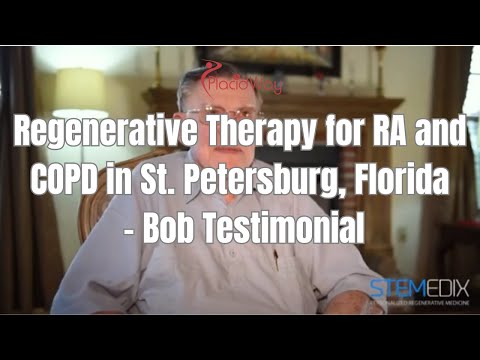
Sometimes, reading about a medical procedure just isn't enough to calm your nerves or answer your practical questions. Watching detailed walkthroughs of the treatment process can help demystify the experience and show you exactly what to expect on the day of your appointment.

Hearing doctors explain their clinical approach on camera also gives you a feel for their bedside manner before you ever step foot in the United States. Video resources can be incredibly empowering when you are trying to make an informed decision from afar. Watch the videos below to gain a clearer perspective on the facilities and therapies available to you.

The most authentic insights often come from those who have already walked the path you are currently considering. Reading firsthand accounts from other rheumatoid arthritis patients can reveal crucial details about a clinic's aftercare support, cleanliness, and the staff's general empathy.

Patient feedback helps you look past the clinical terms to see the real-world impact of the treatment on daily mobility, pain levels, and overall quality of life. It also highlights any potential red flags regarding communication or billing. Read the reviews below to see how other medical travelers rate their experiences and outcomes.

When considering traveling to the United States for advanced joint therapies, it is entirely normal to have questions about safety, logistics, and medical outcomes. Below are some of the most common questions patients ask when planning their procedure.

What exactly is regenerative medicine for rheumatoid arthritis in the US?

In the US, this typically involves using biological materials, such as PRP (platelet-rich plasma) or specific cellular therapies, injected into affected joints. The goal is to help reduce inflammation, modulate the immune response locally, and support tissue repair alongside your standard treatments.

Why do patients travel to the United States for this specific treatment?

Many international patients face long wait times for specialist consultations or lack access to newer biologic therapies in their home countries. The US offers immediate access to state-of-the-art facilities, highly specialized rheumatologists, and advanced processing laboratories.

Are regenerative therapies in the US approved by the FDA?

The FDA heavily regulates regenerative medicine. While some specific cellular products are FDA-approved for certain conditions, many joint injections are considered "off-label" or fall under specific exemptions. It is vital to ask your chosen clinic exactly how their protocols align with current FDA regulations.

How long will I need to stay in the United States for my procedure?

Most clinics recommend staying in the US for 3 to 7 days. This allows time for an initial consultation, the outpatient procedure itself, and a follow-up appointment to monitor your initial recovery before you board a flight home.

Will regenerative medicine replace my current RA medications?

No. Regenerative therapies are meant to be complementary. Rheumatoid arthritis is a systemic autoimmune disease, so you will likely need to continue your disease-modifying antirheumatic drugs (DMARDs) or biologics as prescribed by your primary rheumatologist.

What safety standards should I look for in a US regenerative clinic?

Look for clinics accredited by organizations like JCAHO or AAAHC. Ensure the treating physicians are board-certified in a relevant specialty, such as rheumatology or interventional pain management, and that they process biologics in compliant, sterile laboratories.

How much does regenerative medicine for RA cost in the US?

Prices vary widely based on the specific type of therapy and the number of joints being treated. Generally, patients can expect to pay between $4,000 and $12,000 out-of-pocket, as these procedures are rarely covered by international health insurance.

What does the typical recovery look like before I can fly home?

Expect some mild to moderate swelling and soreness at the injection sites for the first 48 hours. Most patients are cleared to fly within a few days, provided they move around the cabin periodically to prevent stiffness during the flight.

What are the risks of traveling for this procedure?

Risks include infection at the injection site, localized pain, or a lack of clinical response to the treatment. Traveling too soon after treatment without clearance can also increase the risk of blood clots on long-haul flights.

Can my local doctor coordinate care with the US clinic?

Yes, a reputable US clinic will prioritize continuity of care. They should be willing to share your medical records, treatment protocols, and aftercare instructions directly with your primary rheumatologist back home to ensure safe, ongoing monitoring.

Transform Your Smile in 24 Hours with Same Day Dental Implants in Tijuana

Same day dental implants in Tijuana allow suitable patients to receive a dental implant and a temporary crown in a single visit. Estimated costs range from $800 to $1,500 per tooth, offering potential savings compared to US prices. Dealing with missing teeth can be a frustrating and confidence-draining experience. For many patients looking to restore their smiles efficiently, same day dental implants in Mexico have become an appealing option. Tijuana, conveniently located just across the border from San Diego, has grown into a major hub for dental care, attracting thousands of international patients each year seeking quality treatment at more accessible price points. Also known as immediate load implants, this procedure streamlines the traditional dental implant timeline. While traditional methods leave you waiting months for a functional tooth, same day implants aim to provide a temporary, aesthetically pleasing solution on the very day of your surgery. However, determining if this rapid approach is appropriate for your specific dental health requires careful consideration and professional medical evaluation. Key Takeaways Same day implants provide a temporary functional tooth immediately after the titanium post is placed. Adequate jawbone density and excellent oral health are strict requirements for eligibility. You will still need a healing period of several months before permanent crowns can be attached. The procedure requires a strict soft-food diet during the recovery phase to prevent implant failure. Choosing to travel across the border requires careful vetting of clinic credentials and planning for local follow-up care. How exactly do same day dental implants work? Immediate load implants involve placing a titanium post into the jawbone and securely attaching a temporary crown during the very same surgical appointment. The process begins with an in-depth consultation and 3D imaging (CBCT scan) to assess your jawbone structure. If your dentist determines you have enough healthy bone, the surgery proceeds. Any damaged teeth are extracted, and the titanium implant post is precisely inserted into the bone socket. Instead of stitching the gums and sending you home without a tooth, the dentist attaches an abutment and a temporary crown right away. It is critical to understand that the bone has not yet bonded to the implant. This natural fusion process, known as osseointegration, still takes three to six months. The temporary tooth is designed carefully to sit slightly out of your normal bite pattern. This strategic placement ensures that when you chew, you are not putting excessive pressure on the newly placed implant, which could disrupt the healing process. Am I a suitable candidate for a one-day implant procedure? Suitable candidates generally have excellent overall oral health, sufficient jawbone density, and no active gum disease to support immediate implant placement. Not everyone qualifies for same day treatment. Because the implant is subjected to some level of immediate use, the foundational bone must be incredibly stable. During your consultation, an oral surgeon or periodontist will evaluate several factors: Bone Volume: You must have a strong, thick jawbone. If bone grafting is required, you will likely need traditional implants instead. Gum Health: Periodontal disease can introduce bacteria into the surgical site, significantly increasing the risk of implant failure. Lifestyle Habits: Heavy smoking restricts blood flow and severely hampers bone healing. Smokers are often advised against immediate load implants. Bruxism: If you severely grind or clench your teeth (bruxism), the excessive force can knock the new implant loose before it integrates. What is the average same day dental implants cost in Mexico? The estimated same day dental implants cost in Mexico typically ranges from $800 to $1,500 per tooth, varying based on materials, diagnostics, and treatment complexity. Pricing is one of the primary drivers for patients exploring treatment across the border. In the United States or Canada, a single implant with an abutment and crown can frequently exceed $4,000 to $5,000. In contrast, the financial estimates in Tijuana are notably lower due to lower administrative and operational costs, rather than a reduction in material quality. When reviewing quotes, you should ensure you are looking at comprehensive estimates. A transparent quote should outline the cost of the 3D CT scan, the surgical extraction (if needed), the titanium post, the temporary crown, and the final permanent restoration. Keep in mind that full-mouth restorations, such as All-on-4 or All-on-6 procedures, will carry significantly different price structures, usually ranging from $8,000 to $15,000 per arch. What is the difference between same day implants and traditional implants? Traditional implants require an undisturbed healing period of three to six months before any tooth is attached, whereas same day implants provide an immediate temporary tooth. In a traditional dental implant procedure, the surgeon places the post into the jaw and covers it entirely with gum tissue. You then wait several months with either a gap in your teeth or a removable flipper denture while the bone heals. Only after osseointegration is confirmed does the dentist reopen the gum to attach the abutment and crown. The same day approach combines the first two stages. The abutment and a temporary crown are attached immediately. The biological healing process inside the jawbone takes exactly the same amount of time in both methods. The primary difference lies in patient convenience and immediate aesthetics—you do not have to leave the clinic with a gap in your smile. Do I get my permanent teeth on the same day? No, you receive functional, aesthetic temporary teeth on the day of surgery to protect the healing implant. Your permanent restorations are placed months later. Important Consideration: Temporary crowns are crafted from lighter materials like acrylic. They are designed for looks and light function, not heavy chewing. A common misconception is that the "same day" label implies the entire dental reconstruction is finalized in 24 hours. Because the implant has not yet fused with your bone, attaching a heavy, permanent porcelain or zirconia crown would be unsafe. Permanent crowns exert strong bite forces that can easily cause a fresh implant to fail. Once your mouth has completely healed—usually after three to six months—you will return to the clinic. At that point, the dentist will take new impressions of your stabilized gums and craft your customized, durable permanent teeth. What are the potential risks of immediate dental implants? Immediate implants carry risks such as infection, implant micro-movement, nerve damage, and failure to integrate if subjected to excessive chewing forces too soon. All surgical procedures carry inherent risks, and immediate load implants are no exception. The most significant risk unique to this timeline is micro-movement. If the temporary tooth is bumped forcefully or if you chew hard foods too early, the titanium post can shift slightly within the bone. Even a microscopic shift can disrupt osseointegration, leading to the body rejecting the implant. Other general surgical risks include localized infection, injury to adjacent teeth, or sinus issues if an upper jaw implant protrudes into the sinus cavity. It is crucial to have a thorough discussion with your chosen provider regarding your specific risk factors, medical history, and what steps you need to take if complications arise once you return home. How should I prepare for dental implant surgery in Tijuana? Preparation involves consulting with your local dentist, managing underlying health conditions, practicing excellent oral hygiene, and arranging border travel logistics. Planning a medical trip requires diligence. Start by visiting your local dentist for an objective opinion on whether implants are right for you. Obtain copies of your dental records and recent X-rays, though your clinic in Tijuana will likely require a fresh 3D scan upon arrival to ensure precise surgical planning. Medically, you should disclose all medications to your surgeon, especially blood thinners or osteoporosis treatments, as these can affect surgery and healing. Logistically, ensure your passport is up to date. Many patients choose to drive to the border, park on the US side, and walk across, or utilize clinic-provided shuttle services from San Diego airports or border crossings. What does the recovery process look like after same day placement? Recovery typically involves a few days of mild swelling and discomfort, followed by several months of a strict soft-food diet to allow for safe bone integration. In the initial 24 to 48 hours following surgery, you can expect localized swelling, minor bruising, and mild to moderate discomfort. Dentists typically prescribe pain relievers and a short course of antibiotics to prevent infection. Resting and applying ice packs to the outside of your jaw can help manage these immediate symptoms. The long-term recovery phase requires strict dietary discipline. For the next three to four months, you must avoid crunchy, chewy, or hard foods. Sticking to a diet of smoothies, mashed potatoes, scrambled eggs, and soft pasta ensures you do not inadvertently put stress on the healing implant post. How do I choose a same day dental implants clinic in Mexico? Look for facilities with verifiable credentials, modern diagnostic technology, transparent infection control protocols, and specialists specifically trained in implantology. Because dental standards can vary globally, vetting your chosen clinic is the most crucial step you will take. Do not base your decision solely on the lowest price. Instead, prioritize the expertise of the oral surgeon. Look for dentists who have completed specialized postgraduate training in implantology or are affiliated with recognized professional organizations, such as the American Academy of Implant Dentistry (AAID) or local equivalents. During your initial communication with a clinic, ask detailed questions. Inquire about the brand of implants they use (reputable global brands include Straumann, Nobel Biocare, and Zimmer). Ask to see their sterilization protocols and confirm they use on-site 3D CBCT scanners, which are essential for safe, guided implant placement. What role does medical tourism in Mexico play for dental patients? Dental tourism provides an opportunity for individuals to access specialized restorative care at different price points by traveling across international borders. The phenomenon of medical travel has grown exponentially, largely driven by the high cost of healthcare in the US and Canada. Tijuana stands out specifically because of its geographic convenience; many patients can access care with just a short drive or flight to Southern California, avoiding long-haul international flights. However, engaging in medical tourism requires balancing potential financial savings with the realities of travel. You must factor in the costs of transportation, accommodation, and the necessity of returning for follow-up appointments or your permanent crown placement. Establishing a relationship with a local dentist at home who is willing to assist with routine maintenance and emergency issues is a vital component of a responsible medical tourism plan. Why Choose PlacidWay for Medical Tourism Exploration? Researching international healthcare requires access to clear, organized information. PlacidWay serves as a global medical tourism platform designed to help you navigate your options effectively. ? Global Directory Access: PlacidWay provides a comprehensive directory connecting patients with healthcare facilities and dental clinics in numerous international destinations. ? Provider Profiles: The platform offers detailed clinic profiles, allowing you to review facility credentials, specialist qualifications, and available medical technologies. ? Direct Communication: You can use the platform to facilitate direct communication with international clinics, allowing you to ask specific questions about your treatment plan. ? Pricing Transparency: PlacidWay helps you compare estimated treatment costs across different countries, aiding in personal financial planning and budgeting. ? Educational Resources: Access a library of articles and resources explaining various medical and dental procedures to help you make informed decisions about your health. Frequently Asked Questions Are same day dental implants painful? The procedure is performed under local anesthesia, so you should not feel pain during the surgery. Afterward, it is normal to experience some swelling, bruising, and mild discomfort, which can typically be managed with prescribed or over-the-counter pain medications. How long do same day implants typically last? With proper oral hygiene, regular dental check-ups, and a healthy lifestyle, the titanium implant post can potentially last a lifetime. The crown attached to it may need replacement due to normal wear and tear after 10 to 15 years. Can I eat normally immediately after the procedure? No. You must adhere to a strict soft-food diet for several months. Eating hard, crunchy, or chewy foods too soon can cause the implant to shift, which may lead to treatment failure. Do I need a passport to travel to Tijuana for dental care? Yes. If you are traveling from the United States or Canada, a valid passport or an approved WHTI-compliant document is required to cross the border and re-enter your home country. Can bone grafting be done on the same day as the implant? Minor bone grafting can sometimes be performed simultaneously with implant placement. However, if you require significant bone augmentation to support the implant, your dentist will likely recommend completing the graft and allowing it to heal before placing the implant. What materials are used for immediate load implants in Tijuana? Most dental implants are made of biocompatible titanium, though some clinics offer zirconia alternatives. The temporary crowns placed on the first day are usually made from durable acrylic or composite resin. Will my dental insurance cover implants in Mexico? Some US and Canadian dental insurance plans offer partial out-of-network reimbursement for treatments received in Mexico, but many do not. You should check directly with your provider to understand your specific coverage and required documentation. How many trips to Tijuana will I actually need? For same day implants, you will need at least two trips. The first trip is for the surgery and placement of the temporary teeth. A second trip, usually three to six months later, is required to place your permanent, customized crowns. What happens if I experience complications after returning home? It is important to have a local dentist aware of your treatment plan who can assist with urgent post-operative issues. If complications like infection arise, you may need to seek immediate care locally rather than traveling back to the clinic. How do Tijuana dental clinics handle sterilization and hygiene? Reputable clinics follow strict international hygiene protocols, often mirroring ADA or OSHA standards. When researching facilities, you should specifically ask about their sterilization equipment, such as autoclaves, and infection control procedures. Ready to Compare Treatment Options? Explore dental clinics, review credentials, and request detailed treatment information for your dental needs. Request Treatment Information References Dental Implants – American Dental Association (ADA) Dental Implants FAQ – American Academy of Implant Dentistry (AAID) Dental Implant Surgery: Risks & What to Expect – Mayo Clinic Medical Tourism: Travel Health Guidelines – Centers for Disease Control and Prevention (CDC) Oral Hygiene and Dental Care – National Institute of Dental and Craniofacial Research (NIDCR) Your Health Abroad: Medical Tourism – U.S. Department of State Medical Disclaimer: The information provided in this article is for educational and informational purposes only and does not constitute medical advice, diagnosis, or treatment recommendations. Dental implants, including immediate load procedures, carry inherent risks and may not be suitable for every patient. Outcomes, recovery times, and individual eligibility vary significantly. Always consult with a qualified, appropriately licensed healthcare provider or dental specialist before making any decisions regarding medical procedures or international medical travel.

Your treatment's success relies heavily on the expertise of the medical professional administering it. In the United States, regenerative therapies for joint conditions are typically performed by board-certified rheumatologists, orthopedic specialists, or interventional pain physicians.

Look for doctors who have specific, documented experience in treating autoimmune conditions rather than just general orthopedic injuries. Reviewing their educational background, state licensing, and professional affiliations can offer immense peace of mind before you travel. Compare the doctors listed below to find a specialist whose background and approach give you absolute confidence.

The United States remains a top destination for medical travelers seeking advanced regenerative therapies. Patients from Canada, the United Kingdom, and Latin America frequently travel here to access modern treatments that are either unavailable or heavily delayed in their local healthcare systems.

Navigating the US for medical care is generally straightforward, with major medical hubs located near large international airports like LAX in Los Angeles, JFK in New York, and MIA in Miami. English is the primary language, making communication seamless for many international patients, and most major clinics offer exceptional patient concierge services. Below is a quick guide to help you plan your medical trip to the US.

Visa RequirementsESTA or B-2 Tourist Visa required for most international patients seeking short-term medical care.
Major Medical HubsLos Angeles, Miami, New York, Houston, and Chicago.
Local TransportationRideshare apps (Uber/Lyft), taxis, and domestic flights make navigating between cities and clinics highly convenient.
Currency & PaymentUS Dollar (USD). Major credit cards are universally accepted, though international transaction fees may apply.
LanguageEnglish is the primary language, with Spanish widely spoken in major southern and coastal hubs.

Navigating international healthcare options does not have to be a journey you take alone. Our goal is to help you gather the accurate, transparent information you need to make an educated decision about your rheumatoid arthritis care.

From understanding US clinic accreditations to evaluating treatment costs, we can provide the clarity you deserve without any pressure. Take the next step toward exploring your options safely and confidentially.

References

Regenerative Medicines for Rheumatoid Arthritis in united states thumbnail

About Experience

Trusted Medical Tourism Platform Since 2007

60+
Countries
2k+
Clinics
19.5k+
Reviews
2.5k+
Qualified Doctors
1.1M+
Patients Served Since 2007