
Same-Day Dental Implants in Tijuana
Dealing with missing teeth can be a frustrating and confidence-draining experience. For many patients looking to restore their smiles efficiently, same day dental implants in Mexico have become an appealing option. Tijuana, conveniently located just across the border from San Diego, has grown into a major hub for dental care, attracting thousands of international patients each year seeking quality treatment at more accessible price points.
Also known as immediate load implants, this procedure streamlines the traditional dental implant timeline. While traditional methods leave you waiting months for a functional tooth, same day implants aim to provide a temporary, aesthetically pleasing solution on the very day of your surgery. However, determining if this rapid approach is appropriate for your specific dental health requires careful consideration and professional medical evaluation.
Key Takeaways
- Same day implants provide a temporary functional tooth immediately after the titanium post is placed.
- Adequate jawbone density and excellent oral health are strict requirements for eligibility.
- You will still need a healing period of several months before permanent crowns can be attached.
- The procedure requires a strict soft-food diet during the recovery phase to prevent implant failure.
- Choosing to travel across the border requires careful vetting of clinic credentials and planning for local follow-up care.
How exactly do same day dental implants work?
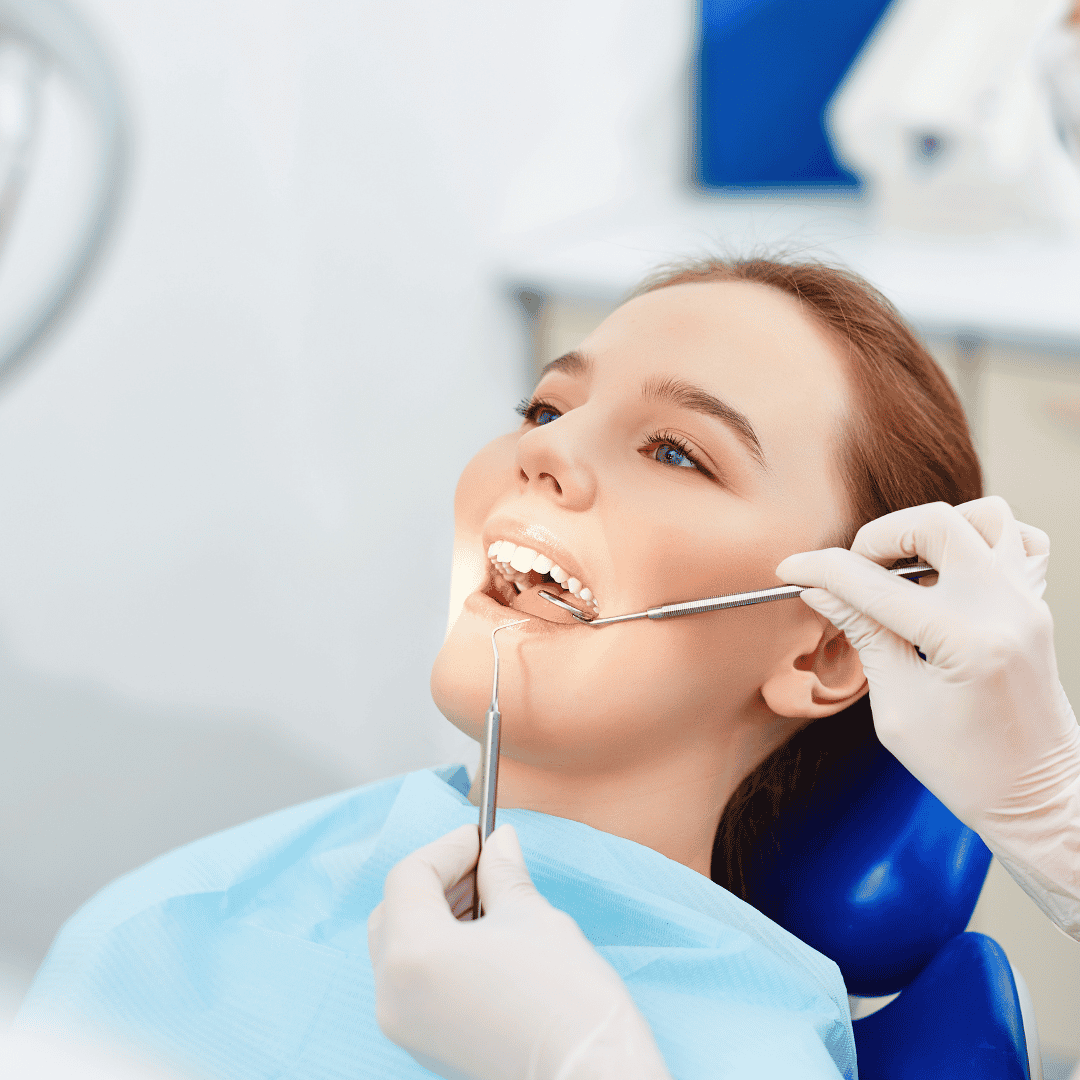
The process begins with an in-depth consultation and 3D imaging (CBCT scan) to assess your jawbone structure. If your dentist determines you have enough healthy bone, the surgery proceeds. Any damaged teeth are extracted, and the titanium implant post is precisely inserted into the bone socket. Instead of stitching the gums and sending you home without a tooth, the dentist attaches an abutment and a temporary crown right away.
It is critical to understand that the bone has not yet bonded to the implant. This natural fusion process, known as osseointegration, still takes three to six months. The temporary tooth is designed carefully to sit slightly out of your normal bite pattern. This strategic placement ensures that when you chew, you are not putting excessive pressure on the newly placed implant, which could disrupt the healing process.
Am I a suitable candidate for a one-day implant procedure?
Not everyone qualifies for same day treatment. Because the implant is subjected to some level of immediate use, the foundational bone must be incredibly stable. During your consultation, an oral surgeon or periodontist will evaluate several factors:
- Bone Volume: You must have a strong, thick jawbone. If bone grafting is required, you will likely need traditional implants instead.
- Gum Health: Periodontal disease can introduce bacteria into the surgical site, significantly increasing the risk of implant failure.
- Lifestyle Habits: Heavy smoking restricts blood flow and severely hampers bone healing. Smokers are often advised against immediate load implants.
- Bruxism: If you severely grind or clench your teeth (bruxism), the excessive force can knock the new implant loose before it integrates.
What is the average same day dental implants cost in Mexico?
Pricing is one of the primary drivers for patients exploring treatment across the border. In the United States or Canada, a single implant with an abutment and crown can frequently exceed $4,000 to $5,000. In contrast, the financial estimates in Tijuana are notably lower due to lower administrative and operational costs, rather than a reduction in material quality.
When reviewing quotes, you should ensure you are looking at comprehensive estimates. A transparent quote should outline the cost of the 3D CT scan, the surgical extraction (if needed), the titanium post, the temporary crown, and the final permanent restoration. Keep in mind that full-mouth restorations, such as All-on-4 or All-on-6 procedures, will carry significantly different price structures, usually ranging from $8,000 to $15,000 per arch.
What is the difference between same day implants and traditional implants?
In a traditional dental implant procedure, the surgeon places the post into the jaw and covers it entirely with gum tissue. You then wait several months with either a gap in your teeth or a removable flipper denture while the bone heals. Only after osseointegration is confirmed does the dentist reopen the gum to attach the abutment and crown.
The same day approach combines the first two stages. The abutment and a temporary crown are attached immediately. The biological healing process inside the jawbone takes exactly the same amount of time in both methods. The primary difference lies in patient convenience and immediate aesthetics—you do not have to leave the clinic with a gap in your smile.
Do I get my permanent teeth on the same day?
A common misconception is that the "same day" label implies the entire dental reconstruction is finalized in 24 hours. Because the implant has not yet fused with your bone, attaching a heavy, permanent porcelain or zirconia crown would be unsafe. Permanent crowns exert strong bite forces that can easily cause a fresh implant to fail.
Once your mouth has completely healed—usually after three to six months—you will return to the clinic. At that point, the dentist will take new impressions of your stabilized gums and craft your customized, durable permanent teeth.
What are the potential risks of immediate dental implants?
All surgical procedures carry inherent risks, and immediate load implants are no exception. The most significant risk unique to this timeline is micro-movement. If the temporary tooth is bumped forcefully or if you chew hard foods too early, the titanium post can shift slightly within the bone. Even a microscopic shift can disrupt osseointegration, leading to the body rejecting the implant.
Other general surgical risks include localized infection, injury to adjacent teeth, or sinus issues if an upper jaw implant protrudes into the sinus cavity. It is crucial to have a thorough discussion with your chosen provider regarding your specific risk factors, medical history, and what steps you need to take if complications arise once you return home.
How should I prepare for dental implant surgery in Tijuana?
Planning a medical trip requires diligence. Start by visiting your local dentist for an objective opinion on whether implants are right for you. Obtain copies of your dental records and recent X-rays, though your clinic in Tijuana will likely require a fresh 3D scan upon arrival to ensure precise surgical planning.
Medically, you should disclose all medications to your surgeon, especially blood thinners or osteoporosis treatments, as these can affect surgery and healing. Logistically, ensure your passport is up to date. Many patients choose to drive to the border, park on the US side, and walk across, or utilize clinic-provided shuttle services from San Diego airports or border crossings.
What does the recovery process look like after same day placement?
In the initial 24 to 48 hours following surgery, you can expect localized swelling, minor bruising, and mild to moderate discomfort. Dentists typically prescribe pain relievers and a short course of antibiotics to prevent infection. Resting and applying ice packs to the outside of your jaw can help manage these immediate symptoms.
The long-term recovery phase requires strict dietary discipline. For the next three to four months, you must avoid crunchy, chewy, or hard foods. Sticking to a diet of smoothies, mashed potatoes, scrambled eggs, and soft pasta ensures you do not inadvertently put stress on the healing implant post.
How do I choose a same day dental implants clinic in Mexico?
Because dental standards can vary globally, vetting your chosen clinic is the most crucial step you will take. Do not base your decision solely on the lowest price. Instead, prioritize the expertise of the oral surgeon. Look for dentists who have completed specialized postgraduate training in implantology or are affiliated with recognized professional organizations, such as the American Academy of Implant Dentistry (AAID) or local equivalents.
During your initial communication with a clinic, ask detailed questions. Inquire about the brand of implants they use (reputable global brands include Straumann, Nobel Biocare, and Zimmer). Ask to see their sterilization protocols and confirm they use on-site 3D CBCT scanners, which are essential for safe, guided implant placement.
What role does medical tourism in Mexico play for dental patients?
The phenomenon of medical travel has grown exponentially, largely driven by the high cost of healthcare in the US and Canada. Tijuana stands out specifically because of its geographic convenience; many patients can access care with just a short drive or flight to Southern California, avoiding long-haul international flights.
However, engaging in medical tourism requires balancing potential financial savings with the realities of travel. You must factor in the costs of transportation, accommodation, and the necessity of returning for follow-up appointments or your permanent crown placement. Establishing a relationship with a local dentist at home who is willing to assist with routine maintenance and emergency issues is a vital component of a responsible medical tourism plan.
Why Choose PlacidWay for Medical Tourism Exploration?
Researching international healthcare requires access to clear, organized information. PlacidWay serves as a global medical tourism platform designed to help you navigate your options effectively.
- ? Global Directory Access: PlacidWay provides a comprehensive directory connecting patients with healthcare facilities and dental clinics in numerous international destinations.
- ? Provider Profiles: The platform offers detailed clinic profiles, allowing you to review facility credentials, specialist qualifications, and available medical technologies.
- ? Direct Communication: You can use the platform to facilitate direct communication with international clinics, allowing you to ask specific questions about your treatment plan.
- ? Pricing Transparency: PlacidWay helps you compare estimated treatment costs across different countries, aiding in personal financial planning and budgeting.
- ? Educational Resources: Access a library of articles and resources explaining various medical and dental procedures to help you make informed decisions about your health.
Frequently Asked Questions
Are same day dental implants painful?
The procedure is performed under local anesthesia, so you should not feel pain during the surgery. Afterward, it is normal to experience some swelling, bruising, and mild discomfort, which can typically be managed with prescribed or over-the-counter pain medications.
How long do same day implants typically last?
With proper oral hygiene, regular dental check-ups, and a healthy lifestyle, the titanium implant post can potentially last a lifetime. The crown attached to it may need replacement due to normal wear and tear after 10 to 15 years.
Can I eat normally immediately after the procedure?
No. You must adhere to a strict soft-food diet for several months. Eating hard, crunchy, or chewy foods too soon can cause the implant to shift, which may lead to treatment failure.
Do I need a passport to travel to Tijuana for dental care?
Yes. If you are traveling from the United States or Canada, a valid passport or an approved WHTI-compliant document is required to cross the border and re-enter your home country.
Can bone grafting be done on the same day as the implant?
Minor bone grafting can sometimes be performed simultaneously with implant placement. However, if you require significant bone augmentation to support the implant, your dentist will likely recommend completing the graft and allowing it to heal before placing the implant.
What materials are used for immediate load implants in Tijuana?
Most dental implants are made of biocompatible titanium, though some clinics offer zirconia alternatives. The temporary crowns placed on the first day are usually made from durable acrylic or composite resin.
Will my dental insurance cover implants in Mexico?
Some US and Canadian dental insurance plans offer partial out-of-network reimbursement for treatments received in Mexico, but many do not. You should check directly with your provider to understand your specific coverage and required documentation.
How many trips to Tijuana will I actually need?
For same day implants, you will need at least two trips. The first trip is for the surgery and placement of the temporary teeth. A second trip, usually three to six months later, is required to place your permanent, customized crowns.
What happens if I experience complications after returning home?
It is important to have a local dentist aware of your treatment plan who can assist with urgent post-operative issues. If complications like infection arise, you may need to seek immediate care locally rather than traveling back to the clinic.
How do Tijuana dental clinics handle sterilization and hygiene?
Reputable clinics follow strict international hygiene protocols, often mirroring ADA or OSHA standards. When researching facilities, you should specifically ask about their sterilization equipment, such as autoclaves, and infection control procedures.
Ready to Compare Treatment Options?
Explore dental clinics, review credentials, and request detailed treatment information for your dental needs.
Request Treatment InformationReferences
- Dental Implants – American Dental Association (ADA)
- Dental Implants FAQ – American Academy of Implant Dentistry (AAID)
- Dental Implant Surgery: Risks & What to Expect – Mayo Clinic
- Medical Tourism: Travel Health Guidelines – Centers for Disease Control and Prevention (CDC)
- Oral Hygiene and Dental Care – National Institute of Dental and Craniofacial Research (NIDCR)
- Your Health Abroad: Medical Tourism – U.S. Department of State




















Share this listing