
Contents
Living with Multiple Sclerosis often feels like your own immune system is playing a cruel prank on your nervous system. For many patients in the UK, Canada, and parts of Europe, waiting lists for advanced therapies are agonizingly long, and available treatments primarily focus on masking symptoms rather than addressing the underlying cellular damage. This frustration leads many to explore regenerative medicine for multiple sclerosis in the United States, where cutting-edge research offers an innovative approach to managing this complex neurological condition.
Before packing your bags for medical travel, it is vital to understand both the financial and regulatory landscape. In the US, investigational regenerative treatments for MS typically cost between $15,000 and $25,000, depending on the clinic and the specific protocol required. When evaluating facilities, prioritize your safety by looking strictly for local accreditations and oversight. Ensure the clinic operates under FDA Investigational New Drug (IND) protocols or holds FACT (Foundation for the Accreditation of Cellular Therapy) accreditation to guarantee high ethical and safety standards.
Key Insights
Navigating medical travel can be overwhelming, which is why many clinics bundle their services into comprehensive programs. These packages typically cover the core cellular therapy, pre-treatment neurological evaluations, and essential follow-up consultations. Some advanced bundles may also include physical therapy sessions or localized ground transportation.
Be sure to ask exactly what is excluded, such as specialized MRI imaging or long-term prescription medication. Clear boundaries prevent unexpected expenses during your trip. Compare the packages below to find an option that provides the right balance of comprehensive care and convenience for your journey.

Price starting from $15,000
Best Stem Cell Therapy Package for MS in United States
PlacidWay US Medical Tourism
- Stem Cell Therapy
Denver, United States
Transparent financial planning is critical when considering advanced autoimmune therapies abroad. Regenerative medicine for multiple sclerosis in the United States generally costs between $15,000 and $25,000. This fee usually encompasses the cell processing, clinical administration, and immediate medical care.
Because domestic health insurance typically does not cover out-of-network international or investigational treatments, precise out-of-pocket budgeting is essential. Always account for separate travel and lodging costs. Compare the costs below to understand current market rates and determine which facility offers the most transparent pricing structure for your situation.
Stem Cell Treatment for Multiple Sclerosis Centers Cost Comparison in United States
| Provider | Procedure | Price |
|---|---|---|
| Stemedix, Inc | Stem Cell Treatment for Multiple Sclerosis, Stem Cell Therapy | $8500 |
| Victor Regenerative Medicine Centers | Stem Cell Treatment for Multiple Sclerosis, Stem Cell Therapy | $25000 |
| Amira Integrative Health by MJA Healthcare | Stem Cell Treatment for Multiple Sclerosis, Stem Cell Therapy | $5750 |
Choosing a facility for regenerative medicine should feel less like booking a hotel and more like interviewing a specialized medical partner. Patients traveling from abroad must look past glossy brochures and demand transparency regarding clinic credentials. Focus on verifying their regulatory compliance status, ethical board oversight, and specific laboratory accreditations like AABB or FACT.
Ensure they have dedicated, board-certified neurologists on staff who specialize in autoimmune disorders. A reputable clinic will readily share their safety protocols and patient management plans. Compare the clinics listed below to see which one aligns best with your medical needs and safety standards.
Victor Regenerative Medicine Centers
New York, United States
Amira Integrative Health by MJA Healthcare
East Stroudsburg, United States
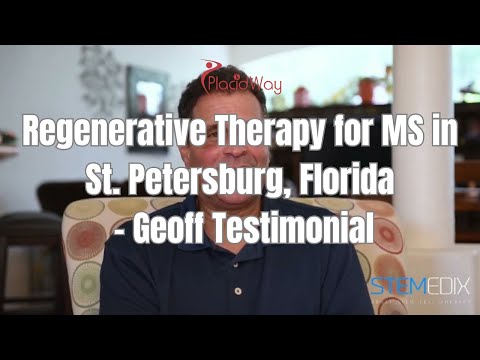
Watching a procedure explained on screen can demystify the science behind cellular therapy and ease pre-travel anxiety. Patient journey videos offer an unvarnished look at the facility environment, the medical team's bedside manner, and the step-by-step treatment process.
They also highlight real experiences from individuals who have navigated similar neurological challenges. Taking the time to watch these insights helps set realistic expectations for your own medical visit. Take a moment to review the videos below to get a clearer picture of what your treatment experience might entail.
Reading firsthand accounts from other MS patients provides invaluable perspective that clinical data simply cannot capture. Authentic reviews reveal crucial details about the daily reality of traveling for treatment, the responsiveness of the nursing staff, and the nuances of post-procedure support.
Look for feedback from international patients who share your specific concerns regarding travel fatigue and communication barriers. Compare the patient reviews below to gauge the consistent quality of care and see which clinic resonates most with your personal expectations.

When traveling for medical care, having clear, fact-based answers is crucial for peace of mind. Below are the most frequently asked questions about undergoing regenerative therapies for MS in the United States.
What does regenerative medicine for MS entail in the US?
It generally involves the administration of mesenchymal stem cells (MSCs) or similar biologics aimed at modulating the immune system and potentially reducing neuroinflammation, though protocols vary by clinic.
Are these treatments FDA-approved for Multiple Sclerosis?
No, regenerative cellular therapies for MS are currently considered investigational and are not formally FDA-approved. Reputable clinics administer them under strict research protocols or Investigational New Drug (IND) applications.
How long do I need to stay in the United States?
Most programs require international patients to stay between 1 to 2 weeks to allow for initial consultations, the treatment itself, and a brief period of medical observation before flying.
Is the procedure painful?
The treatment is typically minimally invasive, often administered via intravenous (IV) drip or intrathecal injection. Patients may experience mild discomfort at the injection site, but it is generally well-tolerated.
What kind of cells are used for MS in the US?
Clinics typically use either autologous cells (harvested from your own body) or ethically sourced allogeneic mesenchymal stem cells derived from umbilical cord tissue.
Will my home country health insurance cover this?
Because these therapies are considered experimental, insurance providers in countries like Canada or the UK rarely cover the costs. Patients should expect to pay out-of-pocket.
How soon might I notice changes after the procedure?
Responses vary widely among individuals. Some patients report improvements in fatigue or mobility within a few weeks, while for others it takes months. There is no guaranteed cure.
What are the main risks associated with this treatment?
Potential risks include temporary fatigue, mild fever, or localized infection at the injection site. More severe immune reactions are rare but highlight the importance of choosing a highly accredited clinic.
Can I fly back home immediately after the treatment?
Doctors strongly advise against flying immediately. You will typically need to remain near the clinic for a few days to monitor for any adverse reactions before enduring a long flight.
Do US clinics provide ongoing follow-up care?
Yes, most reputable facilities offer scheduled telehealth consultations to monitor your progress over several months and will collaborate with your local neurologist back home.
The expertise of your medical team is the single most critical factor in your regenerative therapy journey. For multiple sclerosis, you need a specialist who understands both cutting-edge cellular biology and complex neurology. Look for physicians who are board-certified in neurology or immunology, with documented experience in administering cellular therapies under strict clinical protocols.
Do not hesitate to ask about their complication management plans and how they collaborate with international patients' local doctors. Compare the doctors listed below to find a specialist whose credentials and patient-centric approach match your healthcare needs.
The United States is a global hub for advanced medical research, drawing patients from Canada, the UK, Australia, and beyond who seek innovative therapies for chronic conditions like MS. The country boasts world-class infrastructure, ensuring high standards of clinical hygiene and patient safety. Traveling to the US for medical care requires careful logistical planning, but the highly developed healthcare environment provides reassurance for international visitors.
Most major cities hosting regenerative clinics are highly accessible via international airports. Patients should secure appropriate medical visas (such as the B-2 visa) and ensure their travel insurance covers medical evacuation, as standard policies often exclude experimental treatments.
| Primary Patient Origins | Canada, United Kingdom, Australia, Western Europe |
| Visa Requirements | B-2 Medical Visa or ESTA (depending on origin country) |
| Key Medical Hubs | California, Florida, Texas, New York |
| Accessibility | High ADA compliance, comprehensive medical transport available |
| Ideal Stay Duration | 10 to 14 days for treatment and observation |
Once you arrive, local transportation is highly reliable. Major medical hubs offer comprehensive wheelchair-accessible options, such as specialized medical shuttles and ADA-compliant public transit. Accommodations near medical centers frequently provide extended-stay suites designed specifically for patient recovery, making your stay as comfortable as possible.
Taking the next step toward managing your multiple sclerosis requires reliable information and expert guidance. PlacidWay connects you with fully vetted, accredited clinics in the United States, helping you navigate international medical travel with confidence. We assist with comparing facility credentials, securing transparent pricing, and coordinating your initial consultations. Let us help you find a safe, well-regulated environment for your regenerative therapy.
References
- FDA Warns About Stem Cell Therapies – U.S. Food and Drug Administration
- Stem Cells and MS – National Multiple Sclerosis Society
- Medical Tourism Travel Health – Centers for Disease Control and Prevention
- Cellular Therapy Accreditation – Foundation for the Accreditation of Cellular Therapy
- Clinical Trials for MS and Stem Cells – National Institutes of Health






















Share this listing