


Regenerative Medicine for Multiple Sclerosis in Florida: A New Frontier in Autoimmune Care
Living with an autoimmune condition often feels like fighting an invisible, exhausting battle, but exploring regenerative medicine for multiple sclerosis in Florida offers a profound new beacon of light. For patients like Geoff, the frustrating search for effective symptom management led him away from conventional limitations and toward groundbreaking biological therapies. This specialized approach harnesses the body’s innate healing mechanisms to target neurological inflammation and tissue damage at the cellular level. Read on to discover how advanced cellular treatments are transforming the landscape of autoimmune care, providing tangible improvements in mobility, energy levels, and overall quality of life.
Video Chapters & Quick Navigation
The Daily Reality of Living with Multiple Sclerosis
Multiple Sclerosis is a chronic, often unpredictable disease that attacks the central nervous system. It fundamentally disrupts the flow of information within the brain, as well as the communication between the brain and the rest of the body. This occurs because the immune system mistakenly targets the myelin sheath, the protective coating that insulates nerve fibers.
When this protective myelin is damaged or destroyed, it creates scar tissue, known as sclerosis. These lesions act like roadblocks for neurological signals, leading to a vast array of debilitating physical and cognitive symptoms. Patients frequently experience extreme fatigue, severe muscle spasticity, vision problems, and a progressive loss of motor control that can make walking virtually impossible.
For decades, patients diagnosed with this condition have been told that their only recourse is symptom management through heavy pharmaceuticals. Disease-modifying therapies (DMTs) are typically prescribed to slow the progression of the disease, but they rarely reverse the damage that has already been done. This ongoing struggle leaves many individuals searching desperately for alternative MS treatments in Florida and beyond to reclaim their independence.
What is Regenerative Medicine for Multiple Sclerosis?
Regenerative medicine represents a massive paradigm shift in how medical professionals approach chronic, degenerative, and autoimmune diseases. Rather than simply masking symptoms with synthetic drugs, this field focuses on repairing, replacing, and regenerating damaged human cells and tissues. In the context of neurological conditions, it aims to halt the autoimmune attack and promote the repair of the central nervous system.
The cornerstone of advanced regenerative therapies for autoimmune diseases relies heavily on the use of Mesenchymal Stem Cells (MSCs). These unique, undifferentiated cells possess a remarkable ability to transform into various types of tissue depending on what the body requires. More importantly, MSCs have highly potent anti-inflammatory and immunomodulatory properties, which are critical for patients suffering from overactive immune responses.
When introduced into a patient's body, these cells actively seek out areas of high inflammation through a process known as homing. Once they reach the damaged nerve sites, they begin releasing growth factors and cytokines that help calm the immune system's erratic behavior. This biological intervention is precisely why stem cell therapy for MS patients has gained so much traction in modern medical tourism.
Geoff's Journey to Finding Hope in Florida
Geoff’s story is intimately familiar to anyone who has navigated the frustrating labyrinth of a chronic MS diagnosis. As highlighted in the video at , Geoff began experiencing unexplained numbness in his extremities that slowly evolved into severe mobility restrictions. Traditional medications left him feeling lethargic, immune-compromised, and ultimately defeated as his condition continued to regress.
Refusing to accept a permanent decline, Geoff began researching cutting-edge clinical options outside of his local network. His extensive research eventually guided him toward regenerative medicine for multiple sclerosis in Florida, a state known for hosting some of the nation's most progressive medical wellness centers. As he notes at , the initial consultation finally provided the scientific clarity and genuine hope he had been missing.
During his treatment protocol, Geoff received millions of viable, ethically sourced stem cells via intravenous infusion. The procedure itself was minimally invasive, requiring no downtime, allowing him to rest comfortably while the biological agents went to work. By the time he reports his post-treatment progress at , Geoff experiences a profound reduction in brain fog and a noticeable return of strength in his legs.
Breaking Down the Science of Advanced Cellular Therapies
To truly appreciate the results seen by patients like Geoff, it is vital to understand the intricate biological mechanisms at play. The efficacy of stem cell therapy for MS patients relies on three distinct pillars of healing. These biological pillars work in unison to change the physiological environment of the patient's body from a state of disease to a state of repair.
1. Powerful Immunomodulation
The primary issue in Multiple Sclerosis is an immune system that cannot differentiate between foreign pathogens and the body's own healthy tissue. Mesenchymal Stem Cells act as biological managers, sending chemical signals that instruct rogue T-cells and B-cells to stand down. This process, known as immunomodulation, effectively turns off the autoimmune attack without completely suppressing the patient's ability to fight off normal infections.
2. Neuroprotection
Once the inflammatory attack is subdued, the next critical phase involves protecting the surviving nerve cells from further degradation. The stem cells release specific proteins and exosomes that create a highly protective microenvironment around the central nervous system. This neuroprotective shield helps to stabilize the patient's condition, actively preventing the formation of new sclerotic lesions on the brain and spinal cord.
3. Potential Remyelination
The holy grail of autoimmune neurological treatment is the actual repair of the damaged myelin sheath. While research is continually evolving, clinical evidence suggests that the growth factors secreted by MSCs stimulate the body's own oligodendrocyte progenitor cells. These native cells are responsible for creating new myelin, offering the potential for true neurological restoration and improved motor function.
Why Florida is Becoming a Hub for Regenerative Therapies
When exploring alternative MS treatments, geographical location plays a surprisingly significant role in the quality of care available. Florida has rapidly emerged as a premier destination for domestic medical tourism, particularly in the fields of longevity and cellular medicine. The state boasts a dense concentration of highly specialized physicians who have dedicated their practices entirely to advanced regenerative therapies for autoimmune diseases.
Furthermore, Florida's regulatory environment allows for stringent safety protocols while simultaneously embracing innovative medical advancements. Clinics here adhere to strict FDA compliance guidelines regarding the processing and administration of human cellular tissue products (HCT/Ps). This ensures that patients receive treatments that are not only cutting-edge but also exceptionally safe and meticulously screened.
Beyond the clinical expertise, the warm climate and relaxing environment of Florida contribute significantly to the patient healing process. Chronic stress and cold weather are known triggers for autoimmune flare-ups, making a temperate, sun-rich environment ideal for recovery. Patients frequently combine their treatment schedules with wellness retreats, turning a medical necessity into a restorative, holistic healing experience.
Comparing Traditional MS Treatments vs. Regenerative Approaches
Navigating the healthcare landscape requires a clear understanding of how different medical philosophies approach the same disease. Traditional medicine generally relies on pharmaceutical interventions that are taken daily or infused monthly to manage symptoms and suppress the immune system. While these can be effective at reducing relapse rates, they often come with a heavy toll on the patient's overall well-being.
Conversely, cellular treatments view the body as an ecosystem that requires biological rebalancing rather than chemical suppression. To make an informed decision regarding your health, it is essential to compare the core differences between these two methodologies. The table below outlines the primary distinctions between standard disease-modifying therapies and advanced regenerative medicine for multiple sclerosis in Florida.
| Feature | Traditional MS Therapies (DMTs) | Regenerative Medicine (Stem Cells) |
|---|---|---|
| Primary Goal | Manage symptoms and slow disease progression. | Halt autoimmune attack and promote tissue repair. |
| Immune Impact | Broad immunosuppression, increasing risk of infections. | Targeted immunomodulation, balancing the immune system. |
| Treatment Frequency | Daily pills, weekly injections, or monthly chemical infusions. | Typically a concentrated protocol lasting a few days, repeated only if necessary. |
| Side Effects | Nausea, liver damage, severe fatigue, hair loss, organ strain. | Mild, temporary fatigue or slight fever post-infusion. |
Evaluating the Cost of Stem Cell Therapy for MS
A major consideration for any patient exploring advanced healthcare options is the financial investment required to undergo treatment. The cost of stem cell therapy for MS can vary significantly based on the clinic's location, the source of the stem cells, and the specific dosage required for the patient's severity. In reputable clinics across Florida, comprehensive treatment packages typically range between $8,000 and $25,000.
It is important to understand that because these treatments utilize naturally occurring biological substances, they cannot be patented in the same way synthetic drugs are. As a result, regenerative medicine is currently classified differently by the FDA and is almost never covered by traditional health insurance providers. Patients must approach this financial commitment as an out-of-pocket investment in their long-term health and mobility.
However, when weighing the costs, one must also calculate the lifelong financial burden of managing a progressive chronic illness. The cumulative expenses of monthly specialty pharmaceuticals, physical therapy, mobility aids, and lost wages due to disability often dwarf the one-time cost of regenerative therapies. Many patients find that investing in stem cell protocols ultimately saves them money by drastically reducing their dependency on the traditional healthcare system.
Preparing for Your Regenerative Medicine Consultation
Taking the leap into cellular medicine requires thorough preparation to ensure the body is optimally primed to receive the biological agents. The success of advanced regenerative therapies for autoimmune diseases relies not just on the quality of the cells, but on the physiological environment they are entering. Leading clinics in Florida will guide you through a comprehensive pre-treatment protocol to maximize your clinical outcomes.
Patients are typically advised to adopt an anti-inflammatory diet several weeks prior to their scheduled infusion. Eliminating processed sugars, refined carbohydrates, and alcohol helps reduce systemic inflammation, giving the newly introduced stem cells a clearer path to target the neurological damage. Additionally, certain medications may need to be temporarily paused under a doctor's supervision to prevent interference with the cellular signaling process.
When scheduling your consultation for alternative MS treatments in Florida, it is highly recommended to come prepared with specific questions. Becoming an educated advocate for your own health is the first vital step toward achieving the remission you deserve. Consider asking the following critical questions during your clinic evaluation:
- What is the cell source? Ensure the clinic uses ethically sourced, vigorously screened Wharton's Jelly-derived mesenchymal stem cells for maximum potency.
- What is the expected cell count? Therapeutic outcomes for neurological conditions require high cell viability and high dosage, typically in the tens of millions.
- What are the supportive therapies? Ask if the clinic includes hyperbaric oxygen therapy, IV nutrition, or peptide therapy to support the stem cell integration.
- How is post-treatment follow-up handled? A reputable clinic will have a structured system to monitor your progress at the 3-month, 6-month, and 12-month marks.
Managing multiple sclerosis symptoms naturally and biologically is no longer a futuristic concept; it is an accessible reality for those willing to explore beyond standard care. Geoff’s success story serves as a powerful testament to the resilience of the human body when given the proper cellular tools. By taking control of your healthcare journey, you open the door to a life defined by possibilities rather than limitations.
Ready to Reclaim Your Mobility and Health?
PlacidWay Medical Tourism connects you with top-rated regenerative medicine clinics in Florida. Discover personalized stem cell therapies designed to target autoimmune conditions and help you regain your quality of life.
REQUEST FREE INFORMATION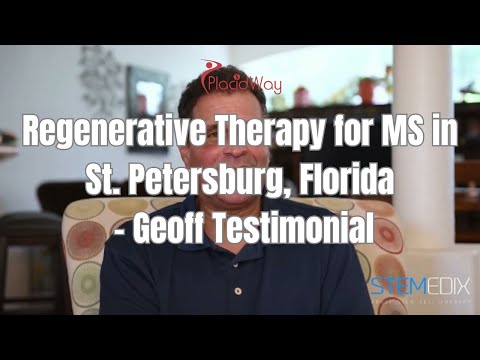










.png)









Share this listing