
Improving Surgical Targeting: Robotic DBS Surgery in Saudi Arabia
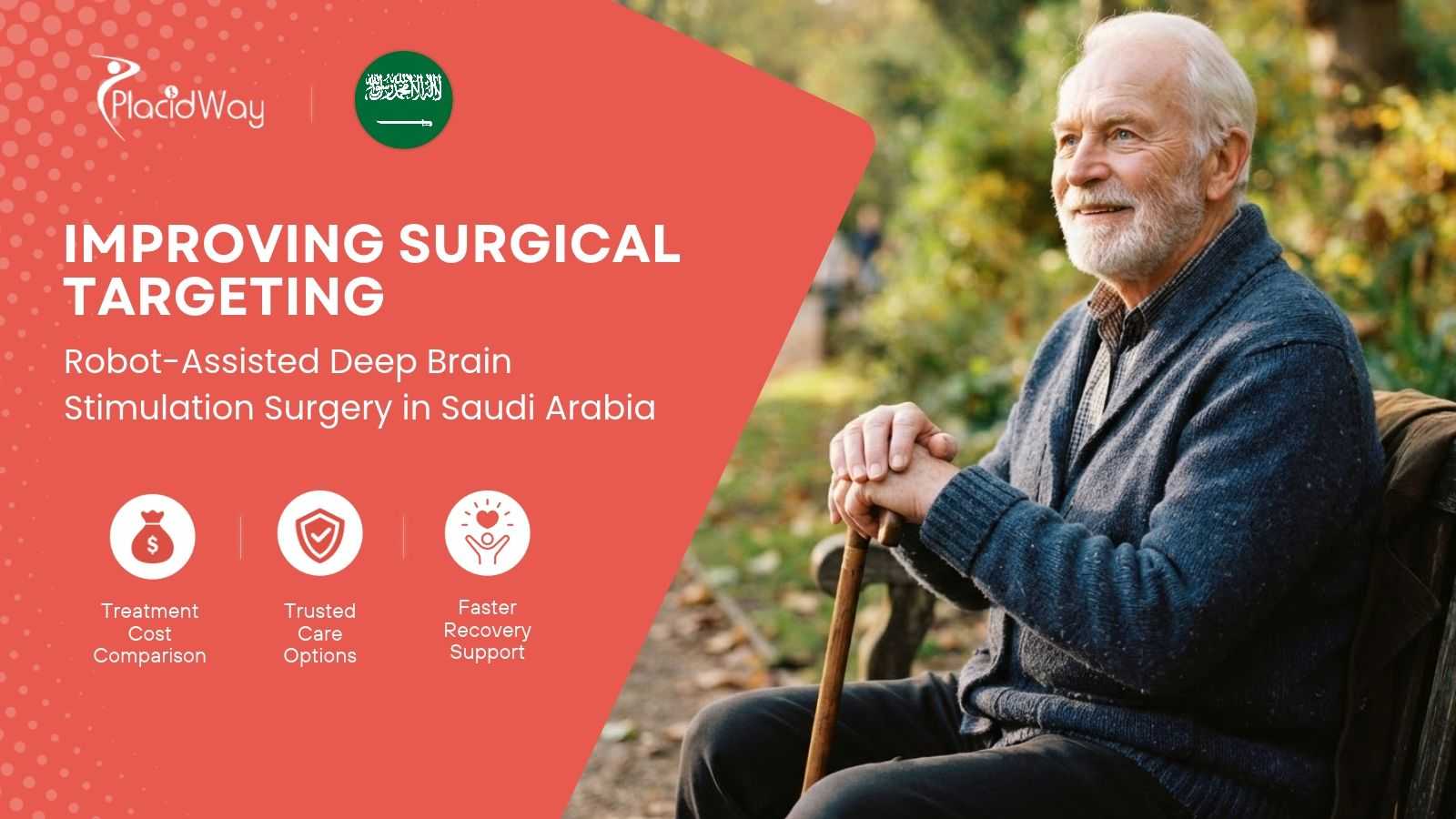
Discover how Robot-Assisted Deep Brain Stimulation in Saudi Arabia integrates advanced robotic guidance, real-time navigation, and precise electrode placement to support the treatment of selected movement disorders. By combining detailed brain imaging with specialized neurosurgical expertise, this innovative approach helps clinicians target specific brain regions involved in symptoms such as tremors, muscle rigidity, and dystonia. At King Faisal Specialist Hospital and Research Centre (KFSHRC), this integrated technology advances precision in complex neurosurgical procedures, while treatment suitability, symptom improvement, and recovery depend on each patient's individual condition.
Quick Summary
- Pioneering Technology: King Faisal Specialist Hospital and Research Centre (KFSHRC) in Riyadh, Saudi Arabia, utilizes an integrated robotic guidance system for Deep Brain Stimulation (DBS) to treat severe movement disorders.
- Submillimeter Precision: Integrated robotic guidance combines high-resolution imaging and real-time navigation to place electrodes deep within sensitive subcortical targets with submillimeter accuracy.
- Streamlined Surgical Workflow: By replacing traditional frame-based steps with unified planning and execution, robotic neurosurgery reduces manual step handoffs and coordinate transfer errors.
- Target Conditions: DBS is evaluated for patients with Parkinson’s disease, essential tremor, dystonia, and medication-refractory motor fluctuations.
- Global Recognition: KFSHRC Saudi Arabia ranked 1st in the Middle East and North Africa region and 12th globally among the world's top 250 academic medical centers in 2026.
- Patient-Centric Benefits: Potential advantages include smaller surgical incisions, reduced operating time, minimal tissue disruption, and faster postoperative recovery under multidisciplinary supervision.
- Financial Clarity: All surgical evaluations, imaging, and neurostimulator implantation costs are calculated transparently in USD.
Featured Center of Excellence
Hospital Profile
King Faisal Specialist Hospital and Research Centre (KFSHRC)
Location: Riyadh, Saudi Arabia
Recognized as a leading global academic medical facility, KFSHRC offers state-of-the-art Robotic DBS Surgery in Saudi Arabia under its Neuroscience Centre of Excellence. The hospital pioneered Middle East and North Africa integrated robotic neurosurgery for complex movement disorders.
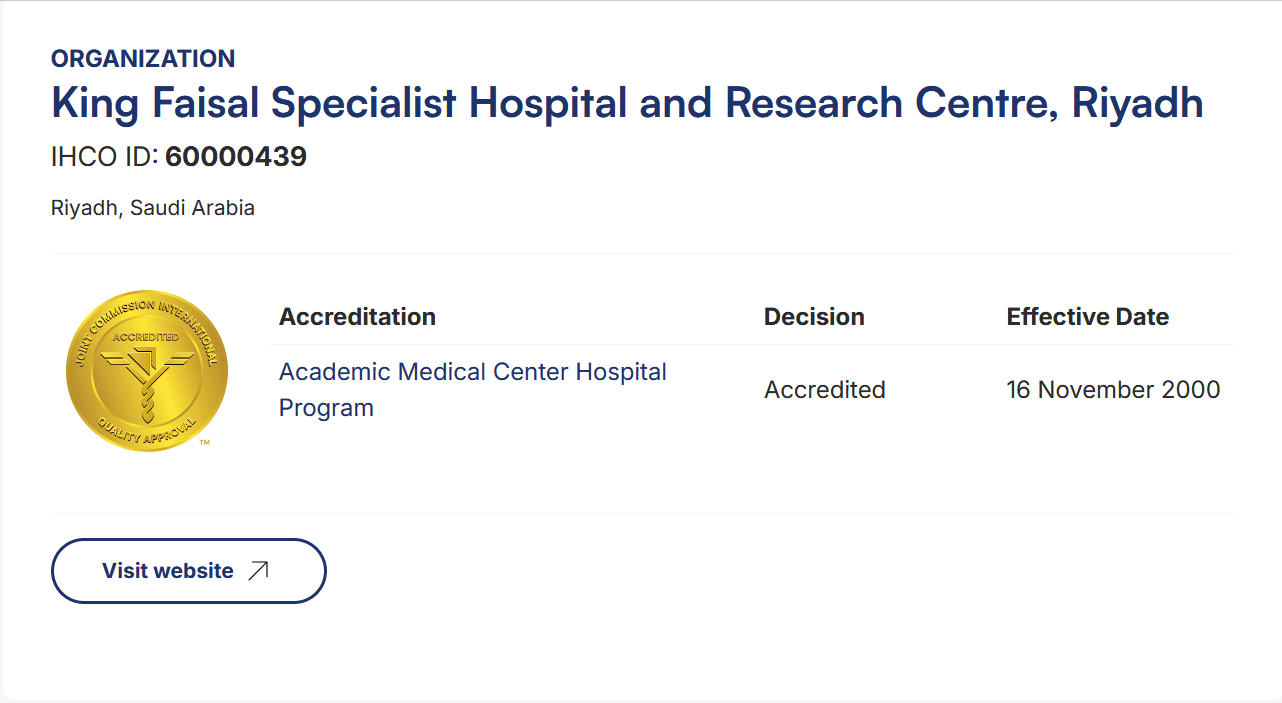 Ranked #1 in MENA & #12 Globally among Academic Medical Centers (2026)
Understanding Movement Disorders and Their Impact on Daily Life
Movement disorders represent a complex category of neurological conditions characterized by abnormal, involuntary muscle movements or impaired voluntary motor control. Disruptions in deep brain structures—specifically the basal ganglia and thalamic circuits—interfere with the smooth transmission of electrical signals that coordinate muscle activity.
As these conditions progress, individuals often face increasing difficulty maintaining motor stability. Simple daily tasks such as writing, eating, walking, or buttoning a shirt can become exceptionally challenging. When conservative medical management no longer provides adequate symptom relief, patients and clinical teams evaluate advanced interventions such as Robotic DBS Surgery in Saudi Arabia to restore motor function and personal autonomy.
Motor Fluctuations
Unpredictable "on-off" cycles where oral medications lose consistent effectiveness over time.
Functional Impairment
Progressive difficulty in performing basic personal care, work duties, and recreational activities.
Social Impact
Reduced mobility leading to decreased social engagement, physical fatigue, and emotional strain.
Common Symptoms That May Lead to Deep Brain Stimulation Evaluation
Patients undergoing functional neurosurgical evaluation for Movement Disorder Surgery in Saudi Arabia often exhibit persistent motor symptoms that severely impact functional independence. Key clinical indicators include:
- Tremors affecting the hands, arms, legs, or head: Rhythmic, involuntary shaking that occurs at rest or during intentional movements.
- Muscle stiffness and rigidity: Increased muscle tone causing persistent resistance, discomfort, and painful limb tightness.
- Slowness of movement (Bradykinesia): Delay in initiating voluntary actions and general reduction in physical execution speed.
- Balance problems and gait changes: Postural instability, shuffling steps, or sudden freezing during walking.
- Involuntary movements or motor fluctuations: Drug-induced dyskinesia or wearing-off effects between medication doses.
- Loss of daily independence: Inability to handle meals, hygiene, dressing, or household responsibilities unassisted.
What Is Deep Brain Stimulation and How Does It Work?
Deep Brain Stimulation (DBS) is an established neurosurgical procedure involving the precise surgical implantation of thin, insulated wires (electrodes) into targeted subcortical nuclei within the brain. These electrodes connect via extension wires to a small pulse generator (IPG)—often called a brain pacemaker—implanted beneath the skin near the collarbone.
The implanted pulse generator delivers controlled electrical impulses to specific neural pathways, such as the subthalamic nucleus (STN), globus pallidus interna (GPi), or ventral intermediate nucleus (VIM) of the thalamus. These electrical signals disrupt erratic, abnormal neuronal firing patterns responsible for disabling motor symptoms without permanently destroying brain tissue.
KFSHRC Academic Medical Center Rankings
Reported 2026 positions · Global and regional standing
Source: KFSHRC news report, 2026. The global and MENA figures represent separate ranking categories. The connecting lines are visual guides, not a time trend.
Which Neurological Conditions May Be Treated With Deep Brain Stimulation?
Functional neurosurgeons at King Faisal Specialist Hospital and Research Centre evaluate DBS for a range of motor disorders when pharmaceutical options prove insufficient:
Parkinson’s Disease
Evaluated for disabling tremors, muscular rigidity, slow movement, and motor fluctuations resistant to levodopa adjustments.
Essential Tremor
Targets action and postural tremors affecting the hands and arms, restoring the ability to hold cups, write, and eat.
Dystonia
Addresses segmental or generalized dystonia characterized by sustained, painful muscle contractions and abnormal twisting postures.
How Robotic Assistance Supports Precision in DBS Electrode Placement
Placing electrodes inside subcortical targets requires millimeter-level precision. Targets like the subthalamic nucleus measure only a few millimeters in width and lie deep within the brain near critical vascular and functional structures.
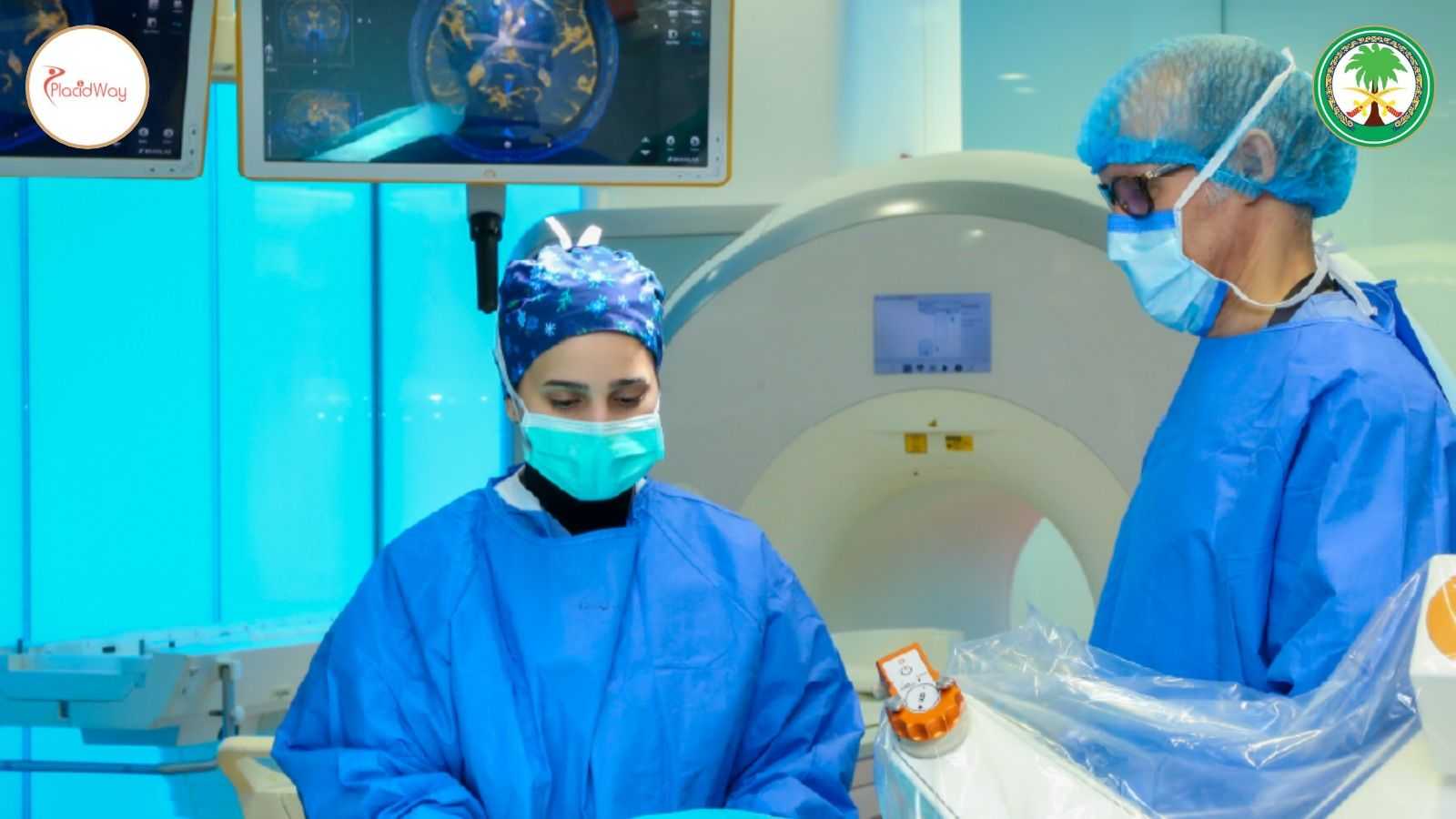
At KFSHRC Saudi Arabia, the integrated robotic platform transforms traditional neurosurgical guidance by unifying pre-operative high-resolution imaging (MRI/CT), intraoperative real-time navigation, and mechanized robotic positioning arms into one continuous digital workflow. Key clinical advancements include:
| Technological Feature | Clinical Function | Surgical Advantage |
|---|---|---|
| Submillimeter Target Accuracy | Robotic arm aligns trajectory precisely along planned trajectory angles. | Minimizes risk of off-target stimulation and side effects. |
| Frameless Navigation Integration | Connects intraoperative scanning with automated arm trajectory positioning. | Eliminates heavy, rigid stereotactic head frames for enhanced patient comfort. |
| Streamlined Digital Workflow | Direct digital coordinate transfer between imaging and robotic arm. | Reduces manual calculation steps and likelihood of human transcribing errors. |
| Optimized Operating Time | Automated multi-axis mechanical positioning. | Reduces total operating room duration and anesthesia exposure. |
Evaluating Patients for Robot-Assisted Deep Brain Stimulation Surgery
Robotic DBS surgery requires thorough patient selection to confirm candidates will achieve meaningful clinical improvement. Screening for Robotic Neurosurgery in Saudi Arabia includes:
Neurological & Motor Audit
- Confirmation of diagnosis (e.g., idiopathic Parkinson's)
- Formal levodopa challenge testing to assess motor responsiveness
- Documentation of daily motor fluctuations and dyskinesia severity
Neuroimaging & Anatomical Review
- High-resolution 3T MRI brain imaging
- CT angiogram mapping to identify vascular structures along trajectories
- Exclusion of severe structural brain atrophy or vascular lesions
Cognitive & Medical Screening
- Neuropsychological testing to rule out dementia or severe depression
- General medical fitness evaluation for neuroanesthesia
- Realistic patient and caregiver expectation alignment
Key Stages of Robot-Assisted Deep Brain Stimulation Surgery
| Surgical Stage | Procedure Steps | Robotic & Clinical Integration |
|---|---|---|
| 1. Trajectory Planning | Surgeons map electrode paths on 3D computer models using fused MRI/CT scans. | Identifies safe entry points avoiding blood vessels and sulci. |
| 2. Registration & Setup | Patient position is registered to the optical tracking and robotic platform. | Aligns virtual surgical plans with physical patient anatomy in real time. |
| 3. Robotic Guidance | Robotic arm automatically articulates to the pre-planned entry angle. | Provides rigid, high-precision alignment for micro-burr hole creation. |
| 4. Electrode Insertion & Testing | Lead wires are guided into deep brain nuclei; microelectrode recordings test feedback. | Confirms optimal cellular electrical response and checks for side effects. |
| 5. Pulse Generator Implantation | Extension wires are tunneled under the skin to the subclavicular IPG battery unit. | Completes the fully enclosed, internal stimulation system setup. |
The Role of Multidisciplinary Teams in DBS Treatment Planning
Successful execution of Neurological Disorders Treatment in Saudi Arabia relies on comprehensive collaboration among specialized healthcare disciplines. At King Faisal Specialist Hospital and Research Centre (KFSHRC), every DBS candidate is managed by a multidisciplinary team within the Neuroscience Centre of Excellence:
Movement Disorder Neurologists
Manage long-term medication optimization, patient candidate selection, and post-surgical pulse generator programming.
Functional Neurosurgeons
Perform surgical planning, trajectory mapping, robotic registration, and precise electrode implantation.
Neuroradiologists & Engineers
Oversee high-field MRI image fusion, software trajectory planning, robotic calibration, and microelectrode recording support.
Recovery, Device Programming, and Follow-Up After DBS Surgery
Postoperative care begins in a specialized neuro-intensive or step-down unit where neurological status, vital signs, and surgical wounds are closely monitored. Immediate post-surgical CT or MRI scans are conducted to confirm exact electrode placement and rule out intracranial hemorrhage.
Initial device programming typically takes place a few weeks after surgery, allowing temporary brain tissue swelling (micro-lesion effect) to subside. During programming visits, the movement disorder neurologist fine-tunes electrical parameters—voltage, pulse width, frequency, and active contact points—to optimize symptom control while preventing side effects.
Medication Adjustment Note: As stimulation parameters are optimized over initial follow-up visits, neurologists often gradually reduce oral dopaminergic medication dosages, helping diminish drug-induced dyskinesia and side effects.
Potential Benefits, Risks, and Limitations of Robot-Assisted DBS
Potential Clinical Benefits
- Significant reduction in motor symptoms (tremors, rigidity, slowness).
- Increased daily "on" time without troublesome involuntary dyskinesia.
- Potential reduction in daily oral medication requirements.
- Improved functional independence, mobility, and sleep quality.
- Reversible and adjustable therapy tailored to evolving symptoms over time.
Possible Surgical Risks & Limitations
- Surgical risks: infection (1-3%), lead displacement, or localized bleeding.
- Hardware complications: lead fracture, extension erosion, or battery depletion.
- Stimulation side effects: transient tingling, speech slurring, or muscle pulling.
- DBS does not cure underlying neurodegeneration or fix non-motor symptoms (e.g., memory loss).
- Requires ongoing commitment to medical follow-up visits and device battery management.
Comparing Robot-Assisted DBS With Conventional Placement Techniques
| Feature / Metric | Robot-Assisted DBS Surgery | Conventional Frame-Guided DBS |
|---|---|---|
| Target Alignment | Automated robotic positioning arm with submillimeter accuracy. | Manual coordinate adjustment using mechanical arc frames. |
| Workflow Steps | Integrated imaging, planning, and mechanical navigation system. | Multiple manual transfer steps between planning software and frame. |
| Patient Comfort | Frameless options or lightweight head holders; less rigid pin compression. | Requires heavy, rigid stereotactic frame bolted to the skull. |
| Operating Room Time | Shorter surgical setup duration due to automated arc positioning. | Longer operating time for manual frame adjustment and verification. |
| Human Error Potential | Minimized through direct digital coordinate transfer. | Higher reliance on manual coordinate transcribing and dial setting. |
Accessing Advanced Functional Neurosurgery in Saudi Arabia
Saudi Arabia has established itself as a medical destination for advanced tertiary healthcare, complex functional neurosurgery, and robotic interventions across the Middle East and globally. Institutions like King Faisal Specialist Hospital and Research Centre (KFSHRC) in Riyadh feature dedicated international patient coordinator services, multi-lingual support, and integrated care pathways.
All treatment evaluations, surgical planning packages, diagnostic imaging fees, and neurostimulator hardware options are provided with transparent financial breakdowns calculated in USD. Prospective patients should arrange preliminary medical record reviews and virtual consultations with movement disorder specialists before traveling.
Planning Takeaway: Ensure recent brain MRI scans (3T preferred), detailed medication logs, and neurological history reports are translated and submitted for panel review prior to travel scheduling.
Frequently Asked Questions
What is Robot-Assisted Deep Brain Stimulation surgery?
Robot-Assisted DBS surgery combines high-resolution brain imaging, computer software planning, and automated robotic positioning arms to guide neurosurgeons in placing stimulation electrodes into deep brain nuclei with submillimeter precision.
How does robotic DBS differ from traditional frame-guided DBS?
Robotic DBS replaces manual frame coordinate settings with automated mechanical trajectory positioning. This streamlines surgical steps, reduces manual calculation handoffs, decreases operating room time, and improves patient comfort.
Which conditions are evaluated for DBS at King Faisal Specialist Hospital?
KFSHRC evaluates patients with Parkinson's disease, essential tremor, dystonia, and selected medication-refractory movement disorders whose symptoms are not adequately controlled by oral medications.
Does Deep Brain Stimulation cure Parkinson's disease?
No, DBS does not cure underlying neurodegenerative conditions. However, it significantly reduces disabling motor symptoms such as tremors, rigidity, and slowness, restoring motor function and quality of life.
Is the patient awake or under general anesthesia during robotic DBS?
Robotic DBS can be performed under awake conditions (with local anesthesia to allow intraoperative testing of tremor relief) or under general anesthesia ("asleep DBS") using intraoperative imaging and microelectrode recording verification.
What currency is used for medical estimates in Saudi Arabia?
For international medical travelers, surgical quotes, diagnostic packages, and institutional cost estimations are provided in USD for clear financial planning.
How long is the hospital stay after robotic DBS surgery?
Most patients spend 2 to 4 days in the hospital for observation, wound healing checks, and initial post-surgical imaging before discharge to local accommodations.
When is the DBS pulse generator programmed after surgery?
Initial stimulation programming typically occurs 2 to 4 weeks after surgery once minor surgical brain tissue swelling resolves. Fine-tuning continues over several follow-up visits.
What are the potential surgical risks of DBS?
Surgical risks include localized infection, wound healing problems, intracranial hemorrhage (1-2%), hardware lead displacement, or temporary stimulation side effects like tingling or speech slurring.
How does KFSHRC rank globally among academic medical centers?
In 2026, King Faisal Specialist Hospital and Research Centre ranked 1st in the Middle East and North Africa region and 12th globally among the world's top 250 academic medical centers.
Inquire About DBS Surgery at KFSHRC Saudi Arabia
PlacidWay can assist you in connecting with King Faisal Specialist Hospital and Research Centre, reviewing procedure details, obtaining itemized surgical estimates in USD, and coordinating pre-travel evaluations. Request personalized medical information for Robotic DBS Surgery in Saudi Arabia and schedule a consultation with leading movement disorder specialists in Riyadh today.
Request DBS Surgery InformationDisclaimer: This content is provided for educational and informational purposes only and does not constitute medical advice, diagnosis, or treatment planning. Deep Brain Stimulation requires specialized neurological evaluation. Always consult qualified healthcare professionals regarding medical conditions, surgical risks, and treatment options.
References:
- World Health Organization (WHO) — Neurological Disorders & Global Health Guidelines
- Parkinson's Foundation — Surgical Treatments & Deep Brain Stimulation Overview
- International Parkinson and Movement Disorder Society (MDS) — Clinical Practice Guidelines
- American Association of Neurological Surgeons (AANS) — Deep Brain Stimulation Surgery
- European Association of Neurosurgical Societies (EANS) — Functional Neurosurgery Standards
- International Essential Tremor Foundation (IETF) — Surgical Intervention Resources






















Share this listing