


Seeking effective solutions for neurological conditions can be overwhelming, but undergoing specialized Multiple Sclerosis rehabilitation in Turkey offers patients access to world-class medical expertise and cutting-edge technology. Multiple Sclerosis (MS) is a complex, chronic disease affecting the central nervous system, leading to a wide array of physical and cognitive challenges. As the immune system mistakenly attacks the protective myelin sheath covering nerve fibers, communication between the brain and the rest of the body is disrupted.
Medical facilities abroad are increasingly recognized for their advanced neuro-rehabilitation protocols. Specialized treatment centers focus on highly individualized care, ensuring that every patient receives a targeted therapeutic approach. By combining conventional physical therapy with state-of-the-art robotic systems and aquatic environments, medical professionals can significantly alter the trajectory of MS symptoms. This comprehensive strategy is designed not just to manage the disease, but to actively restore independence and enhance the daily living experience for those affected.
Video Chapters
Understanding Multiple Sclerosis and the Need for Physical Rehabilitation
Multiple Sclerosis presents uniquely in every individual, driven by the formation of lesions or plaques within the brain and spinal cord. As highlighted by specialists [00:08], these lesions disrupt normal neurological signaling, resulting in a varied spectrum of clinical symptoms. The location of these inflammatory attacks dictates whether a patient will experience visual disturbances, motor deficits, or cognitive decline.
Common symptoms observed during clinical assessments include profound weakness in the upper and lower extremities, varying degrees of sensory loss, and severe balance impairments. Patients frequently report distressing numbness or tingling sensations, alongside gait abnormalities that severely restrict mobility [00:30]. Less common but equally impactful symptoms involve speech dysarthria and neurogenic bladder dysfunction.
A pervasive and often debilitating symptom is an extreme intolerance to heat and profound chronic fatigue. Because the disease manifests so differently among young and middle-aged adults, a standardized treatment approach is highly ineffective. This necessitates the implementation of specialized rehabilitation for multiple sclerosis programs tailored entirely to the specific neurological deficits of the patient.
Comprehensive Assessment and Personalized MS Treatment Plans
Medical management, including disease-modifying therapies, forms the first line of defense in slowing MS progression. However, medical treatment alone is insufficient to manage the physical manifestations of the disease [00:45]. This is where a structured rehabilitation program becomes a vital, primary step in maintaining patient independence.
The ultimate goal of neuro-rehabilitation is to maximize the patient's functional autonomy in their daily life. To achieve this, a multidisciplinary team is essential [01:10]. This team typically consists of specialized neurology physicians, dedicated physiotherapists, and skilled occupational therapists who collaborate to design a comprehensive care pathway.
Before any therapeutic intervention begins, patients undergo exhaustive clinical evaluations, including detailed MRI reviews to map lesion locations. By thoroughly understanding the exact nature of the neurological damage, the team can create a customized rehabilitation protocol aimed at reducing symptom severity and significantly slowing the functional decline associated with MS.
Key Roles in the Multidisciplinary MS Care Team
- Neurologists: Oversee disease-modifying drug therapies and monitor disease progression via neuroimaging.
- Physiotherapists: Focus on gross motor skills, gait correction, muscle strengthening, and spasticity management.
- Ergotherapists (Occupational Therapists): Retrain fine motor skills for essential daily living activities.
Targeted Physical Therapy Exercises for Multiple Sclerosis
Targeted physical exercise is the cornerstone of MS rehabilitation, combating the physical deterioration caused by neurological damage. Central to this is a rigorous regimen of strengthening exercises designed to support weakened muscle groups [01:35]. Active and passive joint range-of-motion exercises are consistently applied to preserve joint flexibility and function.
Many MS patients suffer from severe spasticity, which manifests as involuntary, painful muscle contractions. Therapists implement highly specific stretching protocols to reduce these spasms and alleviate muscular rigidity [01:45]. Continuous stretching is vital to maintaining muscle length and preventing permanent joint deformities.
Through these consistent interventions, specialists can actively prevent muscle atrophy—the wasting away of muscle tissue due to disuse. Furthermore, maintaining joint integrity through targeted movement prevents the development of contractures, which severely limit range of motion and cause chronic pain.
Improving Mobility: Balance and Gait Training for MS Patients
A decline in balance and coordination is among the most detrimental factors affecting an MS patient's quality of life. Gait abnormalities dramatically increase the risk of falls, creating a dangerous cycle of injury and further immobility [02:10]. Secondary complications arising from fall-related injuries can cause massive setbacks in a patient's overall health.
Frequent falls often instill a profound psychological fear of walking within the patient. This fear rapidly leads to social isolation, severe physical deconditioning, and subsequent depressive episodes [02:25]. Specialized balance training is imperative to break this psychological and physical cycle.
Therapists utilize dynamic surfaces, obstacle courses, and targeted coordination drills to retrain the central nervous system. By increasing sensory input from the joints and skin—known as proprioceptive feedback—patients regain an innate sense of body positioning [02:40]. This intensive training on varying terrains drastically improves postural stability and walking confidence.
Advanced Robotic Rehabilitation for Multiple Sclerosis Recovery
The integration of modern technology has revolutionized traditional physical therapy. Alongside manual treatments, high-end rehabilitation centers employ sophisticated robotic systems to enhance motor recovery. Robotic walking devices and computerized treadmill systems offer highly controlled, repetitive task training [03:00].
These robotic exoskeletons provide optimal weight-bearing support, allowing patients with severe weakness to practice proper walking mechanics. The high volume of perfect repetitions facilitated by robots stimulates neuroplasticity—the brain's ability to rewire itself and form new neural connections around damaged areas. This is incredibly difficult to achieve through manual therapy alone.
When conventional physical therapy is synchronized with cutting-edge robotic interventions, clinical outcomes improve exponentially [03:15]. Patients experience accelerated progress in endurance, step length, and overall movement fluidity, proving that technology is a vital component of modern neurological care.
Managing MS Fatigue Through Specialized Rehabilitation Protocols
Fatigue is arguably the most pervasive and challenging symptom reported by individuals living with Multiple Sclerosis. Patients frequently express anxiety about participating in physical therapy, fearing that exertion will only worsen their exhaustion [03:25]. However, inactivity actually exacerbates fatigue by causing severe cardiovascular and muscular deconditioning.
A well-structured exercise program is scientifically proven to combat this cycle. Appropriate physical exertion triggers the release of endorphins, naturally elevating mood and reducing perceived fatigue levels [03:40]. By carefully managing energy expenditure, therapists can decrease both primary neurological fatigue and secondary fatigue caused by physical weakness.
To ensure safety and efficacy, MS exercise protocols must be highly strategic. Therapists implement strict pacing techniques, alternating periods of activity with dedicated rest intervals [04:00]. This individualized approach prevents overexertion while steadily building stamina and preventing depressive episodes linked to chronic exhaustion.
Key Benefits of Managed Exercise for MS Fatigue
- Endorphin Release: Natural biochemical mood enhancement and pain reduction.
- Cardiovascular Health: Reversing secondary fatigue caused by a sedentary lifestyle.
- Psychological Resilience: Mitigating depression through active achievement and mobility.
Aquatic Therapy and Hydrotherapy Benefits for MS Patients
Hydrotherapy, or aquatic therapy, offers a unique and highly beneficial environment for Multiple Sclerosis rehabilitation. The natural buoyancy of water counteracts gravity, significantly reducing the physical load placed on fragile joints and weakened musculature [04:10]. This allows patients to perform movements in the pool that would be impossible or incredibly painful on land.
Furthermore, water provides gentle, uniform resistance that aids in muscle strengthening without causing joint strain. Aquatic environments also help regulate body temperature, which is crucial since many MS patients suffer from heat intolerance that temporarily worsens their neurological symptoms. Working out in a temperature-controlled pool prevents this heat-induced exacerbation.
Under the strict guidance of specialized aquatic physiotherapists, patients can safely improve their cardiovascular endurance and gross motor skills [04:30]. The supportive nature of the water drastically reduces fall risk during balance training, providing a secure space for aggressive rehabilitation with minimal fatigue generation.
Enhancing Daily Life: Occupational Therapy and Fine Motor Skills
While physical therapy addresses gross motor functions like walking, the loss of fine motor skills severely damages a patient's independence. MS frequently impairs the precise hand movements required for basic self-care tasks. Patients often struggle with seemingly simple actions like buttoning a shirt, managing zippers, or turning a key in a door [04:40].
To combat these deficits, ergotherapy, or occupational therapy, plays a crucial role in the rehabilitation process. Occupational therapists design targeted exercises to improve finger dexterity, grip strength, and hand-eye coordination. These interventions are practical, focusing on the specific daily living activities the patient finds most challenging.
Additionally, advanced upper extremity robotic devices, such as the Armeo system, are utilized to assist in arm and hand recovery [05:00]. These robotics provide cognitive engagement and precise movement repetition, yielding significant improvements in upper body functionality. By restoring these fine motor capabilities, patients can dramatically reduce their reliance on caregivers and sustain their autonomy [05:15].
Take Control of Your MS Journey Today
Don't let Multiple Sclerosis dictate your mobility. Connect with top specialists abroad and discover advanced, personalized rehabilitation protocols designed to restore your independence and improve your quality of life.
Get Free QuoteView Full Video Transcript
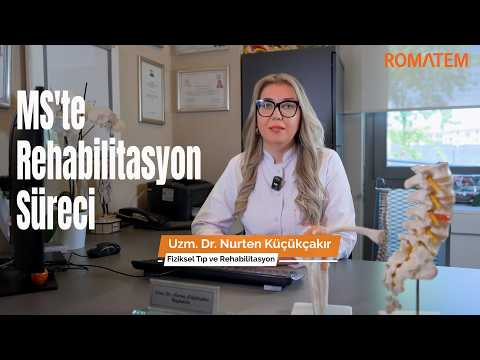
00:08 Multipl skleroz hastal???, beyin ve omurilikte plak dedi?imiz lezyonlarla seyreden ve bu lezyonlar?n yerle?im bölgesine göre farkl? klinik bulgulara yol açan bir merkezi sinir sistemi hastal???d?r. Genç ve eri?kin hastalar?m?zda s?kl?kla görmekteyiz.
00:25 Yap?lan de?erlendirmeler sonras?nda gözlemledi?imiz semptomlar kollarda ve bacaklarda güçsüzlük, hissiyat kay?plar?, uyu?malar. Bunlara ba?l? geli?en yürüme ve denge problemleri, nadir de olsa konu?ma bozukluklar?, mesane problemleri ve yorgunluk ve s?ca?a intoleranst?r.
00:45 Medikal tedavi ve yak?n nörolojik takip, hastalar?m?z?n tedavisinde birinci basamak yakla??mlar? olu?turmaktad?r. Medikal tedavinin yan? s?ra hastalar?n günlük ya?am aktivitelerinde ba??ms?zl??? en üst seviyeye ç?karmak için olu?an semptomlar?n ?iddetini azaltmak ve hastal???n ilerleyi?ini yava?latmak amaçl? rehabilitasyon, MS tedavisinde önemli bir yere sahiptir.
01:10 Rehabilitasyon program?nda hastalar?m?za özel ve mevcut klinik tablolara göre bir protokol olu?turmaktay?z. ?lk olarak nöroloji hekimimiz, fizyoterapistlerimiz, ergoterapistlerimizle birlikte hastalar?m?z? ayr?nt?l? bir ?ekilde de?erlendirmekteyiz.
01:27 Ve saptad???m?z bulgular sonras?nda hastalar?m?za özel bir rehabilitasyon program? olu?turmaktay?z. Bu program dahilinde kulland???m?z egzersizler, kaslar?n kuvvetlendirilmesi amaçl? güçlendirme egzersizleri, eklem hareketlerinin korunmas?nda eklem hareket aç?kl??? egzersizleri, istemsiz kas?lmalar, yani spastisitenin engellenmesinde ve azalt?lmas?nda germe egzersizleri uygulanmaktad?r.
01:53 Bunlar sayesinde hastalarda olu?abilecek kas atrofisi dedi?imiz kas erimelerinin önüne geçebilmekteyiz. Eklemlerde meydana gelebilecek kontraktür dedi?imiz k?s?tl?l?klar?n önüne geçebilmekteyiz.
02:04 Hastalar?m?zda ya?am kalitesini olumsuz yönde etkileyen en önemli problemler yürüme ve denge problemleridir. Yürüme ve dengedeki bozukluklar hastalarda dü?me riskine sebebiyet verdi?i için sekonder, yani ikincil problemlerin olu?mas?na sebebiyet vermekte. Bu da hastalarda hem yürüme korkusunun olu?mas?na, sosyal izolasyona ve akabinde de bir depresyon durumuna yol açmaktad?r.
02:30 Uygulad???m?z özellikli yürüme ve denge e?itimleriyle yürüme ve dengede iyile?me hedeflemekteyiz. Düzgün yüzeyde yapt???m?z yürüme egzersizlerinin yan? s?ra özellikle yüzeyel ve derin duyu girdisini artt?rarak yürümenin iyile?tirilmesinde farkl? zeminlerde uygulad???m?z yürüyü? e?itimleri, engel atlama çal??malar?, denge barlar?nda çal??t???m?z, denge tahtalar?nda çal??t???m?z denge e?itimlerinin denge ve koordinasyonun geli?tirme üzerinde önemli etkisi vard?r.
03:00 Fizyoterapist kontrollü yapt???m?z bütün bu yürüme ve denge egzersizlerinin yan? s?ra robotik teknolojilerde de yürüme robotlar?ndan ve C-Mill denge koordinasyon sisteminden faydalanmaktay?z. Robotik tedaviyle klasik fizyoterapiyi birle?tirdi?imiz anda rehabilitasyondan elde etti?imiz etkinlik oldukça belirgin ölçüde artmaktad?r.
03:21 Hastalar?m?zda s?kl?kla gözlemledi?imiz bir di?er problem yorgunluktur. Hastalardan en çok ald???m?z sorulardan bir tanesi "Evet hocam biz egzersiz yapaca??z ama çok yoruluyoruz. Yorgunlu?umuz artar m??" sorusu. Rehabilitasyon süreçlerinde egzersizin çok ciddi bir önemi vard?r.
03:37 Yapt???m?z egzersizler sayesinde birincil ve ikincil yorgunlukta azalma, endorfin sal?n?m? sayesinde hastan?n kendini mutlu hissetmesi, depresyona gidi?at?n da engellenmesi yorgunlukla beraber azalt?lmas?nda oldukça rol oynamaktad?r.
03:52 MS rehabilitasyonunda bu yüzden hastalar?m?za egzersiz protokollerini planlarken istirahat ve hareket dönemlerini hastam?za özel bir ?ekilde belirli aral?klarda dinlenme ve çal??ma periyotlar? olu?turarak rehabilitasyon program?n? düzenlemeliyiz.
04:09 Su içi egzersizler bir di?er tedavi yakla??m?m?z. Suyun özellikle kald?rma kuvveti sayesinde eklemlere ve zay?f olan kaslara çok fazla yük bindirmeden rehabilitasyona hastan?n kat?lmas?n? sa?layarak, yorgunluk seviyesini de azaltarak etki etti?i gösterilmi?tir. Su içi egzersizler, fizyoterapistler kontrolünde, ihtiyaç dahilinde yap?ld???nda rehabilitasyonun etkinli?ini artt?rmaktad?r.
04:37 Yine hastalar?m?zda gözlemledi?imiz bir di?er problem ince beceri kay?plar?d?r. Hasta dü?mesini ilikleyemez, fermuar?n? çekemez, anahtarla kap?s?n? açamaz. ?nce beceri geli?iminin h?zland?r?lmas?nda ergoterapi yakla??mlar?ndan faydalanmaktay?z. Ergoterapistlerimizle beraber ince beceri geli?tirme çal??malar?nda günlük ya?am aktivitelerinde belirgin bir iyile?me sa?lamaktay?z.
05:01 Bunun d???nda yine parmak fonksiyonlar?, el, kol fonksiyonlar?n?n geli?iminde el, parmak ve kol robotlar?ndan faydalanmaktay?z. Hem bili?sel anlamda bir geli?im sa?larken hem de hastalar?n üst ekstremitelerini daha aktif günlük ya?am aktivitelerinde kullanmay? bu ?ekilde ba?armaktay?z.
05:19 Ki?iye özel uygulad???m?z MS rehabilitasyon yakla??mlar?yla hastalar?m?z?n günlük ya?am aktivitelerini kendi ba??na veya en az destekle idame ettirebilmelerini hedeflemekteyiz.








.png)








Share this listing