


When a child is first diagnosed with Cerebral Palsy (CP), families are instantly thrust into an overwhelming world of medical terminology, physical challenges, and uncertain futures. Questions flood in regarding the best affordable pediatric cerebral palsy treatment abroad, the most effective therapeutic interventions, and the ultimate trajectory of their child’s life. Understanding the realities of this neurological condition is the crucial first step toward clinical empowerment.
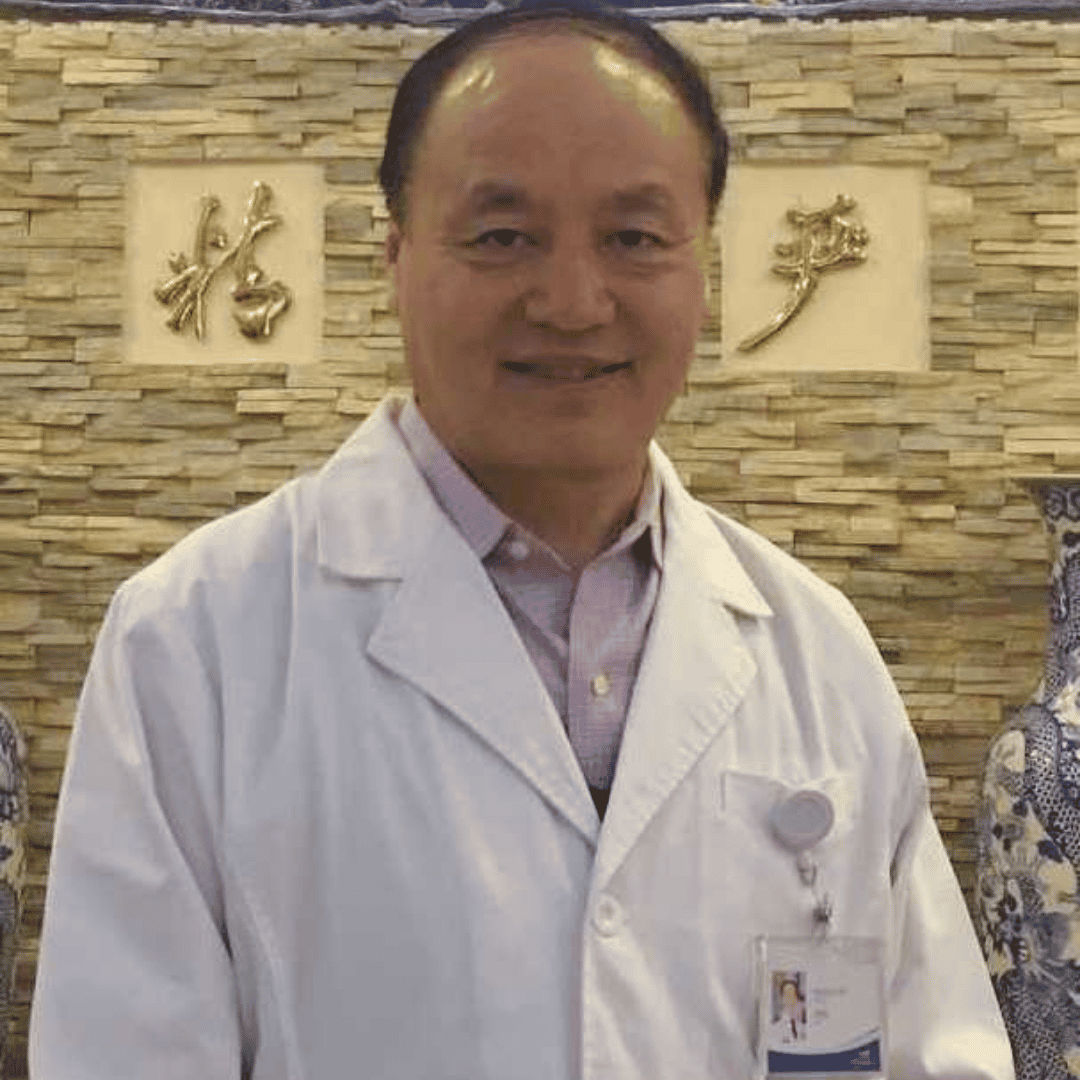
As highlighted by top specialists in pediatric neurology, the path forward is not about finding a magical overnight cure, but rather about embracing a comprehensive, highly dedicated treatment strategy. The clinical journey of CP is profound, challenging, and filled with significant motor milestones. Today, thanks to the globalization of healthcare, families are no longer restricted by geographic borders or exorbitant local healthcare costs. Medical tourism has opened the doors to world-class rehabilitation centers in Turkey, offering advanced robotic therapies and multidisciplinary care at a fraction of the traditional cost.
Video Chapters & Quick Navigation
The Core Philosophy: A Lifelong Rehabilitation Process
The most crucial concept for any family to grasp is that managing this neurological condition is never a short-term endeavor. As clearly stated in the medical discussion, Cerebral Palsy rehabilitation is essentially a lifetime process [00:15]. It requires unyielding clinical dedication from everyone involved.
Unlike a typical physical injury that heals completely over a set period, CP involves permanent damage to the developing brain. This underlying neurological lesion directly affects muscle control, coordination, and overall tone. Because the brain damage itself cannot be reversed with current medical science, the clinical focus shifts entirely to neuroplasticity and long-term functional adaptation.
Rehabilitation starts from the exact moment of diagnosis and continues indefinitely. The long-term cerebral palsy rehabilitation methods must adapt continuously as the child’s body matures and their environmental needs evolve over decades.
Understanding the Neurological Foundations of CP
To fully appreciate why intensive physical therapy for cerebral palsy is so vital, one must thoroughly understand the underlying pathology of the condition. Cerebral Palsy is an umbrella term encompassing a wide variety of severe motor disorders. The exact presentation of the symptoms depends entirely on the location and severity of the infant's brain injury.
The Four Primary Classifications
Damage to the cerebral cortex typically results in Spastic CP, which is characterized by rigid, stiff muscles that fiercely resist movement. Conversely, damage to the basal ganglia leads to Dyskinetic CP, which manifests as uncontrollable, writhing physical movements that the child cannot suppress.
Meanwhile, injuries to the cerebellum cause Ataxic CP, severely impacting balance, posture, and spatial coordination. Some children even present with Mixed CP, exhibiting a combination of these challenging symptoms. This high degree of neurological variance is exactly why highly individualized, multidisciplinary treatment plans are absolutely non-negotiable for success.
The Multidisciplinary Triangle: Family, Physician, and Physiotherapist
Achieving meaningful progress in pediatric physical therapy requires a highly synchronized, collaborative team approach. The immense responsibility of care does not fall on a single medical professional. In successful international treatment models, the primary roles are equally divided among the family, the assisting physician, and the expert physiotherapy team [00:27].
The Roles of the Medical Experts
The physician acts as the overarching medical director, closely monitoring neurological changes and prescribing vital interventions like Botox injections for severe spasticity. Simultaneously, the specialized physiotherapy team performs the complex, mechanical hands-on work. They meticulously guide the child through targeted, repetitive exercises to build strength and rewrite neural pathways.
The Family as Co-Therapists
However, the family remains the absolute core of the rehabilitation triangle. Parents are effectively trained by the clinical staff to become reliable co-therapists. This ensures that essential stretching routines and functional movement patterns are consistently integrated into the child’s daily life at home, preventing rapid physical regression between clinical visits.
Adapting Therapies to the Growing Child
One of the most complex clinical challenges in managing CP is dealing with the drastic physiological changes of a rapidly growing body. As a child physically grows, the shape and structure of their rehabilitation must drastically alter to keep pace [00:38]. What works for an infant will not work for a teenager.
Early Intervention in Infancy
During the critical infancy stage, the clinical focus is placed heavily on early intervention and establishing foundational gross motor skills. Expert therapists work tirelessly on primitive reflex integration, establishing head control, and encouraging the infant to independently roll over or safely crawl.
Navigating Puberty and Bone Growth
When the child inevitably hits puberty, rapid bone growth often outpaces natural muscle elongation, leading to increased muscle tightness and painful joint deformities. During this critical physiological window, therapies must pivot toward aggressive spasticity management. This often includes serial casting, custom orthotics, and sometimes orthopedic surgical interventions to permanently lengthen tight tendons.
Navigating Major Life Transitions: School, Career, and Marriage
The ultimate objective of all clinical rehabilitation is to maximize the pediatric patient's independence and foster seamless social integration. The thousands of hours spent sweating in therapy clinics are ultimately geared toward preparing the child for major societal milestones. This expansive journey includes the rigorous process of preparing for school, successfully entering the workforce, and eventually navigating marriage [00:42].
The School Integration Process
Integrating a physically challenged child into the mainstream educational system requires meticulous clinical planning. Occupational therapists focus intensely on developing fine motor skills, fitting adaptive seating arrangements, and programming assistive communication technologies. The cognitive and social development fostered in a school environment is just as vital as any physical therapy milestone.
Achieving Vocational Independence
As teenagers transition into young adults, rehabilitation goals naturally pivot toward vocational training and independent living. It is undeniably a very long road with no definitive end [00:48]. However, with comprehensive medical support, many individuals with Cerebral Palsy lead remarkably rich, fulfilling lives and enjoy highly successful careers.
Setting Realistic Motor Function Goals
A major part of the psychological journey for traveling families is strict expectation management. Parents naturally want to know if their child will achieve complete normalcy. The stark medical reality is that clinical outcomes vary drastically depending on the specific location and severity of the brain lesion [01:06].
The Gross Motor Function Classification System
Physicians worldwide utilize standardized tools like the Gross Motor Function Classification System (GMFCS) to accurately categorize a child's inherent abilities. This precise classification allows the medical team to set achievable, realistic motor milestones. It prevents profound family disappointment and keeps the daily therapy highly focused on attainable, measurable clinical victories.
The Vast Spectrum of Clinical Outcomes
Every single patient responds completely differently to therapeutic interventions. Some children may only achieve the basic ability to hold their head upright, which in itself is a massive milestone for safe feeding [00:58]. Others might progress enough to sit independently in a customized wheelchair [01:01].
For patients with milder forms of CP, the maximum achievable goal might be standing and walking with the assistance of specialized orthotics. While we cannot promise a perfect outcome for every child, consistent rehabilitation guarantees that each patient reaches their own absolute maximum potential.
Advanced Therapeutic Interventions and Technologies
Traditional hands-on physical therapy remains the solid foundation of CP management, but modern technological advancements have entirely revolutionized the rehabilitation field. Cutting-edge, high-tech interventions are now the standard practice in elite medical tourism destinations, offering unprecedented recovery rates for international patients.
Robotic Gait Training for Children with Cerebral Palsy
Robotic-assisted gait training utilizes highly advanced exoskeletons to safely support the child's body weight while physically guiding their legs through a perfect physiological walking pattern. This brilliant technology provides high-repetition, accurate movement that sends incredibly powerful sensory feedback straight to the damaged brain.
By consistently stimulating the central nervous system with these precise walking motions, robotic therapy accelerates neuroplasticity far more effectively than manual manipulation alone. This intervention is particularly beneficial for children actively transitioning from wheelchair dependence to assisted upright walking.
Hydrotherapy and Aquatic Physical Therapy
Water-based therapy is another highly effective clinical modality for managing the severe complexities of CP. The natural physical properties of water provide a unique, highly therapeutic, gravity-reduced environment for children suffering from severe motor restrictions.
The natural buoyancy of water drastically reduces the harsh effects of gravity, allowing children with incredibly weak muscles to stand and move with significantly less effort. Furthermore, the soothing warmth of a hydrotherapy pool helps to naturally relax spastic, rigid muscles and greatly improve joint range of motion.
Integrating Occupational and Speech Therapy
Treating Cerebral Palsy requires looking far beyond just the legs and gross motor function. A truly comprehensive approach addresses the entire spectrum of human capability. Occupational therapy focuses heavily on the essential activities of daily living, teaching children how to independently feed themselves, button their clothes, and maintain personal hygiene.
Speech and language pathology is equally critical, as many children with CP suffer from dysarthria (difficulty articulating speech) or dysphagia (difficulty safely swallowing). Specialized speech therapists utilize targeted oral-motor exercises to improve speech clarity and ensure safe, aspiration-free nutritional intake.
Why International Patients Choose Turkey for CP Treatment
Historically, families desperately seeking elite pediatric neurological care were forced to look toward astronomically expensive private hospitals in the United States or Western Europe. Today, the global healthcare landscape has dramatically shifted. Turkey has rapidly emerged as a premier, highly trusted destination for complex pediatric neuro-rehabilitation.
World-Class Medical Infrastructure
The best physiotherapy clinics for CP in Turkey boast state-of-the-art medical infrastructure that frequently surpasses Western standards. These premier facilities routinely incorporate the latest robotic exoskeletons, virtual reality sensory therapy suites, and specialized pediatric hydrotherapy pools. The modern architecture is specifically designed from the ground up to perfectly cater to the complex logistical needs of international wheelchair-bound patients.
Highly Trained Multidisciplinary Teams
Furthermore, the dedicated medical professionals operating in Turkey's top medical tourism clinics are globally recognized experts. Many leading pediatric neurologists and senior physiotherapists possess prestigious international board certifications and have trained extensively in North America. This ensures that every visiting patient receives a flawless, world-class standard of evidence-based care.
Another massive clinical advantage is the availability of all-encompassing care centers. In Turkey’s specialized hospitals, the entire multidisciplinary team operates seamlessly under a single roof. This allows for instant, vital communication between the prescribing physician, the physical therapist, the occupational therapist, and the clinical dietitian.
The Financial Reality: Cost of CP Treatment Packages
The crushing financial strain of raising a child with severe Cerebral Palsy can be absolutely devastating for a family. Long-term, high-frequency physical therapy is incredibly expensive out-of-pocket, and national insurance policies in many Western countries severely limit the strict number of covered therapy sessions allowed per year.
By utilizing highly trusted medical tourism networks, families can easily access premium pediatric neurological care at a mere fraction of their domestic costs. Intensive therapy blocks, which might normally cost tens of thousands of dollars in the US or UK, are remarkably affordable in Turkey.
This massive cost-efficiency absolutely does not imply a dangerous reduction in clinical quality. It simply reflects the vast differences in regional economic structures. Most importantly, it means that ordinary families can finally afford to provide their children with the aggressive, daily therapy required to make real, measurable neurological progress.
Emotional Resilience and Psychological Support for Families
While the physical recovery of the pediatric patient is always the primary clinical objective, the psychological well-being of the family simply cannot be ignored. Chronic daily caregiving is emotionally and physically exhausting, frequently leading to high rates of clinical depression and severe anxiety among parents.
Combating Caregiver Burnout
Elite international rehabilitation centers heavily recognize this dangerous dynamic and wisely integrate psychological support systems directly into their comprehensive care packages. Dedicated family counseling sessions provide a highly safe space for parents to process their grief, voice their deepest fears, and develop highly resilient coping mechanisms.
Connecting with other international families in the clinic who are currently walking the exact same difficult path also provides an invaluable sense of global community. Realizing that you are not entirely alone in this exhausting fight is often one of the most highly therapeutic experiences for a struggling parent.
Empowering Parents Through Clinical Education
Clinical anxiety always thrives in the dark unknown. When parents are left uninformed regarding their child’s specific prognosis or the complex mechanical goals of the physical therapy, they experience significantly heightened stress and a feeling of profound helplessness.
Top-tier international clinics prioritize completely transparent, comprehensive family education. Physicians take the dedicated time to thoroughly explain the exact nature of the child’s brain lesion. When parents truly understand the distinct scientific reasoning behind every stretch and exercise, they rapidly transform from anxious bystanders into empowered, highly confident clinical partners.
Redefining What is Possible for Your Child
Receiving a Cerebral Palsy diagnosis undeniably alters the entire course of a family’s life forever, introducing unimaginable logistical challenges and requiring boundless reserves of inner strength. Yet, as modern medical science rapidly advances, the global narrative surrounding this condition is changing from one of strict limitation to one of profound physical potential.
Through relentless clinical dedication, the smart integration of advanced robotic technologies, and the unparalleled accessibility of world-class medical tourism, children with CP are bravely breaking boundaries every single day. From taking their very first assisted steps in a hydrotherapy pool to successfully integrating into the adult workforce, these incredible individuals prove that early neurological damage does not dictate the entirety of their future.
By actively exploring international treatment options and securing the highest possible standard of multidisciplinary pediatric care abroad, parents can provide their beloved children with the ultimate solid foundation for lifelong success. The journey ahead is undoubtedly long, but the beautiful milestones achieved along the way are profoundly worth every single ounce of effort.
Ready to Start Your Child's Rehabilitation Journey?
PlacidWay Medical Tourism connects you with top-rated pediatric rehabilitation centers in Turkey, offering world-class, multidisciplinary Cerebral Palsy care at highly affordable prices. Let our experts handle the logistics while you focus entirely on your child's recovery.
GET A FREE QUOTE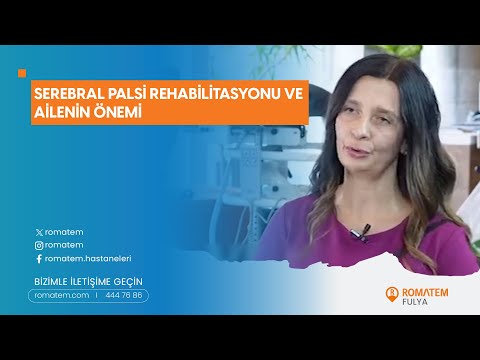


.png)




.png)








Share this listing