
Emily's Journey: Pioneering Stem Cell Treatments for Alzheimer's in the Heart of Europe
Discover how regenerative medicine is transforming the landscape of neurological care. For families grappling with rapid cognitive decline, exploring advanced stem cell treatments for Alzheimer's in Europe represents a beacon of unprecedented hope. When traditional pharmaceutical interventions failed to halt her disease progression, Emily and her family looked beyond their local healthcare system.
This powerful video chronicles her courageous medical tourism journey to a state-of-the-art European clinic. Watch to understand the intricate science of neuro-regeneration, the rigorous clinical protocols of international healthcare, and the profound impact that mesenchymal stem cells can have on restoring quality of life and preserving precious memories.
Video Chapters & Quick Navigation
- The Reality of Alzheimer's Disease
- Emily's Search for Alternative Therapies
- The Science of Neurological Regeneration
- Why Choose Europe for Regenerative Care?
- Comprehensive Clinical Diagnostics
- Emily's Personalized MSC Protocol
- Evaluating Cognitive Improvements
- Stem Cell Therapy Cost Comparison
- Navigating Medical Tourism for Dementia
- The Vital Role of Caregiver Support
The Devastating Reality of Alzheimer's Disease
Alzheimer's disease is a relentless neurodegenerative condition that systematically dismantles memory, cognition, and eventually, the fundamental ability to carry out simple daily tasks. For decades, the global medical community has heavily relied on symptom management rather than curative approaches. The accumulation of amyloid-beta plaques and tau protein tangles in the brain creates a highly toxic environment, leading to severe neuroinflammation and the widespread death of essential neurons.
Standard pharmaceutical treatments, such as cholinesterase inhibitors, often only provide temporary relief from symptoms. They do not address the underlying cellular degradation. As highlighted in the video at , this limitation leaves millions of families watching their loved ones slowly fade away, prompting a desperate but necessary search for advanced alternative therapies for memory loss and cognitive decline.
The progression of this disease affects not only the patient but creates an immense emotional and physical burden on caregivers. The critical need for disease-modifying therapies has never been higher, driving international research toward the promising frontier of regenerative medicine and cellular therapy.
Emily's Search for Alternative Therapies
Emily was only in her early sixties when the subtle signs of cognitive impairment began to surface. What started as misplaced car keys and forgotten appointments rapidly escalated into severe disorientation and expressive aphasia. Upon receiving an official diagnosis of early-stage Alzheimer's disease, her family was handed a standard prescription pad and a grim prognosis.
Refusing to accept a path of inevitable decline, Emily's daughter spearheaded an exhaustive global search for advanced medical interventions. They discovered that while North American clinical trials for stem cell therapies were mired in years of regulatory red tape, international medical hubs were already safely administering these protocols. At , Emily's family discusses the pivotal moment they decided to explore regenerative medicine abroad, shifting their focus from local palliative care to proactive global solutions.
Their research pointed them toward the heart of Europe, an epicenter for medical tourism that offers highly regulated, cutting-edge therapies. The decision to pursue international medical care was not made lightly, but the potential to halt or even reverse cognitive decline made the journey an absolute necessity for Emily's future.
The Science Behind Stem Cell Therapy for Neurological Disorders
To truly understand Emily's journey, one must delve into the remarkable science of regenerative medicine. Stem cell treatments for Alzheimer's disease primarily utilize Mesenchymal Stem Cells (MSCs). These multipotent cells, often ethically sourced from Wharton's jelly in umbilical cord tissue, possess extraordinary immunomodulatory and regenerative properties.
Unlike traditional drugs, MSCs act as intelligent biological agents. Once introduced into the patient's system, they home in on areas of severe inflammation and tissue damage. As the lead neurologist explains at , these cells secrete powerful neurotrophic factors—specialized proteins that encourage the survival of developing neurons and the intricate maintenance of mature ones. This process actively combats the neurotoxicity caused by Alzheimer's.
Key Mechanisms of Action
- Reduction of Neuroinflammation: MSCs release anti-inflammatory cytokines that calm the aggressive immune response in the brain, protecting healthy neurons from collateral damage.
- Angiogenesis: Stem cells stimulate the formation of new blood vessels, dramatically improving blood flow and oxygen delivery to oxygen-starved cerebral tissues.
- Synaptic Plasticity: By releasing exosomes and growth factors, stem cell therapy helps rebuild the synaptic connections that Alzheimer's disease systematically destroys, directly improving memory recall and cognitive processing.
Why Europe is a Global Hub for Regenerative Medicine
Europe has emerged as a premier destination for patients seeking advanced regenerative therapies. Countries such as Germany, Switzerland, and Austria have cultivated a healthcare environment that bridges the gap between rigorous scientific research and immediate, patient-centered clinical application. The regulatory frameworks governed by European medical authorities ensure that while therapies are innovative, they remain uncompromisingly safe.
The best stem cell clinics in Europe operate out of specialized bio-laboratories that utilize Good Manufacturing Practice (GMP) standards. This guarantees that the stem cells cultured for neurological conditions are of the highest viability, purity, and potency. Emily's family was particularly drawn to this stringent oversight, as noted at , providing them with the peace of mind that is often lacking in less regulated medical tourism destinations.
Furthermore, European clinics are renowned for their holistic approach. They do not view stem cell therapy as an isolated injection but as part of a comprehensive neurological rehabilitation program that includes specialized nutrition, physical therapy, and cognitive training to maximize the efficacy of the cellular treatment.
The Comprehensive Medical Evaluation Process Abroad
Upon arriving in Europe, Emily did not immediately proceed to treatment. Top-tier medical tourism facilities mandate a rigorous, multi-day diagnostic evaluation to ensure the patient is an ideal candidate for regenerative care. This phase is crucial for tailoring the stem cell dosage and delivery method to the patient's specific neurological profile.
Her diagnostic protocol included high-resolution functional MRI (fMRI) and Positron Emission Tomography (PET) scans to map the exact regions of amyloid accumulation and metabolic decline in her brain. Additionally, extensive blood panels and cerebrospinal fluid analyses were conducted to establish a baseline of her neuro-inflammatory markers. As shown at , this hyper-personalized approach is a hallmark of elite European medical facilities.
This exhaustive diagnostic phase provides the medical team with a precise roadmap. It ensures that the subsequent stem cell infusion is targeted precisely where the brain needs the most profound cellular support, significantly increasing the probability of a positive clinical outcome.
Emily's Personalized Stem Cell Infusion Protocol
The actual administration of the stem cell therapy is a highly specialized procedure designed to safely bypass the blood-brain barrier. Emily's treatment protocol involved a dual-delivery method to ensure maximum cellular penetration into her central nervous system. The medical team utilized highly expanded, ethically derived Mesenchymal Stem Cells tailored specifically for neurological regeneration.
First, she received an intravenous (IV) infusion of stem cells. This systemic approach addresses body-wide inflammation, which is deeply interconnected with neurodegenerative decline. Following the IV therapy, the clinic performed a targeted intrathecal injection. As the specialist details at , administering stem cells directly into the spinal canal allows the therapeutic cells to flow seamlessly into the cerebrospinal fluid, delivering high concentrations of healing factors directly to the cerebral cortex and hippocampus.
The entire procedure was minimally invasive, completely painless, and performed under mild sedation. Emily was closely monitored in a luxurious, private recovery suite, entirely redefining her previous experiences with sterile and stressful hospital environments back home.
Measuring Success: Cognitive and Behavioral Improvements
The most compelling part of Emily's journey is the clinical and anecdotal evidence of her post-treatment progress. While stem cell therapy is not legally classified as a "cure" for Alzheimer's, the goal is profound disease modification and an enhancement of the patient's quality of life. Within three months of returning home, the changes in Emily were remarkable.
The severe agitation and "sundowning" behaviors that previously dominated her evenings significantly subsided. Her family noted a distinct return of her personality; the "fog" that clouded her daily interactions began to lift. During a follow-up assessment highlighted at , Emily demonstrated measurable improvements in her short-term memory recall and her ability to participate in complex, multi-layered conversations.
Post-treatment PET scans revealed a halt in the progression of cortical thinning and a visible reduction in neuro-inflammatory markers. These objective medical results, combined with her subjective improvements, underscore the massive potential of integrating regenerative medicine into standard dementia care protocols.
The Cost of Stem Cell Therapy: Europe vs. North America
A primary concern for patients considering medical tourism for neurological conditions is the financial investment. While experimental clinical trials in the United States can be restrictively expensive or impossible to access due to strict inclusion criteria, European clinics offer transparent, package-based pricing.
When evaluating the cost of stem cell treatment for dementia, one must consider the quality of the cell expansion, the facility's credentials, and the inclusiveness of the medical package. European packages typically bundle diagnostics, the multi-stage stem cell procedure, specialized physical therapies, and local accommodation logistics into one clear price.
| Treatment Feature | North America (Avg. Out-of-Pocket) | Top European Clinics |
|---|---|---|
| Comprehensive Diagnostics (PET, fMRI) | $5,000 - $10,000+ | Included in Package |
| Multi-Dose MSC Therapy (IV + Intrathecal) | Often restricted / $30,000+ | $15,000 - $22,000 |
| Post-Treatment Neuro-Rehab | Billed separately hourly | Included in Package |
| Wait Times for Access | 2 to 5 years (Clinical Trials only) | 4 to 6 weeks |
The value derived from accessing immediate, high-quality, disease-modifying therapy far outweighs the logistical costs of international travel. For families like Emily's, purchasing time and cognitive preservation is an investment with an immeasurable return.
Navigating Medical Tourism for Neurological Conditions
Traveling internationally with a patient experiencing cognitive impairment requires meticulous planning. The anxiety associated with medical tourism is often significantly mitigated by utilizing dedicated medical facilitation agencies. Organizations like PlacidWay specialize in connecting patients with accredited, top-tier global healthcare providers.
To ensure a stress-free experience, medical tourism facilitators handle the complex transfer of domestic medical records, translate diagnostic imaging, and coordinate direct consultations with the European neurological team before a flight is ever booked. Furthermore, clinics in Europe accustomed to international Alzheimer's patients provide ground support. This includes VIP airport transfers, bilingual patient coordinators, and accommodations strategically located in quiet, serene environments to prevent patient sensory overload.
At , Emily's daughter reflects on how seamless the logistical execution was, noting that the removal of travel stress allowed their family to focus entirely on Emily's healing and therapy sessions.
The Vital Role of Caregiver Support and Education
A crucial, yet often overlooked, component of advanced Alzheimer's treatment abroad is the intensive support provided to caregivers. The European clinical model recognizes that managing a neurodegenerative disease is a family battle. During Emily's stem cell infusion protocols, her family engaged in educational workshops led by neuro-psychologists.
These sessions provided them with advanced coping mechanisms, dietary strategies to support neurogenesis at home, and environmental adjustments to foster a safe, cognitively stimulating living space. By empowering the family with medical knowledge and emotional support, the clinic ensured that the benefits of the stem cell therapy would be nurtured and maintained long after Emily returned home to North America. Emily's journey is a profound testament to the power of relentless advocacy, the rapid advancements in global biotechnology, and the enduring human spirit's refusal to surrender to Alzheimer's disease.
Ready to Explore Advanced Alzheimer's Treatments?
PlacidWay Medical Tourism connects you with world-renowned regenerative medicine clinics in Europe, offering highly advanced, safe, and regulated stem cell therapies for neurological conditions. Let our experts guide your medical journey.
GET A FREE CLINICAL CONSULTATION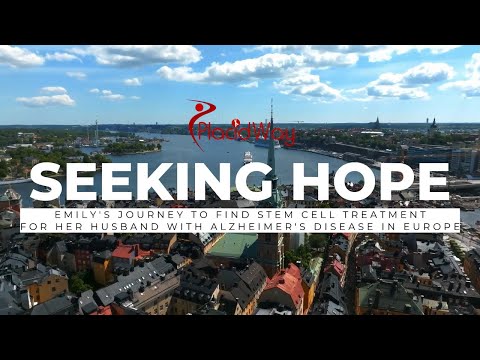
.png)
-Package-in-Istanbul,-Turkey-for-Medical-Travelers-with-Movement-Disorders-Thumbnail.jpg)
-.jpg)
-(3)-(1).png)








.png)









Share this listing