


The Ultimate Guide to Stem Cell Therapy for Parkinson Disease in Austria
A Parkinson’s diagnosis often feels like the closing of a door, but groundbreaking advancements in regenerative medicine are rapidly changing that narrative. For years, patients facing neurodegenerative decline have relied solely on symptom management, often enduring severe medication side effects. Today, exploring stem cell therapy for Parkinson disease in Austria is offering profound new hope. By targeting the root cause of cellular degradation, this innovative medical approach seeks to protect existing neurons and stimulate new neural pathways. Watch to discover how Austria’s unparalleled medical infrastructure, rigorous European biotech standards, and pioneering specialists are uniting to provide world-class regenerative neurological treatments.
Video Chapters & Quick Navigation
The global landscape of neurological care is shifting rapidly. For decades, individuals diagnosed with neurodegenerative disorders faced a stark reality dictated by symptom management rather than disease modification. Today, patients from North America, the United Kingdom, and beyond are looking past their domestic borders. They are discovering that European nations, particularly Austria, are spearheading a quiet revolution in restorative medicine.
By blending ultra-modern biotechnology with centuries of medical prestige, Austria has positioned itself as a premier destination for those seeking alternative treatments for Parkinson's disease. As highlighted in the video at , the shift from merely masking tremors to actively regenerating cellular health represents one of the most significant medical leaps of our generation.
The Limitations of Traditional Parkinson's Interventions
To truly appreciate the value of regenerative medicine, one must first understand the clinical hurdles of Parkinson’s disease (PD). PD is characterized primarily by the progressive death of dopamine-producing neurons located in a region of the brain called the substantia nigra. Dopamine is the vital chemical messenger responsible for coordinating smooth, balanced muscle movement.
The Levodopa Efficacy Wall
Historically, the gold standard of care has been Levodopa (L-dopa), a medication that converts into dopamine within the brain. While highly effective in the early stages of the disease, its long-term application is fundamentally flawed. Over time, the brain's remaining neurons continue to die off, meaning there are fewer cells available to process the medication.
Patients eventually hit an "efficacy wall" where the medication's effects wear off quickly, leading to unpredictable fluctuations in motor control known as "on-off" periods. Furthermore, prolonged use of traditional pharmaceuticals often induces severe dyskinesia—involuntary, erratic writhing movements that can be as debilitating as the disease itself. This frustrating plateau in standard care is exactly what drives patients to seek advanced neurodegenerative treatments abroad.
The Science: How Stem Cell Therapy for Parkinson's Works
Stem cell therapy fundamentally shifts the medical paradigm from symptom suppression to cellular restoration. As discussed in the presentation around , stem cells are the body's master raw materials. Under the right laboratory and physiological conditions, these unique cells can divide to form "daughter cells" that either become new stem cells or differentiate into specialized cells, such as brain cells.
The Paracrine Effect and Neuroprotection
One of the most critical mechanisms of stem cell therapy for Parkinson's is the "paracrine effect." When high-quality stem cells are introduced into the patient's system, they act as microscopic chemical factories. They secrete powerful neurotrophic factors—such as Glial Cell Line-Derived Neurotrophic Factor (GDNF) and Brain-Derived Neurotrophic Factor (BDNF).
These specialized proteins bathe the dying dopamine neurons in a restorative environment. They significantly reduce chronic neuroinflammation, which is heavily implicated in the rapid progression of Parkinson's. By altering the toxic microenvironment of the brain, stem cells provide a potent neuroprotective shield that helps slow or halt further cellular degradation.
Potential for Neurogenesis
Beyond protection, there is the pursuit of neurogenesis—the actual replacement of lost brain tissue. While science is still perfecting the exact pathways, clinical applications have shown that certain protocols can encourage stem cells to engraft and begin taking on the characteristics of dopamine-producing cells. This dual action of protecting old cells while potentially seeding new ones is the cornerstone of modern regenerative neurology.
Why Austria? The Epicenter of European Medical Innovation
When selecting a destination for highly complex medical procedures, the regulatory environment and healthcare infrastructure are paramount. Austria consistently ranks among the top healthcare systems globally, characterized by exceptional clinical hygiene, rigorous physician training, and massive investments in biotechnology.
Uncompromising Regulatory Standards
Unlike some medical tourism destinations where regulations might be lax, Austria operates under the incredibly strict guidelines of the European Medicines Agency (EMA) and local Austrian health authorities. This ensures that any clinic offering stem cell therapy for Parkinson disease in Austria is adhering to Good Manufacturing Practice (GMP) standards.
Every single cell processed in Austrian laboratories undergoes exhaustive screening for viability, sterility, and potency. As noted at in the video, this commitment to uncompromising quality control guarantees that patients receive only the highest-grade therapeutic materials, drastically minimizing risks and maximizing clinical outcomes.
Legacy of Medical Excellence
Cities like Vienna and Graz are not just cultural capitals; they are historical titans of medical science. Austrian medical universities have produced numerous Nobel laureates. Today, the doctors administering advanced stem cell protocols are often simultaneously leading major clinical research trials, ensuring that patients receive treatments reflecting the absolute cutting edge of modern science.
Types of Stem Cells Utilized in Austrian Protocols
Not all stem cells are created equal, and Austrian specialists tailor the cellular source to the specific physiological needs of the patient. The choice of cell line is crucial for penetrating the blood-brain barrier and initiating neurological repair.
- Mesenchymal Stem Cells (MSCs): These are adult stem cells most commonly harvested from the patient's own bone marrow or adipose (fat) tissue. MSCs are highly prized for their immunomodulatory properties and their ability to heavily secrete neurotrophic healing factors.
- Umbilical Cord-Derived Stem Cells: In cases where a patient's own age or health status makes autologous (self-derived) cells less viable, Austrian clinics utilize ethically sourced Wharton’s Jelly from umbilical cords. These cells are essentially "day zero" cells, boasting massive regenerative vitality and an immune-privileged status, meaning they will not trigger a rejection response.
- Exosomes: Many top-tier clinics now augment traditional cellular therapy with exosomes. These are the nano-sized extracellular vesicles secreted by stem cells. Exosomes carry the genetic blueprint for healing directly across the blood-brain barrier with remarkable efficiency.
The Step-by-Step Patient Journey in Austria
Traveling abroad for a major medical intervention can seem daunting. However, the premium medical tourism sector in Austria is designed to be a seamless, white-glove experience. From the moment a patient steps off the plane at Vienna International Airport, they are enveloped in a highly structured care ecosystem.
Phase 1: Comprehensive Diagnostics
The journey begins with an exhaustive medical evaluation. Austrian neurologists do not rely solely on past medical records. Patients undergo advanced neuroimaging (such as specialized MRI or PET scans), extensive blood panels, and precise neurological motor function tests. This baseline ensures the treatment protocol is hyper-personalized to the specific stage of the patient's disease.
Phase 2: Cell Harvesting and Expansion
If utilizing autologous cells, a minimally invasive extraction is performed under local anesthesia. The harvested tissue is immediately transported to a state-of-the-art, GMP-certified laboratory. Over the course of several days to weeks, bio-engineers isolate and cultivate millions of robust, highly viable stem cells.
Phase 3: Precision Administration
The administration of the cells is handled with meticulous precision. As referenced near in the patient experience segment, the delivery method is critical. Depending on the clinical assessment, cells may be administered via intravenous (IV) infusion to address systemic inflammation, or via intrathecal injection (directly into the spinal canal) to bypass the blood-brain barrier and deliver a concentrated dose directly to the central nervous system.
Comprehensive Cost Analysis: Investing in Quality of Life
A major consideration for any international patient is the financial investment. It is important to note that Austria does not compete on being the "cheapest" destination; rather, it competes on offering the highest possible medical quality and safety at a price point that remains highly competitive compared to experimental self-funded trials in the United States.
| Medical Destination | Estimated Treatment Cost (USD) | Regulatory Standard |
|---|---|---|
| United States (Clinical Trials/Off-label) | $25,000 - $45,000+ | FDA (Highly restricted access) |
| Austria (Comprehensive Packages) | $15,000 - $28,000 | EMA / Austrian GMP (High accessibility) |
| Developing Nations | $5,000 - $12,000 | Variable / Often Unregulated |
The cost of stem cell therapy for Parkinson's in Austria typically includes not just the cellular product, but comprehensive neurological assessments, multiple days of clinical care, specialized physical therapy integrations, and rigorous post-treatment follow-ups. When factoring in the elite caliber of the medical staff and laboratory purity, the value proposition of Austria is unmatched.
Healing in the Austrian Alps: Holistic Patient Recovery
The environment in which a patient heals plays a measurable role in the success of neurological treatments. Stress, anxiety, and chaotic surroundings can trigger cortisol spikes that actively fight against the anti-inflammatory goals of regenerative medicine. Austria offers a profound antidote to medical anxiety.
Many world-class clinics are situated near the serene landscapes of the Austrian Alps or the tranquil outskirts of Vienna. Post-treatment recovery protocols often integrate specialized neuro-rehabilitation physical therapy. Patients have the opportunity to participate in guided movement therapies, aquatic therapies in thermal baths, and cognitive exercises in environments that feel more like luxury wellness retreats than sterile hospitals.
This holistic integration ensures that the newly introduced stem cells are supported by optimal bodily health, strong circulation, and a deeply relaxed central nervous system.
The Future of Neurological Care is Accessible Today
The relentless progression of Parkinson's disease demands interventions that go beyond the ordinary. The traditional wait-and-see approach, punctuated by incrementally higher doses of Levodopa, is no longer the only path forward. Stem cell therapy represents a proactive, scientifically robust endeavor to reclaim neuro-motor function and deeply enhance the quality of daily life.
Austria stands at the vanguard of this medical frontier. By combining strictly regulated biotechnologies with an innate culture of premium patient care, Austrian clinics are writing a new chapter for global neurodegenerative treatment. For patients willing to look beyond their local horizons, a highly sophisticated, restorative path awaits in the heart of Europe.
Ready to Explore Stem Cell Therapy in Austria?
Don't let Parkinson's disease dictate your future. PlacidWay Medical Tourism partners with Austria's elite, GMP-certified regenerative medicine clinics to offer you safe, cutting-edge therapies. Let us guide you through the process, from medical consultations to travel logistics.
GET A FREE MEDICAL CONSULTATION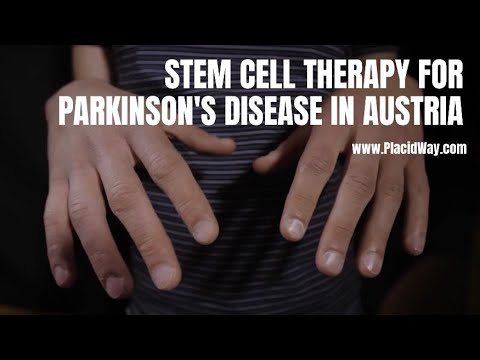

.png)
-Package-in-Istanbul,-Turkey-at-Medical-Park-Hospitals.jpg)
.png)











Share this listing