
How to Choose the Best Neurologist in the World?
Selecting the right specialist for your neurological care is a critical decision that can significantly impact your treatment outcomes and overall quality of life. The human nervous system is incredibly complex, controlling everything from basic motor functions to cognitive abilities and emotional regulation. When dealing with life-altering conditions such as advanced Parkinson's disease, aggressive multiple sclerosis, or complex, hard-to-reach brain tumors, you need a medical professional who possesses not only vast textbook medical knowledge but also the hands-on practical experience to navigate delicate procedures and design custom treatment plans. Choosing the best neurologist involves looking beyond geographical borders. Many patients today are actively opting for medical tourism, traveling across the world to access top-tier healthcare facilities and globally renowned experts that might not be available in their home countries. This decision requires careful evaluation of various factors, including the doctor's specific sub-specialization, the cutting-edge technology available at their affiliated hospital, and their documented track record of success with your specific medical condition.
The process of finding world-class neurological care requires diligent research and a clear understanding of your own medical needs. It is essential to consult initially with your primary care physician to get a precise preliminary diagnosis or a specialist referral that can guide your international search. Once you have a clear picture of what kind of specialist you need—whether it is a neuro-oncologist to treat a tumor, a pediatric neurologist for a child, or an expert in neurodegenerative diseases—you can begin evaluating potential doctors globally. Look for specialists who actively participate in international medical boards, contribute heavily to clinical research, and have a proven history of handling highly complex, high-risk cases. Additionally, consider the support services provided by the international hospital, such as native language translation, dedicated patient coordination, and comprehensive post-treatment rehabilitation, which are absolutely crucial for international patients seeking care abroad. Taking a methodical, step-by-step approach will ensure you find a neurologist who can offer the most advanced and effective care tailored strictly to your unique situation.
-
Sub-Specialty Expertise: Ensure the neurologist has specific, dedicated training and extensive practical experience treating your exact condition, as modern neurology has many highly focused branches such as neuromuscular medicine or neuro-immunology.
-
Hospital Affiliations: Check if the doctor actively practices at internationally accredited medical centers (like Joint Commission International or JCI-accredited hospitals) that offer state-of-the-art diagnostic imaging and surgical technology.
-
Patient Reviews and Outcomes: Read verified reviews and detailed testimonials from previous international patients to gauge the doctor's bedside manner, communication skills, and the overall clinical success rates of their treatment plans.
-
Communication and Accessibility: Choose a specialist who communicates clearly and empathetically, ideally in your native language, or works closely with a clinic that provides reliable, medical-grade translation services to avoid any misunderstandings.
-
Research and Innovations: Look for doctors who are actively involved in ongoing medical research, clinical trials, and university teaching, as they are more likely to be deeply familiar with the latest and most advanced treatment options available globally.
What Qualifications Should the Best Neurologists Have?
When your health is on the line, especially concerning something as vital and delicate as the brain and nervous system, settling for average care is never an option. The qualifications of a neurologist are the strongest indicators of their capability to diagnose accurately and treat effectively. Becoming a highly respected neurologist is a remarkably rigorous process that demands well over a decade of intense education and hands-on clinical training. The baseline requirement includes completing a four-year medical degree, followed by a one-year internship in internal medicine or general medicine. After this foundation is laid, doctors must complete a grueling three-to-four-year specialized residency program strictly focused on neurology. During this time, they learn the intricacies of brain anatomy, nerve function, and the vast array of diseases that can afflict the nervous system. However, for a doctor to be considered among the "best in the world," this standard educational path is usually just the starting point of their medical journey.
Top-tier global neurologists almost always pursue further specialization through demanding fellowship programs that last an additional one to three years. These fellowships focus on niche areas such as neurocritical care, movement disorders, epilepsy, or interventional neurology. Furthermore, board certification is an absolute must; it serves as a seal of approval from independent medical authorities confirming that the doctor has passed rigorous exams and maintained the highest standards of continuing education. When looking at international doctors, you should seek out those who hold certifications from highly respected bodies like the American Board of Psychiatry and Neurology (ABPN) or their equivalent national medical councils in Europe or Asia. Additionally, the very best doctors are often distinguished by their active memberships in prestigious global organizations, such as the World Federation of Neurology, which indicates they are deeply engaged with the global medical community and are staying at the absolute forefront of neurological advancements.
-
Advanced Medical Degrees: A foundational Doctor of Medicine (M.D.) or Doctor of Osteopathic Medicine (D.O.) degree from a recognized, top-tier medical university with a strong reputation for scientific rigor.
-
Rigorous Residency Training: Completion of a highly competitive, multi-year neurology residency program where they gained thousands of hours of hands-on experience treating a wide variety of severe neurological conditions.
-
Fellowship Specialization: Additional years of focused fellowship training in a specific sub-field, such as stroke management, neuro-oncology, or pain medicine, which elevates them from a generalist to a true expert.
-
Board Certifications: Active and valid board certification from authoritative national or international medical boards, proving they have passed comprehensive examinations and maintain continuous, up-to-date education.
-
International Affiliations: Active memberships in respected global medical societies, such as the American Academy of Neurology or the World Federation of Neurosurgical Societies, showing their commitment to global healthcare standards.
Neurology Treatment Costs by Country
One of the primary driving forces behind the booming medical tourism industry is the staggering difference in healthcare costs across the globe. For patients living in countries like the United States, the United Kingdom, or parts of Western Europe, the out-of-pocket expenses for complex neurological diagnostics, long-term treatments, and especially brain or spinal surgeries can be financially devastating. Even with health insurance, deductibles and uncovered procedures can amount to tens of thousands of dollars. As a result, many patients are turning to top-rated international medical hubs where they can receive care of equal—and sometimes superior—quality at a fraction of the cost. The cost of care varies widely based on the specific country's economic structure, the lower cost of medical malpractice insurance, and favorable exchange rates, allowing international clinics to offer highly competitive pricing without sacrificing patient safety or medical outcomes.
When comparing costs internationally, it is important to look at the full picture. A medical quote from a foreign hospital often includes not just the surgeon's fees, but also hospital stay, anesthesia, dedicated nursing care, and sometimes even airport transfers and local accommodation. Countries like Turkey, Mexico, Poland, and Thailand have invested heavily in building state-of-the-art medical infrastructure precisely to attract international patients. They feature English-speaking medical staff, modern VIP patient suites, and the very same FDA-approved diagnostic machines found in top American hospitals. While prices are significantly lower, the standards of care are maintained through stringent international accreditations like the JCI. Below is a comparative table that outlines the estimated average costs for common neurological procedures and consultations in various popular medical destinations.
| Country | Specialist Consultation | Brain MRI Scan | Complex Brain/Spine Surgery |
|---|---|---|---|
| United States | $300 - $800 | $1,500 - $4,000 | $50,000 - $150,000+ |
| Turkey | $100 - $200 | $250 - $600 | $12,000 - $25,000 |
| Mexico | $80 - $150 | $300 - $700 | $15,000 - $30,000 |
| Poland | $120 - $250 | $350 - $800 | $14,000 - $28,000 |
| Thailand | $90 - $180 | $200 - $500 | $10,000 - $22,000 |
| China | $70 - $150 | $250 - $600 | $12,000 - $26,000 |
*Note: These are estimated average costs and can vary significantly based on the specific hospital, doctor's expertise, severity of the condition, and exchange rates at the time of treatment.
What Conditions Do the Best Neurologists in the World Treat?
The field of neurology is incredibly vast, encompassing hundreds of different disorders that can affect the brain, spinal cord, and the intricate network of nerves that run throughout the entire human body. The best neurologists in the world are typically those who have spent years studying and treating the most complex and severe of these conditions. Unlike general practitioners who might treat minor headaches or mild nerve pain, elite neurologists deal with life-altering, often chronic, and sometimes life-threatening diseases. Their daily practice involves interpreting highly complex brain scans, prescribing delicate balances of advanced medications, and sometimes coordinating with neurosurgeons for invasive life-saving procedures. Because the nervous system is interconnected with every other system in the body, neurological disorders can manifest in a wide variety of symptoms, from cognitive decline and memory loss to severe physical paralysis and uncontrollable tremors.
Patients travel from all corners of the globe to seek out these specific experts because standard treatments in their home countries have often failed or proved insufficient. World-class neurologists are at the forefront of utilizing innovative therapies, including stem cell treatments, deep brain stimulation (DBS), advanced targeted immunotherapies, and complex neuro-rehabilitation techniques. They do not just treat the immediate symptoms; they strive to understand the underlying genetic and biological causes of the disease to slow progression, restore lost function, and significantly enhance the patient's quality of life. Whether a patient is suffering from a rapid-onset neuromuscular disease or a slowly progressing neurodegenerative disorder, these top doctors offer a beacon of hope through cutting-edge medical science.
-
Neurodegenerative Diseases: These progressive conditions, including Alzheimer’s disease, Parkinson’s disease, and ALS (Lou Gehrig’s disease), require long-term, highly specialized care to manage symptoms and slow cognitive and physical decline.
-
Cerebrovascular Conditions: This includes strokes and brain aneurysms, which demand immediate, highly expert intervention to restore blood flow, prevent permanent brain damage, and guide intense physical rehabilitation.
-
Seizure Disorders: Complex forms of epilepsy that do not respond to standard medications require evaluation by top neurologists who may recommend specialized diets, advanced new drugs, or even intricate brain mapping and surgery.
-
Autoimmune Neurological Disorders: Conditions like Multiple Sclerosis (MS) and Guillain-Barré syndrome, where the body's immune system attacks the nerves, requiring deep expertise in immunosuppressive therapies and long-term disease modification.
-
Brain and Spinal Cord Tumors: Neuro-oncologists focus specifically on diagnosing and managing benign and malignant tumors within the central nervous system, carefully coordinating with neurosurgeons and radiation oncologists.
10 Best Neurologists in the World
1. Dr. Carlos Bautista — Physician Specialist in Chronic & Neurodegenerative Care - Tijuana, Mexico
Dr. Carlos Bautista is an internationally recognized physician and the visionary founder of the Immunity Therapy Center (ITC) located in Tijuana, Mexico. With over two decades of extensive experience, Dr. Bautista has dedicated his medical career to exploring and implementing alternative and integrative medical treatments for chronic degenerative diseases, autoimmune conditions, and complex neurological disorders. He is deeply committed to providing highly individualized, holistic care that focuses on boosting the body's natural immune system to fight disease, rather than solely relying on harsh conventional medications. Patients travel from the US, Canada, and beyond to his state-of-the-art clinic to access a unique combination of natural therapies tailored specifically to support neurological healing, manage chronic pain, and improve the overall quality of life for those facing life-limiting illnesses.
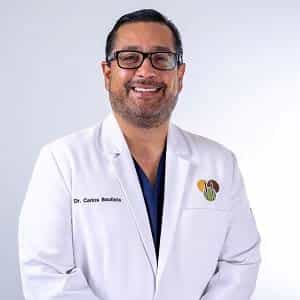
Dr. Carlos Bautista
Tijuana, Mexico
2. Prof. Dr. Murat Servan DOSOGLU - BAYINDIR Healthcare Group - Istanbul, Turkey
Prof. Dr. Murat Servan DOSOGLU is a highly esteemed and globally recognized neurological surgeon practicing at the prestigious BAYINDIR Healthcare Group in Istanbul, Turkey. Known for his incredible precision and deep academic background, Prof. DOSOGLU handles some of the most complex brain and spinal cord surgeries in the region. Istanbul has become a premier destination for medical tourism, and experts like Prof. DOSOGLU are a major reason why. He specializes in advanced microsurgery techniques, tumor resections, and the surgical management of severe neurological trauma. His vast clinical experience, combined with his dedication to patient safety and excellent post-operative outcomes, makes him a highly sought-after expert for international patients requiring intricate neurosurgical interventions.
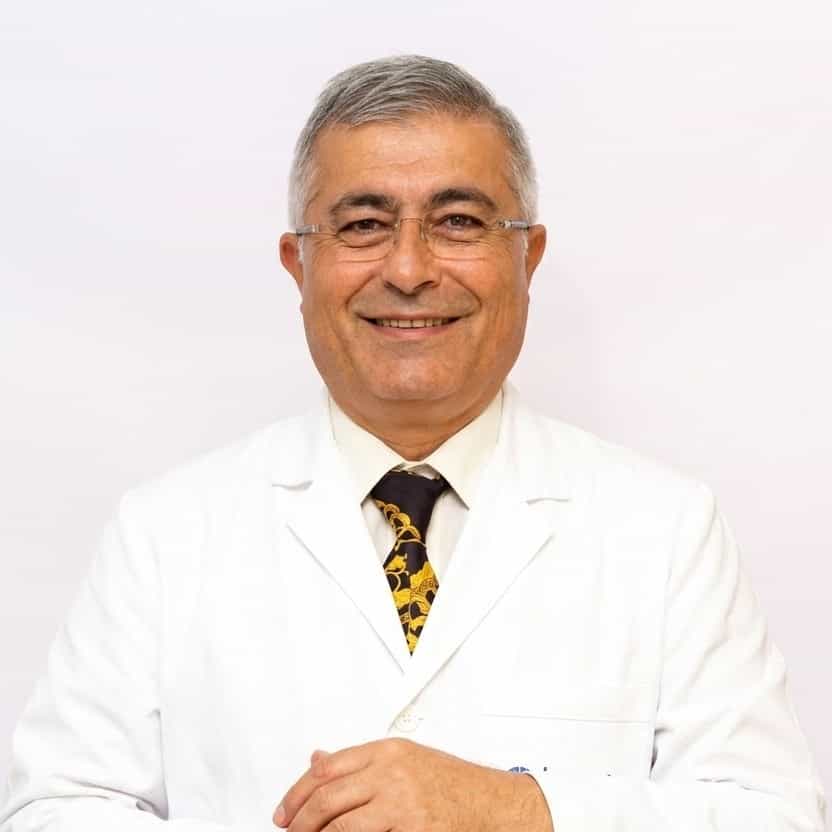
Prof. Dr. Murat Servan
Istanbul, Turkey
3. Andrew J. Fishman M.D. - Medicus Clinic - Wroclaw, Poland
Dr. Andrew J. Fishman is a world-renowned Neurological Surgeon, Neurologist, and elite Otolaryngologist practicing at the highly regarded Medicus Clinic in Wroclaw, Poland. With over 25 years of unparalleled clinical and academic experience, Dr. Fishman operates at the highly complex intersection of neurology and skull base surgery. He is a leading global authority on neurotology, cranial base tumors (like acoustic neuromas), and advanced cochlear implantation. His unique multidisciplinary approach utilizes cutting-edge image-guided endoscopic techniques, allowing him to safely navigate the delicate structures of the brain and skull base. International patients flock to Poland specifically to benefit from his remarkable surgical precision and deep understanding of auditory neuroscience.
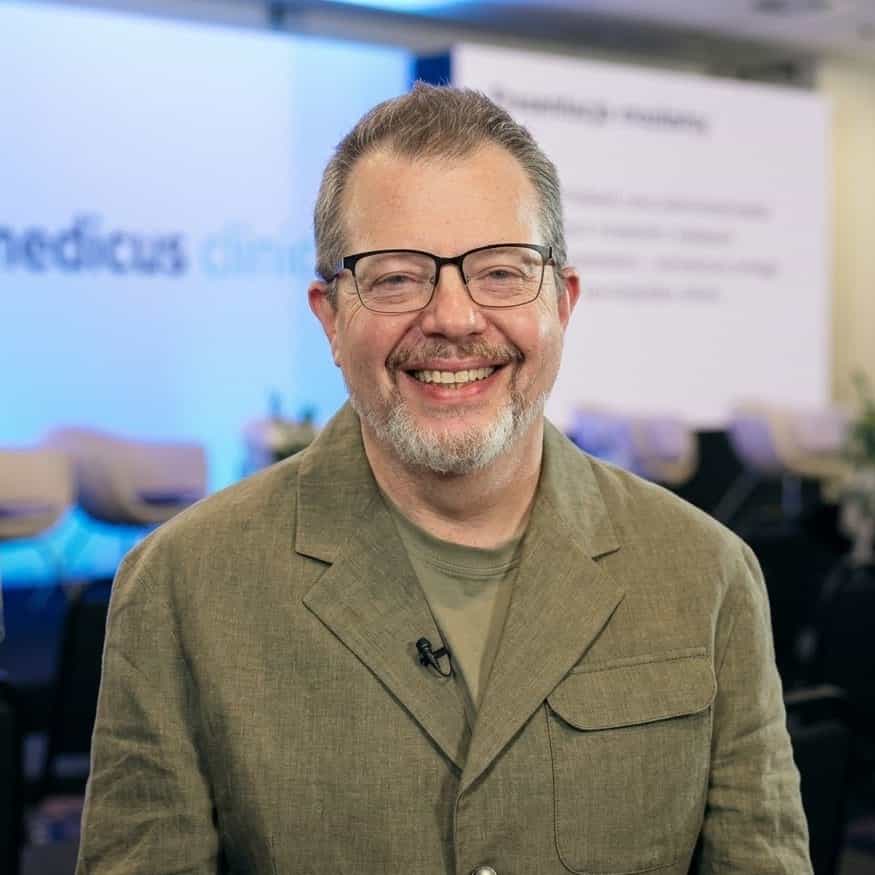
Andrew J. Fishman M.D.
Wroclaw, Poland
4. Prof Siyi CAI - AMCare - Beijing, China
Prof. Siyi CAI is a highly distinguished Neurological Surgeon and leading authority on spinal surgery based at AMCare in Beijing, China. Prof. CAI has earned international acclaim for his groundbreaking work in treating severe spinal cord injuries and complex neurological spine disorders. Combining advanced surgical techniques with innovative rehabilitation protocols, he offers comprehensive care aimed at restoring mobility and nerve function. China has rapidly advanced in the field of neurology and spinal care, and Prof. CAI represents the very pinnacle of this medical excellence. His dedication to clinical research and his meticulous approach to complex spinal reconstructions make him a top choice for patients worldwide suffering from debilitating nerve and spine conditions.

Prof Siyi CAI
Beijing, China
5. Prof. Mete Karatay, MD - Liv Bona Dea Hospital - Baku, Azerbaijan
Prof. Mete Karatay is a celebrated neurosurgeon providing world-class care at the modern Liv Bona Dea Hospital in Baku, Azerbaijan. With a strong focus on advanced brain and spine surgeries, Prof. Karatay utilizes the latest neuro-navigation technologies and minimally invasive techniques to treat brain tumors, vascular malformations, and severe spinal disc disorders. His rigorous medical training and commitment to international healthcare standards have positioned him as a leading figure in the region's rapidly growing medical tourism sector. Patients appreciate his thorough diagnostic approach, clear communication, and the exceptional modern facilities at Liv Bona Dea, which ensure a safe and comfortable recovery process.

Prof. Mete Karatay, MD
Baku, Azerbaijan
6. Tural Rahimli - Liv Bona Dea Hospital - Baku, Azerbaijan
Practicing alongside leading experts at Liv Bona Dea Hospital in Baku, Dr. Tural Rahimli is a highly skilled neurologist known for his expertise in diagnosing and managing a wide spectrum of complex neurological diseases. His practice focuses heavily on medical management and advanced diagnostics for conditions such as severe epilepsy, movement disorders, and chronic migraines. Dr. Rahimli is deeply dedicated to patient education, ensuring that individuals traveling from abroad fully understand their condition and the long-term management strategies required. His compassionate approach, combined with access to top-tier diagnostic imaging at the hospital, provides international patients with accurate diagnoses and highly effective, personalized treatment plans.
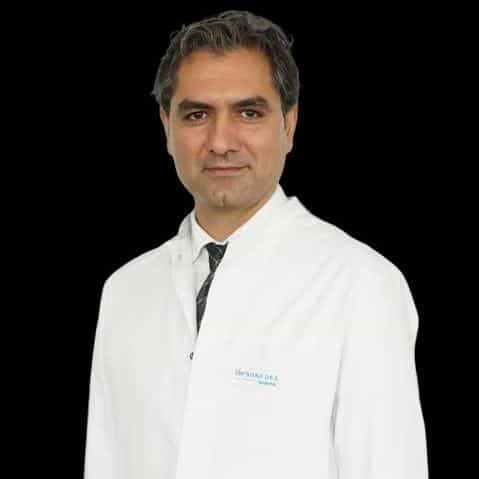
Dr. Tural Rahimli
Baku, Azerbaijan
7. Pongwat Polpong, MD - EDNA Wellness - Bangkok, Thailand
Dr. Pongwat Polpong is a pioneering medical professional based at EDNA Wellness in the bustling medical hub of Bangkok, Thailand. Dr. Polpong specializes in the intersection of neurology, regenerative medicine, and holistic wellness. Thailand is famous for integrating advanced medical treatments with exceptional hospitality and wellness recovery, and Dr. Polpong exemplifies this approach. He focuses on neuro-recovery, cognitive enhancement, and the management of neurodegenerative conditions using a combination of cutting-edge therapies and comprehensive lifestyle modifications. His focus on treating the whole patient—mind, body, and nervous system—makes him a favorite among international patients seeking both medical intervention and profound healing.

Pongwat Polpong, MD
Bangkok, Thailand
8. Sarunya Yutthagovit, MD - EDNA Wellness - Bangkok, Thailand
Also at EDNA Wellness in Bangkok, Dr. Sarunya Yutthagovit provides exceptional neurological care with a strong emphasis on holistic neuro-wellness and anti-aging neurology. Her expertise lies in identifying the early signs of cognitive decline, managing chronic nerve pain, and optimizing brain health through innovative therapies. Dr. Yutthagovit works closely with international patients to develop preventative strategies and personalized treatment protocols that slow the progression of neurological aging and disease. Her compassionate bedside manner, combined with the luxurious and supportive environment of EDNA Wellness, provides a uniquely stress-free healing experience for patients traveling long distances for their medical care.

Sarunya Yutthagovit, MD
Bangkok, Thailand
9. Prof. Dr. Erhan Arslan - Medical Park Hospitals Group - Istanbul, Turkey
Prof. Dr. Erhan Arslan is a leading neurosurgeon affiliated with the massive and highly respected Medical Park Hospitals Group in Istanbul, Turkey. He possesses vast experience in treating highly complex neurosurgical cases, including deep brain tumors, severe spinal deformities, and pediatric neurosurgical conditions. Operating in one of Europe’s most technologically advanced hospital networks allows Prof. Arslan to utilize state-of-the-art robotic and minimally invasive surgical tools. His outstanding success rates and profound academic contributions to the field of neurosurgery have firmly established his reputation as one of the most reliable and skilled neurological surgeons available to the international medical community today.

Prof. Dr. Erhan Arslan
Istanbul, Turkey
10. Prof. MD. Ahmet Suat Topaktas - Medical Park Hospitals Group - Istanbul, Turkey
Rounding out this elite list is Prof. MD. Ahmet Suat Topaktas, an exceptional clinical neurologist also practicing at the renowned Medical Park Hospitals Group in Istanbul. Prof. Topaktas is widely celebrated for his deep expertise in diagnosing and managing complex, hard-to-treat neurological disorders, particularly epilepsy, Parkinson's disease, and severe movement disorders. He employs a meticulous diagnostic process, utilizing the latest in neuro-imaging and electrophysiological testing to pinpoint exact neurological dysfunctions. His commitment to offering evidence-based, compassionate care draws patients from all over the world who require authoritative second opinions and highly advanced medical management for their chronic neurological conditions.
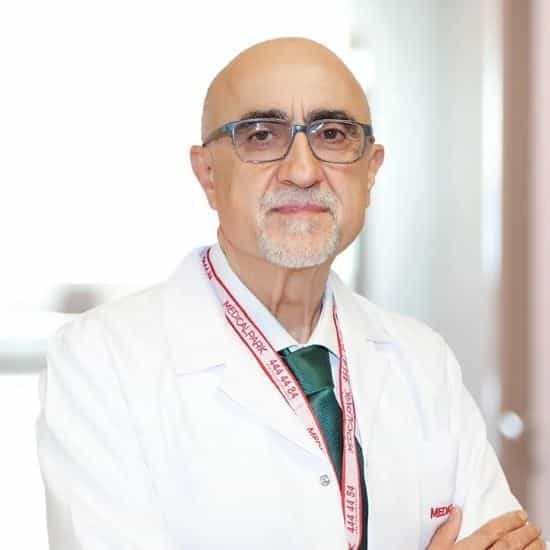
Prof. MD. Ahmet Suat
Istanbul, Turkey
When Should You See a Neurologist?
Determining exactly when to bypass a general practitioner and seek out a specialized neurologist can be a confusing process for many patients. Because the nervous system connects to every part of your body, neurological symptoms can often mimic other medical conditions, leading to delayed diagnoses. As a general rule, you should seek a neurologist's expertise when you experience sudden, severe, or persistently worsening symptoms that affect your brain function, muscle control, or sensory perception. A primary care doctor can usually handle mild, occasional headaches or minor dizziness, but when these symptoms become chronic, severely debilitating, or are accompanied by other alarming signs like vision loss or sudden weakness, it is a clear signal that specialized neurological intervention is urgently required. Delaying a consultation can allow progressive diseases to worsen or lead to irreversible nerve damage.
Furthermore, if you have been diagnosed with a neurological condition by a local doctor but the prescribed treatment plan is not working, or if the side effects of the medication are intolerable, it is highly advisable to seek a second opinion from a world-class neurologist. Top-tier specialists have access to a broader arsenal of diagnostic tools and advanced therapeutic options that might not be available at smaller, regional clinics. They can conduct highly detailed evaluations using advanced MRI protocols or genetic testing to uncover nuances in your condition that were previously missed. Being proactive about your neurological health and recognizing the warning signs early on is the most effective way to protect your long-term cognitive and physical well-being.
-
Chronic or Severe Headaches: If you experience sudden, intense migraines that are unlike any headache you have had before, or chronic headaches that do not respond to over-the-counter medication, it requires specialist evaluation.
-
Persistent Dizziness or Balance Issues: Experiencing frequent vertigo, a feeling that the room is spinning, or a sudden inability to maintain your physical balance can indicate serious inner ear or brain stem issues.
-
Numbness and Tingling: Continuous or sudden numbness, "pins and needles" sensations, or a loss of feeling in one side of your body or in your extremities can be early warning signs of a stroke or severe nerve compression.
-
Movement Problems: Uncontrollable tremors, sudden muscle weakness, rigidity, involuntary jerks, or extreme difficulty walking and coordinating basic movements point directly to neurological dysfunction.
-
Memory Loss and Confusion: Rapid or progressive cognitive decline, severe memory loss, sudden confusion, or dramatic changes in personality and behavior warrant immediate testing for dementia or other brain disorders.
What Questions Should You Ask During a Neurologist Consultation?
A consultation with a world-class neurologist, especially when traveling abroad, is a highly valuable opportunity that should be maximized. Because these appointments are often comprehensive and cover complex medical information, it is incredibly easy to feel overwhelmed or forget to bring up vital concerns. The best way to ensure a productive consultation is to arrive fully prepared. Before your appointment, you should gather all your medical records, previous MRI or CT scans, lab results, and a complete, updated list of any medications and supplements you are currently taking. This prevents the doctor from having to guess your medical history and allows them to dive straight into analyzing your current condition and forming a concrete action plan.
In addition to bringing your records, preparing a specific list of questions is essential for taking active control of your healthcare journey. Writing your questions down on paper or your phone ensures you won't leave the clinic with lingering doubts. Your questions should aim to clarify your exact diagnosis, understand the realistic expected outcomes of the proposed treatment, and identify any potential risks or side effects. Good neurologists appreciate patients who are engaged and inquisitive about their health. Clear communication during this initial meeting builds trust and lays the essential foundation for a successful doctor-patient relationship, which is critical for long-term neurological care.
-
Diagnostic Certainty: Ask, "Based on my test results and symptoms, how certain are you of this specific diagnosis, and are there any other conditions that could mimic these exact signs?"
-
Experience Level: Ask, "How many patients with my specific condition have you treated in the past year, and what is your overall success rate or complication rate?"
-
Treatment Options: Ask, "What are all the available treatment options (surgical, medical, and alternative) for my condition, and what is your specific recommended approach and why?"
-
Risks and Side Effects: Ask, "What are the most common and the most severe potential risks, side effects, or recovery difficulties associated with this proposed treatment or surgery?"
-
Long-Term Outlook: Ask, "What does the timeline for recovery look like, and how will this condition or treatment affect my daily life, mobility, and independence in the long term?"

.png)
-(3)-(1).png)
-Package-in-Istanbul,-Turkey-for-Medical-Travelers-with-Movement-Disorders-Thumbnail.jpg)
-.jpg)








.png)











Share this listing