


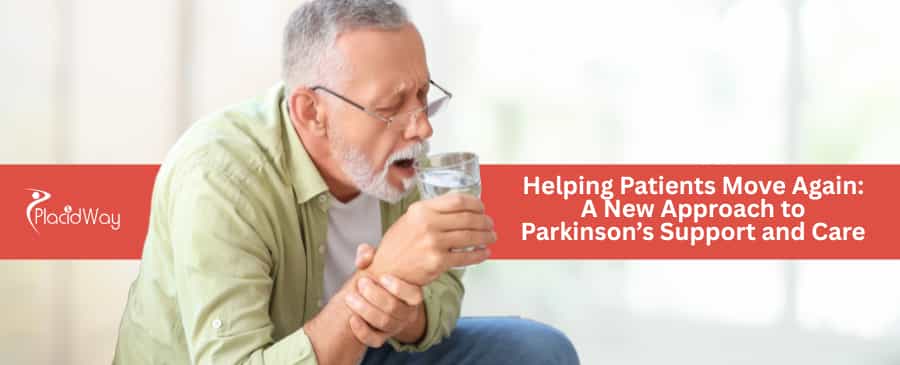
For decades, individuals living with Parkinson's disease have faced a restrictive reality dictated by declining motor function and heavy medication regimens. Traditional pharmaceutical interventions often provide diminishing returns over time, leaving many patients searching for innovative pathways to reclaim their independence. This search has increasingly led families across the border, establishing medical tourism in Tijuana as a beacon of hope for alternative neurological care. Advanced therapeutic protocols are redefining what is possible for symptom management.
Among the most discussed alternative therapies is the use of a naturally occurring psychoactive alkaloid derived from the root bark of the African Tabernanthe iboga plant. By shifting focus toward neuro-regeneration rather than mere symptom suppression, these specialized protocols aim to address the root mechanisms of movement disorders. The growing international interest highlights a profound desire among patients to explore comprehensive healing environments outside standard domestic limitations. This shift represents a significant evolution in global healthcare choices.
Tijuana has transformed into a leading global hub for alternative neuro-regenerative therapies, attracting thousands of international patients annually who seek treatments unavailable in their home countries.
Understanding How Ibogaine Treatment Works for Movement Disorders
The core philosophy behind Ibogaine treatment for Parkinson's centers on its unique ability to interact with the central nervous system. Scientific observations suggest that the substance promotes the release of Glial cell line-derived neurotrophic factor (GDNF), a highly specialized protein. GDNF is known to support the survival and function of dopaminergic neurons, which are the exact cells that deteriorate in patients with Parkinson's disease. This mechanism theoretically encourages a "reset" of neural pathways, providing a biological window for enhanced mobility.
While standard medications typically act as dopamine replacements or agonists, this alternative approach attempts to stimulate the brain's inherent regenerative capacities. Patients generally enter a deep introspective state during the active phase of the therapy, while their physical brain chemistry undergoes profound shifts. Medical professionals monitoring these sessions observe that this dual action—psychological processing combined with physiological neuroplasticity—can yield significant, multifaceted benefits. However, results are highly individualized and require careful integration.
- Neurotrophic Stimulation: Potentially increases GDNF expression to protect existing neurons.
- Receptor Resetting: Interacts with multiple neurotransmitter systems, including serotonin and dopamine receptors.
- Inflammation Reduction: May help decrease neuro-inflammation, a contributing factor in Parkinson's progression.
- Psychological Clarity: Often provides patients with renewed mental resilience to cope with chronic illness.
Why U.S. Patients Choose Medical Tourism in Tijuana for Neurotherapy
The geographical proximity of the Mexican border makes it exceptionally convenient for North American patients seeking cross-border healthcare solutions. Unlike traveling to distant international destinations, crossing into Baja California requires minimal logistical planning and reduces the physical strain on individuals already dealing with movement limitations. This ease of access has positioned the region as a highly practical choice for those exploring advanced alternative Parkinson's treatment in Mexico. Patients can quickly transition from their homes to a specialized clinical setting.
Beyond geographical convenience, the regulatory framework in Mexico allows licensed physicians to legally administer certain therapies that remain restricted in the United States. This environment fosters a concentration of highly specialized medical professionals dedicated to alternative neurology and integrative medicine. Patients frequently report that the compassionate, unhurried care models found in these specialized centers provide a stark, positive contrast to the clinical rigidity they often experience domestically. The combination of accessibility, legality, and patient-centered care drives the industry's growth.
The medical tourism sector in Baja California generates billions in revenue annually, with a significant portion dedicated to regenerative and alternative treatments that are strictly regulated or classified as experimental in North America.
Analyzing the Cost of Ibogaine in Tijuana Compared to U.S. Options
Managing a chronic neurological condition presents a tremendous financial burden for families, with domestic out-of-pocket costs for advanced or experimental therapies often reaching exorbitant levels. When evaluating healthcare options, international patients consistently seek environments that offer transparent pricing without compromising medical safety or facility standards. The overall Ibogaine cost in Tijuana is a major driving factor for patients who are financially exhausted by the conventional healthcare system. By seeking care internationally, individuals can allocate their resources more effectively toward comprehensive healing.
A typical treatment package in Baja California is designed to be all-inclusive, covering extensive pre-treatment cardiac screenings, the therapy session itself, professional medical supervision, and short-term post-care integration. Because the primary active compound is unavailable in regular U.S. clinical settings, direct cost comparisons often contrast the price of an international trip with domestic alternative experimental trials or holistic retreats. Most patients experience substantial savings while receiving dedicated, one-on-one medical attention. Transparent financial planning allows patients to focus entirely on their recovery journey.
| Procedure / Service | Average Cost in Tijuana | Estimated Cost in U.S. (Alternative/Experimental) |
|---|---|---|
| Pre-Treatment Medical Screening (EKG, Bloodwork) | Included in Package ($300 standalone) | $800 - $2,500 |
| Full Ibogaine Therapy Session (with medical team) | $5,500 - $8,500 | Not Legally Available |
| Extended In-Patient Care (5-7 Days) | $1,500 - $2,500 | $7,000 - $15,000 |
| Total Estimated Package | $7,000 - $11,000 | $15,000+ (Similar Intensive Holistic Care) |
The Role of New Path Ibogaine Tijuana in Advanced Recovery
Among the various facilities catering to international patients, finding a clinic that adheres strictly to rigorous medical protocols is absolutely paramount for a safe experience. Reputable centers place a heavy emphasis on cardiovascular monitoring and individualized dosing, recognizing that neurological patients require nuanced, specialized care. Securing affordable Ibogaine in Tijuana does not mean sacrificing the quality of medical supervision or the comfort of the healing environment. In fact, many facilities boast state-of-the-art diagnostic equipment and luxury accommodations.
New Path Ibogaine Tijuana stands as an example of a dedicated medical environment designed specifically to support complex patient needs through comprehensive holistic and medical integration. Facilities of this caliber employ multidisciplinary teams consisting of cardiologists, emergency medicine physicians, and psychological integrators to guide patients through every phase of the process. This collaborative approach ensures that the physiological aspects of the therapy are closely managed while simultaneously supporting the emotional well-being of the patient. Comprehensive care models are the cornerstone of successful medical tourism outcomes.
- Continuous vital sign monitoring via advanced telemetry throughout the active treatment phase.
- Thorough pre-admission psychological and physical evaluations to ensure patient candidacy.
- Dedicated post-treatment integration coaching to maximize the neuroplastic benefits.
- Comfortable, private recovery suites designed to reduce sensory overload during healing.
What to Expect During Your Ibogaine Therapy in Tijuana
The treatment journey typically begins long before the patient crosses the border, involving extensive virtual consultations and medical record reviews to establish a baseline of health. Upon arrival, patients generally undergo a final, rigorous round of physical examinations, focusing heavily on cardiac health and liver function. The actual administration of the plant medicine is a carefully orchestrated event, with dosages mathematically tailored to the patient's body weight and specific medical profile. Patients are never left unattended during the active phase.
During the onset of the therapy, which typically lasts between 8 to 12 hours, individuals often enter a waking-dream state characterized by deep introspection and memory processing. Meanwhile, the clinical team actively monitors heart rate, blood pressure, and oxygen levels to ensure complete physiological stability. As the acute phase subsides, the patient transitions into a "gray zone" of rest and reflection, which is crucial for cellular repair and mental integration. Most patients experience a profound sense of physical reset following adequate rest.
Prepare for the introspective nature of the treatment by practicing mindfulness or meditation techniques in the weeks leading up to your trip. Mental preparation is just as critical as physical readiness.
Preparing for Safe Neuro-Regenerative Treatment in Mexico
Adequate preparation is the most critical factor in mitigating risks associated with advanced psychedelic therapies. Ibogaine clinics in Tijuana typically enforce strict pre-treatment protocols, demanding comprehensive blood panels, standard metabolic profiles, and recent electrocardiograms (EKGs). Because the active alkaloid is known to potentially prolong the QT interval of the heart, underlying cardiovascular issues must be identified and evaluated by a qualified cardiologist. Transparency regarding all current prescriptions, supplements, and physical symptoms is absolutely mandatory.
Furthermore, patients must work closely with their home neurologists to safely manage their existing medication schedules leading up to the procedure. Some traditional Parkinson's medications may interact negatively with plant-based therapies, requiring a carefully supervised tapering process prior to admission. This transitional phase can be challenging, underscoring the need for a collaborative approach between the patient's primary care team and the international clinic. Proper preparation builds a solid foundation for optimal therapeutic outcomes.
Individuals with severe heart conditions, certain psychiatric disorders, or compromised liver function are strictly contraindicated for this therapy. Always undergo comprehensive medical screening before committing to treatment.
Examining the Safety Protocols for Ibogaine Clinics in Tijuana
Safety within the realm of alternative medicine hinges entirely on the clinical infrastructure and the expertise of the attending staff. Leading facilities operate akin to specialized intensive care units during the administration phase, utilizing continuous cardiac telemetry and intravenous access for immediate medical intervention if required. Advanced life support (ACLS) certified nurses and emergency physicians are generally on-site or immediately accessible around the clock. This level of medical oversight is what differentiates reputable medical providers from unregulated holistic retreats.
In addition to physiological safety, psychological safety is prioritized through the presence of experienced guides and psychotherapists. The emotional vulnerability experienced during the therapy requires a compassionate, stable environment to prevent distress. Clinics enforce strict protocols regarding environmental stimuli, ensuring lighting, sound, and interactions are carefully controlled to support the patient's nervous system. Rigorous adherence to these protocols significantly reduces the likelihood of adverse events.
Studies published by psychedelic research organizations indicate that continuous EKG monitoring and stringent exclusion criteria reduce the risk of cardiovascular complications during clinical administration by over 95%.
Recovery and Post-Treatment Care After Ibogaine in Tijuana
The days immediately following the therapy are characterized by a gradual return to baseline consciousness and a heightened state of physical sensitivity. During this acute recovery window, patients are encouraged to rest deeply, hydrate thoroughly, and consume nutrient-dense foods to replenish their metabolic reserves. It is common for individuals to experience mild physical fatigue alongside a profound sense of mental clarity or emotional relief. Medical staff closely monitor vital signs as the body metabolizes the remaining alkaloids.
Long-term recovery relies heavily on the integration process, which bridges the gap between the clinical experience and the patient's daily life back home. Maintaining the neuroplastic benefits often requires sustained lifestyle modifications, including specialized physical therapy, dietary changes, and consistent neurological check-ups. Patients who actively participate in comprehensive aftercare programs generally report more sustained improvements in their motor functions. The journey of healing continues long after the patient leaves the facility.
- Engage in specialized physical therapy (such as LSVT BIG) to capitalize on new neuro-pathways.
- Work with an integration coach to process the psychological aspects of the experience.
- Maintain a clean, anti-inflammatory diet to support ongoing cellular health.
- Schedule immediate follow-ups with your primary neurologist upon returning home.
Evaluating the Success Rates of Alternative Parkinson’s Treatment in Mexico
Setting realistic expectations is a fundamental component of patient satisfaction and medical ethics in the context of progressive neurological conditions. While clinics cannot guarantee a cure, many patients report a temporary yet significant alleviation of rigidities, tremors, and bradykinesia (slowness of movement). These improvements can vastly enhance the patient's overall quality of life, allowing them to engage in daily activities with renewed independence. Success is generally measured by the restoration of functional mobility and improved psychological outlook.
It is important to recognize that the duration of these benefits varies dramatically among individuals, influenced by the disease's progression stage and the patient's overall biological resilience. Some individuals may experience relief lasting several months, while others might find the effects diminish more rapidly, necessitating potential booster treatments. Ongoing clinical observations suggest that patients in the earlier to moderate stages of the disease typically yield the most pronounced physiological responses. Transparency regarding these variables is crucial for informed consent.
Many patients report that the secondary psychological benefits—such as a renewed sense of purpose and a decrease in disease-related depression—are just as impactful as the physical improvements in mobility.
Legal and Regulatory Landscape of Ibogaine in Tijuana
The dichotomy in drug classification between the United States and Mexico is the primary catalyst for this specific branch of cross-border medical travel. North of the border, the substance remains classified as a Schedule I drug, meaning authorities consider it to have no accepted medical use and a high potential for abuse. Conversely, Mexican health authorities have adopted a more pragmatic approach, allowing the substance to be administered by licensed medical professionals within registered clinical environments. This regulatory freedom enables clinical innovation that is currently stalled domestically.
However, this legality does not equate to a lack of oversight; reputable clinics must adhere strictly to the regulations set forth by COFEPRIS (the Mexican equivalent of the FDA). Facilities are subject to health inspections, must maintain proper emergency protocols, and ensure all attending physicians possess valid medical licenses. Patients are strongly advised to independently verify a clinic's credentials, licenses, and emergency affiliations before committing to any treatment plan. Understanding the legal landscape ensures a safer, more confident medical journey.
COFEPRIS is the federal commission in Mexico responsible for protecting populations against sanitary risks, and all legitimate healthcare facilities in Baja California must operate under their strict regulatory guidelines.
Real Patient Experiences with Ibogaine Clinics in Tijuana
Data and clinical mechanisms only tell half the story; the true impact of these therapies is best understood through the lived experiences of those who have undertaken the journey. Patient testimonials frequently highlight a profound transition from a state of physical and emotional confinement to one of renewed hope. These narratives often emphasize the compassionate nature of the clinical staff and the startling, rapid changes observed in their motor control. Sharing these outcomes provides invaluable perspective for prospective patients.
While subjective, these case summaries reflect the broad spectrum of possibilities inherent in alternative neurological treatments. They serve as a testament to human resilience and the relentless pursuit of healing beyond conventional borders. It is vital to remember that individual results vary, and these summaries represent personal experiences rather than guaranteed medical outcomes. Examining real-world experiences helps patients set grounded, realistic expectations.
Patient Case 1: Early-Onset Management
A 55-year-old male from California struggling with early-onset Parkinson's sought alternative care after experiencing severe side effects from standard agonists. Following his clinical session, he reported a noticeable decrease in resting tremors and found he could button his shirts independently for the first time in two years.
Patient Case 2: Addressing Rigidity
A 62-year-old female patient traveled from Texas specifically to address debilitating muscular rigidity. Post-treatment, her integration team noted a significant improvement in her gait fluidity and a reduction in "freezing" episodes during her physical therapy evaluations.
Patient Case 3: Reclaiming Mobility
A 68-year-old male reported that the most profound change was his renewed ability to initiate movement without extreme effort. While he still requires a tailored medication regimen, his daily dosage was carefully adjusted downward by his home neurologist after the therapy.
Patient Case 4: Psychological Resilience
A 59-year-old female focused her testimonial on the psychological relief the treatment provided. She expressed that breaking free from the depressive cycle associated with her diagnosis allowed her to engage much more proactively with her daily physical exercises.
Integrating Holistic Care alongside Ibogaine in Tijuana
Leading clinics understand that administering a single plant-based compound is rarely sufficient to address the complex systemic nature of a neurodegenerative disease. Therefore, top-tier facilities incorporate an array of holistic, complementary therapies to maximize the primary treatment's efficacy and support total body wellness. These programs often include intravenous nutrient therapy, specialized dietary planning, and hyperbaric oxygen therapy to promote optimal cellular repair. By treating the patient as a whole system, the potential for sustained recovery is greatly enhanced.
Furthermore, practices such as restorative yoga, guided meditation, and therapeutic massage are frequently woven into the recovery timeline to alleviate bodily tension and promote relaxation. This multidisciplinary approach ensures that patients are physically strong and mentally clear before, during, and after their core treatment. Such comprehensive care models exemplify the high standard of medical tourism available in the region. Holistic integration is a critical pillar of modern alternative healthcare.
Hyperbaric Oxygen Therapy (HBOT) is frequently used in conjunction with plant-based treatments to flood the brain with oxygen, which can further reduce neuro-inflammation and support the healing of neural tissues.
How PlacidWay Assists Your Ibogaine Medical Tourism Journey in Tijuana
Embarking on a journey for international medical care can feel overwhelming, especially when managing the daily challenges of a neurological condition. Having a trusted partner to facilitate the process ensures that patients can focus their energy entirely on healing rather than logistical or administrative hurdles. Our role is to bridge the gap between international patients and world-class healthcare providers, ensuring transparency and safety every step of the way. We prioritize empowering patients through education and access.
Through careful vetting and dedicated support systems, we streamline the process of connecting you with reputable, certified medical professionals across the border. Our comprehensive platform is designed to provide clarity, facilitate direct communication, and advocate for your unique medical needs. Here is how we support your journey toward alternative neurological care:
- Providing access to thoroughly vetted and certified medical facilities in Baja California.
- Facilitating the secure transfer of your comprehensive medical records and diagnostic imaging.
- Offering detailed, transparent cost comparisons to aid in your financial planning.
- Assisting with direct communication channels between you and the international medical team.
- Providing educational resources to help you make informed, confident healthcare decisions.
Frequently Asked Questions
Is Ibogaine treatment safe for Parkinson's patients?
When administered in a clinical setting with rigorous medical oversight, Ibogaine therapy is generally considered safe for qualifying patients. Strict cardiovascular and neurological screenings are required before approval. Most patients experience manageable physiological changes under expert supervision.
How much does Ibogaine treatment typically cost in Tijuana?
Treatment packages typically range between $5,500 and $10,500, depending on the clinic and the length of the program. This cost generally encompasses medical screening, the therapy itself, and standard aftercare protocols. It remains highly cost-effective compared to experimental therapies in the United States.
Do U.S. citizens need a visa to travel to Tijuana for medical care?
U.S. citizens generally do not need a visa for short medical trips to Tijuana that last less than 180 days. A valid U.S. passport is required for reentry into the United States. Patients should always verify current entry requirements prior to crossing the border.
What is the typical recovery time after an Ibogaine session?
The acute recovery phase typically lasts 48 to 72 hours, during which patients rest and process the experience under medical watch. Most individuals are ready to return home within a week. Full neurological integration and noticeable mobility changes generally unfold over several weeks.
Why is Ibogaine unavailable in the United States?
Ibogaine is currently classified as a Schedule I substance in the United States, meaning it is not legally available for medical use outside of approved clinical trials. In contrast, Mexico permits its use in regulated medical settings. This regulatory difference drives a significant portion of medical tourism in Tijuana.
Can I stop my standard Parkinson's medications after Ibogaine therapy?
Patients must never abruptly stop their prescribed Parkinson's medications without explicit guidance from their primary neurologist. While some patients report reduced reliance on medications, Ibogaine is an adjunct therapy, not a cure. Any adjustments to medication must be carefully managed by a licensed healthcare provider.
How are Ibogaine clinics in Tijuana regulated?
Reputable clinics operate under the jurisdiction of Mexican health authorities, ensuring compliance with local medical standards. They typically employ licensed physicians, cardiologists, and emergency responders. Patients are advised to thoroughly vet facilities for proper licensing and emergency infrastructure.
What type of follow-up care is required after leaving the clinic?
Post-treatment care generally involves continuous check-ins with your home neurologist and the clinic's integration team. Ongoing physical therapy and lifestyle modifications are highly recommended to sustain neuroplastic benefits. Consistent medical monitoring is crucial for long-term health.
How exactly does Ibogaine stimulate neuroplasticity?
Research suggests that Ibogaine temporarily increases the expression of Glial cell line-derived neurotrophic factor (GDNF) in the brain. This protein supports the survival of dopaminergic neurons, which are typically compromised in Parkinson's disease. The process theoretically helps reset certain neural pathways.
Are the physical improvements from Ibogaine permanent?
Outcomes vary significantly by individual, and clinics cannot guarantee permanent results. While many patients experience a sustained reduction in tremors and rigidity, Parkinson's remains a progressive condition. Some individuals opt for booster therapies down the line to maintain their quality of life.
Ready to explore alternative neurological care with PlacidWay? Let us connect you with certified medical providers today.
References
- Wikipedia. Ibogaine. https://en.wikipedia.org/wiki/Ibogaine
- Multidisciplinary Association for Psychedelic Studies (MAPS). Ibogaine Therapy Research. https://maps.org/research/ibogaine-therapy/
- National Center for Biotechnology Information (NCBI). Glial cell line-derived neurotrophic factor (GDNF) and Parkinson's disease. https://pubmed.ncbi.nlm.nih.gov/9126148/






.png)








Share this listing