
Medical Tourism in Tijuana: Navigating Choices, Clinics, and Safe Care
A Canadian woman sits at her kitchen table, reviewing a digital packet for gastric sleeve surgery. She is weighing the relief of bypassing a multi-year local waitlist against the anxiety of boarding a flight to San Diego and trusting a driver to cross the border.
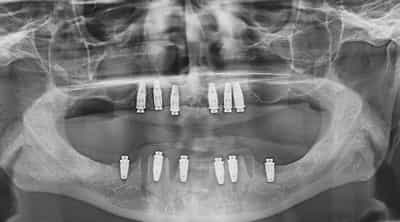
A US man maps the driving distance from his home in Arizona to San Ysidro. He needs full-mouth dental implants, a procedure priced beyond his life savings at home, but he is currently calculating how many repeat border crossings the bone-grafting timeline will require.
A mother coordinates a mommy makeover with a boutique recovery center in Baja California. She is balancing her deep desire to restore her body after childbirth with the logistical reality of bringing her husband along to manage her post-operative drains in a foreign hotel room.
All three people are dealing with medical tourism in Tijuana, but their actual journeys, decisions, and experiences differ significantly.
How do I evaluate the actual clinical capability, safety protocols, and long-term support of a provider in a cross-border environment when every option looks identical online?
Understanding Your Core Motivation Before You Cross the Border
Choosing to seek healthcare outside your home country is rarely a casual choice.
Maybe you have been delaying necessary dental crowns or veneers because local estimates outpace your available savings.
Perhaps you are exhausted by a healthcare system where elective bariatric surgery is treated as a distant luxury rather than a necessary, life-altering medical intervention.
Maybe a colleague recently returned from a Tijuana clinic with a successful rhinoplasty, prompting you to wonder if the proximity makes it a viable option for your own aesthetic goals.
Perhaps your fertility treatments have quietly drained your budget in the US, and you are seeking a regulated, capable alternative just minutes across the international line.
Maybe you are dealing with chronic joint pain, and orthopedic surgery in Mexico seems like the only way to avoid years of limited mobility.
Perhaps you are simply seeking clarity, trying to separate genuine clinical excellence from aggressive social media marketing.
Which sounds most like you?
"I just want to get my health back on track without completely draining my retirement account."
This reader is prioritizing cost accessibility versus long-term value. The decision hinges on ensuring that lower upfront prices do not lead to expensive revisions later.
"I am willing to travel, but I need to know exactly who will handle complications if they arise."
This reader is prioritizing safety and verifiable emergency protocols over initial convenience. They need transparent escalation pathways rather than just a welcoming concierge.
"I need this procedure soon, but I refuse to be treated like an assembly-line patient."
This reader is weighing personalization against standardization. They are looking for a surgeon who limits daily operations rather than a high-volume facility.
"I am organizing this for myself, but my partner is incredibly nervous about the travel logistics."
This reader is prioritizing family and companion considerations. The chosen environment must offer security, clear communication, and comfort for the caregiver as well.
This is why choosing medical tourism in Tijuana should begin with your situation, not a generic ranking, slogan, or price comparison.
One Destination. Several Different Real-World Paths.
Tijuana is not one single medical experience.
Official guidance notes that medical facilities in Mexico vary widely in their infrastructure, regulatory compliance, and clinical capabilities. While some facilities mirror top-tier North American hospitals, others operate as small, unregulated clinics.
Current medical board research suggests that outcomes heavily depend on verifying the specific credentials of the attending physician, not just the facility's brand name. Board certification from bodies like the Mexican Council of Plastic, Esthetic and Reconstructive Surgery (CMCPER) is a critical differentiator.
In practice, this can vary drastically depending on whether you are crossing for a single afternoon dental appointment or a multi-night surgical stay. Capability, quality, timing, and support can differ substantially between providers, locations, or models.
This is a planning consideration, not a guarantee. You must navigate the difference between a dedicated bariatric hospital with an on-site ICU and a rented surgical suite in a commercial building.
Here is what those differences can feel like in real life.
The All-Inclusive Surgical Hub: When Predictability is the Priority
Consider arriving at the San Diego airport, greeted immediately by a designated medical shuttle driver. You bypass the complex border navigation entirely, driven straight to a dedicated bariatric or orthopedic facility.
This option attracts readers who want logistics handled so they can focus purely on the surgery. It solves the profound anxiety of navigating a foreign city alone while medically vulnerable.
However, the less obvious reality is that heavily packaged experiences can obscure medical boundaries. You must determine if the "concierge" is a medical professional or simply a hospitality coordinator.
Before you decide, ask:
- What is the exact physical location of the recovery house in relation to an emergency room?
- Who specifically assumes medical responsibility during the shuttle transfer back to the US?
- Are the nurses in the all-inclusive recovery facility registered and certified for post-operative care?
- What happens to my travel schedule if my flight clearance is medically delayed?
- Is the after-hours communication line answered by a doctor or a customer service agent?
Convenience can change the calculation. It should not end the research.
The Outpatient Border Clinic: When Repeated Access is Required
Picture parking on the US side in San Ysidro and walking through the pedestrian border crossing for a morning dental appointment. You receive a bone graft and temporary implants, then walk back across the border by mid-afternoon.
This model attracts readers seeking extensive dental care, such as implants or veneers, where proximity allows for massive cost savings without the need for hotel stays. It supports the expectation of treating a foreign clinic much like a local dentist.
Yet, complex dental and fertility treatments often require multiple visits spread over several months. Operational challenges include changing border wait times, managing pain during travel, and coordinating extended treatment timelines across international lines.
What matters here isn’t the first-day price.
- How many total round trips will this complete procedure actually require?
- Does the clinic provide a Medical Lane pass (FastLane) for vehicle crossings after treatments?
- What is the specific protocol if a temporary crown falls out while I am back home?
- Is the warranty on the dental materials valid if a US dentist adjusts them?
- Can the clinic accommodate schedule shifts if border wait times cause unforeseen delays?
The appeal of low upfront cost is powerful. It cannot replace the reality of total travel time and multiple visits.
The Premium Aesthetic Center: When Goals Demand Strict Aftercare
Think of booking a tummy tuck or mommy makeover, followed by a mandatory five-day stay in a specialized recovery boutique. The environment feels more like a spa than a hospital, complete with lymphatic drainage massages and chef-prepared meals.
This option appeals to readers who understand that cosmetic surgery recovery is physically demanding and require professional assistance away from family obligations. It solves the problem of managing post-operative pain and surgical drains without placing the burden on a spouse.
The hidden trade-off is often clinical isolation. A beautiful recovery room is not an intensive care unit, and moving a patient back to a full hospital in the event of an infection can be complicated.
Before you decide, ask:
- Does the operating surgeon have daily rounding privileges at the specific recovery boutique?
- What is the exact escalation procedure if a complication arises at 3 AM?
- Are companions allowed to stay in the boutique, or must they book separate hotel accommodations?
- Who evaluates and approves my final medical clearance before I am allowed to fly home?
- Is there a fully equipped ambulance on standby, or do they rely on local municipal services?
Same city. Completely different clinical and emotional demands.
The Person Beside You Has a Critical Role Too
There is often another person missing from guides like this.
It is the partner, the adult child, or the close friend sitting in the waiting room. Their role is critical, yet their experience is rarely discussed in marketing brochures.
Real-Life Responsibilities for Companions:
- Holding passports, cash, and medical documents during chaotic transitions.
- Communicating with family back home while navigating spotty cellular service.
- Tracking medication schedules when the patient is groggy from anesthesia.
- Noticing physical changes or concerns that the patient cannot see.
- Running to local pharmacies in unfamiliar neighborhoods for prescribed supplies.
- Providing quiet, steady reassurance in moments of post-operative vulnerability.
A responsible decision process must equip this person for the journey. They need to know exactly how to access important medical information and who to contact if plans suddenly change.
They must understand the financial contingencies, the expected timelines, and what practical support they will be expected to provide versus what the clinic handles. Their own well-being, ability to rest, and comfort level with the environment are vital to a safe outcome.
Better medical decisions consider everyone affected, not only the person occupying the hospital bed.
Moving Beyond the Simplistic "Is it Safe?"
The most common question people ask is simply: "Is Tijuana safe for medical procedures?"
This question feels entirely natural. However, a simple yes or no answer is fundamentally misleading.
Safety is not a blanket characteristic of a city. It is the result of specific protocols, verified credentials, and individual patient health profiles intersecting at a precise moment in time.
Instead of asking if the destination is safe, ask these targeted research questions:
- Does this specific surgeon operate in a hospital certified by the General Health Council (CSG) of Mexico?
- What are the documented infection rates for this exact procedure at this exact facility?
- Will my local primary care doctor agree to coordinate with my cross-border surgical team?
- What is the facility’s protocol for handling a deep vein thrombosis (DVT) during recovery?
- Are the anesthesiologists board-certified specialists, or general practitioners?
- How does the clinic secure my private medical data across international borders?
Verifying the Reality Behind the Marketing
Attractive claims require proof and accountability.
"We offer premium, world-class cosmetic and bariatric care with internationally certified doctors."
The stronger verification question is: Who exactly is certifying you, and where can I independently check that license number?
You must look beyond shiny badges on a website. Verify that the facility is registered with COFEPRIS (Mexico's Federal Commission for the Protection against Sanitary Risk). For cosmetic procedures, verify the surgeon on the CMCPER registry.
Trust comes from identifiable responsibility, evidence-based credentialing, and regulatory accountability, not from social media follower counts.
Before you commit, try the 4-Border Test
Before transferring a deposit or booking a flight, apply this framework to reveal hidden risks or missing information.
1. The 2AM Checkpoint
If you experience severe pain at 2:00 AM on your second night in the recovery hotel, who answers the phone? Is it an on-call physician with prescribing power, or an answering service?
2. The Complication Clause
If a gastric bypass requires an unexpected three-day stay in the ICU, who bears the financial responsibility? Does the clinic offer medical complication insurance, or is the patient liable for thousands in out-of-pocket hospital fees?
3. The Follow-Up Handoff
When you return to Canada or the US, what exactly will you hand to your local doctor? Do you have comprehensive surgical notes, implant serial numbers, and lab results?
4. The Translation Gap
Are all final discharge documents, prescriptions, and post-operative instructions provided in fluent, unambiguous English to prevent medication errors?
That is the Medical Tourism in Tijuana test.
Show the Topic Through Different Reader Eyes
"I am a cash-pay patient seeking a gastric bypass but have a history of heart murmurs."
Direction: Investigate only fully equipped, multi-specialty hospitals with on-site cardiology units, rather than standalone surgical suites.
Key Factor: Verify the presence of an advanced ICU and a dedicated anesthesiologist experienced with complex cardiovascular profiles.
Warning: Choosing a budget bariatric clinic based solely on price places you at unacceptable risk if a cardiac event occurs.
"I am a local border resident looking for ongoing orthodontic care."
Direction: Look for clinics situated immediately near the San Ysidro pedestrian crossing to minimize travel friction.
Key Factor: Availability of flexible, late-afternoon or weekend appointments that align with your work schedule.
Warning: Do not choose a provider that cannot supply a Medical Lane vehicle pass if you intend to drive across regularly.
"I am a couple seeking IVF after years of emotional and financial exhaustion."
Direction: Research fertility clinics with verifiable partnerships to US or European reproductive laboratories.
Key Factor: Transparency regarding embryo storage protocols, lab accreditations, and legal documentation for cross-border transport if necessary.
Warning: Avoid any clinic offering guaranteed pregnancy rates, as this contradicts global reproductive medical standards.
"I am a mother of two traveling with my husband for a mommy makeover."
Direction: Prioritize packages that include a specialized recovery boutique with 24/7 nursing staff.
Key Factor: Ensuring the husband has clear logistical information, safe accommodation, and a direct line to the surgical team.
Warning: Do not attempt to fly or endure a long drive home earlier than the surgeon explicitly clears, despite the urge to see your children.
Same Medical Tourism in Tijuana. 4 completely different research journeys.
Moving Beyond the Baseline Quote
Eventually, almost everybody asks.
"How much will this actually cost?"
It is a completely reasonable question. However, the first number you see on a clinic’s website is almost never the final amount you will spend.
What will the whole journey cost?
- Initial procedure price: The baseline medical quote (surgeon, anesthesiologist, operating room).
- Pre-operative clearances: Lab work, EKGs, or specialist consultations required before approval.
- Travel and access: Round-trip flights, airport transfers, passports, and border transportation fees.
- Companion expenses: Meals, hotel stays, and transportation for the person accompanying you.
- Post-operative supplies: Compression garments, specialized nutrition, pain medication, and antibiotics.
- Time commitments: Lost wages from extended time off work, especially if recovery takes longer than anticipated.
- Unexpected problems: Costs associated with managing an infection or a required revision surgery back home.
- Ongoing support: Long-term follow-up care with local physicians who may charge out-of-network rates.
The cheapest procedure may not create the cheapest total experience.
The Reality of the Cross-Border Experience
The hum of the shuttle engine navigating unfamiliar traffic.
The sterile, reassuring smell of the clinic lobby.
Handing your passport to an official while balancing a folder of medical records.
The sharp beep of the vital signs monitor in a recovery room.
Texting your family from a foreign bed to say the surgery went well.
The exhaustion of the return journey, managing seatbelts around tender incisions.
The relief of walking into your own home, knowing the hardest part is over.
Relying on a partner to empty surgical drains or manage pain medication alarms at dawn.
That is still care. Just a very different kind.
Questions People Realize They Should Have Asked
"I wish I’d known how long the border wait would be on a Sunday afternoon when I was already in pain."
"I wish I’d checked if my local dentist would agree to adjust international implant work before I traveled."
"I wish we’d planned for the emotional toll of recovering in a hotel room away from our support network."
"I wish I’d asked for my complete surgical report in English before they discharged me."
"I wish I’d known that 'board-certified' in marketing materials didn't automatically mean certified by the official national council."
"I wish I’d researched the complication insurance policy closer instead of assuming it covered everything."
"Experience seamless, pain-free medical care and enjoy a vacation in Mexico!"
Real-life questions provide far better guidance than promotional messages. Surgery is medical trauma, and recovery requires patience, planning, and endurance, regardless of the geographic location.
Evaluating Your Personal Fit and Boundaries
Medical Tourism in Tijuana may be worth investigating when:
- You can independently verify the surgeon’s credentials with official Mexican medical boards.
- You have a dedicated support person willing to travel with you and manage logistics.
- You have arranged for local follow-up care in your home country prior to departure.
- Your budget allows for unexpected travel delays or minor complication management.
- You understand that recovery is a medical process, not a vacation opportunity.
- You have reviewed and understood the facility's specific emergency transfer protocols.
Who Should Think Especially Carefully?
Medical Tourism in Tijuana—or any comparable option—may make less sense when:
- You have severe pre-existing cardiovascular, pulmonary, or complex systemic health conditions.
- You are traveling completely alone for a major surgical procedure.
- You cannot afford potential out-of-pocket costs if a complication requires extended hospitalization.
- You feel pressured by limited-time offers or aggressive sales tactics.
- Your local doctor strongly advises against travel due to specific clinical risks.
- You are unwilling to follow strict pre-operative diets or post-operative activity restrictions.
"I’m not comfortable proceeding."
A responsible guide should make it easier for you to recognize when not moving forward is the absolute right decision for your health.
What brings you here?
Navigating severe obesity without insurance coverage
Investigate dedicated bariatric centers with proven post-operative nutritional coaching.
Needing full mouth restoration on a fixed income
Investigate border-adjacent dental clinics specializing in All-on-4 procedures with verifiable material warranties.
Looking for body contouring after massive weight loss
Verify CMCPER-certified plastic surgeons operating exclusively in CSG-accredited hospitals.
Seeking joint replacement to regain mobility
Research orthopedic specialists who provide comprehensive physical therapy coordination plans.
Exploring alternative fertility treatment options
Review clinics with transparent success rate reporting and certified embryology laboratories.
That is not simply a guide. It is a decision environment.
Returning to the Human Story
Maybe someone is sitting at their desk, comparing three different clinic quotes, feeling overwhelmed by the conflicting online reviews.
Maybe a family is discussing the logistics around the dinner table, mapping out who can take time off work to act as the primary caregiver during the trip.
Maybe someone is balancing the deep hope for physical relief against the natural uncertainty of crossing an international border for care.
Maybe someone is carefully deciding whether to proceed now, or to wait another year until they can save a larger safety net.
Medical Tourism in Tijuana should not be reduced to simple promises of saving money, getting instant results, or finding "the best" clinic. It is a complex reality involving your individual health circumstances, practical travel limitations, available support systems, diligent verification, and long-term follow-through.
The best option is not the one with the most attractive marketing brochure.
It is the one where:
the right clinical capability,
the right verified specialist,
the right support system,
and a realistic path to safe, long-term recovery
can come together for your particular situation.
Instead of asking:
"Where is Medical Tourism in Tijuana cheapest?"
Replace it with:
"What is the next informed step that realistically fits my situation?"
Your Way to Hope
At PlacidWay, we understand that seeking medical care away from home is a profound decision. It involves personal choices, family involvement, and a deep need for trust.
Maybe medical tourism is the right path for your journey. Maybe it isn't.
We are here to provide clarity, not pressure. It is not only about crossing a border for care. But about finding a setting where preparation meets realistic expectations, allowing you to move forward with confidence.
Are you ready to explore what an informed medical journey might look like for you?
Request Personalized InformationReferences
- Medical Tourism Guidelines – Centers for Disease Control and Prevention (CDC)
- Surgeon Verification Registry – Mexican Council of Plastic, Esthetic and Reconstructive Surgery (CMCPER)
- Health Facility Regulations and Licensing – Federal Commission for the Protection against Sanitary Risk (COFEPRIS)
- Patient Safety and Cross-Border Surgery Guidelines – International Society of Aesthetic Plastic Surgery (ISAPS)
- Your Health Abroad: Medical Tourism Information – U.S. Department of State
Disclaimer: The information provided in this guide is for educational and planning purposes only and does not constitute medical or legal advice. Healthcare regulations, facility capabilities, and travel conditions change frequently. Always consult with a qualified, licensed healthcare professional in your home country before making medical decisions or undertaking travel for medical procedures. Independent verification of credentials and protocols is essential.



















Share this listing