
Early Diagnosis and Rehabilitation in Cerebral Palsy: The Critical Window for Success
Cerebral Palsy (CP) is not a single disease but a group of disorders that affect a person's ability to move and maintain balance and posture. It is the most common motor disability in childhood, and while it is a permanent condition, its impact on a child's life is not set in stone. The trajectory of a child with CP can be significantly altered through one primary factor: timing.
In this expert discussion, we delve into why identifying symptoms early and beginning intensive rehabilitation before the clinical picture fully "settles" is the most effective way to maximize a child's independence. By leveraging the brain's incredible early plasticity, modern medicine offers a pathway from struggle to functional success. Watch as we explore the milestones, therapies, and emotional journey of families navigating this diagnosis.
Video Chapters & Quick Navigation
The Critical Importance of Early Diagnosis in Cerebral Palsy
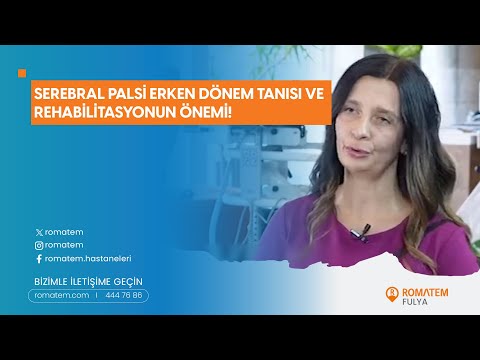
When a child is suspected of having Cerebral Palsy, every day counts. At [00:09], the expert emphasizes that the importance of early diagnosis cannot be overstated. During the first two years of life, the human brain undergoes a period of rapid development and high neuroplasticity. This is the brain's ability to reorganize itself by forming new neural connections.
For a child with a brain injury, early intervention takes advantage of this plasticity. By stimulating the brain through specific physical and occupational therapies, we can essentially "teach" healthy parts of the brain to take over functions that were supposed to be managed by the damaged areas. If we wait until the child is older, the neural pathways become more rigid, making it significantly harder to achieve the same functional gains.
The Emotional Weight of the CP Diagnosis
At [00:15], the speaker touches on a sensitive reality: telling a family that their child has Cerebral Palsy is one of the most difficult tasks for a medical professional. Often, when parents search for "CP" online, they are met with the most severe cases and worst-case scenarios, which can lead to overwhelming fear and despair.
It is crucial to remember that Cerebral Palsy exists on a broad spectrum. Some children may have very mild symptoms that barely affect their gait, while others may require significant assistance. The goal of early diagnosis is not just to label the condition, but to start a roadmap that prevents these worst-case scenarios from becoming the child's reality. By starting early, we can often shift a child from a "severe" trajectory to a much more "functional" one.
Acting Before the Clinical Picture Settles
One of the most profound insights shared in the video occurs at [00:32]. The expert notes that they aim to begin rehabilitation even before the full "clinical picture" has settled. In many medical conditions, doctors wait for a definitive diagnosis before prescribing treatment. In pediatric neuro-rehabilitation, waiting can be a mistake.
If a child shows "suspicious" signs—such as unusual muscle tone (too floppy or too stiff) or delays in basic movements—specialists prefer to treat the symptoms immediately. In some cases, with intensive early therapy, children who were once suspected of having CP can actually catch up to their peers and return to a normal developmental path, essentially "losing" the diagnosis because the brain was guided back on track before permanent motor patterns were established.
Tracking Developmental Milestones
The rehabilitation process is meticulously designed around natural developmental stages. At [01:02], the therapist explains the hierarchy of functional gains. We don't just try to get a child to walk; we follow the ladder of development:
- Head Control: This is the first and most vital step. Without the ability to hold the head up, a child cannot achieve the balance needed for sitting or standing.
- Sitting: Ideally achieved around 6 months [01:12]. Therapy focuses on core strength and balance to allow the child to sit unassisted.
- Standing: Targeted by the 9th month [01:15]. This involves weight-bearing exercises to strengthen the legs and stimulate bone density.
- Walking: The goal is to see progress toward walking between 12 and 18 months [01:17].
| Milestone Age | Functional Goal | Focus Area |
|---|---|---|
| 0-4 Months | Head Control | Neck muscle strengthening, visual tracking. |
| 6 Months | Independent Sitting | Core stability, trunk control, reaching. |
| 9 Months | Standing | Leg strength, weight shifting, hip alignment. |
| 12-18 Months | Walking | Gait training, balance, coordination. |
Advanced Pediatric Rehabilitation Techniques
The video showcases several modern rehabilitation tools. At [01:02], we see the use of "functional games." For a child, exercise should not feel like work; it should feel like play. Using colorful rings and stacking toys encourages fine motor skills and hand-eye coordination while the child is working on their posture.
Exercise balls (Physio-balls) are also visible at [01:12]. These are vital for improving "vestibular" processing—the child's sense of balance and space. By gently rocking a child on a ball, the therapist triggers automatic postural responses that help the child learn how to stabilize their own body.
The Power of Hydrotherapy for Cerebral Palsy
At [01:21], the footage highlights hydrotherapy (water therapy). For children with CP, the swimming pool is often where they feel the most free. The buoyancy of water supports the child's weight, allowing them to move limbs that might be too heavy or stiff to move on land.
Water also provides gentle resistance, which helps strengthen muscles without the high impact or risk of falling. Furthermore, warm water helps to reduce "spasticity" (muscle tightness), making stretching much more effective and less painful. The psychological benefit of being able to move independently in the water is a massive boost to a child's confidence and motivation.
A Lifelong Commitment to Potential
Rehabilitation is not a "quick fix" but a long-term journey. The expert emphasizes that repetitive exercise and consistency are the keys to success. Even if a diagnosis isn't 100% certain in the early months, starting the exercises does no harm and offers immense potential benefits. It builds a foundation of strength and flexibility that the child will use for the rest of their life.
Families play the most critical role in this journey. The exercises learned in the clinic must be integrated into daily life at home. When therapy becomes a natural part of the child's routine, the results are exponentially better. Every small victory—holding a spoon, sitting for five minutes, or taking a single step—is a testament to the power of early intervention and the resilience of the human spirit.
Ready to Give Your Child the Best Care for Cerebral Palsy?
PlacidWay Medical Tourism connects you with top-rated medical centers worldwide, offering world-class pediatric rehabilitation and advanced treatments for Cerebral Palsy. Let us help you find the best care for your child.
GET A FREE QUOTEView Full Video Transcript
00:00 ?imdi tabii bu a?amada erken tan?n?n ve çocuklarda hemen tedaviye rehabilitasyona ba?laman?n nas?l bir önemi var?
00:09 Çok fazla önemi var. Yani biz asl?nda bazen CP (Serebral Palsi) böyle ailelere çok rahat söylenebilecek, çocu?unuz budur denilebilecek bir ?ey gerçekten de?il.
00:24 Çünkü CP diyip bir ara?t?rma yapt???n?zda en kötü ?eyleri görüyorsunuz ve biz aileye söylerken çok zorlan?yoruz.
00:32 Ama biz CP oldu?unu dü?ündü?ümüz bir çocu?a, tablo oturmadan önce rehabilitasyon program?n? güzel kurgulay?p ba?larsak, zaman içerisinde belki ?üpheli olan vakalar? zaten CP de?ilmi? diyip normal ya?ant?s?na döndürebiliyoruz.
00:51 CP ise de bir an önce müdahale etmi? oluyoruz. Çünkü burada e?itim önemli, egzersiz önemli, tekrar önemli.
01:02 Bir an önce çocu?un fonksiyonel durumunu kazanmas?n? bekliyoruz. Önce ba??n? tutturmaya çal???yoruz, sonra oturtmaya çal???yoruz ve bunlarda da aylar?n? yakalamaya çal???yoruz.
01:12 Yani 6 ayda bir önce oturtmas? gerekiyor. 9. ayda ayakta durmas? gerekiyor. ??te 1 ya??ndan sonra 1.5 ya??nda en geç yürümesi gerekiyor.
01:20 Biz bunlar? egzersizlerle sa?lamaya çal???yoruz. Ve bu arada CP tan?s? zaten belki de ancak kesinle?iyor. Ama her zaman tan? kesin olmasa bile ba?lamaktan yanay?z.
-.jpg)
-Package-in-Istanbul,-Turkey-for-Medical-Travelers-with-Movement-Disorders-Thumbnail.jpg)
-(3)-(1).png)
.png)







.png)











Share this listing