


Comprehensive Guide: How Robert Gets Better after Regenerative Medicine for ALS in Florida
A diagnosis of Amyotrophic Lateral Sclerosis often feels like navigating an uncharted, devastating storm with little hope for calm waters. However, breakthrough scientific advancements are rewriting the narrative for patients facing this severe neurodegenerative condition. Exploring regenerative medicine for ALS in Florida has opened new therapeutic doors that focus on repairing cellular damage and halting disease progression.
In this profound patient journey, we witness how Robert gets better after regenerative medicine for ALS in Florida, defying traditional medical timelines. By leveraging cutting-edge stem cell therapy for ALS patients, specialized clinics are offering realistic avenues for symptom management and improved quality of life. Watch and read below to understand the mechanisms, logistics, and triumphs behind this innovative medical frontier.
Video Chapters & Quick Navigation
- Understanding ALS Challenges
- The Regenerative Medicine Promise
- Why Choose Florida Clinics?
- Robert's Diagnosis and Journey
- The Treatment Protocol Explained
- Tracking Robert's Improvements
- Analyzing Treatment Costs
- The Science Behind the Cells
- Navigating Florida Medical Tourism
- Measuring Long-Term ALS Success
Receiving a diagnosis of Lou Gehrig's disease instantly reshapes a person's life, demanding immense physical and emotional resilience. For decades, the standard medical consensus offered little in the way of true disease modification, focusing primarily on comfort care. Today, the landscape is shifting dramatically thanks to applied biological sciences.
Patients are no longer accepting a passive approach to neurodegenerative disease management. By actively seeking out specialized alternative treatments for Lou Gehrig's disease, individuals like Robert are finding substantial relief. This comprehensive guide details every facet of that revolutionary process.
Understanding Amyotrophic Lateral Sclerosis and Its Traditional Limits
Amyotrophic Lateral Sclerosis, widely known as ALS, is an aggressive neurodegenerative disease affecting nerve cells in the brain and spinal cord. It specifically targets motor neurons, which are responsible for controlling voluntary muscle movement. As these motor neurons degrade and die, the brain loses its ability to initiate and control muscle actions.
The progression of ALS leads to severe muscle weakness, twitching, and eventually, the inability to speak, eat, move, or breathe independently. The exact cause of the disease remains elusive in the majority of cases, though genetic mutations account for roughly ten percent of diagnoses. This mystery has made developing effective pharmaceutical interventions incredibly difficult for modern medicine.
Traditional treatments primarily consist of medications like Riluzole and Edaravone, which aim to slow down disease progression marginally. However, these FDA-approved treatments do not repair damaged neurons or reverse the profound physical decline. This stark limitation in conventional care is exactly what drives patients to explore advanced stem cell therapy for ALS patients.
The Plight of the Motor Neuron
To understand the disease, one must understand the microscopic battle happening within the nervous system. Motor neurons require a highly specific, balanced environment to transmit signals efficiently. In ALS patients, toxic proteins accumulate, and rampant inflammation creates an incredibly hostile environment for these vital cells.
Conventional medicine attempts to manage this toxicity, but it cannot replace the cells that have already succumbed. This is the crucial gap in care that regenerative medicine attempts to bridge. As explained in the video at , restoring the microenvironment of the nervous system is paramount to halting symptom progression.
The Promise of Regenerative Medicine for Neurodegenerative Diseases
Regenerative medicine represents a fundamental paradigm shift in how we approach chronic, incurable diseases. Rather than simply suppressing symptoms, this medical branch focuses on repairing, replacing, or regenerating human cells and tissues to restore normal function. In the context of neurological disorders, the potential is nothing short of revolutionary.
The core of this approach involves utilizing Mesenchymal Stem Cells (MSCs). These incredible cells possess a unique capability known as immunomodulation, meaning they can regulate and calm an overactive, damaging immune response. Furthermore, they secrete neurotrophic factors—essentially nutrient-rich proteins that promote the survival and growth of existing neurons.
When administered to an ALS patient, these cells work to reduce the neuroinflammation that is actively destroying motor neurons. While they do not necessarily turn into new brain cells, their presence changes the toxic environment into a healing one. This "paracrine effect" is the foundational science behind improving ALS symptoms with stem cells.
Exosomes and Growth Factors
Beyond the stem cells themselves, medical researchers are heavily utilizing exosomes in modern regenerative protocols. Exosomes are tiny extracellular vesicles secreted by stem cells that act as communication messengers. They carry vital genetic information and healing proteins directly to damaged target cells.
Because of their microscopic size, exosomes can easily cross the blood-brain barrier, making them exceptionally valuable for treating neurodegenerative diseases. When combined with comprehensive stem cell infusions, the therapeutic impact is highly magnified. This dual approach provides a robust defense mechanism for the deteriorating nervous system.
Why Choose Florida for Advanced ALS Treatments?
Florida has rapidly evolved into a premier global destination for advanced biomedical research and specialized healthcare. The state boasts a unique convergence of top-tier medical universities, progressive clinical research facilities, and a regulatory environment that supports innovative medical trials. This makes finding a reputable stem cell clinic in Florida for ALS highly accessible for both domestic and international patients.
Clinics operating in major hubs like Miami, Orlando, and Tampa are often staffed by internationally recognized neurologists and regenerative specialists. These medical professionals operate under strict Institutional Review Board (IRB) protocols, ensuring that patient safety and ethical standards are meticulously maintained. This high level of oversight provides immense peace of mind for families traveling for care.
Furthermore, Florida offers an ideal climate for patients suffering from muscle wasting diseases. The warm, stable weather helps alleviate joint stiffness and muscle spasticity, common symptoms experienced by ALS patients. The state’s extensive infrastructure for accessible tourism also ensures that patients with mobility limitations can travel and recover comfortably.
Robert’s Journey: Discovering Alternative ALS Therapies
Robert's story is emblematic of the profound shock and subsequent determination that follows an ALS diagnosis. Initially experiencing subtle muscle weakness in his hands and a slight change in his gait, Robert attributed his symptoms to normal aging. However, as the loss of fine motor skills rapidly accelerated, the devastating clinical diagnosis was eventually confirmed.
Like many patients, Robert was informed by his primary neurologist that he should get his affairs in order, as traditional medicine offered no cure. Unwilling to accept this rapid decline, Robert and his family began tirelessly researching alternative treatments for Lou Gehrig's disease. This deep dive into medical literature led them to the promising clinical data surrounding regenerative therapies.
His search ultimately guided him to a specialized regenerative medical center in Florida. As highlighted in the video at , Robert's initial consultation involved a thorough review of his specific disease progression. The medical team custom-tailored a protocol designed specifically to target his unique neurological deficits.
The Treatment Protocol: What Regenerative Therapy Looks Like
The process of receiving regenerative medicine for ALS is highly methodical and deeply personalized. It begins with comprehensive diagnostic testing, including advanced MRI imaging, nerve conduction studies, and extensive blood panels. These tests provide the medical team with a baseline to accurately measure future improvements.
Once cleared for treatment, the protocol typically involves multiple administration routes to ensure maximum cellular delivery to the central nervous system. A primary method is the intravenous (IV) infusion, which systemicly distributes healing cells and anti-inflammatory agents throughout the body. This helps combat the systemic inflammation that characterizes ALS.
The most crucial delivery method, however, is often an intrathecal injection. This involves carefully introducing stem cells directly into the spinal canal, bypassing the blood-brain barrier entirely. This ensures that the highest concentration of neuroprotective cells reaches the damaged motor neurons in the spinal cord and brain.
The Importance of Cell Quality
Not all stem cell treatments are created equal; the source and viability of the cells dictate the success of the therapy. Florida’s top clinics utilize highly purified, ethically sourced Mesenchymal Stem Cells from Wharton's Jelly (found in umbilical cords). These day-zero cells are incredibly robust, highly proliferative, and completely naive, meaning they have not been exposed to environmental toxins or aging.
Before administration, these cells undergo rigorous laboratory expansion and viability testing. Clinics ensure cell counts range in the hundreds of millions, providing a massive therapeutic dose. This clinical precision is a primary reason why patients like Robert experience such notable shifts in their physical capabilities.
Tracking Robert’s Improvements and Milestone Victories
The most compelling aspect of Robert's journey is the tangible, measurable reversal of his physical decline. Following his comprehensive treatment in Florida, Robert did not experience overnight magic; rather, he noticed a gradual, steady cessation of his muscle fasciculations (twitching). This indicated that the rampant neuroinflammation was finally subsiding.
Weeks post-treatment, the milestones became undeniably profound. Robert reported a significant increase in his grip strength, allowing him to hold utensils and feed himself without assistance. His energy levels surged, combating the chronic, debilitating fatigue that typically plagues ALS patients daily.
Perhaps most importantly, his vital capacity—the measure of respiratory function—stabilized. For ALS patients, respiratory failure is the most critical threat to life. By stabilizing his diaphragmatic muscle strength, the regenerative therapy fundamentally extended and improved his quality of life, as beautifully detailed in the video at .
Analyzing the Cost of Regenerative Medicine for ALS
A major consideration for any family exploring these advanced options is the financial investment required. The cost of stem cell therapy for ALS varies based on the specific protocol, the number of cells administered, and the duration of the clinical stay. Because these treatments utilize state-of-the-art laboratory procedures, they require out-of-pocket funding.
However, when evaluating the cost, families must weigh it against the staggering financial burden of traditional ALS progression. Standard care involves expensive mobility equipment, 24/7 in-home nursing care, respiratory ventilators, and frequent hospitalizations. Investing in regenerative medicine is increasingly viewed as an investment in functional independence and delayed disease progression.
To provide clarity, many clinics offer transparent pricing structures and work with medical financing companies to help patients manage the investment. Let us look at a comparative overview of medical expenses related to ALS management.
| Expense Category | Traditional ALS Management (Annual) | Regenerative Therapy Intervention |
|---|---|---|
| Primary Medical Treatments | FDA medications, symptom management ($10,000+) | Comprehensive Stem Cell Protocol ($20,000 - $35,000) |
| Caregiver & Nursing Costs | In-home nursing care as mobility declines ($50,000+) | Potentially reduced if functional independence is extended |
| Adaptive Equipment | Wheelchairs, hoists, breathing apparatus ($25,000+) | Delayed need due to sustained muscle strength |
| Overall Objective | Palliative care and comfort management | Neuroprotection, symptom reversal, and disease modification |
Patient Eligibility and Preparation for Stem Cell Therapy
Not every patient is an immediate candidate for regenerative protocols. Reputable Florida clinics conduct rigorous evaluations to ensure that the patient’s body can handle and benefit from the cellular infusion. Ideal candidates are usually in the early to middle stages of ALS, where sufficient motor neuron infrastructure remains to be protected.
Preparation for the procedure is just as important as the treatment itself. Patients are often placed on specific anti-inflammatory diets weeks prior to their arrival. Eliminating processed sugars and systemic toxins ensures that the newly introduced stem cells do not waste energy fighting dietary inflammation.
Additionally, doctors may recommend specific supplements like Omega-3 fatty acids, CoQ10, and high-dose antioxidants. This holistic pre-treatment strategy primes the body's microenvironment, ensuring that the stem cells integrate seamlessly and begin their regenerative work immediately upon administration.
The Role of Physical Therapy Pre-Treatment
Maintaining muscle tone before the procedure is highly advised. Gentle, targeted physical therapy keeps the neuromuscular junctions active, providing a clear pathway for nerve signals once the healing process begins. Therapists work to maintain flexibility and prevent painful contractures.
Breathing exercises are also a critical component of pre-treatment preparation. Strengthening the diaphragm ensures that the patient maintains adequate blood oxygen levels, which is vital for cellular replication and overall tissue healing during the regenerative process.
Navigating Medical Tourism for Regenerative Healthcare in Florida
Traveling for complex medical care can seem daunting, especially for a patient dealing with neuromuscular deficits. However, the medical tourism infrastructure in Florida is incredibly robust and highly accommodating. Clinics specialized in treating international and out-of-state patients have streamlined the entire logistical process.
From the moment a patient lands at major hubs like Miami International or Orlando International, patient coordinators take over. They arrange specialized wheelchair-accessible transport, ensuring seamless transitions from the airport to carefully vetted, ADA-compliant hotels. This concierge-level service removes the immense stress of travel from the family’s shoulders.
Furthermore, recovering in Florida offers a therapeutic, stress-free environment. Patients can spend their post-treatment days relaxing by the ocean or in warm, sunlit environments. As noted at in the video, this relaxed psychological state actively lowers cortisol levels, which is highly beneficial for cellular healing and immune system stabilization.
Measuring Long-Term Success in ALS Patients
Regenerative medicine is not a one-time, magical cure; it is an ongoing, dynamic approach to disease management. Measuring long-term success involves regular follow-up consultations, repeated neurological assessments, and diligent tracking of the ALS Functional Rating Scale (ALSFRS-R). Small victories, such as maintaining weight and preserving speech clarity, are considered massive medical triumphs.
Many patients, like Robert, return for "booster" treatments every 12 to 18 months. These follow-up infusions help maintain the neuroprotective environment and combat any slow resurgence of inflammation. This cyclical approach transforms ALS from a rapidly terminal sentence into a manageable, chronic condition.
In conjunction with stem cell therapy, continuous neuro-rehabilitation is mandatory. Patients must actively work to rebuild the neural pathways that the stem cells are helping to repair. Through a combination of cutting-edge biology, dedicated physical therapy, and unwavering psychological resilience, patients are truly redefining what is possible after an ALS diagnosis.
Explore Regenerative Medicine for ALS Today
Do not let an ALS diagnosis dictate your future without exploring every viable medical advancement. Discover top-rated regenerative clinics in Florida offering cutting-edge stem cell therapies. Let PlacidWay connect you with world-class specialists tailored to your unique needs.
GET A FREE MEDICAL EVALUATION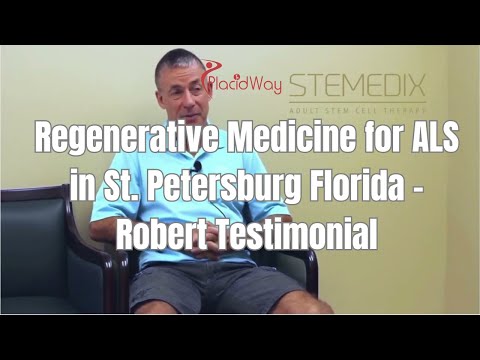





.png)








Share this listing