


Watch Annamarie Story after Regenerative Medicine for Parkinson in St. Petersburg, Florida
A diagnosis of a progressive neurodegenerative disorder often leaves patients and their families feeling isolated, frightened, and devoid of viable long-term solutions. For years, the standard protocol has relied heavily on symptom management, but paradigm-shifting advancements are altering the landscape of neurological care. Watch Annamarie Story after Regenerative Medicine for Parkinson in St. Petersburg, Florida, to discover a groundbreaking path to wellness. Her journey highlights the transformative potential of advanced cellular therapies in addressing the root causes of neurodegeneration.
Rather than simply masking tremors or stiff muscles with heavy pharmaceuticals, modern medicine is turning to the body’s innate healing mechanisms. Through this powerful firsthand account, you will witness the real-world impact of regenerative treatments on daily mobility, cognitive clarity, and overall quality of life. Explore how high-tier medical facilities in the heart of Florida are pioneering these life-changing protocols for patients globally.
Video Chapters & Quick Navigation
The Daily Reality of Living with Parkinson’s Disease
Parkinson’s disease is a relentless, progressive neurological condition that deeply alters a person's relationship with their own body. For patients like Annamarie, the initial signs are often subtle—a slight tremor in the hand, a change in handwriting, or a barely noticeable stiffness in gait. Over time, these minor inconveniences snowball into debilitating motor skill challenges that rob individuals of their independence.
The root cause of these symptoms lies deep within the brain, specifically in an area called the substantia nigra. This region is responsible for producing dopamine, a crucial neurotransmitter that acts as a chemical messenger regulating movement, balance, and coordination. As the disease progresses, the neurons that produce dopamine begin to degenerate and die off. By the time most patients receive an official diagnosis, they have already lost a significant percentage of their dopamine-producing cells.
As heard in the video at , Annamarie describes the profound frustration of losing her autonomy. Simple tasks such as buttoning a shirt, holding a cup of coffee without spilling, or walking across the living room become monumental hurdles. The psychological toll is equally devastating, often leading to severe anxiety, sleep disturbances, and depression.
The Limitations of Traditional Parkinson’s Care
For decades, the golden standard for managing Parkinson's disease has been pharmacological intervention, primarily utilizing medications like Levodopa and Carbidopa. These drugs are designed to cross the blood-brain barrier and convert into dopamine, temporarily replenishing the brain's depleted stores. While they are highly effective in the early stages of the disease, their efficacy inevitably wanes over time.
As the neurodegeneration continues, patients require higher and more frequent doses of medication to achieve the same symptomatic relief. This escalating reliance often triggers a frustrating phenomenon known as the "on-off" effect, where patients experience sudden, unpredictable fluctuations in their motor functions. During "on" periods, mobility is restored, but during "off" periods, profound stiffness and freezing return abruptly.
Furthermore, prolonged use of traditional dopaminergic medications introduces a host of severe side effects, most notably dyskinesia—involuntary, erratic writhing movements that can be just as disruptive as the Parkinsonian tremors themselves. Patients are trapped in a cycle of managing both the disease's natural progression and the toxicities of long-term pharmaceutical use. This desperate cycle is what drives individuals to seek out alternative treatments for Parkinson's disease in Florida and beyond.
Why Symptom Management is Not Enough
The fundamental flaw in standard Parkinson's care is that it does not halt or reverse the underlying neuronal death. It merely applies a biochemical bandage to a progressive wound. The brain's neuroinflammatory processes continue to rage unchecked, destroying healthy tissue day by day.
Patients are increasingly unwilling to accept a prognosis that only promises eventual decline. They are actively searching for therapies that address the root cause of neurodegeneration, aiming to protect surviving neurons and potentially stimulate the repair of damaged neural pathways. This shift in patient demand has catalyzed the rapid expansion of advanced clinical research into cellular therapies.
Understanding Regenerative Medicine for Neurological Disorders
Regenerative medicine represents a colossal paradigm shift in how modern science approaches chronic and degenerative diseases. Rather than introducing synthetic chemicals to mask symptoms, regenerative therapies utilize the body's natural biological materials to heal damaged tissues, modulate the immune system, and reduce systemic inflammation. For neurological conditions like Parkinson's, this approach offers unprecedented hope.
At the core of this therapeutic framework are mesenchymal stem cells (MSCs) and their derivatives, such as exosomes. These specialized biological agents are harvested either autologously (from the patient's own bone marrow or adipose tissue) or allogeneically (from ethically sourced, rigorously screened donor tissue like umbilical cord Wharton's jelly). Once processed and purified in state-of-the-art laboratories, they are reintroduced into the patient's body.
Annamarie's turning point, detailed at , occurred when she realized that regenerative therapies focus on neuroprotection rather than mere symptom suppression. By utilizing cutting-edge biological tools, doctors aim to create a microenvironment within the central nervous system that promotes healing rather than ongoing deterioration.
The Paracrine Effect: How Cellular Therapy Works
A common misconception is that stem cells introduced into the body simply transform into new, functioning brain cells. While differentiation is a component of stem cell biology, the primary mechanism of action in treating neurodegenerative diseases is known as the paracrine effect. Stem cells act as microscopic biochemical factories, secreting a rich cocktail of growth factors, cytokines, and signaling proteins.
These secretions have profound neurotrophic properties. They travel to sites of tissue injury and inflammation, signaling the body’s intrinsic repair mechanisms to activate. By doing so, they help to halt the apoptosis (programmed cell death) of vulnerable dopamine-producing neurons in the substantia nigra. Furthermore, they stimulate angiogenesis, which is the formation of new blood vessels, thereby improving blood flow and oxygen delivery to compromised areas of the brain.
Combating Neuroinflammation
Current neurological research heavily implicates chronic neuroinflammation as a primary driver of Parkinson's disease progression. Overactive microglial cells in the brain release toxic inflammatory mediators that accelerate the destruction of neural networks. Mesenchymal stem cells possess potent immunomodulatory capabilities.
When administered systematically or targeted locally, these cells communicate with the immune system, effectively downregulating aggressive inflammatory responses. By calming this localized neurological fire, the brain is afforded a critical window of opportunity to stabilize. This reduction in neuroinflammation is often the catalyst for the rapid symptomatic improvements reported by patients undergoing regenerative protocols.
Why St. Petersburg, Florida is a Global Hub for Advanced Therapies
When patients make the decision to pursue stem cell therapy for neurological disorders, the location of the treatment center is of paramount importance. St. Petersburg, Florida, has rapidly emerged as a premier destination for medical tourists seeking advanced regenerative care. The region uniquely combines rigorous medical standards, cutting-edge clinical infrastructure, and an environment highly conducive to healing.
Medical facilities in St. Petersburg operate under strict United States regulatory frameworks, ensuring that the handling, processing, and administration of biological products adhere to the highest safety and ethical guidelines. Patients benefit from transparent protocols, extensive pre-treatment screenings, and comprehensive post-procedure follow-ups that are characteristic of top-tier American healthcare.
Beyond the clinical excellence, the geographical attributes of St. Petersburg play a tangible role in patient recovery. As noted by the medical team at , reducing chronic stress is vital for neurological healing. The city's temperate climate, abundance of natural sunlight, and proximity to calming coastal environments provide a restorative backdrop. This allows patients to undergo intense medical procedures while experiencing the psychological benefits of a tranquil retreat.
Multidisciplinary Medical Teams
The top regenerative clinics in Florida do not operate in silos. They utilize multidisciplinary teams comprising neurologists, orthopedic specialists, regenerative scientists, and physical therapists. This collaborative approach ensures that a patient’s Parkinson's disease is treated holistically.
Before any cellular therapy is administered, patients undergo extensive diagnostic imaging, blood work, and neurological assessments. This data is used to customize the type, dosage, and delivery method of the regenerative agents, ensuring the highest probability of therapeutic success tailored to the individual's specific disease stage.
Comparing Treatment Pathways: Traditional vs. Regenerative
To fully grasp the magnitude of Annamarie's decision to pursue regenerative therapy, it is helpful to directly compare the conventional medical approach with advanced cellular treatments. Patients must navigate complex choices regarding efficacy, side effects, and long-term health outcomes.
| Feature | Traditional Therapy (e.g., Levodopa) | Regenerative Medicine |
|---|---|---|
| Primary Goal | Symptom masking and dopamine replacement. | Cellular repair, neuroprotection, and immune modulation. |
| Disease Progression | Does not halt or slow neuronal death. | Aims to slow progression and protect surviving neurons. |
| Side Effects | Dyskinesia, nausea, hallucinations, 'on-off' fluctuations. | Minimal; potential for mild, temporary localized soreness or fatigue. |
| Administration | Daily, often multiple times a day with strict timing. | Outpatient clinical procedures periodically scheduled based on progress. |
| Long-Term Viability | Efficacy diminishes over time requiring dosage increases. | Potential for sustained functional improvement and enhanced quality of life. |
Annamarie's Treatment Experience and Recovery Timeline
The journey through regenerative medicine is not a singular event but a carefully orchestrated biological process. Annamarie's story illustrates the comprehensive nature of these protocols. Upon arriving at the St. Petersburg regenerative clinic, she underwent an exhaustive evaluation to determine the specific baseline of her motor and cognitive functions. This baseline is critical for accurately measuring post-treatment improvements.
The administration of the regenerative agents is typically minimally invasive. Depending on the specific protocol designed by the medical team, the biological materials may be delivered via intravenous (IV) infusion, targeted localized injections, or intranasal delivery to bypass the blood-brain barrier directly. These procedures are usually performed in an outpatient setting, requiring only a few hours of the patient's time.
At , Annamarie highlights the immediate post-procedure phase. Unlike invasive surgeries that require extensive downtime, regenerative treatments involve minimal physical recovery. Patients are generally advised to rest and hydrate, allowing their body's biological systems to begin the complex work of cellular integration and healing.
Tracking Symptomatic Reversal
The timeline for experiencing tangible results varies significantly among patients, dictated by the severity of the disease and individual metabolic factors. However, many patients report early indicators of success within the first four to eight weeks. These initial changes often manifest as improved sleep quality, increased energy levels, and a subtle reduction in muscle rigidity.
As the months progress, the deeper neurotrophic effects begin to take hold. Annamarie documented a remarkable decrease in the frequency and severity of her resting tremors. Furthermore, her gait stabilization improved, allowing her to navigate her home without the constant fear of falling. This restoration of mobility is the ultimate goal of regenerative therapies, directly correlating to a regained sense of independence and joy.
The Financial Aspect: Cost of Regenerative Medicine for Parkinson's
A significant consideration for any patient exploring advanced medical treatments is the financial investment. Traditional health insurance policies frequently categorize regenerative cellular therapies as investigational, meaning patients must often cover the expenses out-of-pocket. However, when evaluating the cost of regenerative medicine for Parkinson's disease, it must be viewed through a comprehensive, long-term lens.
The conventional management of Parkinson's is extraordinarily expensive over a lifetime. The cumulative costs of escalating pharmaceutical dosages, frequent specialist consultations, physical therapy, home modifications for accessibility, and potential full-time caregiving services present a massive financial burden. In contrast, while regenerative therapy requires a substantial upfront investment, its potential to stabilize the disease and restore independence can drastically reduce these ongoing collateral expenses.
Clinics in St. Petersburg are highly transparent regarding their pricing structures. Treatment packages typically include all pre-operative diagnostics, the cellular products, the administration procedures, and structured post-treatment follow-ups. Many facilities also offer financing options or partner with medical tourism facilitators to help patients manage the logistics and financial planning of their medical journey seamlessly.
Comprehensive Lifestyle Integration for Maximum Efficacy
It is vital to understand that cellular therapy is not a standalone magic bullet. The most profound and lasting results are achieved when regenerative medicine is integrated into a holistic, health-optimizing lifestyle. The medical teams in Florida heavily emphasize the importance of creating a biological environment that supports the newly introduced cells.
Dietary modifications play a crucial role. Patients are guided toward anti-inflammatory nutritional protocols, rich in antioxidants, omega-3 fatty acids, and clean proteins. Eliminating processed foods and refined sugars helps maintain the lowered neuroinflammatory state achieved by the stem cells. Additionally, targeted physical therapy and regular, moderate exercise are prescribed to stimulate neuroplasticity—the brain's ability to form new neural connections in response to physical movement.
Annamarie’s continued success, as she reflects upon at , is a testament to her dedication to this holistic approach. By combining the cutting-edge science of cellular regeneration with proactive lifestyle choices, she has managed to rewrite her prognosis and reclaim her life from the grip of Parkinson’s disease.
Frequently Asked Questions About Regenerative Therapy for Neurological Conditions
Is regenerative therapy a cure for Parkinson's disease?
Currently, there is no definitive cure for Parkinson’s disease. Regenerative therapy aims to significantly slow disease progression, protect existing neurons, reduce neuroinflammation, and improve the patient's quality of life by mitigating severe symptoms.
Are there severe risks associated with stem cell treatments in Florida?
When performed in compliant, reputable clinics under strict US standards, the risks are minimal. The most common side effects are temporary localized pain at the injection or IV site and mild fatigue as the body responds to the biological agents. Because reputable clinics use highly screened or autologous cells, the risk of rejection or severe adverse reaction is extraordinarily low.
How soon can a patient expect to see results?
Response times vary based on age, disease severity, and overall health. Some patients notice subtle improvements in energy and sleep within weeks, while more profound motor symptom relief typically develops over three to six months as neuroinflammation subsides and cellular repair processes take effect.
Ready to Explore Advanced Neurological Therapies?
Take the first step toward reclaiming your independence. PlacidWay Medical Tourism connects you with top-tier, certified regenerative medicine clinics in St. Petersburg, Florida. Discover personalized treatment plans designed to target the root causes of Parkinson's disease.
REQUEST FREE INFORMATION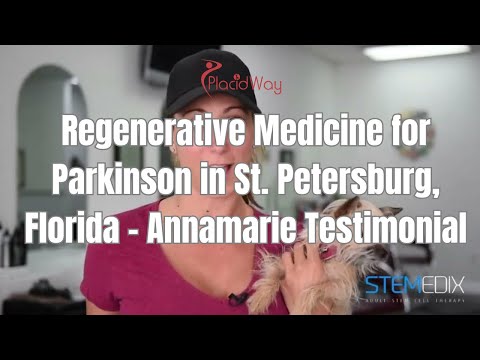


.png)


.png)








Share this listing