


Advanced Regenerative Medicine for Multiple Sclerosis in St. Petersburg, Florida
Living with Multiple Sclerosis (MS) often feels like navigating an unpredictable maze of symptoms, but innovative regenerative medicine for MS in St. Petersburg, Florida, is offering profound new hope. Traditional treatments primarily focus on managing immune responses, often with heavy side effects. However, cutting-edge therapies utilizing mesenchymal stem cells and exosomes are now aiming to actively repair neurological damage and halt disease progression. Watch to discover how state-of-the-art clinics on Florida's Gulf Coast are combining advanced cellular science with holistic recovery environments to transform the lives of those battling autoimmune conditions.
Video Chapters & Quick Navigation
For decades, a diagnosis of Multiple Sclerosis has meant a lifetime of symptom management, aggressive pharmaceuticals, and an uncertain neurological future. Today, a paradigm shift is occurring in the medical field, moving away from merely suppressing the immune system toward actively repairing the central nervous system. Patients from across North America are increasingly looking toward specialized coastal hubs for alternative MS treatments.
At the forefront of this medical revolution is St. Petersburg, Florida. This vibrant coastal city has quietly transformed into a premier destination for advanced cellular therapies. By leveraging the body's innate healing mechanisms, specialized clinics here are providing unprecedented options for patients seeking to regain their mobility, energy, and cognitive clarity.
Understanding the Unrelenting Burden of Multiple Sclerosis
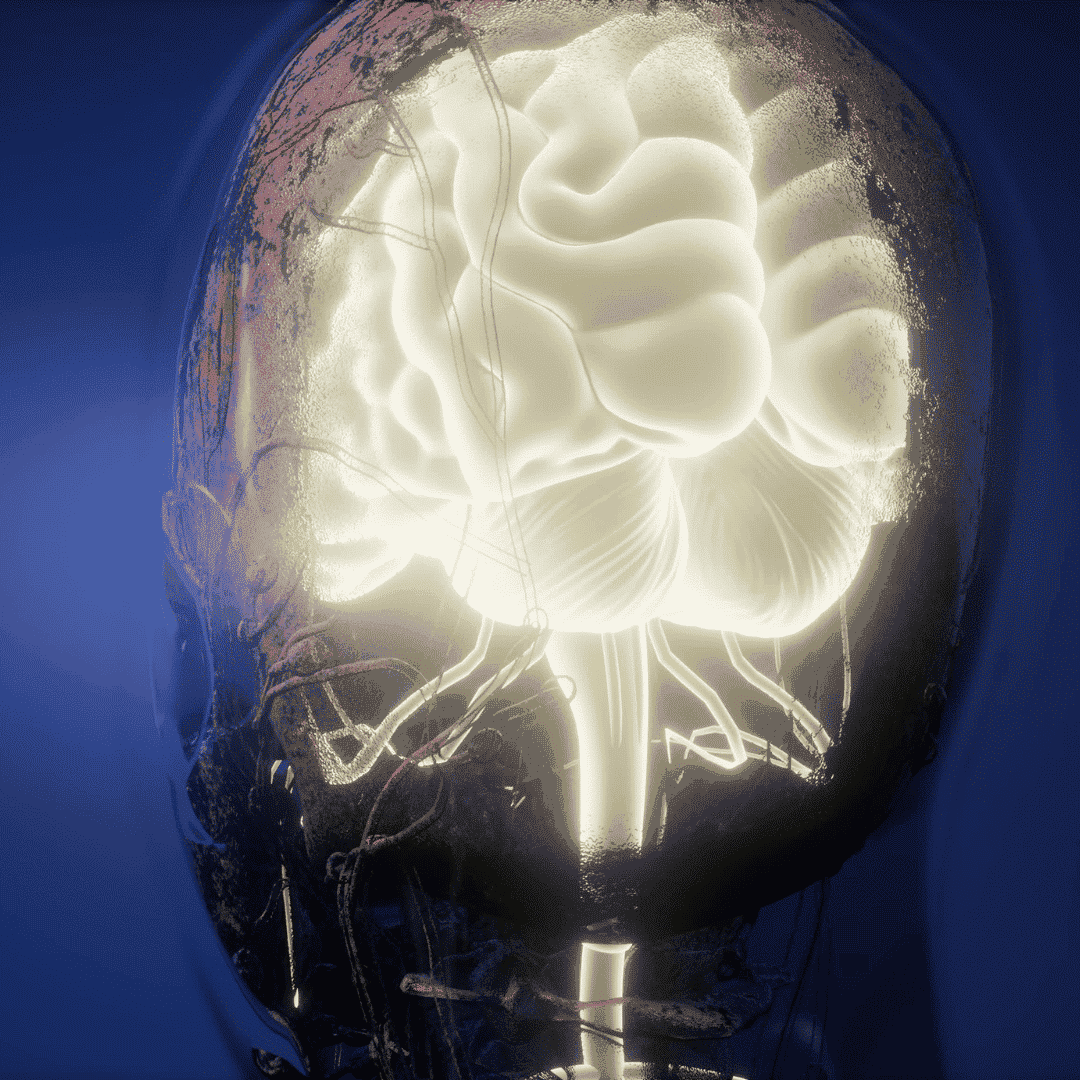
Multiple Sclerosis is a chronic, often debilitating autoimmune disease that directly targets the central nervous system. As highlighted in the video at , the immune system mistakenly attacks myelin, the protective sheath covering nerve fibers. This demyelination interrupts the vital electrical signals traveling between the brain and the rest of the body.
When these communication pathways are damaged, patients experience a wide and unpredictable array of symptoms. These can range from profound chronic fatigue and muscle spasms to severe mobility loss and cognitive fog. The traditional medical approach heavily relies on disease-modifying therapies (DMTs) designed to suppress this rogue immune response.
While DMTs can be effective at slowing the progression of the disease, they are not without significant drawbacks. These medications often come with severe side effects, including a heightened risk of opportunistic infections, liver toxicity, and severe gastrointestinal distress. Furthermore, traditional pharmaceuticals do not possess the ability to repair myelin that has already been destroyed, leaving patients with permanent deficits.
What is Regenerative Medicine for Multiple Sclerosis?
Regenerative medicine represents a fundamental departure from traditional symptom management. Instead of masking pain or broadly suppressing the immune system, regenerative treatments aim to heal damaged tissues at the cellular level. For MS patients, this means utilizing targeted biological agents to encourage neurogenesis and potentially remyelinate damaged nerves.
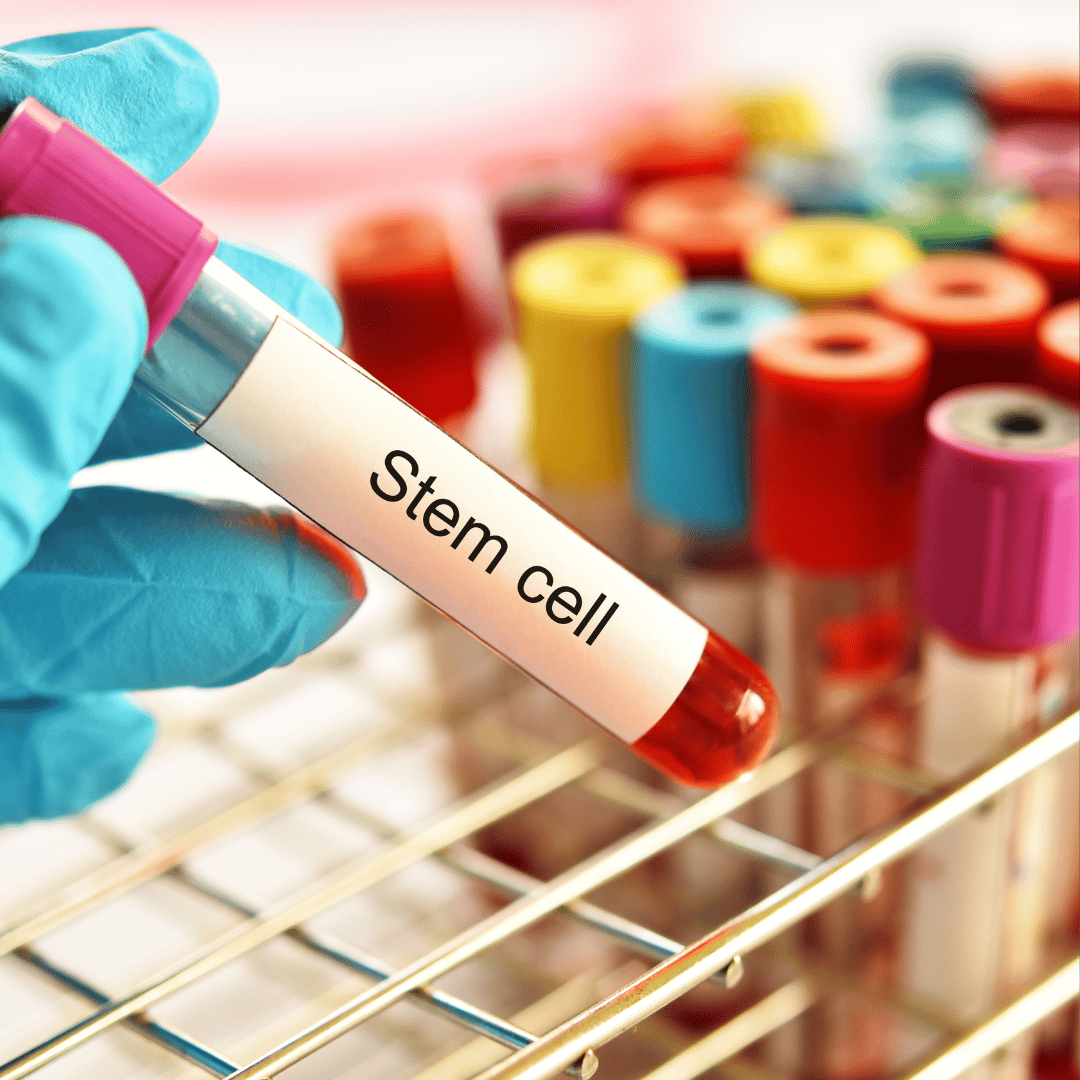
At the core of this medical discipline are Mesenchymal Stem Cells (MSCs). These are multipotent adult stem cells capable of differentiating into various tissue types, including neural lineage cells. When introduced into an MS patient's body, MSCs seek out areas of high inflammation and tissue damage, acting as microscopic repair technicians.
The protocols utilized by top-tier regenerative clinics in Florida typically involve ethically sourced, Wharton's Jelly-derived MSCs. These cells are harvested from donated human umbilical cords following healthy, full-term deliveries. Because they are immune-privileged, they carry an incredibly low risk of rejection, making them exceptionally safe for patients with already overactive immune systems.
Traditional DMTs vs. Regenerative Cellular Therapy
| Feature | Traditional MS Medications (DMTs) | Regenerative Medicine (Stem Cells/Exosomes) |
|---|---|---|
| Primary Goal | Suppress immune system to prevent new lesions. | Modulate immunity and repair damaged myelin sheaths. |
| Side Effects | High (Infections, fatigue, liver damage). | Minimal (Mild fatigue or soreness post-infusion). |
| Administration | Daily pills or frequent, lifelong injections. | Targeted intravenous or intrathecal protocols over a few days. |
| Tissue Repair | Cannot repair existing neurological damage. | Promotes neurogenesis and tissue regeneration. |
Why St. Petersburg, Florida is a Premier Hub for Healing
When seeking complex alternative treatments for neurological conditions, the environment in which you heal is just as critical as the therapy itself. As discussed at , St. Petersburg, Florida, has emerged as a major destination for medical tourism, specifically regarding stem cell therapy for MS.
First and foremost, Florida’s regulatory environment has fostered the growth of highly advanced, heavily monitored regenerative medicine clinics. The medical professionals operating in the Tampa Bay area are often pioneers in the field, bringing decades of specialized experience in neuro-regenerative protocols that are difficult to find elsewhere.
Beyond the medical expertise, St. Petersburg offers unparalleled environmental benefits. The city holds a Guinness World Record for logging the most consecutive days of sunshine. For MS patients, natural sunlight is a vital source of Vitamin D, which clinical studies have linked to a reduction in MS relapse rates. The warm, temperate climate is incredibly soothing for patients suffering from cold-induced spasticity and joint pain.
Accessibility is another major factor drawing patients to the Gulf Coast. St. Petersburg is serviced by two major airports: Tampa International Airport (TPA) and St. Pete-Clearwater International Airport (PIE). This makes travel highly convenient for domestic patients flying in from the Midwest or Northeast, as well as international patients seeking high-quality care.
How Mesenchymal Stem Cells Target Demyelination
The true power of regenerative medicine for multiple sclerosis lies in the unique biological capabilities of Mesenchymal Stem Cells. When introduced into a patient's system, MSCs do not simply float aimlessly. They are drawn to sites of inflammation through a process called "homing," acting like microscopic ambulances responding to cellular distress signals.
1. Profound Immunomodulation
The most immediate benefit of stem cell therapy for MS is immunomodulation. Unlike DMTs that blindly suppress the immune system, MSCs re-educate it. They secrete specific proteins that calm the aggressive T-cells and B-cells responsible for attacking the myelin. This stops the active progression of the disease without leaving the patient entirely immunocompromised.
2. Neuroprotection and Anti-Inflammation
Once the active immune attack is stabilized, MSCs release a massive wave of anti-inflammatory cytokines. This dramatically reduces the swelling and chronic inflammation within the central nervous system. By creating a stable, low-inflammation environment, the existing neurons are protected from further oxidative stress and degradation.
3. Stimulating Remyelination
The ultimate goal of stem cell therapy for MS in Florida clinics is remyelination. MSCs secrete trophic factors—essentially biological fertilizers—that stimulate the body's native oligodendrocyte precursor cells. These are the cells naturally responsible for producing myelin. By waking up these dormant cells, the body can begin to repair the protective sheaths around the nerves, potentially restoring lost function.
The Breakthrough Power of Exosome Therapy for MS
While stem cells are the factories, exosomes are the targeted delivery vehicles. Mentioned at in the video, exosome therapy is rapidly becoming one of the most sought-after regenerative treatments for neurological disorders in St. Petersburg. Exosomes are extracellular vesicles—microscopic bubbles secreted by stem cells.
These tiny nanoparticles are packed with therapeutic payloads, including messenger RNA (mRNA), growth factors, and specialized proteins. Because they are a fraction of the size of a full stem cell, exosomes possess a unique biological advantage: they can easily cross the blood-brain barrier. This makes them exceptionally efficient at delivering healing signals directly into the deep tissues of the brain and spinal cord.
When exosome therapy is combined with a traditional stem cell infusion, the results can be synergistic. The exosomes act as biological messengers, directly instructing damaged neurological cells to begin the repair process, while the MSCs work systemically to calm the immune system. This dual-action approach is a hallmark of the advanced protocols offered by top St. Petersburg regenerative clinics.
What to Expect: Your Treatment Journey in Florida
Traveling for medical treatment can feel overwhelming, but clinics specializing in regenerative medicine for multiple sclerosis in St. Petersburg are designed to make the process as seamless as possible. The journey begins long before you board a plane, starting with a comprehensive telehealth consultation.
- Thorough Medical Review: Specialists will review your recent MRI scans, blood work, and neurological history to determine if you are a viable candidate for cellular therapy.
- Customized Protocol Design: There is no one-size-fits-all approach. Based on your specific MS phenotype (Relapsing-Remitting, Primary Progressive, etc.), doctors will determine the optimal cell count and delivery method.
- The Treatment Phase: As noted at , administration is minimally invasive. It typically involves an intravenous (IV) drip to address systemic inflammation, sometimes paired with an intrathecal injection to deliver cells directly into the spinal fluid for maximum neurological impact.
- Recovery and Aftercare: The procedure is done on an outpatient basis. Patients generally experience mild fatigue for 24 to 48 hours. During this time, they can relax in the serene, coastal environment of St. Petersburg while the cells begin their integration.
Evaluating the Financial Cost and Long-Term Value
A major consideration for patients exploring alternative MS treatments is the financial investment. Because regenerative medicine is still considered an elective procedure by many insurance providers, patients typically pay out-of-pocket for stem cell therapy in Florida. However, it is crucial to analyze this cost in the context of long-term value.
The cost of stem cell therapy for MS in St. Petersburg generally ranges from $7,000 to $25,000, depending on the number of cells utilized and the inclusion of adjunct therapies like exosomes. While this is a significant upfront expense, traditional MS treatments are astronomically more expensive. Disease-modifying therapies can easily cost between $60,000 and $90,000 per year, often resulting in high co-pays and deductibles over a lifetime.
Furthermore, regenerative medicine offers the potential for true functional improvement. By potentially restoring mobility and cognitive function, patients often find they can return to work, require less daily caregiver assistance, and dramatically improve their overall quality of life. In this light, the cost of regenerative medicine for autoimmune diseases is an investment in long-term independence.
Integrating Holistic Therapies for Maximum Results
Top-tier clinics in St. Petersburg understand that stem cells are just one piece of the healing puzzle. To maximize the efficacy of regenerative cellular therapy, medical teams often integrate comprehensive holistic protocols. Detailed at , preparing the body’s microenvironment ensures the incoming stem cells thrive.
Many patients undergo a pre-treatment phase involving an anti-inflammatory diet, eliminating refined sugars and processed foods. This reduces systemic toxicity, giving the stem cells a clean slate to begin repair work. Post-treatment, patients are heavily encouraged to engage in specialized physical therapy to help map new neural pathways as the myelin repairs.
Additionally, advanced Florida clinics frequently utilize Hyperbaric Oxygen Therapy (HBOT) alongside stem cell infusions. HBOT floods the bloodstream with 100% pure oxygen under pressure. This oxygen-rich environment dramatically increases stem cell proliferation and survival rates, supercharging the healing process within the central nervous system.
A New Horizon in Neurological Healing
Dealing with Multiple Sclerosis does not have to mean surrendering to a slow decline. The advancements in regenerative medicine for MS in St. Petersburg, Florida, represent a profound shift in how we approach autoimmune and neurological diseases. By stepping away from purely suppressive treatments, patients are finally accessing therapies designed to restore, repair, and regenerate.
Whether you are dealing with the early stages of Relapsing-Remitting MS or fighting the fatigue of Primary Progressive MS, the dedicated medical professionals on Florida's Gulf Coast are ready to evaluate your unique case. The combination of state-of-the-art cellular science, world-class medical facilities, and the healing environment of St. Petersburg makes it an unparalleled destination for your health journey.
Ready to Explore Stem Cell Therapy for MS?
PlacidWay Medical Tourism connects you with top-rated regenerative medicine clinics in St. Petersburg, Florida. Take the first step toward reclaiming your neurological health and mobility. Let us help you find the right cellular therapy protocol.
GET A FREE CONSULTATION
.png)












Share this listing