
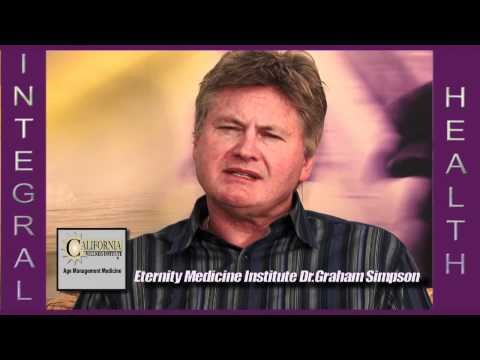
In this clinical overview, Dr. Graham Simpson of the Eternity Medicine Institute explores the concept of "silent inflammation"—a chronic, undetectable immune response that is increasingly recognized as a primary driver of modern degenerative diseases. By examining the impact of dietary shifts and metabolic dysfunction, he outlines how identifying and managing systemic inflammation is crucial for long-term vascular health.
Quick Takeaway: Silent inflammation damages the endothelial lining of blood vessels without outward symptoms, contributing significantly to conditions like heart disease, diabetes, and metabolic syndrome. Controlling this inflammatory response requires identifying key blood markers and implementing targeted lifestyle changes, particularly regarding refined carbohydrates and sugar consumption.
- 0:04 - Clinical Context: Defining Inflammation Control
- 0:58 - Pathology: The Concept of "Silent" Inflammation
- 2:18 - Vascular Impact: Endothelial Dysfunction Explained
- 4:51 - The Clinical Triad: Diabetes, Obesity, and Metabolic Syndrome
- 7:02 - Dietary Evolution: How Our Food Supply Drives Inflammation
- 8:01 - Metabolic Triggers: The Role of High Fructose Corn Syrup
- 9:39 - Diagnostic Protocol: How to Test for Systemic Inflammation
- 11:24 - Advanced Imaging: The IMT Ultrasound Test
The "Silent" Threat: Redefining Chronic Disease
Historically, inflammation has been understood as an acute, visible healing response—characterized by redness, heat, swelling, and pain (such as a sunburn or a localized infection). However, modern age management medicine focuses heavily on a different physiological process: silent inflammation.
Dr. Simpson explains that this chronic, systemic inflammation occurs day after day, year after year, entirely below the threshold of pain or visible symptoms. Because patients are unaware of it, the condition persists untreated, slowly damaging the innermost lining of the blood vessels, known as the endothelium.
"This is a single layer of cells that lines our 50,000 miles of blood vessels... 80% of us die of vascular disease. Core competency is really the diagnosis of this endothelial dysfunction and the halting and ultimately the reversing of this endothelial dysfunction."
| Type of Inflammation | Clinical & Practical Reality |
|---|---|
| Acute Inflammation | A natural, temporary healing response to injury or infection. Manifests with localized pain, heat, redness, and swelling. |
| Silent (Chronic) Inflammation | A prolonged, asymptomatic immune response that attacks healthy tissue over time, specifically targeting the vascular endothelium and contributing to degenerative disease. |
The "Metabolic" Crisis: Obesity, Diabetes, and Syndrome X
Dr. Simpson frames silent inflammation as the central driver of a highly destructive clinical triad: obesity, diabetes, and metabolic syndrome. While conventional medicine often views major degenerative diseases (such as heart disease, stroke, Alzheimer's, and cancer) as separate, complex entities, age management practitioners suggest they share this common inflammatory root.
He specifically highlights the concept of Metabolic Syndrome (originally termed "Syndrome X" by Dr. Gerald Reaven). This condition represents a cluster of metabolic risk factors that significantly multiply a patient's risk for cardiovascular events.
- Clinical Markers of Metabolic Syndrome: Dr. Simpson notes this syndrome is characterized by elevated blood pressure, fasting blood sugar levels over 150 mg/dL, elevated LDL (low-density lipoprotein), low HDL (high-density lipoprotein), and increased central adiposity (a waist size over 40 inches in men and 35 inches in women).
- Vascular Risk Multiplication: According to Dr. Simpson, patients presenting with metabolic syndrome are six times more likely to die from vascular disease compared to those without the syndrome.
- The Shift in Cardiac Paradigms: While cholesterol has long been the primary focus of cardiac prevention, Dr. Simpson asserts that triglycerides—another form of blood fat strongly linked to refined carbohydrate intake—are emerging as a much more predictive marker for heart disease than total cholesterol alone.
The "Dietary" Shift: How Our Food Supply Drives Inflammation
If silent inflammation is the mechanism of chronic disease, what is the trigger? Dr. Simpson points directly to the modern food supply. From an evolutionary perspective, human genetics developed to process a Paleolithic diet consisting of moderate carbohydrates (from natural sources), moderate proteins, and moderate fats. This dietary balance maintained an ideal hormonal environment, regulating insulin and cellular signaling molecules.
The dramatic departure from this evolutionary diet has created a metabolic crisis. Dr. Simpson highlights a staggering statistic: in the 1800s, the average American consumed roughly 15 pounds of sugar per year. Today, that number has skyrocketed to nearly 160 pounds per year. He attributes a significant portion of this metabolic decline to the introduction of High Fructose Corn Syrup (HFCS) in the late 1970s, which correlates directly with the explosion of the obesity epidemic in the decades that followed.
A diet high in refined, easily digestible carbohydrates and sugars leads to chronically elevated insulin levels. This hyperinsulinemia is a primary catalyst for systemic inflammation throughout the body. Reversing metabolic dysfunction relies heavily on dietary modification, specifically eliminating refined sugars and processed food toxins.
The "Diagnostic" Approach: Measuring Silent Inflammation
Because silent inflammation presents no outward physical symptoms, it must be diagnosed through clinical testing. Functional medicine and age management clinics utilize a specific panel of blood markers and imaging techniques to assess a patient's inflammatory status and vascular health.
Dr. Simpson outlines several key diagnostic indicators utilized to build a patient's inflammation profile:
- Fasting Insulin: An optimal fasting insulin level is generally considered to be under 5 mIU/L. Elevated levels suggest insulin resistance and a highly inflammatory state.
- Hemoglobin A1c (HbA1c): This test measures average blood sugar levels over the previous three to four months, providing a clearer picture of long-term glycemic control than a single fasting glucose test.
- Triglyceride-to-HDL Ratio: Dr. Simpson suggests that a ratio of triglycerides to "healthy" HDL cholesterol greater than 2 indicates the presence of systemic inflammation and metabolic risk.
- AA/EPA Ratio: This cellular test measures the ratio of Arachidonic Acid (pro-inflammatory) to Eicosapentaenoic Acid (anti-inflammatory). A lower ratio indicates a well-controlled inflammatory state, a metric often linked to populations with high longevity and traditional diets rich in Omega-3 fatty acids.
- C-Reactive Protein (hs-CRP): A highly sensitive marker produced by the liver in response to inflammation. Elevated CRP levels are increasingly viewed by functional specialists as a more accurate predictor of future cardiovascular events than standard lipid panels.
- IMT (Intima-Media Thickness) Ultrasound: A non-invasive imaging test that measures the thickness of the inner layers of the carotid arteries in the neck. This provides visual, diagnostic confirmation of endothelial thickening and plaque formation before a major vascular event occurs.
According to Dr. Simpson, identifying these markers early is critical because conditions tied to metabolic syndrome and silent inflammation can often be halted or reversed through strict lifestyle changes, primarily via nutritional intervention, exercise, and correcting hormonal imbalances.
Discuss Your Metabolic Health With a Specialist
Understanding your unique inflammatory markers is the first step toward proactive, preventative health management. PlacidWay helps international patients coordinate consultations, gather diagnostic records, and connect with experienced functional medicine and wellness clinics globally to discuss personalized health assessments.
Request Treatment ConsultationView English-Translated Video Transcript
0:04 — Welcome to the first letter of the integral acronym, inflammation control. It's interesting that inflammation control represents the first letter of the integral health approach, because inflammation has now been recognized as probably the underlying cause of most chronic disease, as well as aging itself.
0:28 — Now, just to give you some idea of inflammation, I think most of us know if you have a pimple on your face and it gets red and hot and swollen and painful, that's a sign of inflammation. Or if you're lying on the beach and after a day in the sun on the beach in Maui, you have red, hot, inflamed skin. This is a natural, acute inflammatory response and is part of the healing of the body.
0:53 — What researchers have recently recognized is that there's another form of inflammation called silent inflammation. It's called silent because you're really not aware of it. Inflammation occurs day by day, week by week, year after year. And truthfully, most of us are unaware of this. This silent inflammation is really the topic of this module.
1:18 — It is so important to have an understanding of what the manifestations are, what causes it, how do you know if you're inflamed, and more importantly, what can we do about this silent inflammation to reverse some of this chronic disease.
1:34 — One of the interesting recent understandings is that cholesterol actually has little to do with the chances of developing a heart attack. We have been so fixated on the cholesterol story that it's interesting that triglycerides, we now know, which is the other blood fat, are probably six times more predictive of heart disease than cholesterol. And as you know, 50% of the people who drop down dead from a heart attack have none of the traditional risk factors.
2:09 — This is where an understanding of silent inflammation becomes so important. This silent inflammation affects the innermost lining of the blood vessels, what's called the endothelium. This is a single layer of cells that lines our 50,000 miles of blood vessels. And why silent inflammation has such a wide effect throughout the body. 80% of us die of vascular disease.
2:39 — Core competency is really the diagnosis of this endothelial dysfunction and the halting, and ultimately the reversing of this endothelial dysfunction. In fact, there's a whole new science of medical research called endothelial biomedicine, which promises to bring very exciting breakthroughs in the years ahead.
3:06 — What are the manifestations of silent inflammation? How do we recognize silent inflammation? We do not really die of old age. We die as a result of a series of degenerative diseases, all really related to this silent inflammation. For example, heart disease or stroke, cancer, diabetes, metabolic syndrome, Alzheimer's, all the major causes of disease is really now recognized to be due to this silent inflammation.
3:39 — Gary Taubes, in a recent book, Good Calories, Bad Calories, perhaps one of the best nutritional books I think written today, points out that there's this prevailing myth that most of these chronic diseases are complex and there's no real simple answer to them. This is really not true. We now know what causes obesity. There is a very simple answer in fact, and that is a diet high in refined carbohydrates and easily digestible carbohydrates, which ultimately causes increased insulin and increased inflammation throughout the body.
4:17 — In February of 2004, the front cover story in Time magazine talked about this inflammation and pointed out that there seemed to be this surprising link between heart disease, cancer, and Alzheimer's. It was an excellent article and in some respects was largely unnoticed by a vast majority of people, including physicians. Since this time, there has been increasing evidence of this silent inflammation.
4:50 — One of the interesting aspects is that diabetes, metabolic syndrome, and obesity, this triad you can sort of see as three points of a triangle with silent inflammation sitting right in the center of these three. Diabetes in fact has now reached absolute epidemic proportions. One in three children born today is expected to have diabetes. Diabetes is probably the most costly chronic disease we have.
5:20 — Metabolic syndrome, described by Gerald Reaven at Stanford, what was called syndrome X or metabolic syndrome, is really a collection of symptoms and signs. Primarily increased blood pressure, a sugar of more than 150, a waist size in a male of more than 40 inches and in a woman of more than 35 inches, together with high LDLs and low HDL. Remember, H is for healthy cholesterol and L is for the lousy cholesterol.
5:56 — This metabolic syndrome has now exceeded smoking as the number one cause of disease and death in this country. 60% of men over the age of 60 have this metabolic syndrome. The obesity and overweight epidemic that is currently here in this country, 70% of people are now overweight, and many of these are actually obese. Remember, obesity is actually where you are 30 pounds above your ideal weight.
6:35 — Again, obesity, metabolic syndrome, diabetes. 75% of diabetics die of vascular disease. If you have metabolic syndrome, you are six times more likely to die of vascular disease. These metabolic diseases are completely able to be reversed by lifestyle change and the programs that we offer at the Eternity Medicine Institutes.
7:02 — The major cause of silent inflammation is really the result of the changes that have occurred in our food supply over the last 50 years. Our Paleolithic ancestors lived on a moderate carbohydrate, moderate protein, and moderate fat diet. This ratio of the principal macronutrients triggered an ideal hormonal response in the body. Insulin, glucagon, eicosanoid hormones, etc. were ideally secreted in the right amounts.
7:37 — What's happened? In the 1800s, the average American consumed about 15 pounds of sugar per year. In the 1900s, this was already at about 100 pounds of sugar per person per year. Currently, the average American is consuming nearly 160 pounds of sugar per year.
8:00 — Where did this change? In 1978, two Japanese gentlemen found out how to add enzymes to corn to produce high fructose corn syrup. We believe that this corn and high fructose corn syrup was primarily responsible for the huge increase in obesity that we saw. In fact, in the early 1980s, only 15% of the American population was overweight. And now that has reached the crisis point of nearly 70%. There are more than a million people now that are super obese, weighing over 500 pounds.
8:44 — This extra weight is primarily responsible for this high inflammatory response that is causing these chronic degenerative diseases.
8:55 — As you can see from the accompanying diagram, some of the causes of this obesity and inflammation are listed, including saturated fats, toxic blood, high glycemic diets, heavy metals such as mercury and lead, suboptimal hormone levels, periodontal disease (gum disease), high homocysteine levels, diet drinks, smoking, fast foods, a lack of certain vitamins and enzymes, low Omega-3 diets, certain genetic influences, low fiber, and certain toxins like PCBs, dioxins, and insecticides. All of these contribute to the inflammation inside the endothelium of the blood vessels.
9:39 — How do you know if you're inflamed? Hopefully after your evaluation at the Eternity Medicine Institute, you have a pretty good idea whether your results reflect inflammation. I should say that if you're overweight, clearly, you are inflamed.
9:58 — The numbers that we look at that show this inflammation, some of those tests include a fasting insulin of more than five, a blood sugar that's elevated and a hemoglobin A1c. Remember that the hemoglobin A1c figure shows us your average blood sugars over the last four months. A triglyceride-HDL ratio above two indicates inflammation.
10:28 — The silent inflammation profile measures the arachidonic acid over the eicosapentaenoic acid, the so-called AA/EPA ratio. Interesting that the Japanese, who are one of the longest-lived groups of people, cultures on the planet, have an SIP (silent inflammation profile) of less than two. The average American has a silent inflammation profile of 12 or more. Many people that have vascular disease, obesity, metabolic syndrome have much higher levels.
11:06 — The other tests include a percent body fat that you had measured. Ideally, a male should be under 20% body fat and a female under 25% body fat.
11:23 — The IMT test, the so-called intima-media thickness test that you had on your carotid arteries, shows us, one of the three results is the amount of thickening of the endothelium. It's one of the few diagnostic tests besides blood tests that show us this inflammation.
11:45 — Perhaps one of the best indicators also of inflammation is the so-called C-reactive protein, particularly the heart-sensitive (hs-CRP). This has been shown to be far more predictive of heart disease, again, than cholesterol and some of the customary markers that we used to believe had a lot to do with the chances of having a heart attack.
12:10 — I would encourage you to also look at the eternitymedicine.com website. There is a questionnaire that you could fill out to also see how inflamed you are. Some of these inflammatory questions have also been asked in your integral health assessment prior to you coming to the institute.
12:36 — The real question is, once we identify inflammation, how do we control or attempt to control inflammation at the institute? Well, we look at the four-quadrant integral model. You can see from the four quadrants how we approach the control of silent inflammation.
13:00 — If you look at the upper right quadrant, this is where we went through the three simple steps of measuring, mentoring, and monitoring. The mentoring follows the integral acronym. Nutrition is probably the single most important way a person can control their inflammation.










.png)
.png)




.jpg)
-(2).png)
.png)
.jpg)








Share this listing