


The global landscape of healthcare is undergoing a radical transformation, driven by unprecedented discoveries in regenerative medicine and stem cell research. For years, patients seeking innovative stem cell therapy treatments faced significant regulatory hurdles, long waiting periods, and skyrocketing medical costs in Western nations. Today, an unexpected global leader has emerged in the rapid deployment of advanced medical treatments, bridging geographical divides through science.
Dr. Arnold Caplan, a renowned pioneer from Case Western Reserve University, recently highlighted the massive scale of cell-based therapies in Cuba during an international medical conference. This paradigm shift in global medical collaboration offers new hope for patients worldwide who are exploring alternative healing avenues. Discover how groundbreaking cross-border scientific diplomacy is redefining modern medicine, accelerating clinical trials, and opening unparalleled access to revolutionary restorative therapies.
Video Chapters & Quick Navigation
The Evolution and Science of Regenerative Medicine
Regenestem technologies and regenerative medicine represent a fundamental shift in how medical professionals approach chronic illness and tissue damage. Instead of merely managing pain or suppressing symptoms with lifelong pharmaceuticals, these therapies aim to heal the body at a cellular level. By harnessing the body's innate repair mechanisms, cell-based therapies offer transformative potential for patients suffering from degenerative conditions.
At the core of these regenerative medicine advancements are specific biological building blocks that actively reduce inflammation and promote tissue regeneration. These advanced stem cell treatments for chronic pain and orthopedic injuries have shown remarkable efficacy in early clinical observations. Physicians utilize these cellular tools to signal the body’s immune system, altering the microenvironment of damaged tissues to foster natural healing.
Understanding the science behind these treatments is crucial for patients exploring medical tourism for stem cell therapy. As the technology evolves, the isolation, expansion, and re-administration of these cellular therapeutic agents have become highly refined. This meticulous scientific process ensures that patients receive the most potent and viable cellular components available for their specific medical conditions.
The Biological Mechanisms of Healing
When cellular therapies are introduced into a damaged joint or tissue, they do not simply turn into new bone or cartilage as once theorized. Instead, they act as powerful cellular pharmacies, secreting bioactive molecules that modulate the local immune response. This unique mechanism is why targeted stem cell therapies for autoimmune disorders and joint degeneration are yielding such fascinating clinical outcomes.
Furthermore, these therapies establish a regenerative microenvironment that encourages the patient's own native cells to begin the repair process. This indirect healing strategy minimizes the risk of rejection, especially when using autologous treatments derived from the patient's own body. The sophisticated interplay between administered cells and the host tissue remains one of the most intensely studied areas in modern biology.
Dr. Arnold Caplan's Visionary Global Impact
The presence of high-caliber international experts is a testament to the validity of any emerging medical sector. In the video at [00:05], we see an interview with Dr. Arnold I. Caplan, Ph.D., a leading authority in biological sciences. As the Director of the Skeletal Research Center at Case Western Reserve University, Dr. Caplan’s insights carry immense weight within the global medical community.
Dr. Caplan is widely recognized for his groundbreaking foundational research regarding Mesenchymal Stem Cells (MSCs). His decades of relentless investigation have fundamentally shaped how the world understands cellular therapy and tissue engineering. When a figure of his stature travels internationally to assess medical programs, the scientific community pays close attention to his findings.
Taking time out of his extremely busy schedule to visit Cuba highlights the undeniable importance of the medical developments occurring there. His positive evaluation serves as a powerful endorsement of the rigorous clinical standards being maintained outside of traditional Western medical hubs. This level of international validation is crucial for patients seeking the best regenerative medicine clinics internationally.
A Legacy of Scientific Excellence
Throughout his career, Dr. Caplan has published hundreds of peer-reviewed papers that form the backbone of modern regenerative protocols. His transition from theoretical biology to advocating for practical, clinical applications has accelerated the availability of advanced cellular treatments. He consistently emphasizes the need for robust empirical data to separate genuine medical breakthroughs from preliminary hype.
Cuba's Unprecedented Cell-Based Therapy Revolution
While many look to North America or Europe for medical innovation, Cuba has quietly built an astonishingly robust biotechnology and medical research infrastructure. Driven by historical necessity and an emphasis on preventative healthcare, Cuban physicians have developed highly efficient methodologies for patient care. This unique environment has fostered a rapid expansion of clinical applications for cellular therapies.
As Dr. Caplan notes at [00:31], there are "probably more people in Cuba treated with cell-based therapies than the United States." This staggering statistic highlights a fundamental difference in how medical treatments are deployed across different healthcare systems. By streamlining the path from laboratory research to clinical application, Cuban medical centers are generating massive amounts of real-world patient data.
This high volume of practical application translates directly into refined clinical expertise. When medical teams perform thousands of complex cellular procedures, their procedural accuracy, safety protocols, and patient outcome predictions become incredibly precise. For individuals researching affordable cell-based therapies abroad, this high level of institutional experience is a major determining factor in their medical journey.
- Extensive Clinical Application: Thousands of documented cellular therapy procedures provide a wealth of empirical data and refined physician techniques.
- Integrated Healthcare System: A streamlined approach allows faster implementation of scientifically backed medical innovations compared to fragmented systems.
- Focus on Efficacy: Without the massive overhead of privatized pharmaceutical marketing, the focus remains entirely on patient outcomes and biological healing.
Mending Fences Through Medical Science
The intersection of science and international diplomacy offers a fascinating glimpse into how shared human challenges can overcome political barriers. At [00:48], the discussion pivots to the concept of "mending fences through science and medicine and technology." Because biological realities are universal, medical research provides a neutral, highly productive ground for international cooperation.
This collaborative spirit was notably catalyzed by shifting political landscapes, referencing President Obama attending a baseball game in Cuba at [00:54]. These cultural and diplomatic milestones paved the way for profound US and Cuba healthcare collaboration. When doctors and researchers sit at the same table, the resulting exchange of medical technology accelerates healing capabilities for both nations.
The free flow of medical knowledge is paramount to the advancement of complex treatments like mesenchymal stem cell therapies. By participating in these cross-border dialogues, institutions ensure that the best global practices are universally adopted. This diplomatic bridging directly benefits patients who rely on the rapid progression of international regenerative medicine research to cure their ailments.
Comparing Patient Volumes: US vs. International Healthcare
Understanding why certain countries lead in specific clinical applications requires an analysis of regulatory frameworks and healthcare priorities. In the United States, the FDA enforces highly stringent, multi-phase clinical trial requirements that can take over a decade to complete. While this maximizes initial safety oversight, it significantly bottlenecks patient access to advanced regenerative medicine treatments.
Conversely, the Cuban medical system operates with a streamlined regulatory approach that prioritizes safe, rapid deployment of autologous therapies. Because autologous treatments use the patient’s own cells, the risk profile is inherently lower than introducing foreign pharmaceutical compounds. This fundamental difference in risk assessment allows international clinics to treat vastly higher patient volumes.
| Healthcare Factor | United States Approach | Cuban / International Approach |
|---|---|---|
| Regulatory Speed | Extremely slow, highly phased FDA approval processes. | Streamlined implementation for low-risk autologous treatments. |
| Patient Volume | Limited primarily to highly controlled, small-scale clinical trials. | Massive widespread clinical application across the general population. |
| Treatment Accessibility | Often restricted by high financial costs and strict eligibility criteria. | Broadly accessible due to state-sponsored or affordable medical tourism models. |
The Future of Collaborative Clinical Trials
The ultimate goal of international medical conferences is to generate actionable, cooperative research initiatives. At [01:45], Dr. Caplan highlights the intention to communicate with Cuban institutions and suggest "certain simple clinical trials." These trials would act as direct extensions of the sophisticated laboratory work currently being conducted in Cleveland.
By leveraging Cuba's high patient volume and Cleveland's advanced clinical design, these joint trials can rapidly generate statistically significant medical data. This synergy reduces the time required to prove treatment efficacy from decades down to mere years. For patients waiting on definitive cures for degenerative diseases, this acceleration is nothing short of life-changing.
Furthermore, these stem cell therapy clinical trials abroad provide a standardized framework for global medical consensus. When institutions from differing geopolitical backgrounds independently verify the same clinical outcomes, the therapies gain undeniable global legitimacy. This collaborative blueprint will likely become the standard method for expediting future breakthrough medical technologies.
Designing Simple but Effective Protocols
The emphasis on "simple" clinical trials is a strategic choice by leading researchers. By isolating specific variables in cell-based therapies—such as cell count, delivery method, or patient age—researchers can draw definitive conclusions without confounding data. This methodical approach ensures that the resulting medical protocols are incredibly reliable and easily replicable worldwide.
International Partnerships and Knowledge Exchange
Medical advancement is severely stunted when it occurs in isolated geographic silos. Ensuring that Cuban scientists and physicians travel to the United States to partner in meetings and conferences is a primary objective, as mentioned at [01:06]. This reciprocal exchange of information ensures that both nations benefit from their respective unique scientific strengths.
Organizations hosting Regenestem medical conferences play a pivotal role in facilitating these complex international logistics. They create the necessary platforms where theoretical researchers can interface directly with high-volume clinical practitioners. This dynamic ecosystem is where theoretical adjustments are translated into immediate improvements in patient care protocols.
As these global networks of stem cell physicians continue to expand, the global standard of care rises exponentially. Physicians returning to their home countries bring back refined techniques, safer sterilization protocols, and improved cell expansion methodologies. Ultimately, the true beneficiaries of these international knowledge exchanges are the patients receiving world-class, modernized regenerative care.
Planning Your Journey for Advanced Medical Treatments
The realization that top-tier medical care exists outside traditional Western boundaries has led to a boom in specialized medical travel. However, navigating the landscape of medical tourism for stem cell therapy requires careful planning and access to reliable information. Patients must diligently research clinic accreditations, physician credentials, and the specific laboratory protocols used for cell cultivation.
Consulting with established medical tourism facilitators can dramatically simplify this complex process. These organizations thoroughly vet international medical centers, ensuring they meet strict global standards for safety and efficacy. By handling the logistical burdens of travel, translation, and medical records transfer, facilitators allow patients to focus entirely on their recovery and healing.
Understanding the cost of stem cell therapy abroad versus domestic treatments is also a critical step in the planning phase. High-quality international clinics often provide comprehensive, all-inclusive packages that significantly reduce the financial burden of advanced medical care. With the right guidance and an understanding of the science, accessing life-changing regenerative therapies is more attainable than ever before.
Ready to Explore Advanced Cell-Based Therapies?
PlacidWay Medical Tourism connects you with top-rated regenerative medicine clinics worldwide, offering world-class cellular care at accessible prices. Let us handle the complex logistics while you focus on your path to recovery and renewed vitality.
GET A FREE QUOTE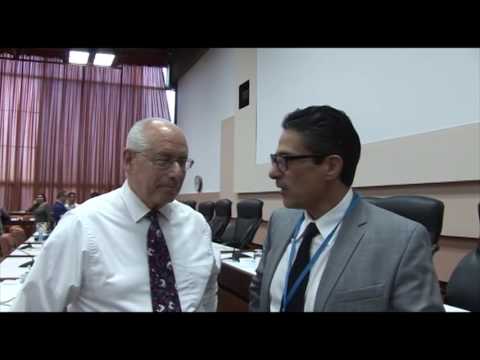

















Share this listing