
Contents
It is incredibly frustrating to watch a family member lose their independence to Parkinson’s disease while your local healthcare system only offers standard symptom management. For many families in Canada, the UK, and Europe, the wait for advanced neurological therapies is painfully long, prompting them to look across the border for alternative medical solutions. Seeking regenerative medicines for Parkinson's disease in the United States opens doors to modern protocols that focus on cellular support rather than just temporarily masking daily tremors.
However, navigating the US medical system as an international patient requires careful research into facility credentials and realistic budget planning. Treatment costs for these advanced therapies typically range from $10,000 to $25,000, depending on the specific cellular protocols used and the complexity of the patient's condition. When evaluating your options, it is vital to prioritize safety by looking for clinics accredited by the Joint Commission (JCAHO) or those utilizing strictly FDA-compliant laboratory facilities.
What You Should Know
Piecing together a medical trip for complex neurological care can feel overwhelming when managing flights, hotel stays, and clinic appointments separately. Comprehensive treatment packages for regenerative therapy help simplify this process by bundling necessary medical procedures with logistical support. These packages often include the core cellular treatments, pre-procedure specialist consultations, and follow-up monitoring.
By opting for a bundled approach, international patients can significantly reduce the stress of coordinating multiple services in a foreign healthcare system. Take the time to compare the package details below to see which clinic offers the most supportive and transparent experience for your journey.

Price starting from $10,500
Affordable Stem Cell Treatment for Parkinson in Plantation, Florida
PlacidWay US Medical Tourism
- Stem Cell Therapy
Denver, United States
The estimated cost for regenerative medicine for Parkinson's disease in the United States generally falls between $10,000 and $25,000. This price variance depends on the specific cellular therapy protocols used, the number of required sessions, and the extent of neurological evaluations included in your care plan. Because healthcare pricing in the US can be complex, it is essential to request an itemized breakdown before committing to any treatment.
Traveling for medical care means you also need to factor in accommodation and post-treatment monitoring into your overall budget. Please review and compare the cost estimates listed below to find the option that aligns best with your medical needs and financial expectations.
Stem Cell Treatment for Parkinsons Disease Centers Cost Comparison in United States
| Provider | Procedure | Price |
|---|---|---|
| Stemedix, Inc | Stem Cell Treatment for Parkinsons Disease, Stem Cell Therapy | $8500 |
| Victor Regenerative Medicine Centers | Stem Cell Treatment for Parkinsons Disease, Stem Cell Therapy | $25000 |
| Amira Integrative Health by MJA Healthcare | Stem Cell Treatment for Parkinsons Disease, Stem Cell Therapy | $5750 |
Finding the right facility for regenerative therapies requires looking far beyond a polished website and friendly reception staff. You need a clinic with a verifiable track record in safely managing neurodegenerative conditions with cellular medicine. It is crucial to verify their operating licenses and look for national accreditations, such as approval from the Joint Commission (JCAHO) or the Accreditation Association for Ambulatory Health Care (AAAHC).
Additionally, confirm that their affiliated laboratories adhere strictly to FDA guidelines for cell processing and handling, ensuring ethical and safe practices. Spend some time reviewing the clinic options listed below to evaluate their safety protocols, facility certifications, and overall medical infrastructure before making a decision.
Victor Regenerative Medicine Centers
New York, United States
Amira Integrative Health by MJA Healthcare
East Stroudsburg, United States
Reading about cellular therapy protocols is one thing, but seeing the treatment environment firsthand offers a completely different level of reassurance. Video tours and patient interviews provide valuable insights into the reality of undergoing regenerative medicine for Parkinson's disease in the United States. These visual resources allow you to observe the clinical setting and listen to detailed explanations from actual neurologists.
Watching these materials can help demystify the medical process and ease anxiety before you commit to international travel. Browse the videos provided below to get a clearer picture of what your daily experience will look like at these specialized facilities.
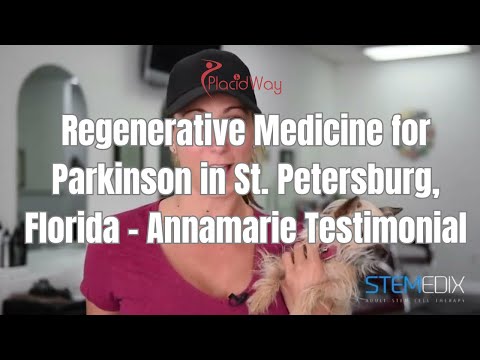
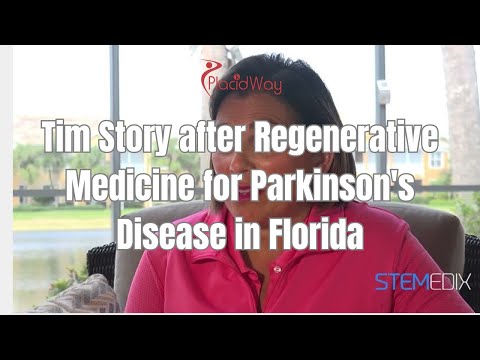
When considering travel for advanced medical care, nothing is quite as grounding as hearing from families who have already walked that path. Patient reviews reveal the unvarnished truth about a clinic’s communication, the transparency of their billing, and the reality of the post-treatment recovery phase. Pay close attention to feedback regarding how the medical team manages expectations, especially since Parkinson's outcomes can vary widely.
Authentic testimonials can help you gauge the level of compassion and post-treatment follow-up provided by the clinical staff. Read through the patient experiences below to help you make a confident, well-informed decision about your upcoming care.

Navigating treatment options abroad naturally brings up numerous questions regarding safety, efficacy, and logistics. Below, you will find answers to some of the most common questions patients have when considering regenerative medicine for Parkinson's disease in the United States.
What is regenerative medicine for Parkinson's disease?
Regenerative medicine involves using cellular therapies to help support and potentially repair damaged neural tissues. For Parkinson's disease, the goal is often to reduce neuroinflammation, protect existing dopamine-producing neurons, and improve overall quality of life, rather than providing an absolute cure.
Why do international patients travel to the US for this therapy?
Patients from countries with long public healthcare waitlists often travel to the US to access advanced clinical protocols and state-of-the-art laboratory facilities sooner. The US offers numerous specialized private clinics focused heavily on innovative neurological support.
Are these therapies a cure for Parkinson's?
No, there is currently no known cure for Parkinson's disease. Regenerative medicine aims to manage symptoms, slow disease progression, and improve daily functioning, but it should be viewed as a supportive therapy alongside standard neurological care.
What accreditations should a US regenerative clinic have?
Patients should look for clinics with JCAHO or AAAHC accreditation. Furthermore, any laboratory processing the cells should operate in strict compliance with current Good Tissue Practices (cGTP) as outlined by the FDA.
How long do I need to stay in the United States?
While the actual cellular administration is usually an outpatient procedure taking a few hours, most clinics require patients to stay locally for 5 to 10 days. This allows time for pre-treatment evaluations and critical post-procedure monitoring.
Is the treatment painful or highly invasive?
Depending on the protocol, the treatment is typically administered via intravenous (IV) drip, which is minimally invasive. Some protocols may involve localized injections, which are done under local anesthesia to minimize discomfort.
What happens during the initial consultation?
During the consultation, a specialist will review your full medical history, assess your current Parkinson's symptoms, and determine if you are a safe candidate for regenerative therapy. They will explain the realistic outcomes and potential risks.
Will I need multiple treatment sessions?
This varies widely among patients. Some individuals receive a single comprehensive treatment, while others may require subsequent booster sessions months or years later to maintain their quality of life.
Are these treatments approved by the FDA?
While the FDA regulates the processing and handling of human cells and tissues for safety, many specific regenerative applications for Parkinson's are still considered experimental or investigational in the US. Always discuss the regulatory status of your specific protocol with your doctor.
How soon can I fly back home after receiving treatment?
Most patients are cleared to fly home within 2 to 3 days after their final treatment session, provided they are feeling well and have passed their final post-procedure medical evaluation by the clinic staff.
The safety of your cellular therapy heavily depends on the expertise of the medical professionals administering it. In the United States, you should look for board-certified neurologists or regenerative medicine specialists with specific, documented experience in treating Parkinson's disease. Don't hesitate to ask about their educational background and specialized training in cellular handling protocols.
A reputable specialist will always prioritize a thorough neurological evaluation to ensure you are a suitable candidate, rather than pushing for immediate treatment. Compare the physician profiles below to find a doctor whose credentials, transparent communication, and approach to patient safety make you feel secure in your decision.
Traveling to the United States for specialized medical care is a well-established route for international patients, particularly those arriving from Canada, the UK, and parts of Europe. The US is home to highly advanced medical infrastructure, making it a primary destination for individuals seeking innovative cellular protocols that may face regulatory delays or long waitlists in their home countries. Navigating travel to the US requires thoughtful planning, especially when managing the mobility issues frequently associated with Parkinson's disease.
Major medical hubs located in states like California, Florida, and Texas offer international airports equipped with excellent accessibility services, minimizing the physical strain of long-haul flights. Additionally, these regions feature a wide array of accommodation options designed specifically for medical recovery, from extended-stay hotels to accessible short-term rentals near the clinics.
| Visa Requirements | Check ESTA eligibility or apply for a B-2 medical visitor visa. |
| Major Medical Hubs | California, Florida, Texas, and New York. |
| Accessibility Services | US airports and hotels mandate ADA-compliant wheelchair access. |
| Travel Companion | Highly recommended to assist with mobility and medical instructions. |
| Climate Considerations | Varies widely by state; pack appropriately for the season. |
When planning your itinerary, ensure you schedule a few buffer days before your first consultation to recover from jet lag and settle into your environment. Review the travel considerations and destination details closely to ensure a smooth, comfortable medical journey.
Coordinating a medical trip for Parkinson's disease treatment involves managing multiple details, from comparing clinic credentials to understanding the nuances of medical travel logistics. Taking the time to evaluate all your options ensures that you choose a path that prioritizes your safety, comfort, and neurological well-being.
If you need assistance gathering accurate estimates or verifying the credentials of regenerative medicine providers in the United States, our team is available to help. You can easily reach out to receive personalized, transparent information that supports your decision-making process.
References
- Understanding Parkinson's Treatment – Parkinson's Foundation
- Stem Cell Therapy for Parkinson's Disease – National Institutes of Health (NIH)
- FDA Warns About Stem Cell Therapies – U.S. Food and Drug Administration (FDA)
- Stem Cells: What They Are and What They Do – Mayo Clinic
- Accreditation and Certification Programs – The Joint Commission


















Share this listing