
.png)
Contents
Imagine sitting in a specialist’s office in Sydney or London, only to be told that innovative eye treatments are either years away from approval or come with a price tag that requires a second mortgage. That is the frustrating reality for many patients facing degenerative vision loss in their home countries. Instead of waiting for local regulations to catch up while their eyesight gradually deteriorates, many are actively looking abroad for more immediate, advanced options. Seeking specialized care overseas is no longer a last resort; it is a proactive step toward preserving your quality of life.
Kuala Lumpur has quietly emerged as a highly sought-after hub for regenerative medicine, blending advanced medical technology with strict regulatory oversight. Patients traveling to Malaysia for stem cell therapy can expect treatments to cost around $7,000 to $12,000, depending on the specific protocol and the severity of the condition. When evaluating facilities here, the gold standard is checking for accreditation by the Malaysia Healthcare Travel Council (MHTC), which ensures international safety and quality standards.
What You Should Know
Figuring out the logistics of international medical travel can feel like piecing together a very complicated, high-stakes puzzle. Fortunately, specialized medical centers in Malaysia typically bundle their services to make the process as seamless as possible for international patients.
A comprehensive stem cell package usually covers much more than just the treatment itself. You can expect valuable inclusions like thorough pre-treatment ocular assessments, cellular processing, clinical follow-ups, and often airport transfers. Take a moment to compare the packages below to see which options best support your medical and travel needs.
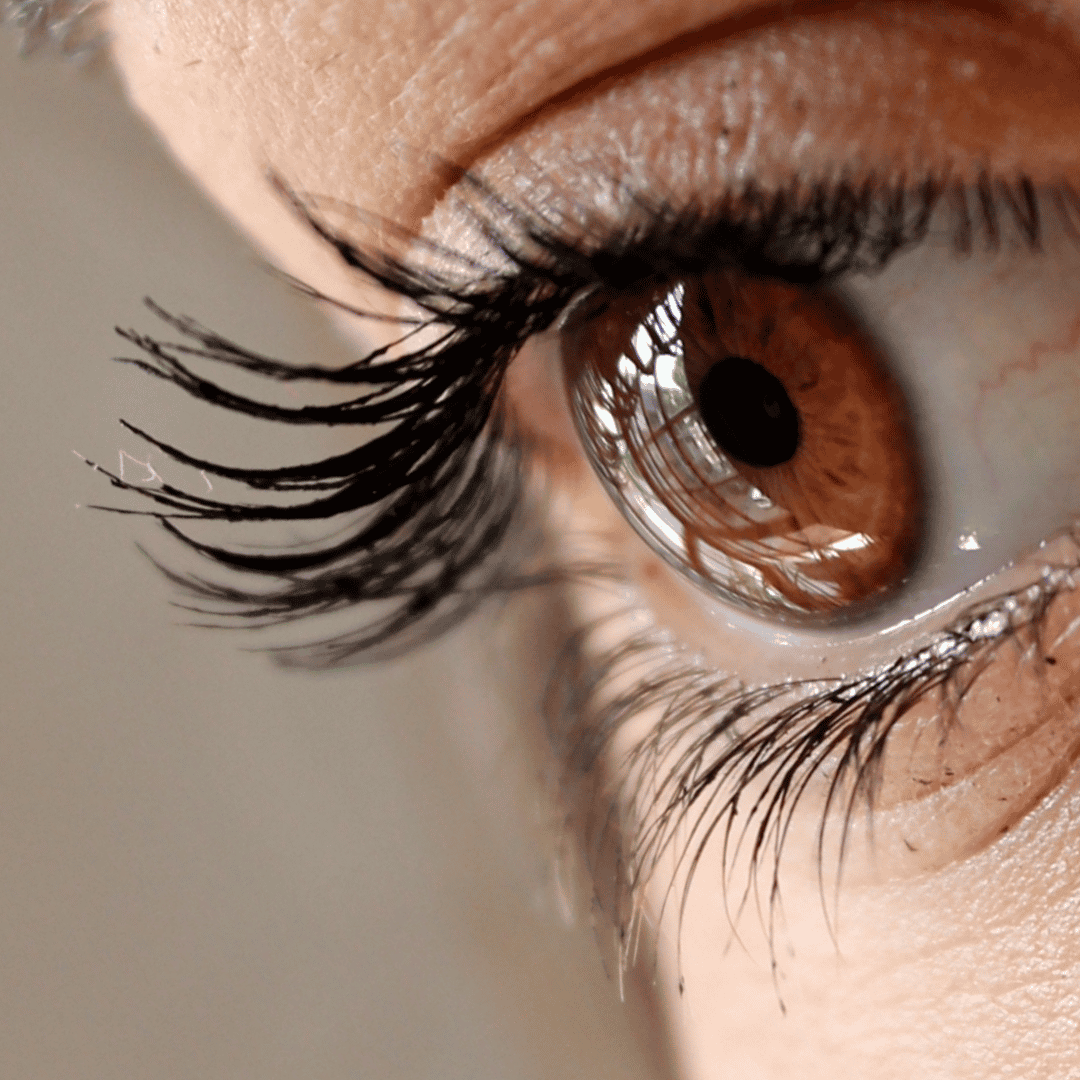
Price starting from $9,800
Stem Cell Treatment for Congenital Eye Disorders Package in Kuala Lumpur, Malaysia by FirstCell
FirstCell Malaysia
- Stem Cell Therapy
Kuala Lumpur, Malaysia
Let’s get straight to the numbers, because transparent financial planning is a crucial part of any healthcare journey. Undergoing stem cell for eye disorders in Kuala Lumpur typically costs between $7,000 and $12,000.
This price range varies based on the type of stem cells utilized, the number of required applications, and the specific clinic's technological capabilities. In contrast, similar experimental protocols in Western countries can easily exceed $25,000, if they are available to patients at all. Please review the specific pricing options below to understand exactly what fits your budget.
Not all medical facilities are created equal, especially when it comes to the delicate nature of regenerative eye therapies. Choosing the right clinic in Kuala Lumpur goes far beyond looking at a polished lobby or a friendly reception desk. You need absolute confidence in their clinical environment and biological protocols.
It is crucial to verify their medical licenses and ensure they follow strict cellular handling procedures. Look specifically for facilities recognized by the Ministry of Health Malaysia and certified by the MHTC. Please compare the clinics listed below to evaluate their specific accreditations and safety standards before making your decision.
FirstCell Malaysia
Kuala Lumpur, Malaysia


ZELL-V Wellness Hub
Kuala Lumpur, Malaysia
Reading about a medical procedure is helpful, but seeing the actual patient journey unfold provides an entirely different level of reassurance. Visuals can bridge the gap between complex medical terminology and real-world clinical environments.
Watching facility tours and patient interviews gives you a transparent look at the recovery spaces and the care team's overall approach. It greatly helps demystify the experience of traveling to Southeast Asia for advanced care. Watch the videos below to gain a much clearer perspective on what to expect during your visit.


The most honest insights about a medical procedure usually come from the people who have already sat in the patient chair. Real experiences can highlight the small, important details that official clinical brochures tend to leave out.
Reading firsthand accounts helps you gauge the bedside manner of the staff and the daily realities of the recovery process in Malaysia. It is a vital step in setting realistic expectations for your own medical journey. Browse the patient reviews below to hear directly from those who have navigated this exact path.

Traveling for regenerative eye care comes with plenty of valid questions regarding safety, logistics, and expected outcomes. Below are some of the most common questions patients ask when considering stem cell therapies in Kuala Lumpur.
Is stem cell therapy for eye disorders strictly regulated in Malaysia?
Yes. All cellular therapies are closely monitored by the Ministry of Health Malaysia to ensure patient safety, ethical sourcing, and clinical hygiene.
What specific eye conditions are typically treated?
Clinics generally focus on degenerative conditions such as macular degeneration, optic neuritis, glaucoma, and retinitis pigmentosa, aiming to halt disease progression.
Where do the stem cells come from?
Most clinics utilize either autologous stem cells derived from your own body fat or bone marrow, or ethically sourced mesenchymal stem cells from umbilical cord tissue.
How long do I need to stay in Kuala Lumpur?
Patients are typically advised to stay in the city for 5 to 7 days to allow for proper pre-treatment evaluations and adequate post-procedure monitoring.
Are the treating doctors able to communicate in English?
Absolutely. English is widely spoken in Malaysia, and nearly all medical professionals in international hospitals are highly fluent.
Is the treatment administration painful?
The procedure is generally performed using local anesthesia or numbing drops to minimize discomfort, though patients may feel slight pressure during application.
How do I verify a clinic's safety before traveling?
You should check for accreditations from the Malaysia Healthcare Travel Council (MHTC) and look for broader certifications like JCI (Joint Commission International).
Does this treatment guarantee my vision will improve?
No medical procedure can guarantee a cure. The primary goal of regenerative eye therapy is often to slow or halt vision loss, with varying levels of potential improvement.
Can I fly home immediately after the procedure?
It is usually recommended to wait a few days before flying, as cabin pressure changes and dry air can sometimes irritate healing ocular tissues.
Are there specific environmental precautions while recovering in Malaysia?
Due to the tropical climate, patients are advised to avoid direct sun exposure, swimming pools, and dusty environments to prevent irritation and infection.
Your vision is irreplaceable, which means the hands administering your treatment must be exceptionally qualified. Regenerative ophthalmology requires a specialist who deeply understands both advanced cellular science and delicate ocular structures.
When evaluating doctors in Malaysia, look for board-certified ophthalmologists who have completed specific training or fellowships in regenerative medicine. Verify their professional history and affiliations with respected medical boards. Take time to compare the doctors below to review their credentials and find the right specialist for your specific condition.

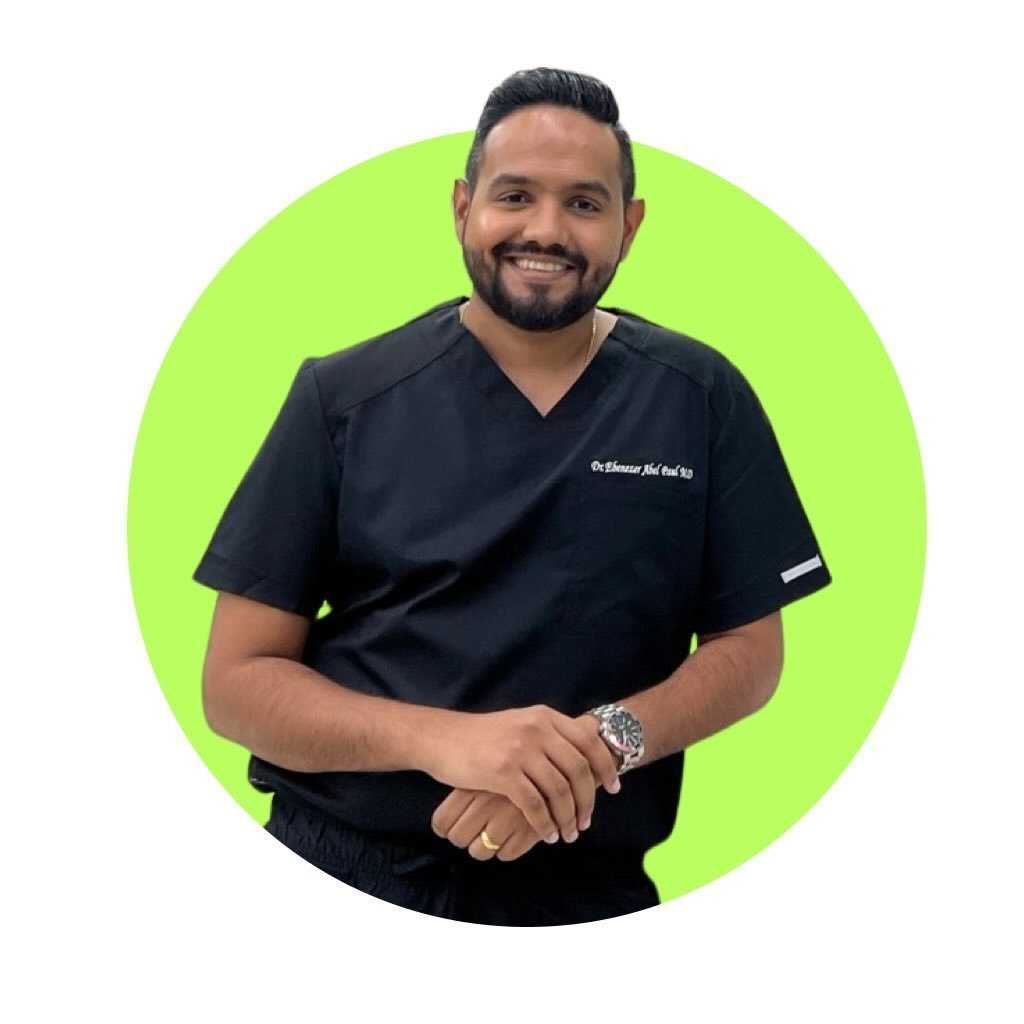
Dr. Ebenezer Abel Paul
Dr. Ebenezer Abel Paul - Stem Cells in Malaysia
- Longevity Specialist
Kuala Lumpur, UAE
Traveling across the globe for a medical procedure is a significant decision, but Kuala Lumpur is structured to make the transition remarkably comfortable. This vibrant Southeast Asian metropolis has intentionally positioned itself as a premier destination for specialized and highly regulated healthcare.
Patients frequently travel here from Australia, the UK, the Middle East, and neighboring regions, drawn by the rare combination of world-class medical infrastructure and affordable care. Navigating the city is straightforward, as English is widely spoken in all major hospitals, hotels, and commercial districts.
| Primary Airport | Kuala Lumpur International Airport (KLIA) |
| Travel Time (from Australia) | Approximately 6 to 8 hours direct flight |
| Local Currency | Malaysian Ringgit (MYR) |
| Medical Regulation | Ministry of Health Malaysia & MHTC |
The warm tropical climate and modern amenities offer a relaxing backdrop for your recovery. Furthermore, most top-tier clinics are located near comfortable, patient-friendly accommodations, which greatly minimizes travel stress during your stay.
Navigating international healthcare options does not have to be an overwhelming or isolated process. Gathering the right information is simply the first step toward making a confident, well-informed decision about your vision and overall health.
PlacidWay can help you connect directly with accredited clinics in Malaysia, coordinate your initial consultations, and clarify any questions you may have about the treatment process. We are here to support your journey from the initial research phase all the way to your safe return home.
References
- Stem Cell Therapy in Ophthalmology - National Institutes of Health (NIH)
- Quality and Safety in Healthcare - Malaysia Healthcare Travel Council (MHTC)
- What to Know About Stem Cell Therapy for Eyes - American Academy of Ophthalmology (AAO)
- Patient Guidelines for Unproven Cell Therapies - International Society for Cell & Gene Therapy (ISCT)
- Patient Safety and Quality of Care - World Health Organization (WHO)
.png)

.png)
.png)
.png)
.png)

.jpg)

.jpg)
.jpg)








Share this listing