


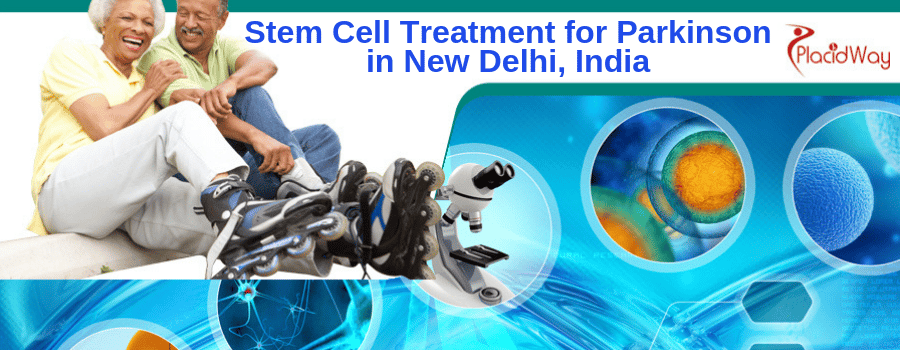
Stem Cell Treatment for Parkinson in New Delhi, India
Finding the Best Package for Stem Cell Treatment for Parkinson in New Delhi, India offers patients a path toward reclaiming their quality of life through advanced regenerative medicine. As a premier destination for medical tourism, New Delhi combines world-class medical infrastructure with highly skilled neurologists who specialize in managing neurodegenerative disorders. Patients traveling to this vibrant city can access cutting-edge Mesenchymal Stem Cell (MSC) therapies that are often unavailable or prohibitively expensive in Western nations.
The protocols utilized for Stem Cell Treatment for Parkinson in New Delhi, India are designed to address the root causes of neuronal degeneration rather than just masking symptoms. By focusing on the regeneration of dopamine-producing cells, clinics in New Delhi provide a comprehensive approach that includes precise cell delivery, rehabilitation support, and extensive medical evaluations. Choosing New Delhi ensures that you receive personalized care in JCI-accredited facilities, making high-quality neurological restoration accessible and affordable.
Key Takeaways for Patients
- Significant Cost Reductions: Patients can save up to 70% on medical expenses compared to the United States or Europe without compromising on clinical quality or safety standards.
- Advanced Medical Technology: Clinics in New Delhi utilize state-of-the-art laboratories for stem cell expansion and harvesting, ensuring high viability and potency of the cells used for therapy.
- Experienced Medical Teams: The procedure is supervised by board-certified neurologists and regenerative medicine experts with decades of international experience in treating Parkinson’s disease.
- Comprehensive Care Packages: Treatment plans are holistic, often integrating physical therapy, nutritional counseling, and post-procedure monitoring to maximize the biological potential of the stem cells.
- Minimal Downtime: The minimally invasive nature of stem cell therapy allows for a quicker recovery, enabling international patients to return home sooner than with traditional surgical interventions.
Cost Overview and Comparison for Stem Cell Treatment for Parkinson in New Delhi, India
The financial aspect of medical care is a primary concern for many families dealing with chronic conditions. The cost of Stem Cell Treatment for Parkinson in New Delhi, India is significantly lower than in many other parts of the world due to the lower cost of living and operational expenses in India, not a lack of quality. This price advantage allows patients to access multiple rounds of therapy or extensive rehabilitation that might otherwise be unaffordable.
Below is a comparative table highlighting the estimated costs for this regenerative therapy across different regions. This demonstrates the substantial value offered by choosing New Delhi as your medical destination.
| Country | Estimated Cost (USD) | Estimated Savings |
|---|---|---|
| New Delhi, India | $6,500 - $12,000 | N/A |
| United States | $25,000 - $50,000 | 60% - 80% |
| United Kingdom | $20,000 - $40,000 | 50% - 70% |
| Germany | $18,000 - $35,000 | 45% - 65% |
Note: Prices listed above are estimates and may vary based on the specific type of stem cells used (autologous vs. allogeneic), the number of injections required, the complexity of the patient's condition, and the specific clinic chosen.
What’s Included in the Stem Cell Treatment for Parkinson Package
- Comprehensive Medical Evaluation: Initial consultation with a leading neurologist, including a review of medical history and current medication regimen.
- Pre-Procedure Diagnostics: Essential blood work, neurological assessments, and imaging scans (MRI or CT) if required to map the treatment area.
- Stem Cell Processing: The harvesting (if autologous), processing, quality testing, and preparation of the stem cell dosage in a sterile, high-tech laboratory.
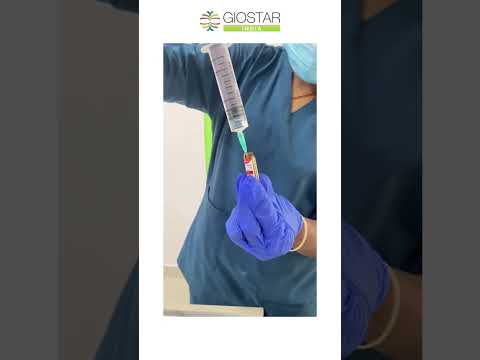
- The Procedure: Administration of stem cells via Intravenous (IV) or Intrathecal (Lumbar Puncture) routes as determined by the specialist.
- Hospitalization: Stay in a private or semi-private room for the duration of the treatment (typically 1-3 days) including nursing charges.
- Post-Treatment Therapy: Initial sessions of physiotherapy or occupational therapy to stimulate neural pathways immediately after the procedure.
- Medications: All necessary medical consumables and prescription drugs required during the hospital stay.
What’s Not Included in the Stem Cell Treatment for Parkinson Package
- Travel Expenses: International or domestic airfare to and from New Delhi.
- External Accommodation: Hotel stays before admission or after discharge from the clinic.
- Visa Fees: Costs associated with obtaining an Indian Medical Visa.
- Personal Expenses: Meals outside the hospital, laundry, telephone calls, and sightseeing.
- Medical Complications: Costs arising from unforeseen complications requiring extended stay or additional procedures outside the package scope.
- Travel Insurance: Comprehensive medical or travel insurance coverage.
Understanding Regenerative Therapy for Parkinson's in New Delhi
Regenerative medicine for neurological conditions is a rapidly evolving field, and New Delhi has positioned itself at the forefront of this innovation. The primary goal of stem cell therapy for Parkinson's disease is to replace damaged neurons and protect existing ones from further degeneration.
The treatment works by leveraging the unique properties of stem cells to modulate the immune system and secrete growth factors. This biological support system helps in repairing the nigrostriatal pathway, which is critical for dopamine production and motor control.
- Mechanism of Action: Stem cells, particularly Mesenchymal Stem Cells (MSCs), release neurotrophic factors that encourage the survival of existing dopamine neurons and stimulate the differentiation of new neural cells.
- Types of Cells Used: Clinics in New Delhi typically offer Umbilical Cord Tissue-Derived Stem Cells (Allogeneic) or Bone Marrow/Adipose-Derived Stem Cells (Autologous), depending on the patient's age and health.
- Administration Routes: The cells are usually delivered via Intravenous (IV) injection for systemic reach and Intrathecal injection (into the spinal canal) to bypass the blood-brain barrier for targeted delivery to the brain.
- Reduction of Symptoms: Patients often report a reduction in tremors, improved balance, better gait, and reduced rigidity, leading to a decrease in the dependency on medications like Levodopa.
- Safety Profile: When performed in certified clinics in New Delhi, the procedure is safe, with minimal risk of rejection (especially with MSCs) or tumorigenesis.
- Duration of Effect: While not a permanent cure, the benefits can last for several years, slowing the progression of the disease significantly compared to standard pharmaceutical management alone.
Who Is the Ideal Candidate for Stem Cell Treatment for Parkinson?
Not every patient with Parkinson's disease is an automatic candidate for stem cell therapy. Specialists in New Delhi carefully screen applicants to ensure the highest probability of success. The ideal candidate profile helps doctors tailor the treatment to those who will benefit most.
Generally, patients in the early to moderate stages of the disease tend to respond better than those in advanced stages where neuronal loss is total. However, late-stage patients may still experience quality-of-life improvements.
- Confirmed Diagnosis: The patient must have a clinically confirmed diagnosis of Idiopathic Parkinson’s Disease by a neurologist.
- Levodopa Responsiveness: Patients who have previously shown a positive response to Levodopa therapy generally have a better prognosis with stem cell treatment.
- Medical Stability: The candidate should be free from active infections, cancer, or severe unmanaged comorbidities (like unstable heart disease) that could complicate the procedure.
- Realistic Expectations: The patient and family must understand that this is a management therapy aimed at improvement and slowing progression, not a guaranteed reversal or "miracle cure."
- Ability to Travel: The patient must be physically capable of traveling to New Delhi and undergoing the requisite hospital stay and follow-up protocols.
Day-by-Day Itinerary for Your Stem Cell Treatment for Parkinson in New Delhi
A structured itinerary ensures that international patients experience a smooth and stress-free treatment journey. While individual schedules may vary slightly based on the clinic's protocols, the following is a typical timeline for a patient visiting New Delhi for this procedure.
- Day 1: Arrival and Initial Consult: Arrive in New Delhi. Transfer to the clinic or hotel. Meet with the lead neurologist for a physical examination and review of medical records.
- Day 2: Pre-Procedure Diagnostics: undergo comprehensive blood tests, infectious disease screening, and MRI/CT scans if necessary. Begin preparation for the procedure (hydration, medication adjustments).
- Day 3: The Procedure (Session 1): Administration of the first dose of stem cells. This is typically the Intravenous (IV) session. Vital signs are monitored closely for several hours.
- Day 4: The Procedure (Session 2): Administration of the second dose, often Intrathecal (lumbar puncture), performed under local anesthesia or mild sedation. Detailed monitoring follows to ensure no adverse reactions.
- Day 5: Rehabilitation and Observation: A session of specialized physiotherapy to encourage neural integration. Doctor rounds to check recovery status.
- Day 6: Final Review and Discharge: Final consultation with the specialist to discuss post-treatment care, medication schedule, and dietary advice. Discharge from the clinic.
- Day 7: Departure: Safe to fly back home, provided the patient feels rested and the doctor has given clearance for air travel.
What to Expect from Your Stem Cell Treatment for Parkinson in New Delhi
Managing expectations is crucial for patient satisfaction. Upon undergoing Stem Cell Treatment for Parkinson in New Delhi, India, patients should anticipate a gradual rather than immediate change. The biological repair process takes time, and the stem cells continue to work for weeks and months after the injection.
Most patients report feeling a boost in energy and mental clarity within the first few weeks. Physical improvements, such as reduced tremors or better balance, typically manifest between the first and third month post-treatment. It is common to experience mild fatigue immediately after the procedure as the body directs energy toward healing.
- Initial Phase (Weeks 1-4): Mild soreness at injection sites or transient headaches (if lumbar puncture was used). Some patients report better sleep patterns and increased alertness.
- Intermediate Phase (Months 2-4): Noticeable improvements in fine motor skills (handwriting, buttoning shirts) and gross motor skills (walking, balance). Rigidity often decreases.
- Long-Term Phase (Months 6+): Stabilization of symptoms. Many patients successfully reduce their dosage of synthetic medications under their doctor's supervision.
- Supportive Environment: The medical staff in New Delhi are known for their empathetic approach, ensuring you feel supported throughout the biological changes your body is undergoing.
- Follow-Up: Expect regular communication with the New Delhi medical team via video calls to track progress and adjust rehabilitation protocols remotely.
Post-Stem Cell Treatment Recovery in New Delhi
Recovery does not end when you leave the hospital; it is an active process that dictates the success of the therapy. New Delhi's specialists provide detailed recovery guidelines designed to maximize the efficacy of the implanted cells.
Adhering to these guidelines is mandatory. The cellular environment needs to be optimized for the stem cells to thrive, differentiate, and repair the damaged neural tissue. Neglecting recovery protocols can diminish the results.
- Strict Medication Adherence: Follow the prescribed schedule for supplements and neuroprotective drugs exactly. Do not stop Parkinson’s medication abruptly; tapering is done slowly.
- Intensive Physical Therapy: Engage in regular, moderate-intensity exercise. Neuroplasticity is activity-dependent; moving your body teaches the new cells how to function.
- Nutritional Support: Adopt an anti-inflammatory diet rich in antioxidants, omega-3 fatty acids, and leafy greens to reduce oxidative stress in the brain.
- Hydration: Maintain high fluid intake to help flush out toxins and support cellular metabolism.
- Avoid Toxins: Strictly avoid alcohol and smoking for at least 3 to 6 months post-procedure, as these can kill the newly introduced stem cells.
- Cognitive Training: Engage in brain games, puzzles, or learn a new skill to stimulate cognitive pathways and enhance mental recovery.
Why Choose New Delhi, India for Stem Cell Treatment for Parkinson?
New Delhi has emerged as a global powerhouse for medical tourism, specifically for complex neurological treatments. The city offers a unique blend of high-tech medical care and compassionate hospitality, making it a preferred choice for thousands of international patients annually.
- World-Class Infrastructure: New Delhi is home to numerous JCI and NABH accredited hospitals that rival the best facilities in the West in terms of hygiene, technology, and patient safety.
- Expertise in Neurology: Indian doctors are globally recognized for their expertise. Many specialists in New Delhi have trained in the UK or USA and have extensive experience with regenerative protocols.
- No Waiting Lists: Unlike public health systems in Canada or the UK, treatment in New Delhi can be scheduled almost immediately, preventing further disease progression during long wait times.
- English Proficiency: English is the primary language of medical education and communication in India, ensuring zero language barriers between patients and their healthcare providers.
- Cost-Effectiveness: The combination of affordable treatment, low-cost accommodation, and inexpensive travel within the city makes the total medical trip highly budget-friendly.
- Ease of Connectivity: Indira Gandhi International Airport (DEL) is a major global hub with direct flights from most major cities worldwide, making travel convenient for patients.
Explore New Delhi While You Recover: Top Attractions for Patients
While the primary focus is medical treatment, the recovery period offers a chance to experience the rich culture of India's capital. New Delhi offers several low-impact, relaxing attractions suitable for patients recovering from Stem Cell Treatment for Parkinson.
- The Lotus Temple: A Bahá'í House of Worship known for its flower-like shape. It is a place of absolute silence and peace, perfect for meditation and mental relaxation without strenuous walking.
- Lodhi Gardens: A sprawling green sanctuary in the heart of the city. The flat, paved pathways are ideal for gentle post-treatment walks amidst 15th-century architecture and lush flora.
- India Gate: A war memorial and iconic landmark. It can be viewed easily from a car or via a short, flat walk, offering a glimpse of colonial history without physical exertion.
- Garden of Five Senses: Designed to stimulate the senses, this park offers a therapeutic environment with various scents, textures, and colors, which can be beneficial for neurological stimulation.
- Dilli Haat: An open-air food plaza and craft bazaar. It is wheelchair accessible and offers a contained, safe environment to experience Indian culture and crafts at a relaxed pace.
FAQs About Stem Cell Treatment for Parkinson in New Delhi, India
1. Is stem cell therapy for Parkinson's legal in India?
Yes, stem cell therapy is practiced in India under strict guidelines. While it is not a standard first-line treatment in government hospitals, private clinics operate under ethical review boards and use autologous or ethically sourced tissues.
2. What is the success rate of this procedure in New Delhi?
Success rates vary by patient, but clinics generally report that 60-70% of patients experience noticeable improvements in motor function and quality of life, with benefits lasting significantly longer than medication adjustments alone.
3. Is the procedure painful?
The procedure is minimally invasive. IV infusions are painless. Intrathecal injections (lumbar puncture) involve a needle prick and may cause minor discomfort or pressure, but local anesthesia is used to minimize pain.
4. How long do I need to stay in New Delhi?
Most patients are advised to stay for about 7 to 10 days. This includes the consultation, the procedure (which takes 2-3 days), and a few days for observation and initial rehabilitation.
5. Will I need a medical visa?
Yes, international patients are required to enter India on a Medical Visa. The clinic will provide an invitation letter to assist with the visa application process.
6. Are the stem cells used ethical?
Reputable clinics in New Delhi use either adult stem cells (from the patient's own body) or umbilical cord tissue cells derived from healthy, consented C-section births. Embryonic stem cells are generally not used due to ethical and safety concerns.
7. Can I bring a companion?
Absolutely. It is highly recommended to bring a family member or caregiver to assist you during travel and the immediate post-procedure recovery period.
8. Will my insurance cover this treatment in India?
Most international insurance companies consider stem cell therapy "experimental" and do not cover it. However, the out-of-pocket cost in India is often less than the co-pay for major surgeries in the US.
Ready to Restore Your Quality of Life?
PlacidWay is your trusted partner in navigating the world of medical tourism. We bridge the gap between you and the top-rated specialists in New Delhi for Parkinson's treatment.
- Verified Clinics: We only partner with medical centers that have passed rigorous quality checks and accreditation standards.
- Transparent Pricing: Get direct access to clinic pricing without hidden markups or surprise fees.
- Direct Doctor Access: We facilitate initial video consultations so you can speak with the neurologist before you commit.
- Patient Advocacy: Our team supports you from the moment you inquire until you return home, ensuring your voice is heard.
- Customized Solutions: We help tailor the medical package to fit your specific health needs and budget requirements.







.png)
.png)
.png)



.png)








Share this listing