
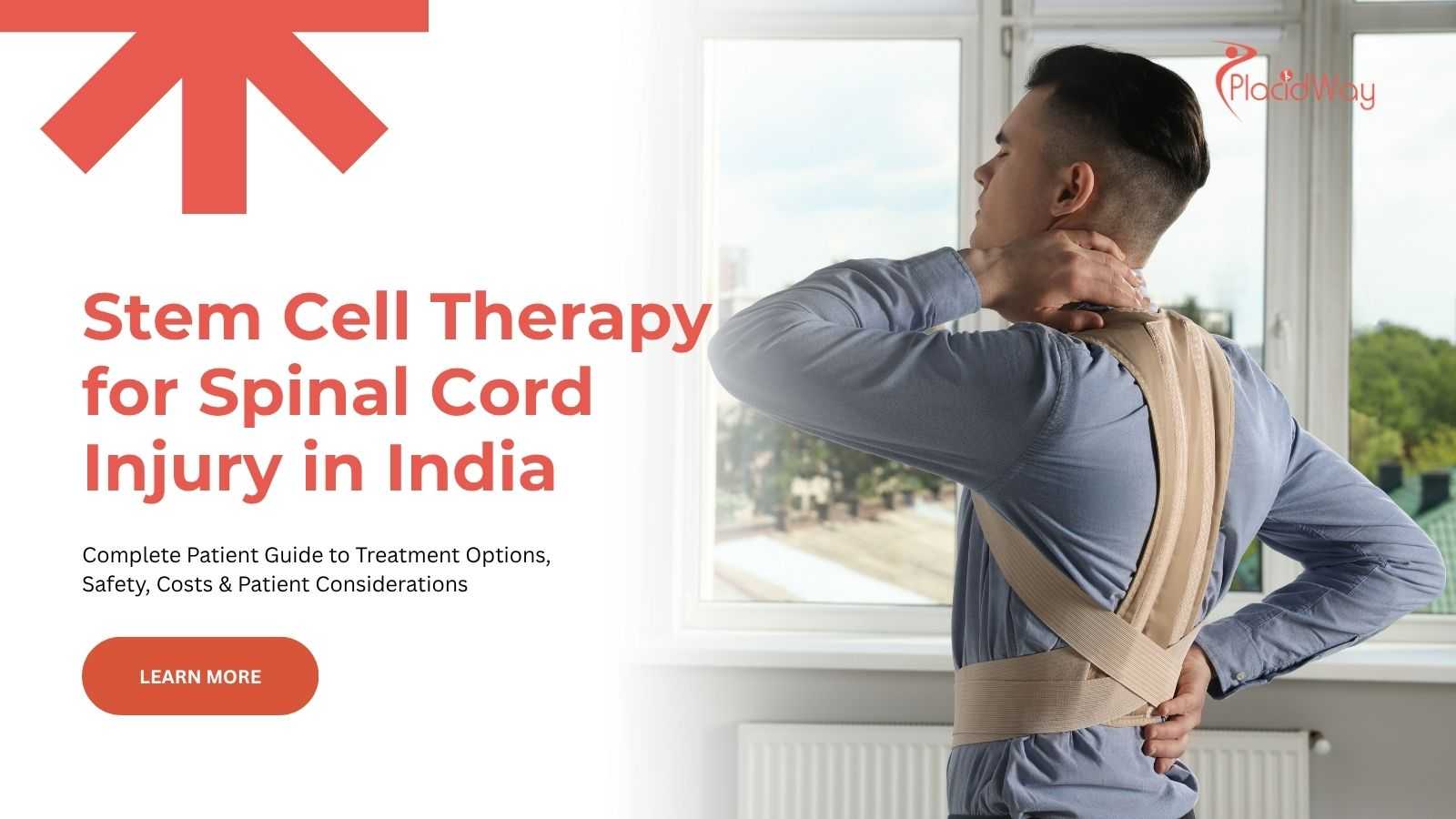
Coping with a spinal cord injury brings profound physical and emotional challenges that often lead families to explore regenerative medicine abroad. India has emerged as a major destination offering specialized neurological care at estimated costs ranging from $6,500 to $15,000 depending on the specific clinical protocol and facility chosen. When considering this highly complex medical journey you must prioritize hospitals strictly adhering to Indian Council of Medical Research guidelines and holding official National Accreditation Board for Hospitals and Healthcare Providers certifications to ensure safety.
Quick Answer Summary
- Estimated Cost: Typically ranges between $6,500 and $15,000 USD for comprehensive treatment packages.
- Safety Overview: Procedure safety relies heavily on selecting facilities regulated by the Central Drugs Standard Control Organization and the Indian Council of Medical Research.
- Ideal Candidate: Patients with incomplete spinal cord injuries often show better responsiveness compared to those with complete severances.
- Recovery Time: Requires several months of intense physical rehabilitation alongside the cellular therapy.
- Why Patients Choose India: Access to specialized neurologists dedicated rehabilitation centers and significant cost savings compared to Western healthcare systems.
- Important Caution: This treatment remains largely investigational and is not a guaranteed cure for paralysis or nerve damage.
Understanding Stem Cell Therapy for Spinal Cord Treatments
Stem cell therapy represents an evolving branch of regenerative medicine aimed at addressing severe neurological damage. When a spinal cord sustains trauma the resulting inflammation and cellular death disrupt vital communication pathways between the brain and the body. Traditional treatments focus mostly on stabilization and physical rehabilitation rather than cellular repair.
Cellular therapies utilize specialized cells that have the potential to modulate inflammation and support tissue healing. Doctors often use mesenchymal stem cells sourced from bone marrow or adipose tissue for these procedures. The goal is to create a microenvironment within the spinal canal that encourages natural nerve protection and partial regeneration over time.
Regenerative medicine seeks to preserve existing nerve function and stimulate supportive healing. It requires a multidisciplinary approach combining cellular injections with intensive physical therapy.
Why International Patients Choose India for Neurological Care
Living with a spinal cord injury often leaves patients feeling exhausted by limited localized treatment options. Many individuals look globally for advanced medical interventions that might improve their daily quality of life. India attracts thousands of international patients annually for complex neurological and orthopedic conditions.
The country offers a unique combination of highly trained medical professionals and modern hospital infrastructure. Patients typically travel from the United States the United Kingdom African nations and the Middle East to access these specialized neurological programs. Specialized clinics often provide comprehensive packages that include airport transfers language translation and dedicated nursing care.
- Significantly lower financial burden
- Access to comprehensive rehabilitation
- No long waitlists for consultations
- English-speaking medical staff
- Long-distance international travel
- Varying regulatory standards among clinics
- Being away from primary support networks
- Adapting to a new cultural environment
How Cellular Interventions Target Spinal Nerve Damage
The biological mechanisms behind cellular treatments for spinal injuries are complex and heavily researched. Once administered into the spinal fluid or damaged area these cells release neurotrophic factors. These specific proteins act as chemical signals that help reduce localized swelling and prevent further cell death.
Additionally these cells possess immunomodulatory properties that calm the aggressive immune response often seen following acute spinal trauma. While they do not simply replace dead neurons they support the surviving neural networks. This supportive environment may assist patients in regaining some sensory or motor functions during their physical therapy sessions.
- Comprehensive neurological evaluation and MRI imaging
- Extraction of autologous stem cells usually from bone marrow
- Laboratory processing to isolate and concentrate the cells
- Targeted administration via lumbar puncture or intrathecal injection
- Post-procedure monitoring and commencement of physical rehabilitation
Global Patient Demographics and Travel Trends
Recent healthcare travel reports from 2024 highlight a steady increase in cross-border travel for regenerative neurological care. Analyzing these demographics helps prospective patients understand who is traveling and why. A significant portion of these travelers fall within the 25 to 45 age bracket often consisting of individuals who suffered traumatic sports or motor vehicle injuries.
Data from the Indian Ministry of Tourism and national hospital registries indicates that inbound medical traffic has diversified. While patients from neighboring Asian and African countries remain prevalent there is a documented 2025 surge in patients arriving from Western nations seeking more affordable care models. The visual data below illustrates the verified trends in international patient origins and treatment volume based on recent 2024 medical tourism reports.
Projected Patient Volume Trends for Neurological Regenerative Care in India (2024 to 2026)
Distribution of Inbound Patients by Origin Region (2024 Data)
Estimated Costs for Spinal Cord Interventions in India
The financial aspect of medical tourism remains a primary driving factor for many international patients. In India the total price of care is significantly lower due to different economic structures and reduced hospital administration fees. Treatment packages usually encompass the medical procedure hospital stay and initial rehabilitation sessions.
Pricing varies widely depending on the city the specific hospital and the exact cellular protocol utilized. Some patients may require multiple cell administration sessions which will inherently increase the overall cost. Below is an overview of standard estimated prices you might encounter when researching Indian healthcare facilities.
| Treatment Component | Estimated Cost in India (USD) | Estimated Cost in US/UK (USD) |
|---|---|---|
| Initial Neurological Evaluation | $200 - $500 | $1,500 - $3,000 |
| Cell Harvesting and Processing | $3,000 - $6,000 | $12,000 - $25,000 |
| Cell Administration Procedure | $2,000 - $4,500 | $10,000 - $20,000 |
| Intensive Inpatient Rehabilitation (Per Month) | $1,500 - $3,500 | $8,000 - $15,000 |
| Total Estimated Package Range | $6,500 - $15,000 | $30,000 - $60,000+ |
Evaluating Hospitals and Regulatory Certifications in India
Choosing the right medical facility is a critical step in ensuring patient safety and procedural efficacy. The Indian healthcare ecosystem is vast featuring a mix of highly regulated premium hospitals and smaller unregulated clinics. International patients must be extremely diligent in verifying hospital credentials before transferring any medical records or funds.
The primary quality indicator in India is accreditation from the National Accreditation Board for Hospitals and Healthcare Providers. Additionally any facility conducting cellular therapy must strictly follow the National Guidelines for Stem Cell Research established by the Indian Council of Medical Research. You should always ask the hospital for their specific registration documents and laboratory certifications.
- Verify the facility holds active National Accreditation Board for Hospitals certification.
- Ensure the laboratory is approved by the Central Drugs Standard Control Organization.
- Ask for written protocols detailing emergency ICU support availability.
- Request transparent itemized billing prior to arrival.
- Confirm the hospital adheres to Indian Council of Medical Research guidelines.
Selecting a Qualified Neurological Specialist
The success and safety of your treatment rely heavily on the expertise of the attending medical team. Cellular therapies for the spine should only be performed by board-certified neurologists or neurosurgeons with specific training in regenerative medicine. A general practitioner or orthopedic doctor without spinal specialization is not appropriate for this procedure.
When evaluating a doctor you must verify their active registration with the National Medical Commission of India. Many top specialists also hold memberships in the Neurological Society of India or international spinal cord societies. Do not hesitate to ask a surgeon about their annual case volume and their specific protocol for managing procedural complications.
Never select a doctor based solely on social media testimonials or marketing videos. Always request their official National Medical Commission registration number and independently verify their credentials through official national medical boards.
Patient Eligibility and Medical Contraindications
Not every individual with a spinal cord injury is an appropriate candidate for regenerative cellular treatments. A rigorous medical evaluation is necessary to determine if the potential benefits outweigh the clinical risks. Doctors consider the time elapsed since the injury the level of the spinal lesion and the patient's overall health status.
Patients with severe active infections progressive neurological diseases or certain types of cancer are generally disqualified from receiving cellular therapy. Furthermore those with completely severed spinal cords often have vastly different prognoses compared to those with incomplete injuries. Honest clinics will thoroughly review your MRI scans before accepting you as a patient.
| Generally Considered Suitable Candidates | Generally Contraindicated Conditions |
|---|---|
| Incomplete spinal cord injuries | Complete anatomical transaction of the spinal cord |
| Medically stable individuals | Active systemic infections or blood disorders |
| Patients willing to commit to long-term rehab | History of malignancies or active cancer |
| Injuries resulting from physical trauma | Advanced degenerative neurological diseases |
Treatment Timeline and Rehabilitation Stages
The journey toward potential improvement does not end once the cells are administered. In fact the injection is merely the beginning of a prolonged and intensive rehabilitation phase. Physical therapy helps translate any newly formed cellular support into tangible motor or sensory improvements.
Patients traveling to India typically stay for several weeks to complete the initial acute rehabilitation phase under expert supervision. Returning home requires a transition plan to continue daily physical therapy with local professionals. Healing is gradual and patients should set realistic expectations regarding their recovery trajectory.
| Timeline Phase | Clinical Activity | Patient Experience |
|---|---|---|
| Days 1-3 | Medical evaluation MRI scans and blood tests | Consultations and resting in the hospital facility |
| Days 4-7 | Cell extraction processing and administration | Mild discomfort at the injection site needing rest |
| Weeks 2-4 | Initiation of intensive inpatient physical therapy | Fatigue muscle soreness and structured daily exercises |
| Months 1-6 | Continued outpatient rehabilitation in home country | Gradual monitoring for sensory or motor changes |
Safety Protocols and Potential Medical Risks
While regenerative interventions offer hope they also carry inherent medical risks that you must carefully consider. Any invasive procedure into the spinal canal poses a risk of infection bleeding or nerve damage. Ensuring the clinic utilizes strict sterile techniques and advanced imaging guidance minimizes these dangers.
Furthermore the behavior of administered cells can occasionally be unpredictable. While rare there are documented cases of localized tissue overgrowth or adverse immune reactions. A reputable hospital will discuss these risks openly and provide a detailed consent form rather than promising a risk-free experience.
Ensure your chosen facility has an on-site Intensive Care Unit. In the rare event of severe procedural complications such as spinal fluid leakage or acute infection immediate access to emergency medical intervention is crucial for patient safety.
Planning Your Medical Travel and Visa Requirements
Traveling to India for medical reasons requires careful logistical preparation and adherence to local immigration laws. International patients must apply for a specific Medical Visa rather than a standard tourist visa. This visa legally permits you to undergo medical procedures and allows for extended stays if your rehabilitation requires it.
Your chosen hospital must provide a formal invitation letter to support your visa application. You should also coordinate your travel arrangements considering wheelchair accessibility on flights and local transport. Many top-tier Indian hospitals employ dedicated international patient coordinators to assist with airport pickups and local accommodation planning.
- Obtain preliminary medical approval from the Indian specialist.
- Receive the official hospital invitation letter.
- Apply for the Indian Medical Visa online or via your local embassy.
- Book direct flights with specific wheelchair assistance requests.
- Arrange accessible accommodation near the medical facility.
Frequently Asked Questions
Nervous patients and their families usually have numerous questions before deciding to travel internationally for advanced care. Reviewing common concerns can help you formulate the right questions to ask during your initial medical consultation. Below are vital answers regarding treatment protocols and expectations.
Is this treatment a guaranteed cure for paralysis?
No. Stem cell therapy is an investigational treatment designed to support cellular repair and manage inflammation. It is not a guaranteed cure for paralysis and outcomes vary significantly among patients.
How long do I need to stay in India for this procedure?
Patients typically stay between three to six weeks. This timeframe covers initial consultations cell processing the administration procedure and the crucial first phase of intensive inpatient rehabilitation.
What type of cells do Indian doctors typically use?
Doctors adhering to ethical guidelines generally utilize autologous mesenchymal stem cells harvested from your own bone marrow or adipose tissue to minimize the risk of immune rejection.
Can individuals with complete spinal cord injuries get this treatment?
While clinics may evaluate patients with complete injuries clinical data suggests that those with incomplete injuries generally have a higher likelihood of experiencing noticeable functional improvements.
Are the estimated costs inclusive of rehabilitation?
Cost packages differ by facility. Many premier hospitals bundle the initial few weeks of inpatient physical therapy into the total cost but you must explicitly confirm this via an itemized quote.
Does insurance cover international stem cell procedures?
Most Western health insurance providers consider this therapy investigational and will not cover procedures performed abroad. Patients generally pay out-of-pocket for medical tourism journeys.
How do I verify a hospital is legally permitted to perform this?
You must request documentation showing the hospital is registered with the Indian Council of Medical Research and holds active accreditation from the National Accreditation Board for Hospitals.
What happens if there is a medical complication during treatment?
Properly vetted tertiary hospitals in India have comprehensive Intensive Care Units and emergency protocols to stabilize patients. Always discuss complication management policies before signing consent forms.
Is a medical visa mandatory for traveling to India?
Yes an official Medical Visa is strictly required for international patients. A standard tourist visa is legally insufficient for individuals traveling specifically to undergo invasive medical procedures.
When might I see results from the cellular intervention?
Biological healing is a slow process. If functional improvements occur they generally develop gradually over three to six months in conjunction with rigorous and continuous physical therapy.
Next Steps for Your Medical Journey
Making a decision about international regenerative medicine requires extensive research and professional guidance. Navigating foreign healthcare systems evaluating complex medical credentials and comparing treatment packages can be incredibly difficult to do alone.
PlacidWay Medical Tourism can help you connect with top-tier accredited neurological centers in India. Our team assists patients by providing transparent cost estimates verifying hospital credentials and facilitating direct consultations with qualified specialists to ensure you make an informed healthcare choice.
Ready to review your treatment options and get transparent pricing?
Request Information TodayDisclaimer: This information is for educational purposes only and does not replace professional medical advice. Always consult a qualified healthcare provider before making medical decisions.
References
- National Guidelines for Stem Cell Research – Indian Council of Medical Research
- Official Hospital Accreditation Standards – National Accreditation Board for Hospitals & Healthcare Providers
- Regulatory Framework for Biological Products – Central Drugs Standard Control Organization India
- National Medical Practitioner Registry – National Medical Commission India
- Investigational Cellular Therapies for Spinal Cord Injuries – ClinicalTrials.gov
- Medical Value Travel Trends and Demographics 2024 – Ministry of Tourism Government of India
- Mesenchymal Stem Cells in Spinal Cord Injury 2024 Updates – Spinal Cord Journal























Share this listing