
Revolutionizing ADHD Management: A Mother's Testimonial on Breakthrough Regenerative Treatment
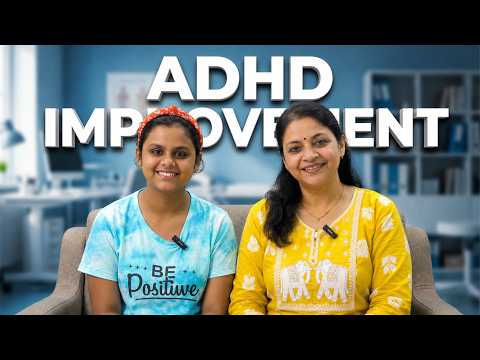
Navigating the complexities of Attention Deficit Hyperactivity Disorder (ADHD) in adulthood presents a unique set of challenges for both patients and their families. For Pranjal Anil Budhkar and her mother, the journey to finding an effective ADHD treatment for adults was filled with years of trial and error, conventional therapies that yielded little result, and a growing concern for Pranjal’s future independence. In this powerful video testimonial, we witness a turning point at StemRx Hospital & Research Centre, where innovative regenerative medicine and a multidisciplinary approach are offering new hope for neurodevelopmental disorders.
Video Chapters & Clinical Insights
The Lifelong Challenge of Managing ADHD
At the start of the video [00:00], we are introduced to Pranjal Anil Budhkar, a 20-year-old woman who has spent her life battling the symptoms of Attention Deficit Hyperactivity Disorder (ADHD). Her mother explains that despite her age, Pranjal’s condition required constant supervision. ADHD is not just a childhood phase; for many, it persists into adulthood, affecting executive functions, emotional regulation, and the ability to maintain focus in academic or professional settings.
For Pranjal, the diagnosis meant she was "easily distracted" and "hyperactive" [00:19]. These core symptoms of ADHD often create a barrier to independence. When conventional medicine fails to provide a sustainable solution, families are often left feeling hopeless, watching their loved ones struggle with the basic demands of daily life. The search for a "cure" or at least a significant improvement in quality of life often leads patients toward alternative and integrative medicine for ADHD.
Why Traditional ADHD Medications May Not Be Enough
Pranjal’s mother highlights a common frustration: "We have tried many treatments for her so far, but none of them have shown any benefit" [00:10]. Standard ADHD protocols typically involve stimulant medications like Ritalin or Adderall. While these can be effective for some, they often come with a host of side effects, including insomnia, appetite loss, and "crashing" when the medication wears off. Furthermore, they address the symptoms rather than the underlying neurological pathways.
In cases like Pranjal’s, the lack of progress with traditional methods points toward the need for a more holistic, biologically-driven intervention. This is where regenerative medicine for neurodevelopmental disorders comes into play. By focusing on brain plasticity and cellular repair, clinics like StemRx aim to address the biological root causes of ADHD, such as neuroinflammation and neurotransmitter imbalances.
The StemRx Approach: Regenerative and Integrative Therapies
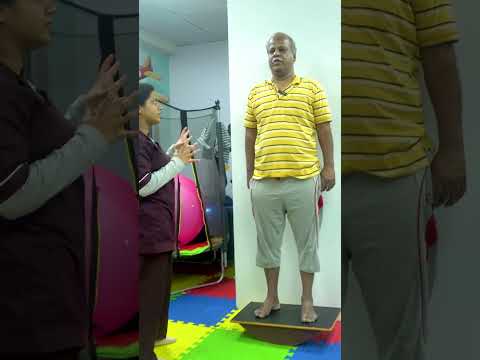
The video provides a glimpse into the sophisticated clinical environment at StemRx Hospital [00:50]. We see Pranjal undergoing various diagnostic and therapeutic procedures, including EEG/Brain Mapping and Hyperbaric Oxygen Therapy (HBOT). This multi-pronged approach is essential for treating complex neurological conditions.
Hyperbaric Oxygen Therapy (HBOT) for ADHD
As shown at [00:54], Pranjal utilizes an HBOT chamber. This therapy involves breathing pure oxygen in a pressurized environment. For ADHD patients, HBOT can help by:
- Reducing Neuroinflammation: Oxygen-rich blood can help calm inflammation in the brain tissues.
- Promoting Neurogenesis: Increased oxygen levels stimulate the growth of new neural pathways and improve brain metabolism.
- Improving Focus: By enhancing blood flow to the prefrontal cortex, HBOT may help patients regulate their attention more effectively.
Cellular Repair and Neuro-Regeneration
StemRx specializes in regenerative protocols. While the specific biological details are tailored to each patient, the goal is often to introduce mesenchymal stem cells or specialized factors that promote repair within the central nervous system. This type of treatment for ADHD is gaining global attention as a way to "re-wire" the brain’s response to stimuli, potentially leading to long-term behavioral changes that medication alone cannot achieve.
Tangible Improvements: Behavior, Appearance, and Posture
One of the most heartening aspects of this testimonial is the mother’s observation of physical and behavioral changes [00:56]. She notes that the "dark circles under her eyes" have significantly reduced. In functional medicine, dark circles can often be a sign of systemic stress, poor sleep quality, or nutritional deficiencies—all common in ADHD patients.
| Area of Improvement | Before Treatment | Post-Treatment Observation |
|---|---|---|
| Hyperactivity | Extremely high; difficult to manage. | Noticeably decreased and more controlled. |
| Posture & Physicality | Poor posture and visible dark circles. | Improved posture; healthier appearance. |
| Social Integration | Social but overly impulsive. | Mixing well but with better regulation. |
The mother also mentions an improvement in Pranjal’s posture [01:02]. ADHD is frequently comorbid with motor coordination issues or "slumped" posture due to low muscle tone or poor proprioception. Improving these physical markers is a sign that the nervous system is functioning with greater stability.
The Human Element: Connecting with the Medical Team
A crucial part of any treatment success, especially for neurodevelopmental disorders, is the relationship between the patient and the care team. At [01:18], we see Pranjal directly interacting with the interviewer. She confidently introduces herself and shares that she is in the 6th grade.
Pranjal’s fondness for her doctors—mentioning Dr. Harry, Payal Ma'am, and Alka Ma'am [01:34]—highlights the importance of a compassionate, multidisciplinary team. Treatment at StemRx isn't just about high-tech machines; it includes:
- Physiotherapy: To help with coordination and physical strength.
- Speech Therapy: Under the guidance of specialists like Alka Ma'am [01:55], helping improve communication skills.
- Pediatric/Adult ADHD Specialists: Like Dr. Mahajan, the lead doctor who oversees the comprehensive treatment plan.
Hope for the Future: Independence and Ongoing Care
The ultimate goal for Pranjal’s family is her independence [00:32]. While ADHD is a lifelong condition, the improvements seen at StemRx suggest that with the right combination of regenerative therapy and supportive rehabilitation, the severity of symptoms can be mitigated.
The mother expresses a sense of relief and optimism, stating that while they will need to continue working on her progress, the changes so far are undeniable. This story serves as a beacon for other parents and adults searching for "ADHD treatment near me" or global solutions that go beyond the prescription pad. StemRx and Dr. Mahajan's team are proving that the brain's ability to heal and adapt—neuroplasticity—can be harnessed at any age.
Seeking Advanced ADHD Treatment Options?
PlacidWay Medical Tourism connects you with world-renowned specialists in regenerative medicine. If you're looking for innovative ADHD treatments like those featured in Pranjal's story, let us help you find the right clinic.
GET A FREE QUOTEView Full Video Transcript
[00:00] Namaskar. This is my daughter, Pranjal Anil Budhkar. She is twenty years old and has been diagnosed with ADHD.
[00:10] We have tried many treatments for her so far, but none of them have shown any benefit.
[00:15] She gets distracted very easily. She used to be hyperactive. Now her hyperactivity has decreased somewhat.
[00:25] She is very social with everyone; she mixes in very quickly. So we were a bit worried about what to do next, how she would become independent, how her life would move forward.
[00:35] We have a friend in one of our groups, and through her, we learned about StemRx. So we visited here.
[00:44] We met the doctors, and they assisted Pranjal and told us that she could be treated. So we came here for the treatment.
[00:52] Compared to before, we're seeing a bit of change in her behavior. She had a lot of dark circles, and those seem to have reduced a little too.
[01:02] Her posture has also changed. So you can feel a bit of improvement. I'll need to work on her more in the future. Hopefully, you'll see more changes in her.
[01:15] Tell me your name... say your name? Pranjal. My name is Pranjal.
[01:22] Okay, which class are you in? Sixth. Sixth class? Yes.
[01:28] So, how do you feel about the treatment so far? Good.
[01:31] Which doctor do you like the most? Harry. Dr. Harry? Yes.
[01:36] And in the physio team? The physio doctor downstairs... who gives you exercises?
[01:47] Therapy, yes, therapy. Which doctor is good? Jaya Ma'am, Anu Ma'am, Payal Ma'am? Payal Ma'am.
[01:54] And the speech therapist, Alka Ma'am? Alka Ma'am. Is Alka Ma'am good? Yes.
[02:01] And the big doctor sir, Mahajan Sir, who wears a cap? Did you like him? Yes.
























Share this listing