Stem Cell Therapy for Parkinson’s Disease in Puerto Vallarta, Mexico

Publish date: Modified date: Medically reviewed by: Dr. Alejandro Fernando on Oct 06, 2026 Author: Pinki Sharma

Experience Price

$12,000 Price starting from
Stem Cell Therapy for Parkinson’s Disease in Puerto Vallarta, Mexico

Contents

Living with Parkinson’s in the United States or Canada often feels like fighting a daily battle where the rules keep changing, and the out-of-pocket costs for advanced therapies are staggering. If you have hit a wall with insurance denials for alternative care or feel exhausted by long waiting lists, you are certainly not alone. Many families are taking back control by exploring stem cell therapy for Parkinson's disease in Puerto Vallarta, Mexico. This medical tourism hub offers a unique opportunity to access regenerative medicine while recovering in a peaceful, low-stress coastal environment.

The exact cost for this innovative procedure in Puerto Vallarta typically ranges between $7,000 and $10,000, which is significantly more manageable than comparable out-of-pocket options up north. When evaluating providers abroad, your safety must come first. It is essential to look for clinics regulated by COFEPRIS, Mexico’s federal health authority. Ensuring the facility holds these specific local certificates guarantees they meet strict, legally mandated medical and ethical standards for handling and administering cellular therapies safely.

Quick Facts at a Glance

Procedure
Stem Cell Therapy for Parkinson's Disease
Average Cost
$7,000 - $10,000 USD
Local Accreditation
COFEPRIS (Federal Committee for Protection from Sanitary Risks)
Target Demographic
Patients from the US and Canada
Average Recovery Stay
5 to 7 Days

When traveling abroad for healthcare, choosing an all-inclusive package takes a considerable amount of logistical stress off your shoulders. A well-rounded package should comprehensively cover your pre-treatment neurological consultations, the cellular injections, necessary lab work, and secure airport transfers. Some top-tier clinics even include hotel accommodation in their bundles, allowing you to focus entirely on your rest and recovery. Take the time to read exactly what each bundle covers, as missing components can lead to unexpected out-of-pocket expenses later. Compare the below packages to see which comprehensive option is the best fit for your travel needs.
`

The typical cost for stem cell therapy for Parkinson's disease in Puerto Vallarta ranges between $7,000 and $10,000, depending on the required cellular dosage and specific treatment protocols. This represents a significant savings compared to the exorbitant out-of-pocket prices for similar therapies in the United States and Canada. When requesting a quote, ask for a complete breakdown of the fees to ensure medical consultations, cellular processing, and lab work are all included. Transparent pricing helps you avoid any unexpected financial surprises during your medical journey. Review and compare the below cost estimates to see which option aligns with your healthcare budget.

Stem Cell Treatment for Parkinsons Disease Centers Cost Comparison in Puerto Vallarta, Mexico

Provider Procedure Price
Immunotherapy Regenerative Medicine in Puerto Vallarta Stem Cell Treatment for Parkinsons Disease, Stem Cell Therapy $17500
Sportmed Centro Medico Stem Cell Treatment for Parkinsons Disease, Stem Cell Therapy $12000

Stem Cell Treatment for Parkinsons Disease Cost Comparison in Mexico

Country Procedure Price
United States Stem Cell Treatment for Parkinsons Disease, Stem Cell Therapy $25000

Choosing a facility for regenerative medicine requires looking closely at credentials rather than just a welcoming reception area. Your top priority should be verifying the clinic's local licenses, particularly ensuring they hold an active COFEPRIS accreditation for handling human cells. A reputable center will gladly share their safety protocols, lab standards, and the ethical origins of their cellular products. Do not hesitate to ask the staff about their specific clinical experience in managing neurodegenerative conditions, as this expertise is crucial for patient safety. Review and compare the below clinic profiles to see which accredited facility meets your personal medical standards.
Watching the experiences of others can be incredibly helpful when deciding on a complex medical procedure abroad. Video testimonials offer a unique, unedited look at the clinic environment, the medical staff's bedside manner, and the day-to-day realities of undergoing cellular treatment. Hearing firsthand how other patients managed their travel logistics, the injection process, and their post-treatment journey often answers questions you hadn't even thought to ask. Browse and compare the below videos to get a realistic, visual sense of what to expect during your own visit to Mexico.
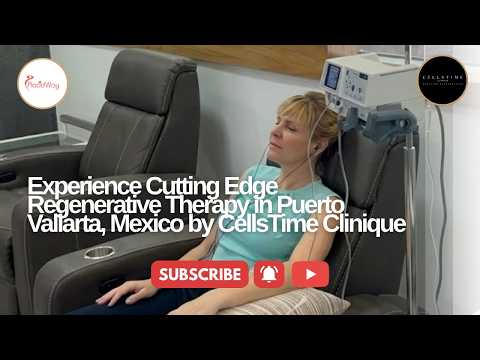
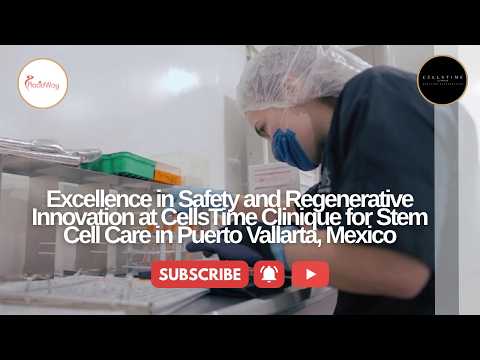
Patient feedback is one of the most valuable resources you have when researching specialized medical care in another country. Reading genuine reviews helps you understand how a clinic handles unexpected challenges, the level of communication provided by the doctors, and the reality of the patient recovery process. Pay attention to reviews that mention post-treatment follow-up, as ongoing medical support is crucial for neurodegenerative care. Carefully compare the below patient reviews to see which medical team consistently delivers reliable, transparent, and compassionate care.

Understanding the specifics of receiving regenerative medicine in a foreign country is key to making an informed decision. Below are some of the most common questions patients ask when considering stem cell treatments for Parkinson's in this region.

Why do North Americans travel to Puerto Vallarta for this procedure?

Patients frequently choose this destination due to the high cost of out-of-pocket regenerative therapies in the US and Canada. Puerto Vallarta offers COFEPRIS-regulated care at a fraction of the price, combined with modern medical facilities and a stress-free environment conducive to recovery.

Is stem cell treatment legally regulated in Mexico?

Yes. All legitimate stem cell clinics in Mexico must be licensed and monitored by COFEPRIS, the federal regulatory body that ensures safety, hygiene, and ethical standards in medical practices.

How much does Parkinson's stem cell therapy cost in Puerto Vallarta?

Depending on the clinical protocol and the number of cells required, the procedure generally costs between $7,000 and $10,000. This is typically an inclusive price for the medical portion of the trip.

What type of stem cells do clinics in this region use?

Most accredited clinics utilize mesenchymal stem cells (MSCs) derived from ethically sourced umbilical cord tissue, as these are highly valued in regenerative medicine for their immunomodulatory properties.

Will this treatment cure my Parkinson's disease?

No. There is currently no cure for Parkinson's disease. Stem cell therapy aims to manage symptoms, reduce inflammation, and potentially slow the progression of the condition to improve overall quality of life.

How are the stem cells administered to Parkinson's patients?

Administration methods vary by patient but commonly include intravenous (IV) drips or intrathecal injections (into the spinal canal) to help the cells reach the central nervous system more effectively.

How long do I need to stay in Puerto Vallarta for the procedure?

Most clinics require a stay of 5 to 7 days. This allows time for initial consultations, the treatment itself, and a brief period of monitored observation before you fly home.

Is it safe to fly immediately after receiving stem cell injections?

Medical professionals generally advise resting in the city for at least 24 to 48 hours post-treatment to monitor for any mild side effects before enduring the physical stress of air travel.

What are the potential risks of this therapy abroad?

Risks include infection at the injection site, mild fever, or immune reactions. Choosing a strictly regulated, COFEPRIS-accredited clinic significantly mitigates the risks associated with unsanitary lab practices.

Do Mexican clinics provide post-treatment care?

Reputable clinics offer virtual follow-up appointments to track your progress over several months. You should always discuss the follow-up protocol with the doctor before committing to a treatment package.

Can Stem Cell Therapy Help Parkinson’s Disease in Puerto Vallarta?

Yes, stem cell therapy for Parkinsons disease in Puerto Vallarta helps manage symptoms by regenerating damaged neural tissue. This treatment improves motor functions and quality of life, offering a very safe and cost-effective medical option.   Key Takeaways: Neurological Regenerative Care Symptom Management: Focuses on reducing tremors, muscle rigidity, and overall fatigue. Advanced Administration: Utilizes targeted delivery methods to cross the blood brain barrier effectively. Safety Protocols: Administered in highly regulated environments following strict international medical standards. Cost Efficiency: Offers substantial financial savings compared to equivalent alternative treatments worldwide. Ideal Healing Environment: The peaceful coastal setting dramatically reduces stress, aiding cellular recovery. How does stem cell therapy in Puerto Vallarta alleviate Parkinsons disease symptoms? This treatment works by introducing healthy regenerative cells into the body to repair damaged neural pathways. These cells help protect existing neurons and promote the creation of new dopamine producing cells essential for normal motor control. The core philosophy behind stem cell therapy in Mexico for neurological conditions rests on the principle of neuroplasticity and cellular regeneration. When introduced into the patients system, these powerful cells navigate toward areas of severe inflammation and tissue damage. Once they reach the affected areas in the brain, they release specialized neurotrophic factors that serve as a biological repair kit. These neurotrophic factors actively reduce the chronic inflammation that accelerates the destruction of dopamine producing neurons. By calming this hostile internal environment, the therapy effectively halts the rapid progression of cellular death. This protective mechanism is crucial for patients looking to maintain their independence and prevent rapid physical decline. Furthermore, the injected cells promote angiogenesis, which is the formation of new blood vessels. Improved blood flow to the brain means more oxygen and vital nutrients reach the struggling neural tissues. Over time, this enhanced biological support system leads to noticeable reductions in resting tremors, decreased muscle stiffness, and a significant improvement in overall balance and coordination. What is the average stem cell therapy cost in Mexico for Parkinsons patients? Patients can expect to pay between 10,000 and 25,000 dollars for a comprehensive treatment program. This price varies based on the number of specialized cells required and the specific medical protocols utilized by the selected facility. Understanding the stem cell therapy cost in Mexico requires looking at the comprehensive nature of the medical packages offered. These are not simple walk in procedures, but rather deeply personalized medical experiences. Extensive Pre-Treatment Diagnostics: The cost usually covers comprehensive blood work, physical evaluations, and sometimes specialized imaging to determine the exact protocol needed. High Cell Counts: Neurological protocols demand millions of highly viable cells, and the laboratory cultivation of these premium cells accounts for a significant portion of the fee. Specialized Administration: Fees include the expertise of anesthesiologists and neurologists required for precise delivery methods like intrathecal spinal injections. Supportive Therapies: Many comprehensive packages incorporate vitamin IV drips, hyperbaric oxygen therapy, and initial physical therapy sessions to boost cell absorption. Medical Staff Monitoring: Patients receive round the clock attention during their clinic days, ensuring absolute safety and comfort throughout the entire process. Who is an ideal candidate for regenerative neurological treatments in Puerto Vallarta? The most ideal candidates are individuals in the early to middle stages of the disease who possess realistic treatment expectations. Patients must also be free from active cancers or severe systemic infections to ensure a safe procedure. Determining patient eligibility is a critical first step in the treatment journey. Medical professionals generally utilize standard neurological grading scales to assess the progression of the disease. Patients who are still ambulatory and can participate in daily activities often respond best to regenerative treatments. When the disease is caught in these earlier phases, there is more living neural tissue available for the new cells to protect and support. Health history plays an enormous role in candidacy. Because the therapy modulates the immune system and promotes cell growth, individuals with a history of certain active malignancies are usually disqualified to prevent complications. Additionally, patients with severe, unmanaged cardiovascular issues may not be cleared for the minor anesthesia sometimes required during the delivery process. Mental readiness and realistic expectations are equally vital. Specialists look for patients who understand that this therapy is designed to manage symptoms and improve daily function rather than provide an overnight miracle cure. Candidates willing to commit to post treatment physical therapy and healthy lifestyle changes make the absolute best candidates for long term success. Did You Know? Many patients choose Puerto Vallarta not just for the medical expertise, but because arriving a few days early allows them to acclimate to the sea level pressure, which can naturally reduce joint stiffness before the procedure even begins. Which types of stem cells are best for treating neurological disorders? Mesenchymal stem cells derived from highly screened human umbilical cord tissue are currently considered the optimal choice. These specific cells possess massive regenerative capabilities and exert powerful anti-inflammatory effects on the brain. In the realm of advanced neurology, the source of the biological material dictates the success of the outcome. Umbilical cord derived mesenchymal cells are favored because they are essentially day zero cells. They have not been exposed to decades of environmental toxins, aging, or systemic disease, making them incredibly robust and highly adaptable when introduced into a mature body. While some facilities still offer autologous treatments using the patients own bone marrow or adipose fat, this method is less ideal for neurodegenerative conditions. As we age, our own cells lose their vigorous dividing power. Harvesting cells from an older patient with an existing chronic illness yields a lower quality biological product that simply cannot perform the heavy lifting required for complex brain repair. Furthermore, umbilical cord cells are immune privileged. This means they do not express the specific markers that would normally trigger a rejection response from the patients immune system. This biological advantage allows specialists to safely administer incredibly high doses of healing cells without the need for dangerous immunosuppressant drugs, ensuring maximum patient safety. How long does it take to see improvements after receiving cellular injections? Patients generally begin to notice subtle improvements in their daily energy levels and minor motor functions within three to six weeks. Maximum regenerative benefits typically manifest between three and six months post treatment. Healing a complex organ like the brain is a biological process that demands patience and time. The recovery timeline generally follows a well documented pattern. Week One to Two: Patients may experience mild fatigue as the body exerts energy directing the new cells to the damaged areas, a process known as cellular homing. Month One: Systemic inflammation begins to drastically decrease. Family members often notice the patient has better facial expressions and slightly improved vocal volume. Month Two to Three: More profound motor improvements emerge. Patients frequently report less morning stiffness, smoother walking gaits, and a reduction in the severity of resting tremors. Month Six: This is when peak cellular integration occurs. New neural pathways have been established and strengthened through concurrent physical therapy. Long Term: The protective effects help maintain this plateau of improved function, slowing the overall downward trajectory typically associated with the condition. How can patients identify a reputable stem cell therapy clinic in Mexico? Finding a highly trustworthy facility requires verifying their medical board certifications and checking for strict government health approvals. Quality facilities will always provide transparent protocols and detailed specialist credentials. Identifying the right stem cell therapy clinic in Mexico is the most critical decision a patient will make. The foremost indicator of legitimacy is approval from COFEPRIS, which is the Mexican equivalent of the FDA. A reputable clinic will proudly display their current COFEPRIS licensing, which guarantees they adhere to rigorous federal standards regarding cell cultivation, lab sterility, and patient safety. Patients must investigate the medical team running the facility. A top tier clinic will employ a multidisciplinary team rather than a single general practitioner. For degenerative diseases, the presence of a board certified neurologist overseeing the protocol is absolutely non negotiable. The facility should be willing to arrange video consultations with these specialists prior to booking. Finally, observe the clinics marketing language. Reputable medical providers focus on symptom management, enhanced quality of life, and scientific evidence. Facilities that make aggressive guarantees of a one hundred percent cure or pressure patients into immediate financial commitments should be entirely avoided. Why is medical tourism in Mexico growing rapidly for degenerative diseases? The combination of highly advanced regulatory frameworks for regenerative medicine and exceptionally affordable pricing drives this growth. Patients receive world class scientific care without facing exorbitant costs or massive regulatory delays. The landscape of medical tourism in Mexico has evolved far beyond basic dental work and cosmetic surgery. Today, it stands as a global hub for advanced biotechnology. This shift is largely due to a progressive legal framework that allows scientists and doctors to utilize expanded cell therapies safely and legally, bypassing the decades long bureaucratic bottlenecks often found in northern countries. Geographic convenience plays a massive role in this expansion. Puerto Vallarta features a major international airport with direct, brief flights from numerous major cities across the United States and Canada. This proximity ensures that patients suffering from mobility issues do not have to endure grueling intercontinental travel to access life changing medicine. Furthermore, the standard of private healthcare in these specialized Mexican clinics rivals, and sometimes exceeds, that of premier hospitals globally. Patients are treated in luxurious, highly sterile environments equipped with the latest diagnostic machinery. The personalized attention, unhurried consultations, and holistic focus on patient well being create a superior healthcare experience. Are specific physical therapies required alongside the cellular treatments? Yes, maintaining continuous physical therapy is highly recommended to maximize the neuroplasticity benefits of the newly injected cells. Movement therapies actively help the brain form fresh connections and maintain improved motor functions. Regenerative medicine provides the necessary building blocks for healing, but physical therapy acts as the architect that guides the construction. When new cells reduce inflammation and begin repairing neural pathways, the brain needs physical stimulation to map those pathways correctly. Engaging in targeted physical therapy teaches the brain how to utilize its newly restored resources efficiently. Specialized programs that focus on exaggerated movements, balance training, and core strength are particularly beneficial for patients recovering from neurodegenerative symptoms. These exercises challenge the nervous system, forcing it to adapt and grow stronger in response to the cellular treatment. Without this physical engagement, the maximum potential of the biological therapy may remain unrealized. Additionally, occupational and speech therapies should be integrated if the patient struggles with fine motor skills or vocal projection. The holistic combination of advanced biotechnology and dedicated physical rehabilitation creates a powerful synergy, leading to longer lasting and far more pronounced improvements in daily living. Why Choose PlacidWay for your regenerative medicine journey in Puerto Vallarta? PlacidWay connects patients directly with globally accredited and strictly vetted medical facilities to ensure maximum clinical safety. Our dedicated support team provides continuous, comprehensive guidance throughout your entire healthcare decision process. Embarking on international medical care requires trust, transparency, and expert guidance. PlacidWay removes the guesswork from selecting a provider, serving as an invaluable advocate for patients seeking complex neurological care. Rigorous Facility Vetting: We partner exclusively with clinics that possess verifiable government approvals, stellar safety records, and internationally recognized medical certifications. Absolute Pricing Transparency: We provide detailed, itemized cost estimates up front, ensuring patients are protected from hidden fees or unexpected medical upcharges. Direct Specialist Access: Our platform facilitates secure, preliminary medical consultations directly between the patient and the leading neurologists to confirm candidacy before commitment. Verified Patient Insights: We provide access to genuine patient testimonials and documented clinical outcomes to help you set realistic expectations for your procedure. Continuous Care Advocacy: From your initial inquiry through your post treatment recovery phase, our dedicated team remains fully available to answer questions and advocate for your health needs. Frequently Asked Questions About Parkinsons Stem Cell Care Is regenerative medicine a permanent cure for neurological tremors? Regenerative medicine is currently considered a powerful management tool rather than a permanent cure for neurodegenerative conditions. It focuses on slowing disease progression, reducing the severity of daily symptoms, and significantly improving overall quality of life by repairing damaged neural pathways. Patients often require ongoing healthy lifestyle choices and potential future booster treatments to maintain their results over several years. Can I receive this cellular treatment if I am currently taking levodopa? Yes, patients are strongly advised to continue their prescribed medications like levodopa during the cellular treatment process. Abruptly stopping standard neurological medications can cause severe withdrawal symptoms and physical distress. Over time, as the regenerative cells begin to take effect and improve motor functions, your primary neurologist may gradually adjust your medication dosage based on your symptomatic improvements. What makes Puerto Vallarta a uniquely beneficial destination for medical recovery? Puerto Vallarta offers a stress free, warm coastal environment which is highly beneficial for neurological recovery. Reduced physical stress and a calming atmosphere promote better cellular integration and lower systemic inflammation. Additionally, the city features state of the art private medical facilities and highly trained specialists, making it a premier destination for international patients seeking a peaceful healing journey. How are the regenerative cells administered to the patient? The cells are primarily administered through minimally invasive methods such as intravenous drips and intrathecal injections. Intravenous administration provides systemic anti-inflammatory benefits throughout the entire body. Intrathecal injections deliver the cells directly into the spinal fluid, allowing them to bypass the blood brain barrier and reach the central nervous system more efficiently for optimal neurological repair. Will my home country health insurance cover procedures done in Puerto Vallarta? Standard health insurance policies from the United States or Canada typically do not cover regenerative therapies performed internationally. Because these treatments are often classified as elective or experimental by foreign insurance boards, patients usually pay out of pocket. However, the significantly lower cost of care in Mexico makes these advanced treatments accessible even without traditional insurance coverage. Are the cellular treatments painful for the patient? The administration protocols are designed to be as comfortable and pain free as possible. Intravenous drips feel exactly like a standard fluid IV with only a minor pinch during insertion. If an intrathecal injection is required, local anesthesia is applied to the injection site, ensuring the patient experiences only mild pressure rather than acute pain during the brief procedure. How many treatment sessions are typically required for noticeable results? Many individuals observe positive changes in their energy levels and motor control after just one comprehensive treatment protocol. A standard protocol usually takes place over a period of three to five days at the facility. Depending on the severity of the condition, medical specialists might recommend scheduling a follow up booster session twelve to eighteen months later to sustain the regenerative benefits. What dietary restrictions should be followed before the procedure? Medical teams highly recommend adopting an anti-inflammatory diet at least two weeks prior to the scheduled procedure. Patients should completely avoid highly processed foods, refined sugars, and excessive alcohol consumption. Focusing on a diet rich in antioxidants, lean proteins, and omega fatty acids creates an optimal internal environment for the new cells to survive and multiply effectively. Is it safe for an elderly patient to undergo this cellular therapy? Yes, regenerative therapies are generally very safe for older adults, provided they undergo a rigorous pre-treatment medical clearance. Since the therapy utilizes natural biological materials rather than harsh synthetic drugs, the risk of severe adverse reactions is minimal. The medical team will carefully evaluate cardiovascular health and organ function to ensure the older patient can comfortably handle the administration process. Can the therapy reverse cognitive decline associated with the disease? While the primary focus of this therapy is to address motor symptoms like rigidity and tremors, many patients also report improvements in non-motor symptoms. Family members often notice enhanced mental clarity, better focus, and improved mood in the months following treatment. The systemic reduction of neuroinflammation is believed to contribute to these positive cognitive side effects, though results vary by individual. Take Control of Your Neurological Health Today Do not let progressive symptoms define your future. PlacidWay connects you with premium, government accredited medical centers specializing in advanced regenerative medicine. Request a free, no obligation consultation to receive a highly personalized treatment evaluation from leading specialists. Get Your Free Quote * Responses typically within 24 hours. Privacy strictly guaranteed.

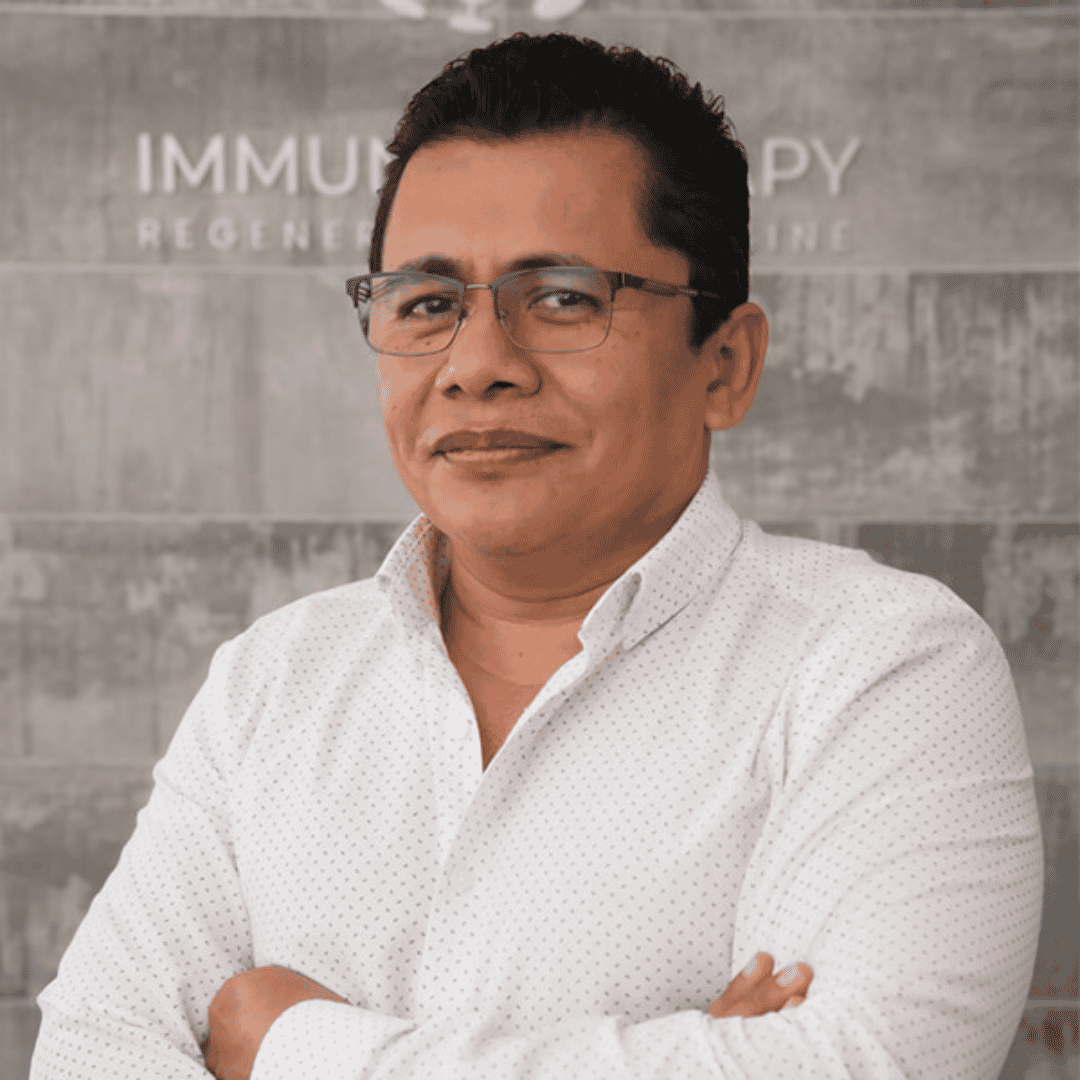
The safety of your treatment relies heavily on the expertise of the medical professional administering it. When evaluating specialists in Puerto Vallarta, look for doctors with specific board certifications in neurology or regenerative medicine, rather than just a general medical degree. Ask about their track record with Parkinson's patients and how they determine the exact dosage and delivery method for each individual case. A trustworthy doctor will be entirely realistic about potential outcomes and prioritize your safety above all else. Compare the below doctor profiles to find a qualified specialist for your treatment.
Puerto Vallarta has rapidly grown into a prominent hub for medical tourists seeking regenerative therapies. Patients from the United States, particularly from California and Texas, as well as Canadians avoiding long wait times, frequently travel here for advanced care. The city offers a comforting, low-stress environment which is ideal for patients managing neurodegenerative conditions, allowing them to rest away from the pressures of daily life.

Getting to this coastal destination is highly convenient. The local international airport welcomes numerous direct flights daily from major North American hubs, making travel relatively easy even for those with mobility challenges. Once you arrive, the local healthcare infrastructure is modern, with many English-speaking medical professionals ready to assist you safely through your treatment process.

Major AirportLicenciado Gustavo Díaz Ordaz International Airport (PVR)
Direct Flights FromLos Angeles, Dallas, Vancouver, Chicago, Houston
ClimateTropical and warm year-round
Local CurrencyMexican Peso (USD is widely accepted in private clinics)

Navigating healthcare options across borders can feel overwhelming, but having the right guidance makes a world of difference. PlacidWay is here to help you connect with fully vetted, COFEPRIS-accredited stem cell clinics in Puerto Vallarta, ensuring you make an informed choice for your Parkinson's care. We assist with comparing verified providers, understanding inclusive medical packages, and facilitating direct communication with specialists so you feel completely confident before you travel. Take the next step in your healthcare journey by reaching out for a personalized, no-obligation estimate today.

References

Stem Cell Therapy for Parkinson’s Disease in Puerto Vallarta, Mexico thumbnail

About Experience

  • Price Range: $12,000 - $17,500
  • Treatment: Stem Cell Treatment for Parkinsons Disease, Stem Cell Therapy
  • Location: Puerto Vallarta, Mexico
  • Clinics: Immunotherapy Regenerative Medicine in Puerto Vallarta, Sportmed Centro Medico, CellsTime Clinique in Puerto Vallarta, Mexico, BioStemCells - Stem Cell Clinic in Puerto Vallarta, Mexico,
  • Doctors Dr. Ernesto Romero Lopez, Dr. Francisco Arroyo, Dr. Alberto Marron Mc. Naught,
  • Packages Stem Cell Therapy for Parkinson’s Disease Package in Guadalajara & Puerto Vallarta, Mexico by SPORTMED, Stem Cell Therapy for Parkinson’s Disease in Puerto Vallarta by Immunotherapy Regenerative Medicine,
  • Overview Restored Independence: Parkinson Disease Stem Cells in Puerto Vallarta

Trusted Medical Tourism Platform Since 2007

60+
Countries
2k+
Clinics
19.5k+
Reviews
2.5k+
Qualified Doctors
1.1M+
Patients Served Since 2007