
When standard dermatological treatments reach their limits, many patients explore regenerative approaches, prompting clinical discussions about how advanced cellular therapies might influence complex autoimmune conditions.
Quick Takeaway: Psoriasis is a chronic autoimmune condition traditionally managed with biologics, systemic medications, and topical therapies. While some clinics in Mexico are utilizing mesenchymal stem cells (MSCs) as an investigational adjuvant therapy to manage inflammation and support skin regeneration, this approach is not yet a globally established standard of care and requires careful medical evaluation.
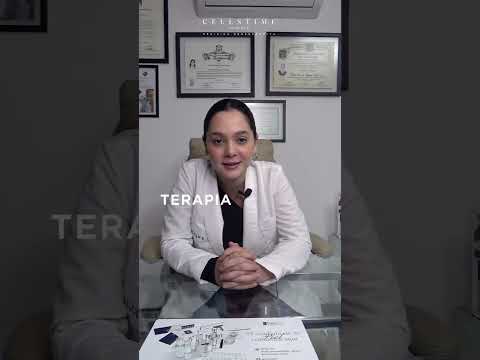
- 0:00 - Introduction: Dr. Frida from Cellstime Clinique
- 0:06 - The Autoimmune Reality: Defining Psoriasis Symptoms
- 0:18 - Identifying Eruptions: How Stress Exacerbates Flare-Ups
- 0:32 - The Investigational Approach: Mesenchymal Stem Cells (MSCs)
- 0:43 - Proposed Mechanisms: Immunomodulation and Skin Regeneration
- 0:52 - Seeking Evaluation: The Importance of Clinical Consultation
The Autoimmune Reality: How Psoriasis Actually Manifests
Psoriasis is widely misunderstood as a simple skin condition. In reality, as Dr. Frida explains, it is a complex autoimmune disease. The visible symptoms—the thick, scaly, erythematous plaques that form on the skin—are merely the surface-level result of a systemic internal dysfunction. In a healthy immune system, white blood cells are deployed to fight off infections. In a patient with psoriasis, these cells mistakenly attack healthy skin cells, triggering an accelerated cycle of skin cell production.
Normally, skin cells grow deep in the skin and slowly rise to the surface over a period of nearly a month. In patients with psoriasis, this entire process occurs in just a few days. The body cannot shed the cells fast enough, leading to the rapid buildup of tissue on the surface of the skin, most commonly observed on the elbows, knees, scalp, and trunk.
The "Cyclical" Burden (Stress and Flare-Ups)
One of the most challenging aspects of managing psoriasis is its unpredictability. The disease frequently operates in cycles, presenting with severe flare-ups followed by periods of relative remission. As highlighted in the clinical overview, physiological and psychological stress are major catalysts for these cyclical eruptions.
This creates a compounding challenge for patients: the physical discomfort (itching, edema, and localized pain) causes psychological distress, and that resulting psychological stress triggers further inflammatory immune responses, exacerbating the physical symptoms. Breaking this cycle is a primary goal of comprehensive clinical management.
- Systemic Involvement: Beyond the visible skin plaques, the underlying inflammation can affect other organs and tissues, most notably manifesting as psoriatic arthritis in a significant percentage of patients.
- Physical Discomfort: Patients frequently endure intense pruritus (itching) and edema (swelling), which can severely impact sleep quality and daily functioning.
- Trigger Dependency: While genetics play a role, environmental factors, infections, trauma to the skin, and high stress levels routinely trigger or worsen the condition.
The Investigational Approach: Understanding Mesenchymal Stem Cells
Because psoriasis involves an overactive immune response, advanced therapeutic research has increasingly focused on ways to "reset" or calm the immune system rather than just treating the resulting skin lesions. In the video, Dr. Frida discusses the use of mesenchymal stem cells (MSCs) as an adjuvant therapy—meaning it is utilized alongside other treatments to enhance overall management, rather than acting as a standalone cure.
Mesenchymal stem cells are multipotent adult stem cells that can be isolated from various sources, such as bone marrow, adipose (fat) tissue, or umbilical cord tissue. In the context of regenerative medicine, their primary value is not in creating new skin cells, but in their proposed ability to communicate with the patient's existing immune cells.
The "Immunomodulation" Theory
The central clinical hypothesis behind using MSCs for autoimmune conditions is immunomodulation. Rather than completely suppressing the immune system—which is how many traditional systemic medications work and which can leave patients vulnerable to infections—MSCs are theorized to secrete specific proteins and cytokines that regulate the immune response. The goal of cellular therapy in this setting is to calm the aggressive T-cells that are mistakenly attacking the skin, attempting to restore a state of biological balance (homeostasis).
The "Anti-Inflammatory" Potential
In addition to regulating the immune response, MSCs release paracrine factors that have powerful localized anti-inflammatory effects. Dr. Frida notes that in clinical observation, these cells help mitigate the intense inflammation driving the rapid cell turnover in psoriasis, which may in turn support natural skin regeneration and the reduction of erythematous plaques. The video visualizes this concept by referencing published case reports, such as one from Hindawi, demonstrating successful plaque reduction following MSC application in isolated instances.
"Not only do they have the capacity to immunomodulate the disease, but they also regenerate the skin and provide us with an excellent anti-inflammatory effect."
Beyond the Case Study: Evaluating Clinical Reality
While clinical anecdotes and published case reports—such as the one displayed in the video—show promising results for specific patients, it is critical to understand the hierarchy of medical evidence. A single case report demonstrates that a treatment is biologically plausible and has worked in specific instances, but it does not carry the same evidentiary weight as large-scale, randomized, double-blind clinical trials.
Currently, cellular therapy for psoriasis remains in the investigational stage worldwide. It represents an emerging frontier for patients whose conditions have proven refractory to standard treatments, but it requires careful patient selection, transparent medical counseling, and strict clinical protocols.
| Treatment Approach | Clinical & Practical Reality |
|---|---|
| Standard Biologics (e.g., TNF Inhibitors) | Established, FDA-approved medications that target specific parts of the immune system. Highly effective but require ongoing administration and carry long-term immunosuppressive risks. |
| Investigational Cellular Therapy (MSCs) | An emerging approach aiming to immunomodulate the disease process natively. May reduce dependence on pharmaceuticals for some, but outcomes are highly variable and protocols are still being standardized. |
Evidence and Patient Safety: What You Need to Know
Because stem cell therapy for psoriasis is classified as an emerging medical approach, patients must balance the potential benefits highlighted by providers against current scientific realities, established alternatives, and potential clinical risks.
| Claimed Application | Evidence Strength | What Evidence Shows |
|---|---|---|
| Skin Regeneration & Plaque Reduction | Emerging | Small-scale case studies report visible improvement in psoriatic plaques following MSC administration, but large-scale randomized trials validating consistent long-term skin clearance are lacking. |
| Immunomodulation of Disease | Limited | Laboratory and animal models show MSCs can influence T-cell behavior and reduce inflammation, but predicting the exact immunomodulatory outcome in individual human patients remains highly complex. |
| Use as an Adjuvant Therapy | Emerging | Some clinics safely integrate cellular treatments alongside traditional modalities to lower overall inflammation, though standard international dermatological guidelines do not yet formally endorse this protocol. |
- Known Risks: As with any biological infusion or injection, risks include transient fever, localized site reactions, infection risks, and the financial burden of an unproven treatment. Autoimmune reactions to allogeneic (donor) cells are rare but physiologically possible.
- Standard Alternatives: Patients typically pursue FDA-approved treatments such as topical corticosteroids, vitamin D analogues, phototherapy, systemic immunomodulators (methotrexate, cyclosporine), or advanced biologic therapies.
- Candidacy Limitations: Investigational cellular therapy is generally contraindicated for pregnant individuals, patients with active systemic infections, those with a history of certain malignancies, and individuals seeking a guaranteed permanent cure.
Frequently Asked Questions About This Approach
Is the mesenchymal stem cell therapy discussed by Dr. Frida an approved cure for psoriasis?
No. There is currently no medical cure for psoriasis. While the provider reports excellent anti-inflammatory and regenerative effects in their clinical setting, MSC therapy is classified as an investigational, emerging medical procedure globally and is not approved by major regulatory bodies (such as the FDA) as a standard treatment for psoriasis.
Why is a case study, like the Hindawi report shown in the video, not enough to prove clinical effectiveness?
A case report documents the outcome of a single patient or a very small group. While it proves that positive responses to allogenic gingival mesenchymal stem cells are medically possible, it cannot confirm that the treatment will work consistently, safely, and predictably for the general population. This requires large-scale clinical trials.
What does the provider mean by calling stem cells an "adjuvant therapy"?
An adjuvant therapy is one that is used in conjunction with other primary or supportive treatments to improve overall effectiveness. In this context, it means the clinic may utilize cellular therapy alongside lifestyle changes, standard topical management, or other systemic controls to help manage flare-ups and inflammation, rather than using it as a standalone substitute.
How are the cyclical eruptions of psoriasis managed during regenerative therapy?
Because stress and environmental factors trigger cyclical flare-ups, biological therapy alone is insufficient if triggers are not managed. Investigational cell therapy attempts to modulate the immune system internally, but patients must still adhere to comprehensive dermatological care and stress-reduction strategies to manage the cycle.
- What is the exact source of the mesenchymal stem cells used in this facility, and how is their quality and sterility verified?
- Are you tracking patient outcomes long-term, and what is your documented response rate for psoriasis specifically?
- How does this investigational therapy interact with the biologic or systemic medications I am currently taking?
- What emergency medical protocols exist in your clinic in the rare event of an adverse immune or inflammatory reaction?
- What specific medical criteria would disqualify me from being a candidate for this adjuvant therapy?
This content is provided for educational and informational purposes only and does not constitute medical advice, diagnosis, or a treatment recommendation. The cellular therapies discussed in this material are currently classified as investigational and emerging; clinical outcomes are not guaranteed, and significant risks may apply. Readers should always consult with a licensed, qualified healthcare provider or board-certified dermatologist before discontinuing standard care or pursuing regenerative medical treatments.
Discuss Your Psoriasis Management Options With a Specialist
Navigating chronic autoimmune conditions and evaluating emerging therapeutic options requires careful consideration. PlacidWay assists patients by helping organize treatment inquiries, securely gathering necessary clinical records, and facilitating connections with international medical specialists so you can review your options clearly and safely.
Request a Personalized EvaluationView Video Transcript (English Translation)
0:00 - Hello, I am Dr. Frida. Today I am going to talk to you about psoriasis.
0:06 - Psoriasis is considered an autoimmune disease, characterized by erythematous plaques on the scalp, elbows, and knees. In addition, it can also affect many organs and tissues.
0:18 - The main symptoms are cyclical eruptions predominantly on the trunk, scalp, elbows, and knees, which can be exacerbated in periods of stress. In addition, they can cause itching and edema.
0:32 - Mesenchymal stem cells have an excellent action at the skin level in patients with psoriasis, because it is considered a perfect adjuvant therapy in this type of patients.
0:43 - Not only do they have the capacity to immunomodulate the disease, but they also regenerate the skin and provide us with an excellent anti-inflammatory effect.
0:52 - If you suffer from this type of disease and have more doubts about our treatments, do not hesitate to contact us.
























Share this listing