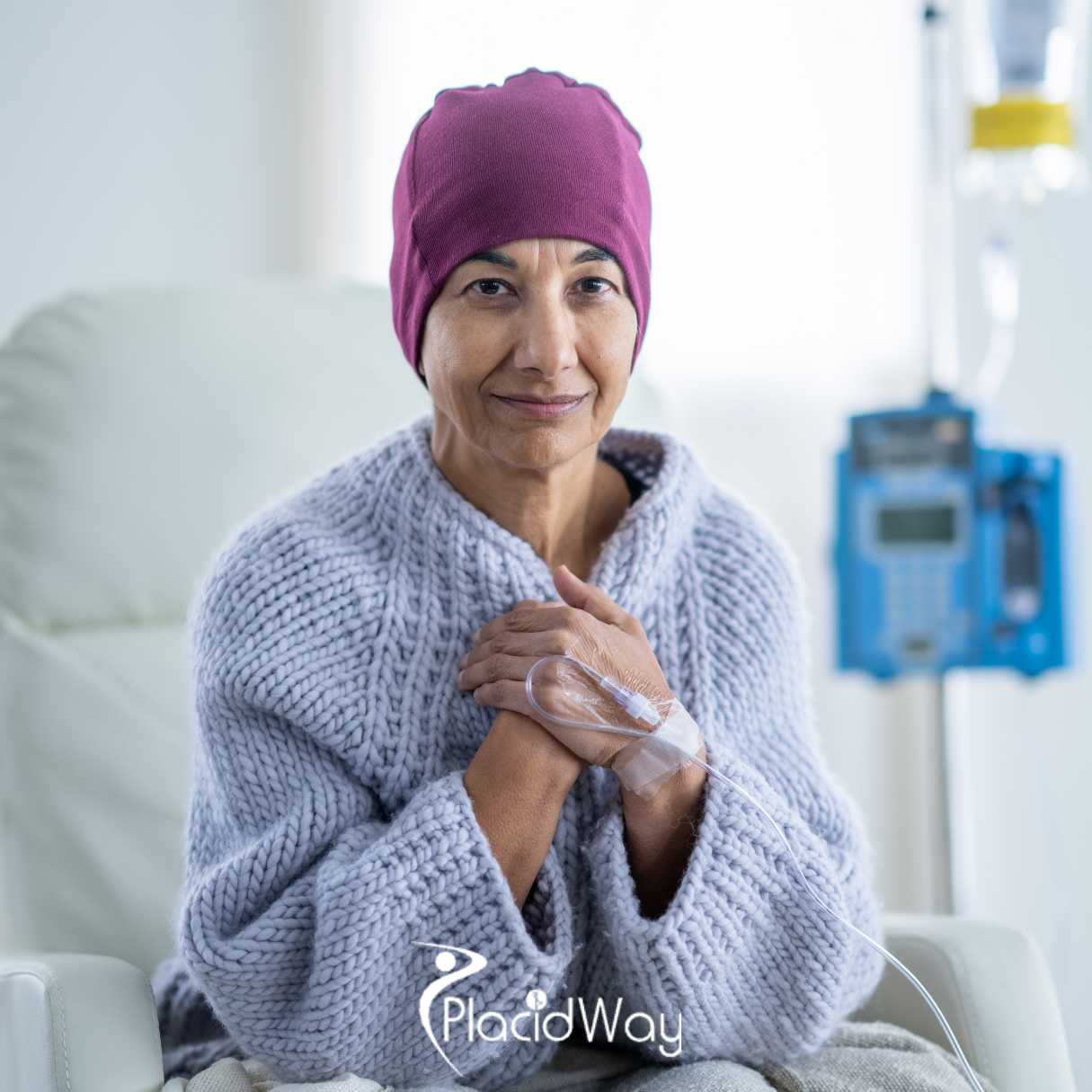
The cost of cancer treatment abroad can range from a few thousand dollars for diagnostic testing or an individual treatment cycle to more than $50,000 for complex surgery, proton therapy, transplantation or cellular treatment. Before comparing prices, you need a confirmed pathology diagnosis, accurate staging and a written treatment plan from a qualified oncology team. You should also verify the hospital’s national licence, the doctor’s medical registration and any relevant accreditation before committing to care.
Quick Summary: Cancer Treatment Abroad Costs
- Estimated price: International prices may begin near $1,000 for a consultation, scan or chemotherapy cycle and exceed $50,000 for advanced or prolonged care.
- Main cost drivers: Cancer type, stage, treatment goal, drug selection, surgery complexity, radiation technology, hospital stay and complications.
- Common destinations: Mexico, Türkiye, India, Colombia, South Korea and Germany serve international oncology patients at different price and technology levels.
- Suitable patients: Patients who are medically stable, cleared to travel and able to coordinate continuous care with an oncologist at home.
- Treatment duration: Diagnostic visits may take several days, while surgery, chemotherapy, radiotherapy or cellular therapy may require weeks or months.
- Credential checks: Verify the hospital’s national operating licence, the oncologist’s registration, specialty certification and procedure-specific experience.
- Important caution: Never delay an evidence-based treatment solely to pursue a cheaper, experimental or unproven treatment abroad.
- Quote requirement: Obtain an itemized written quotation showing what is included, excluded and refundable before paying a deposit.
How Much Does Cancer Treatment Abroad Cost in 2026?
Cancer treatment abroad may cost approximately $1,000 to more than $100,000, depending on whether you are comparing one service, one treatment cycle or a complete multidisciplinary treatment program. A single “average cancer treatment price” is rarely useful because cancer is not one condition and treatment is not one procedure.
For example, an early-stage tumour treated with surgery may involve one hospital admission and several follow-up visits. Advanced cancer may require pathology review, molecular testing, surgery, multiple chemotherapy cycles, radiation therapy, immunotherapy and supportive care. These plans have entirely different financial profiles.
| Treatment component | Indicative international range | How the price is normally quoted | Major cost variables |
|---|---|---|---|
| Oncology consultation | $100–$600 | Per consultation | Specialist seniority, record review and tumor-board participation |
| PET-CT, MRI and diagnostic review | $500–$3,500 | Per scan or diagnostic package | Imaging type, contrast, pathology review and additional testing |
| Chemotherapy | $1,000–$6,000+ | Usually per cycle | Drug names, dose, body size, infusion time and supportive medicines |
| Radiation therapy | $4,000–$18,000+ | Complete planned course | Number of fractions, planning scans and radiation technology |
| Cancer surgery | $5,000–$25,000+ | Procedure or hospitalization package | Organ involved, open versus minimally invasive surgery and ICU needs |
| Immunotherapy or targeted therapy | $2,000–$14,000+ | Per cycle, infusion or month | Specific drug, biomarker eligibility, frequency and duration |
| Proton therapy | $35,000–$55,000+ | Full treatment course | Tumour site, number of sessions and treatment planning complexity |
| Cellular therapy or transplant | $15,000–$100,000+ | Treatment package or hospitalization | Cell manufacturing, donor needs, conditioning, isolation and ICU care |
Pricing warning: These are planning ranges, not guaranteed prices or national averages. A low figure may represent only one consultation, test, session or treatment cycle. It should not be compared with a quotation covering an entire course of care.
Cancer Treatment Cost by Country
The most affordable country depends on the exact treatment you need. India, Türkiye, Mexico and Colombia frequently offer lower-cost conventional oncology services, while South Korea and Germany may appeal to patients seeking particular surgical, diagnostic or radiation technologies.
The ranges below combine different types of quotations. They should help you identify countries for further review, not determine where you should receive treatment.
| Country | Selected 2026 planning ranges | Potential patient advantage | National checks to request |
|---|---|---|---|
| Mexico | Chemotherapy: $1,500–$3,500 per cycle; radiation: $4,000–$9,000; tumour surgery: $5,000–$12,000 | Proximity for patients from the United States and Canada | COFEPRIS authorization where applicable, hospital operating documentation and the doctor’s SEP professional licence number |
| Türkiye | Chemotherapy: $1,000–$3,000 per cycle; radiotherapy: $4,000–$8,000; surgery: $6,000–$15,000 | Broad private-hospital networks serving Europe, the Middle East and Central Asia | Ministry of Health facility licence and International Health Tourism Authorization Certificate |
| India | Specialized plans may begin near $4,900–$15,000; complex surgery: $5,000–$9,500; proton therapy: $35,000–$45,000 | Large hospital networks and comparatively affordable complex care | NABH status where applicable and registration through the National Medical Commission or relevant state medical council |
| Colombia | Chemotherapy: $1,500–$3,500 per cycle; radiation: $5,500–$8,500; surgery: $6,000–$14,000 | Regional access for North American, Caribbean and Latin American patients | Facility registration through REPS and professional authorization through ReTHUS |
| South Korea | PET-CT: $1,500–$2,500; robotic surgery: $12,000–$18,000; proton therapy: $35,000–$45,000 | Advanced diagnostics, high-complexity hospitals and specialist surgical programs | Foreign-patient registration and KAHF status through Medical Korea where applicable |
| Germany | Chemotherapy: $1,500–$6,000 per cycle; radiation: $8,000–$18,000; surgery: $10,000–$25,000 | Specialized cancer centres, complex surgery and advanced radiation options | Hospital registration, the physician’s state medical licence and relevant cancer-centre certification |
Practical tip: Compare the same treatment unit. A per-cycle chemotherapy price should be compared with another per-cycle price, not with a complete six-cycle program containing imaging and hospital care.
Why Cancer Treatment Prices Vary So Widely
Cancer treatment prices vary because your diagnosis determines the drugs, equipment, specialists and monitoring you need. Even two people with cancer in the same organ may require different care when their tumour stage, pathology, genetic markers or general health differ.
Cancer type and stage
Localized disease may need one treatment modality. Advanced disease commonly requires multiple therapies and longer monitoring.
Drug selection
Generic chemotherapy and newer targeted medicines can have substantially different acquisition and administration costs.
Molecular testing
Biomarker and genomic tests may be needed to determine whether targeted treatment or immunotherapy is appropriate.
Hospital resources
ICU support, blood banking, specialist nursing, isolation rooms and emergency services increase the total price.
Treatment technology
IMRT, stereotactic radiation, robotic surgery and proton therapy involve different planning and equipment requirements.
Length of treatment
A longer hospital stay or additional treatment cycles increase professional, facility, medication and accommodation expenses.
Currency exchange rates also influence the final amount paid by international patients. However, a favourable exchange rate does not guarantee a lower total cost when a quote excludes drugs, diagnostic tests or complication management.
What Should Be Included in a Cancer Treatment Quote?
A trustworthy cancer treatment quotation should explain the proposed treatment, the pricing unit and all major exclusions. It should not simply state “complete cancer package” without defining the services, drug names, number of cycles or expected treatment duration.
| Cost category | Ask the provider to specify | Common exclusion risk |
|---|---|---|
| Medical review | Oncologist consultation, pathology review and tumor-board assessment | External pathology review may be billed separately |
| Diagnostics | Blood tests, scans, biopsy, pathology and molecular testing | Repeat imaging may be required after arrival |
| Medication | Generic drug name, brand, dose basis and number of planned cycles | Quote may include administration but exclude the drug |
| Surgery | Surgeon, anesthesiologist, operating room, implants and expected stay | ICU, blood products or additional surgery may not be included |
| Supportive care | Antinausea care, infection monitoring, nutrition and pain management | Supportive medicines may be charged separately |
| Aftercare | Follow-up visits, medical report, imaging and local-doctor handover | Remote consultations may carry additional fees |
| Complications | Emergency care, readmission, ICU access and revision policy | Complications are often excluded from fixed packages |
| Travel expenses | Accommodation, local transport, interpreter and companion costs | Longer treatment may require changing flights and accommodation |
Key takeaway: Ask for a high and low budget scenario. The higher scenario should account for additional testing, a longer stay, unplanned supportive care and a medically necessary treatment change.
Cancer Treatments Available Abroad
Cancer treatment should be selected according to the cancer type, stage, biological features, treatment goal and your overall health. A multidisciplinary team may recommend one treatment or a planned combination.
| Treatment | How it works | Questions affecting cost |
|---|---|---|
| Surgery | Removes a tumour and, when necessary, nearby tissue or lymph nodes. | Is the operation open, laparoscopic or robotic? Will reconstruction or ICU care be needed? |
| Chemotherapy | Uses medicines that destroy cancer cells or interfere with their ability to divide. | Which drugs, doses and number of cycles are planned? Are supportive medicines included? |
| Radiation therapy | Uses high-energy radiation to damage cancer-cell DNA within a planned treatment area. | Which technology and how many fractions are required? Is treatment planning included? |
| Immunotherapy | Helps the immune system identify or attack certain cancers. | Is your cancer eligible based on approved indications or biomarkers? |
| Targeted therapy | Acts on specific molecular changes involved in cancer growth. | Which mutation or biomarker supports treatment, and how long will therapy continue? |
| Hormone therapy | Reduces or blocks hormones that support some breast and prostate cancers. | Is treatment oral or injected, and how frequently will monitoring occur? |
| Stem-cell transplant | Restores blood-forming cells after intensive treatment for selected blood cancers. | Is it autologous or donor-based? Are cell collection, matching and isolation included? |
| Palliative care | Relieves symptoms and supports comfort, function and quality of life at any disease stage. | Does the program include pain care, nutrition, psychological support and family counselling? |
“Alternative” or “integrative” care should not be presented as a substitute for proven oncology treatment without reliable clinical evidence. Ask the provider to identify which parts of the proposed plan are standard, experimental, complementary or unsupported by established guidelines.
How to Choose a Cancer Hospital Abroad
Choose a hospital based on its legal status, expertise in your cancer and ability to manage complications. International accreditation can provide an additional quality signal, but it does not replace government licensing or guarantee a successful result.
Government authorization
Request the facility licence number, issuing authority, registered name, address and current validity period.
Disease-specific experience
Ask how many patients with your cancer subtype the hospital treats and which departments participate in care.
Multidisciplinary review
Confirm whether your case will be discussed by medical, surgical and radiation oncologists with pathology and radiology input.
Emergency resources
Ask about ICU capability, blood services, emergency imaging and transfer arrangements if the facility is not a full hospital.
Medication governance
Request generic drug names, manufacturers, regulatory status, storage standards and documentation for every infusion.
Aftercare system
Confirm who will answer urgent questions, provide records and communicate with your oncologist after you return home.
Cancer hospital warning signs
- Claims that one treatment cures every type or stage of cancer.
- Guaranteed survival, remission or recovery claims.
- Refusal to provide a facility licence or doctor registration number.
- A treatment recommendation issued without reviewing pathology and imaging.
- Pressure to stop standard treatment before speaking with your current oncologist.
- No clear explanation of whether a treatment is approved, off-label or experimental.
- Payment pressure before you receive a named physician and written treatment plan.
- No plan for emergencies, complications or follow-up care after departure.
How to Verify an Oncologist’s Credentials
Verify both the doctor’s legal right to practise and their training in the relevant oncology specialty. A physician may be licensed as a doctor without being qualified to perform every type of cancer treatment.
- Request the full legal name. The name should match the hospital profile, medical licence and treatment proposal.
- Obtain the registration number. Check it through the country’s official medical register or licensing authority.
- Verify the specialty. Confirm medical oncology, radiation oncology, surgical oncology, hematology or the relevant surgical specialty.
- Ask about cancer-specific volume. General years of experience are less informative than experience treating your tumour type.
- Confirm hospital privileges. The doctor should be authorized to deliver the proposed treatment at the named facility.
- Discuss complication management. Ask who will treat bleeding, infection, medication reactions or postoperative complications.
- Request a direct consultation. You should have an opportunity to discuss benefits, alternatives, risks and realistic goals before paying.
Trust signal: Professional association membership can support a doctor’s profile, but it should not be treated as proof of current licensing, board certification or competence.
Who Should Consider Cancer Treatment Abroad?
Cancer treatment abroad may be reasonable when the patient is medically stable, the treatment is evidence-based and care can continue safely across countries. Cost alone should not determine the decision.
Treatment abroad may be worth exploring when
- A qualified local oncologist considers you medically fit to travel.
- You have a confirmed diagnosis and recent staging information.
- The foreign hospital has suitable expertise in your cancer subtype.
- The proposed treatment follows recognized clinical evidence.
- You can remain abroad for the medically required period.
- Follow-up care has been arranged before your departure.
Travel may need to be delayed or avoided when
- You have unstable symptoms or need immediate emergency treatment.
- You have an active serious infection or very low blood counts.
- You are not medically fit for a long flight or extended travel.
- The treatment requires frequent emergency access unavailable at the destination.
- The provider recommends abandoning proven treatment for an unverified alternative.
- You cannot arrange safe follow-up care after returning home.
Available information about oncology traveler demographics
No standardized worldwide database currently provides reliable age and gender distributions specifically for people travelling internationally for cancer treatment. Publishing exact oncology-tourism demographic percentages would therefore risk presenting incomplete or misleading information.
Available travel-health guidance indicates that United States medical tourists commonly travel to Mexico, Canada, the Caribbean and parts of South America. Cancer treatment is among the reasons identified for international medical travel. Patients from Europe, the Middle East, Africa and Asia may also travel for specialist access, second opinions, reduced private-care costs or shorter scheduling times.
What is known and what remains unavailable
Why Cancer Costs Remain an Important Patient Concern
The National Cancer Institute estimated that 2,041,910 new cancer cases would be diagnosed in the United States during 2025. The treatment required by those patients varies substantially because common cancers differ in biology, stage distribution and standard treatment pathways.
The following chart uses 2025 estimates for six common cancer categories. It illustrates disease burden, not international patient demand or the number of people seeking care abroad.
2025 Estimated New U.S. Cancer Cases
Selected common cancer categories; source: National Cancer Institute.
Distribution of Common Cancer Sites by 2025 Case-Volume Band
This histogram groups 13 common cancer categories according to estimated annual U.S. case volume.
How to Prepare for Cancer Treatment Abroad
Preparation should begin before purchasing flights or paying a treatment deposit. Cancer patients may have additional infection, bleeding, clotting, medication and travel risks that require individual medical assessment.
| Timeframe | Clinical process | What you may experience | Activity level | Action required |
|---|---|---|---|---|
| 4–6 weeks before travel | Pre-travel assessment and preliminary hospital review | Appointments, record collection and uncertainty while plans are confirmed | Normal activity if medically stable | Consult your oncologist and a travel-health professional |
| 2–4 weeks before travel | Pathology, imaging and treatment-plan review | Possible requests for repeat tests or translated reports | As advised by your treating team | Obtain a named doctor, written plan and itemized quote |
| Before departure | Final medical clearance and travel planning | Fatigue or anxiety may affect your ability to travel independently | Avoid unnecessary exertion | Carry medicines, emergency contacts and records in hand luggage |
| During treatment | Monitoring for response, side effects and complications | Symptoms vary according to surgery, radiation or medication | Follow the oncology team’s restrictions | Report new symptoms promptly and keep treatment documentation |
| Before flying home | Fitness-to-fly and complication assessment | Pain, weakness, swelling or treatment side effects may continue | Travel only after medical clearance | Obtain English-language records and a written follow-up plan |
| After returning home | Continuity of oncology and supportive care | Delayed side effects or complications may appear | Increase activity only as advised | Share all records with your local oncology team immediately |
Documents to send before travelling
- Pathology and biopsy reports.
- Pathology slides or digital pathology, when requested.
- CT, MRI or PET images in DICOM format.
- Previous surgery and hospital-discharge summaries.
- Complete chemotherapy, radiation and medication history.
- Recent blood tests and relevant molecular results.
- Allergies, other medical conditions and current medicines.
- Local oncologist contact information and proposed follow-up arrangements.
Flying after surgery: The safe interval depends on the operation and your condition. Travel-health guidance advises avoiding air travel for approximately 10 days after chest or abdominal surgery, but your surgeon may recommend a longer delay.
Cancer Treatment Risks and Emergency Warning Signs
Cancer treatment carries risks in every country. Travelling can add communication problems, infection exposure, flight-related clot risks and difficulties obtaining urgent follow-up care after returning home.
| Risk | How to reduce the risk | Questions to ask |
|---|---|---|
| Incorrect or incomplete diagnosis | Request expert pathology and radiology review before treatment | Will my slides and scans be formally reviewed? |
| Infection | Choose a licensed facility with infection-control and emergency protocols | Who manages fever or suspected neutropenic infection? |
| Medication reaction | Receive treatment where trained staff and emergency medicines are available | Is a physician present during high-risk infusions? |
| Blood clots | Obtain fitness-to-fly advice and follow individualized mobility guidance | When is it safe for me to fly after treatment? |
| Interrupted treatment | Coordinate schedules, drug availability and local follow-up before travel | Who will provide the next cycle if travel becomes impossible? |
| Unexpected expense | Request exclusions, cancellation rules and complication costs in writing | What happens financially if the treatment plan changes? |
Seek urgent medical help for:
- A temperature of 38°C or 100.4°F or higher, or the emergency threshold provided by your oncology team.
- Difficulty breathing, chest pain, fainting or sudden confusion.
- Uncontrolled bleeding, blood in vomit or black stools.
- Persistent vomiting, inability to drink or signs of severe dehydration.
- New one-sided leg swelling, severe calf pain or sudden shortness of breath.
- A rapidly worsening rash, facial swelling or symptoms following an infusion.
- Increasing wound redness, pus, severe pain or wound separation after surgery.
Cancer Treatment Abroad Decision Checklist
Do not book treatment until the clinical, safety, financial and travel questions below have clear answers. A reputable provider should respond without discouraging independent verification.
Clinical plan
- Diagnosis and stage confirmed
- Pathology reviewed
- Treatment goal explained
- Alternatives discussed
- Risks documented
Provider credentials
- Facility licence verified
- Doctor registration verified
- Specialty training confirmed
- Case experience discussed
- Emergency support confirmed
Financial planning
- Itemized quotation received
- Drug costs identified
- Exclusions listed
- Refund rules understood
- Contingency budget prepared
Continuity of care
- Local oncologist informed
- Return-flight clearance planned
- English records promised
- Emergency contacts available
- Home follow-up scheduled
Frequently Asked Questions About Cancer Treatment Abroad
What is the average cost of cancer treatment abroad?
Cancer treatment abroad may range from approximately $1,000 for an individual diagnostic service or treatment cycle to more than $50,000 for advanced surgery, radiation or cellular therapy. A meaningful estimate requires your cancer type, stage, pathology, treatment protocol and expected treatment duration.
Which country has the cheapest cancer treatment?
India, Türkiye, Mexico and Colombia frequently provide comparatively affordable oncology services. However, no country is cheapest for every diagnosis. Compare equivalent treatment plans and prioritize a licensed hospital, qualified oncology team, evidence-based protocol and safe continuity of care rather than selecting the lowest price.
Is cancer treatment abroad safe?
Cancer treatment abroad can be considered when the hospital is appropriately licensed, the treating specialists are qualified and the treatment follows recognized evidence. Risks include infection, treatment interruption, communication problems and limited legal or follow-up options. Obtain medical clearance and an emergency plan before travelling.
How can I compare cancer treatment packages correctly?
Compare the diagnosis, proposed drugs, number of cycles, radiation sessions, surgical method, hospital stay, diagnostic tests and aftercare. Confirm whether the quote is per session or for a complete course. Request exclusions, complication costs and refund conditions in writing before comparing totals.
Does health insurance cover cancer treatment in another country?
Coverage depends on your policy, insurer network, destination and whether prior authorization is required. Many patients pay international providers directly and later request reimbursement. Ask your insurer about treatment, medication, complications, emergency evacuation and follow-up coverage before committing to care.
Can I travel abroad while receiving chemotherapy?
Some patients can travel between chemotherapy cycles, but timing depends on blood counts, infection risk, side effects and the treatment schedule. Your oncologist should assess your fitness to travel and identify the safest period. You also need access to urgent medical care at the destination.
How long must I stay abroad for cancer treatment?
A diagnostic review may take several days. Surgery may require one to several weeks, including recovery and fitness-to-fly assessment. Chemotherapy, radiotherapy and cellular treatments may require repeated visits or a stay lasting several weeks or months. Your hospital should provide a written timeline.
Should I obtain a second opinion before travelling?
A second opinion is especially valuable when the diagnosis is rare, treatment is complex, major surgery is proposed or the foreign provider recommends an experimental approach. The second reviewer should examine your pathology, imaging, stage and treatment history before advising you.
How do I know whether an overseas cancer treatment is approved?
Ask for the exact treatment and drug names, the national regulator approving them, the cancer type for which they are approved and whether the proposed use is standard, off-label or experimental. Clinical-trial participation should include an approved protocol, informed consent and ethics oversight.
What records should I bring home after treatment abroad?
Request pathology results, imaging files, operative notes, medication names and doses, radiation summaries, laboratory results, discharge instructions and complication details. Records should be provided in English or professionally translated and shared promptly with your local oncology team.
Are alternative cancer treatments abroad effective?
Some complementary services may help manage symptoms or wellbeing, but many advertised alternative cancer cures lack reliable evidence. Do not replace proven treatment with an unverified protocol without consulting qualified oncologists. Be cautious of cure guarantees, secret formulas and claims that one program treats every cancer.
What happens if I develop complications after returning home?
Contact your local oncology team or emergency service immediately when symptoms are serious. Provide complete records from the overseas hospital. Before travelling, confirm who will manage complications, whether the foreign doctor offers remote follow-up and whether your insurance covers care related to treatment received abroad.
Compare Cancer Treatment Options Through PlacidWay
PlacidWay can help you request information from international providers, compare estimated costs and organize the questions you should ask before making a decision. Treatment recommendations must come from qualified healthcare professionals who have reviewed your medical records.
Request Cancer Treatment InformationDisclaimer
Disclaimer: This information is for educational purposes only and does not replace professional medical advice. Always consult a qualified healthcare provider before making medical decisions. Prices are indicative planning estimates and may change according to your diagnosis, provider, city, treatment complexity, medication requirements and package inclusions. PlacidWay does not diagnose medical conditions or guarantee treatment outcomes.
References
- Cancer Fact Sheet – World Health Organization
- Cancer Statistics – National Cancer Institute
- Common Cancer Types and 2025 Estimates – National Cancer Institute
- Types of Cancer Treatment – National Cancer Institute
- Medical Tourism, CDC Yellow Book 2026 – Centers for Disease Control and Prevention
- Infection, Neutropenia and Cancer Treatment – National Cancer Institute
- Registered Cancer Clinical Trials – ClinicalTrials.gov
- Warning About Products Claiming to Cure Cancer – U.S. Food and Drug Administration
Share this listing