


Finding effective medical interventions for rare genetic disorders can be an overwhelmingly difficult journey for families. One such complex condition is Hay-Wells syndrome, a rare form of Ectodermal Dysplasia that severely impacts the development of skin, hair, nails, and sweat glands. For patients dealing with this diagnosis, conventional dermatology often provides limited relief, leaving individuals to manage chronic pain, severe dermatological infections, and permanent hair loss. However, the integration of regenerative medicine is changing the landscape of available treatments. Specifically, pediatric stem cell therapy for Hay-Wells syndrome in India has emerged as a groundbreaking alternative for families who have exhausted traditional medical options.
The pursuit of holistic and advanced medical care often leads patients across the globe. By combining advanced stem cell treatments with targeted ozone therapy, medical professionals are achieving results previously thought impossible by standard medical standards. This approach not only targets the superficial symptoms of genetic skin conditions but works at a cellular level to promote genuine tissue regeneration, alleviate systemic infections, and stimulate dormant hair follicles. The remarkable clinical outcomes associated with these regenerative protocols highlight a vital shift in how we understand and treat severe pediatric dermatological conditions.
Video Chapters
- Understanding Hay-Wells Syndrome Challenges
- The Journey from Severe Scalp Infections
- Limitations of Conventional Dermatology
- Exploring Ozone Therapy for Chronic Infections
- Pediatric Stem Cell Treatment for Hair Growth
- Clinical Results: Reversing Permanent Hair Loss
- Why Choose Regenerative Medicine in India
- The Emotional Impact on Patients and Families
Understanding Hay-Wells Syndrome and Ectodermal Dysplasia Challenges
Hay-Wells syndrome is an extremely rare genetic disorder that falls under the broader category of Ectodermal Dysplasia. As detailed at [00:33], the condition is closely related to EEC (Ectrodactyly, Ectodermal dysplasia, and Cleft lip/palate) syndrome. Children born with this disorder face a multitude of developmental anomalies that affect their daily quality of life from the moment of birth. The manifestations of this syndrome are not merely cosmetic; they represent deep structural deficiencies in how the body forms protective outer layers.
Patients typically present with severe cleft lip and cleft palate abnormalities, alongside distinctive limb malformations such as cleft foot, which is highlighted at [00:44]. The dermatological impact is particularly severe. The skin lacks the necessary moisture barrier, resulting in chronic dryness, flaking, and extreme vulnerability to environmental pathogens. This compromised skin barrier makes the patient highly susceptible to recurring, painful infections that standard lotions and topical creams cannot effectively manage.
One of the most persistent issues associated with Hay-Wells syndrome is the development of abnormal tissue accumulations on the scalp. Infants are frequently born with a severe form of cradle cap localized in the center of the scalp, as noted at [00:48]. Unlike standard newborn cradle cap, this accumulation often becomes deeply infected, trapping bacteria and resulting in painful lesions that produce white pus. This chronic inflammatory state creates an incredibly hostile environment for hair follicles, eventually leading to permanent tissue damage.
Common Manifestations of Hay-Wells Syndrome
- Orofacial abnormalities: Cleft lip and cleft palate requiring early surgical intervention.
- Limb malformations: Structural issues such as cleft foot or missing digits.
- Severe dermatological dysfunction: Extremely dry skin lacking standard moisture retention capabilities.
- Scalp anomalies: Chronic, infected cradle cap leading to permanent follicle destruction.
- Systemic vulnerability: High susceptibility to recurrent bacterial and fungal skin infections.
The Journey from Severe Scalp Infections to Seeking Solutions
Managing the severe dermatological symptoms of Ectodermal Dysplasia requires constant vigilance. For a child born with this condition, the central scalp lesion is an ongoing source of distress. The infected cradle cap, constantly oozing white pus, creates immense physical discomfort. Medical intervention usually begins early, with parents seeking help from pediatric dermatologists to mitigate the active infections and attempt to salvage the surrounding healthy tissue.
The standard treatment protocol often involves a barrage of oral and topical antibiotics aimed at suppressing the bacterial overgrowth. At [01:14], the patient's mother explains that despite utilizing all kinds of antibiotics and intensive medicines, the relief was only ever temporary. The bacterial infections would clear up briefly, only to return with increased severity, often accompanied by bleeding and further pus formation. This cyclical pattern of infection and temporary remission causes immense psychological and physical exhaustion for both the child and the family.
Furthermore, standard medical treatments often introduce new complications. The application of harsh topical treatments, such as Urea 40 mentioned at [01:17], intended to break down the hardened cradle cap, frequently causes intense burning and itching. This localized irritation prompts the child to scratch the area involuntarily. As seen at [01:38], scratching the infected area spreads the highly contagious bacterial load across the entire scalp, exacerbating hair loss and turning a localized issue into a widespread dermatological crisis.
The Limitations of Conventional Dermatology for Ectodermal Dysplasia
Traditional dermatology operates primarily on the principle of managing symptoms rather than addressing the underlying cellular dysfunction. For rare genetic conditions, this approach frequently hits a ceiling of effectiveness. Prolonged use of antibiotics disrupts the body's natural microbiome, potentially weakening the immune system over time and making the skin even more susceptible to opportunistic fungal and bacterial attacks.
The structural damage caused by years of chronic inflammation is profound. According to medical professionals assessing the patient in the United States, as mentioned at [03:50], the scalp tissue had become completely "polished." This clinical term indicates that the surface of the skin has scarred over so severely that hair follicles are no longer visible or viable. The prognosis delivered by conventional specialists is usually definitive: the hair roots are dead, and natural hair growth will never occur.
Faced with this bleak prognosis, families are often forced to explore cosmetic alternatives. As a child grows older and becomes more socially conscious, the lack of hair becomes a significant psychological burden. As highlighted at [02:58], families often look into purchasing custom wigs to help their children assimilate and feel comfortable among their peers. While a wig provides a superficial solution, it does nothing to resolve the underlying skin disease or the recurring painful skin lesions that plague the rest of the body.
Comparing Treatment Modalities for Scalp Dysplasia
| Treatment Feature | Conventional Dermatology | Regenerative Therapy (Stem Cell + Ozone) |
|---|---|---|
| Primary Focus | Symptom suppression, infection management | Cellular repair, tissue regeneration |
| Infection Control | Temporary relief via antibiotics | Systemic eradication via Ozone therapy |
| Follicle Restoration | Deemed impossible once scalp is scarred | Stimulates dormant roots to trigger growth |
| Side Effects | Burning, itching, microbiome disruption | Minimal, utilizes body's own healing mechanisms |
Exploring the Benefits of Ozone Therapy for Chronic Dermatological Issues
When traditional antibiotics fail to provide lasting relief, alternative medical protocols like Ozone Therapy offer a powerful mechanism for combating chronic infections. Ozone therapy utilizes a specialized form of oxygen to deeply oxygenate the blood and tissues. This highly reactive molecule possesses profound antibacterial, antiviral, and antifungal properties, making it incredibly effective for patients suffering from persistent skin lesions and blood-borne infections that resist conventional medications.
In the treatment of severe Ectodermal Dysplasia, ozone can be administered through multiple pathways to maximize its therapeutic impact. As detailed at [04:50], systemic administration, such as ozone rectal insufflation, allows the ozone to be rapidly absorbed into the bloodstream. This systemic approach purifies the blood, reducing the overall inflammatory load in the body and eradicating the deep-seated bacteria that cause recurrent pus bubbles and skin spotting.
Additionally, localized administration, known as scalp ozone therapy, delivers the purifying oxygen directly to the compromised tissue. This localized application is crucial for neutralizing the hostile environment on the scalp, effectively clearing out the accumulated white pus and dead cellular debris. By removing these barriers and improving local blood circulation, ozone therapy primes the scarred tissue, creating a highly oxygenated and sterile environment necessary for subsequent regenerative treatments to succeed.
How Pediatric Stem Cell Treatment for Hair Growth Works
Stem cell therapy represents the pinnacle of modern regenerative medicine. Stem cells are the body's raw materials—cells from which all other cells with specialized functions are generated. When introduced into damaged tissue, they possess the unique ability to reduce inflammation, modulate the immune system, and most importantly, promote the regeneration of cells that have been destroyed by disease or chronic infection.
For patients suffering from Hay-Wells syndrome who have been told their hair loss is permanent, stem cell injections offer an unprecedented pathway to healing. At [03:46], the initial skepticism regarding the treatment is addressed. The concept that a completely polished, seemingly barren scalp could generate hair again defies traditional dermatological teachings. However, stem cells operate differently; they seek out dormant, deeply embedded hair follicles that have shut down due to trauma and signal them to reactivate and begin the growth cycle.
The synergy between stem cells and ozone therapy is what makes this protocol so highly effective. While the ozone therapy clears the infection and heavily oxygenates the tissue, the stem cells are introduced to physically rebuild the skin architecture. This dual-action approach not only repairs the immediate epidermal layer but addresses the systemic deficiencies caused by the Ectodermal Dysplasia, leading to holistic improvements in overall skin health, texture, and resilience.
The Mechanism of Action in Regenerative Hair Restoration
- Infection Eradication: Targeted ozone application eliminates the hostile bacterial environment.
- Tissue Oxygenation: Increased blood flow delivers vital nutrients to the starved dermal layers.
- Cellular Signaling: Stem cells secrete growth factors that communicate with dormant hair follicles.
- Follicular Reactivation: The previously scarred pores open, allowing new hair strands to emerge naturally.
Astonishing Clinical Results: Reversing Permanent Hair Loss Naturally
The clinical outcomes observed after completing a comprehensive regimen of stem cell and ozone therapy are nothing short of miraculous for patients who have endured lifelong dermatological distress. The timeline for recovery often happens at an accelerated pace compared to conventional expectations. As documented at [04:36], within just the first week following the initial stem cell treatment, significant changes begin to manifest. Tiny, new hair follicles start to break through the previously scarred and polished scalp surface.
By the seventh week of consistent therapy, the transformation is undeniable. The pervasive infections that plagued the patient's scalp completely vanish, as confirmed at [04:24]. The scalp transitions from an inflamed, painful state to a healthy, balanced environment supporting widespread hair growth. Small hairs continue to emerge, filling in the bald patches and significantly reducing the intense itching that previously dominated the child's daily life.
Beyond hair restoration, the systemic benefits of the treatment become clearly visible on the patient's skin. Chronic, persistent yellow pus bubbles and skin spots that covered the body entirely disappear, as noted at [05:38]. The child's facial complexion brightens considerably, and severe dark circles under the eyes lighten dramatically, as mentioned at [05:52]. These holistic improvements reflect a profound internal healing process, upgrading the patient's overall health and well-being.
Why International Patients Choose Stem Cell Treatment in India
The rise of global medical tourism has empowered families to look beyond their geographic borders when domestic healthcare systems fall short. For complex genetic conditions, the United States medical system, while highly advanced, often remains rigidly tied to strictly conventional methodologies. This can leave patients with rare disorders categorized as "untreatable." As stated at [06:11], despite trying numerous doctors and treatments across the USA, the family found no viable solution for the persistent infections and hair loss.
India has positioned itself as a premier destination for innovative regenerative therapies. Medical facilities in India frequently adopt integrated treatment models, blending advanced stem cell applications with supportive therapies like ozone and traditional Ayurvedic medicine. This holistic approach ensures that the patient is treated comprehensively, addressing both the immediate symptoms and the root cellular dysfunctions simultaneously.
Furthermore, medical professionals in India who specialize in regenerative treatments are highly experienced in handling complex, "hopeless" cases. The willingness to apply cutting-edge stem cell protocols to rare pediatric genetic disorders provides families with renewed hope. The combination of world-class medical expertise, advanced technological therapies, and deeply compassionate patient care makes India an optimal destination for life-altering medical interventions.
The Emotional Impact of Successful Medical Interventions on Families
The toll of managing a severe pediatric illness extends far beyond the physical symptoms; it deeply affects the emotional and psychological stability of the entire family. Watching a child suffer daily from painful infections, persistent itching, and the social stigma of hair loss is a heavy burden for parents. The emotional exhaustion of constantly applying ineffective creams and administering heavy antibiotics creates an environment of perpetual anxiety and frustration.
When a breakthrough finally occurs through regenerative medicine, the psychological relief is immense. The profound gratitude experienced by the family is evident at [06:06], where the mother is overcome with emotion, shedding tears of relief and joy. Seeing a child finally free from chronic pain and observing the natural growth of hair that was deemed impossible entirely changes the family's outlook on the future.
A successful medical intervention restores a child's confidence and allows them to embrace their childhood without the constant distraction of physical pain or cosmetic insecurity. As expressed at [09:42], the child herself begins to feel a renewed sense of hope, anticipating a future with normal hair and clear skin. The supportive, family-like environment provided by the clinical staff in India, noted at [06:24], further enhances this healing journey, proving that true medical care encompasses both physical regeneration and deeply empathetic human connection.
Ready to Explore Advanced Regenerative Treatments?
If you or a loved one are seeking highly effective stem cell therapies for rare conditions or permanent hair loss, reach out today to connect with world-class specialists in India.
Get Free QuoteView Full Video Transcript
00:00 Good morning. Good morning.
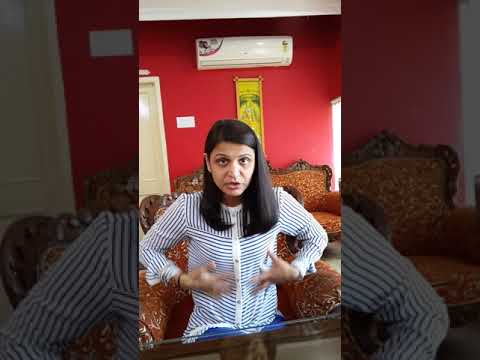
00:03 Please tell us your name, where you have come from, and for what problem you had come to India.
00:11 I am Nimita Patel and I live in Fort Mill, South Carolina. It's in the United States.
00:18 And I am here for my daughter Dhriti Patel. She is seven years old.
00:23 And here we are... she is having her ozone therapy done with stem cells.
00:28 They do her scalp ozone.
00:30 What problems did she have?
00:32 She had like when she was born she is diagnosed with Hay-Wells syndrome.
00:36 It's a part of EEC ectodermal dysplasia.
00:40 What does it mean for a layman?
00:42 It's like people having cleft lip, cleft foot, dry skin.
00:48 And she was born with a cradle cap in her right in the center of her scalp.
00:53 That was like infected and really with white pus and stuff like that when she was born.
00:59 And then slowly, steadily skin doctors got taken... she went to the skin doctor and they started treating her saying that she is just... it's a minor cradle cap and it will be solved like over the time.
01:13 But they gave me all kind of antibiotics and like medicines really.
01:17 Urea 40 was one that I used to apply on her hair.
01:21 And that used to burn and itch her.
01:24 So it did not help, the treatment?
01:25 It did not help. It just her head... hair started falling off.
01:30 And then at the time when doctors told us they didn't tell us that this was spreadable.
01:36 So like she being a born kid, usually kids scratch their hair so if she would itch here or even like me accidentally put some hair like ointment and then touch here, then it started spreading, spreading, spreading.
01:49 So right now her whole middle scalp, all her hair fell off.
01:54 All right.
01:56 She had a lot of infections like when you get hurt and is infected with a lot of pus and stuff, like a bacterial infection used to just come, go, come, go.
02:06 Or like sometime blood, sometime pus throughout.
02:10 And then one of my uncle, Dipu Kaka, he sent us to an Ayurvedic, one of his friends, Janmajaybhai.
02:18 And he gave us some Ayurvedic powder and Ayurvedic hair oil.
02:23 And that helped us a lot with all her infection.
02:27 She did that treatment for over four years and that cleansed her blood.
02:31 That was basically because when we did her blood, she had a lot of infection in her blood.
02:37 So wherever there was an open wound, all the blood would ooze up. All that infected blood would ooze up and then cause bacterial infection.
02:45 Okay, then how did you decide to come to India to Dr. Patel?
02:49 After all her infection was gone, so we were coming here for Ayurvedic treatment and for her wig.
02:58 Because she is getting older and she is getting more conscious.
03:01 So we were coming to India for her wig and Ayurvedic treatment.
03:05 And then Dipu Kaka came over just a week before I was going to fly.
03:10 This is just out of a blue moon. He came over and he is like... this is what I have been doing in India for ozone therapy. Why don't you try Dr. Pravin Patel.
03:20 So then I sat down with him, Nilesh and myself, we asked him what the therapy does. What was ozone, what was stem cell.
03:27 We didn't have any idea.
03:29 So he explained us the whole procedure.
03:31 Did you know anything about stem cell therapy?
03:33 No, we didn't know at that time, anything.
03:36 What was ozone therapy neither.
03:38 And then after that, when he spoke, we searched online and then where we knew... came here. But we had no idea that stem cell with ozone would get her hair back.
03:48 Because her scalp is fully polished where we couldn't even see hair follicles or any hair roots.
03:55 And people used to always tell us like even her dermatology that since her hair is completely polished we cannot see any hair roots, so she'll be never getting hair.
04:08 Now when she came here she also had some infection in her scalp, right?
04:12 Yes, she had minor infection hair back like two three spots.
04:17 But like just two weeks after she had the stem cell and her ozone therapy her infection just vanished.
04:24 After that I've been in India since seven weeks, I have never seen infection in her hair.
04:30 Yeah, so her hair condition has improved now?
04:33 Yes and many... with after first stem cell in a week we could see many small, small hair coming up.
04:43 Like hair growth, like all the hair pores were opening up.
04:46 Now she has... within seven weeks of ozone scalp treatment, ozone rectum, and two stem cells, she's got bunch of hair.
04:57 Like you can see very tiny hair growing.
05:00 And like even people walking just down the road or who had seen Dhriti when she came to India seven weeks back and seen her, they see a lot of tremendous difference. Tremendous in her skin and her health.
05:12 Yeah, there were patches on her skin.
05:15 They were really small dots. Like whenever she has any kind of like... usually bubbles of yellow bubbles she used to get when she was little.
05:25 Pus bubbles throughout her skin, her hand, and her chest, and body.
05:29 And then they used to go away but the spots would remain.
05:33 But after I've come here her chest and her hand, all the spots have completely vanished.
05:41 You can barely see 5% really minor.
05:44 So her skin has improved to a large extent?
05:47 Her face is bright and clear where she had under her eyes she had really dark eye circles. They've gone really, really lighter.
05:56 Oh wonderful.
05:58 So as far as my family and Nilesh we are very thankful.
06:03 I don't think I'll be able to talk, but...
06:08 Yeah we understand. We understand. Because you tried everywhere even in USA you tried lot of doctors and you finally came here.
06:19 The staff here is amazing. Helpful, friendly, and like family.
06:25 Like they wait for us since morning. Like they want to just see Dhriti getting better.
06:30 They are very happy we are every time we see her and her improvement we all feel really really happy.
06:39 And we hope she still has to do a few more stem cell procedures and by the end of that I am sure...
06:47 Yeah she'll be... hopefully like at least where her hair have been seen like she'll have... I'm like hoping she'll have little patches here and there but her scalp will be covered.
06:59 That's really...
07:00 Because she's got a lot and lot of hair you can see. And she itches a lot just because her hair is coming out.
07:07 All right. So... you are happy that you came here for...
07:11 Yeah very happy. Like first initial we thought like are we going, we'll see results...
07:19 But Bapa ni daya thi everything has worked fine.
07:24 Like we've got him... we've never even... we were coming here for something else.
07:31 Right.
07:32 And in a week we changed everything. We cancelled the other homeopathic appointment and Ayurvedic appointment.
07:38 And you decided to come...
07:40 We decided to come here because Dipu Kaka just told me one thing, "tu ja aakhho band karine, visvas karine jaje".
07:47 And I am telling you ke saru j thase.
07:50 And we landed. And then we went as we landed we went to Mandir before we came here.
07:58 Okay we are here for a certain reason, we want to see results.
08:02 Great. God has really listened to your prayers.
08:08 Very happy. Do you have any advice for our other patients, would you like to say something to our other patients?
08:16 Other patients is like you never give up hope.
08:19 People say people will tell you many things ke kasu nahi thay, aam nathi. Like... but there are always... there is other door is always open for you. Never give up, always try.
08:31 Because there is something in the world because if God has given you some pain he's always sent a cure.
08:41 But it's our way that we need to find the cure.
08:46 Right. Anything about Dr. Pravin Patel?
08:49 He's an amazing person.
08:52 My... yeah like nature wise I personally think like as a dad or a granddad... my granddad when he passed away he was his age.
09:04 So I see my granddad in him.
09:09 And there is no words I can tell. He's been so patient anything I talk to him he's always there to listen. Even if it's regarding the medicine or it's regarding me. Yes. Or is regarding my family.
09:23 Yeah. Dr. Patel is always there for every patient of his and he is extremely...
09:28 Like my daughter is not that open to him. But I think it's just the way she is but she is more comfortable.
09:38 Right.
09:39 Like even she feels Dhriti pane evu kye ke mamma ave to mane vaad aai jase. My skin's getting better.
09:46 Hu pahela karta to fair thai gai, like you know because she was dark some spots. So even she has that hope ke ave now she is going to have normal hair.
09:56 Maybe her hair pores may be different but she'll be having scalp where she can go out with getting dressed up without her head covered.
10:04 Wonderful.
10:06 Wonderful. Thank you so much Namitaben.
10:08 Thank you all so much.
10:11 And we wish you all the best in future for Dhriti.
10:14 Yeah thank you. Okay thank you.

.png)








Share this listing