


The landscape of global oncology is undergoing a profound transformation, and cellular immunotherapy is at the forefront of this revolution. Over the past decade, the rapid advancement of CAR-T therapy in China has established the nation as a premier destination for patients seeking innovative treatments for complex hematological malignancies and challenging cancers. Through heavy investment in biotechnology and clinical research, international medical travelers are now accessing cutting-edge therapeutic options that were previously unavailable or prohibitively expensive in their home countries.
CAR-T (Chimeric Antigen Receptor T-cell) therapy involves extracting a patient's own immune cells, engineering them in a laboratory to recognize and attack specific cancer cells, and reinfusing them into the body. This personalized medical approach generally requires highly specialized infrastructure. Today, an elite oncology clinic in China can typically provide these sophisticated treatments at unprecedented speeds and scalable costs, offering new hope to patients navigating life-threatening diagnoses.
China currently conducts more CAR-T clinical trials than any other country in the world, fostering an environment of rapid innovation and broad access to next-generation immunotherapies.
How High-Speed CAR-T Therapy Works for International Patients
For international medical tourists, time is often one of the most critical factors when battling advanced malignancies. The traditional timeline for engineering CAR-T cells can take several weeks, which can be detrimental for patients with rapidly progressing conditions. However, the emergence of high-speed CAR-T therapy in China has revolutionized this timeline. Advanced bio-manufacturing facilities have streamlined the genetic modification process, often reducing the waiting period for cell engineering from weeks to just a matter of days.
This accelerated processing is highly beneficial for international patients who travel specifically for time-sensitive oncological care. By drastically cutting down the manufacturing time, medical facilities in China allow patients to receive their customized cell infusions faster, generally improving the overall management of their condition while minimizing the physical and emotional toll of prolonged waiting periods abroad.
Through optimized next-generation manufacturing platforms, some specialized laboratories in China have successfully reduced the CAR-T cell production time to as little as 24 to 48 hours for specific trial protocols.
Solid Tumor Breakthroughs: Why Choose CAR-T Therapy in China?
Historically, CAR-T cell therapy has shown remarkable efficacy primarily in liquid cancers, such as leukemias and lymphomas. Treating solid tumors—like liver, lung, and pancreatic cancers—has remained a significant challenge due to the tumor microenvironment that suppresses immune responses. However, solid tumor treatment in China is experiencing groundbreaking advancements. Researchers have been developing novel CAR-T constructs designed specifically to penetrate and dismantle the protective barriers of solid tumors.
Patients exploring medical tourism in China are increasingly drawn to these novel protocols. By targeting unique tumor antigens like Claudin 18.2 (often found in gastric and pancreatic cancers) or GPC3 (associated with hepatocellular carcinoma), these specialized treatments are opening doors for patients who have exhausted conventional options. While these treatments are still largely accessed through compassionate use or advanced clinical frameworks, they represent a monumental leap forward in personalized oncology.
Gastric and liver cancers are highly prevalent in Asia, which has historically driven Chinese researchers to heavily prioritize funding and clinical trials focused on solid tumor breakthroughs using engineered T-cells.
Affordable CAR-T Therapy Cost in China: A Detailed Comparison
One of the primary catalysts driving patients across borders is the immense financial barrier associated with cellular immunotherapy in Western nations. In the United States and parts of Europe, the cost of the infusion alone can be astronomical, often excluding hospital stays, pre-conditioning chemotherapy, and intensive care management. Conversely, CAR-T therapy cost in China is considerably more accessible, making life-saving treatments attainable for a wider global demographic.
This affordability is not a reflection of compromised quality. It is primarily due to lower localized production costs, robust domestic competition among biotechnology firms, and streamlined regulatory pathways that bring therapies to the clinical setting more efficiently. Below is a realistic market estimate comparing the financial landscape of these treatments.
| Procedure Name | Average Cost in China | Estimated Cost in the US / UK |
|---|---|---|
| Standard CAR-T for Blood Cancers | $40,000 - $70,000 | $375,000 - $475,000 |
| Advanced CAR-T for Solid Tumors | $50,000 - $90,000 | $400,000 - $500,000+ |
| Leukapheresis & Cell Engineering | Included in package | Often billed separately |
| Post-Infusion Hospital Care (per week) | $2,000 - $5,000 | $15,000 - $30,000 |
When evaluating treatment estimates, always inquire if the quoted price covers necessary pre-conditioning chemotherapy and potential intensive care support for post-treatment side effects.
Top Reasons to Seek an Oncology Clinic in China for Immunotherapy
Finding a reliable and specialized facility is critical when considering complex oncological care abroad. A world-class oncology clinic in China generally provides a multidisciplinary approach, combining the expertise of hematologists, immunologists, and specialized intensive care teams. These facilities are often equipped with state-of-the-art apheresis machines and intensive care units tailored specifically to manage the nuanced needs of patients undergoing cellular therapies.
Furthermore, international patient departments within these hospitals are uniquely structured to bridge cultural and linguistic gaps. They facilitate everything from medical record translations to dedicated nursing staff. By leveraging modern biomedical research hubs, patients can seamlessly inquire about , ensuring they have comprehensive support from their initial consultation through to their recovery phase.
Many leading Chinese oncology hospitals collaborate directly with international biotechnology companies, ensuring their equipment and clinical protocols meet stringent global standards.
The Medical Tourism Journey for Advanced Cancer Treatment in China
Embarking on a journey for advanced cancer treatment in China involves a meticulously orchestrated process. For international medical tourists, this begins well before boarding a flight. Initial steps typically involve a comprehensive remote consultation where a panel of oncologists reviews the patient's pathology reports, previous treatments, and current imaging to determine precise eligibility for CAR-T cell immunotherapy.
Once deemed eligible, the patient travels to the destination. The treatment journey is fundamentally divided into several distinct phases: cellular collection, bridging therapy (if necessary), cellular engineering, lymphodepletion, infusion, and careful monitoring. Understanding this timeline is essential, as patients and their caregivers must prepare for an extended stay, usually ranging from six to eight weeks, to ensure continuous medical supervision.
Medical visas for healthcare treatment in China can often be expedited when supported by a formal invitation letter and comprehensive treatment plan provided by a certified medical institution.
Evaluating Success Rates of CAR-T Therapy in China
Success rates for cellular therapies depend heavily on the type and stage of the cancer, the patient's overall health, and the specific antigen targeted by the engineered cells. For certain forms of relapsed or refractory Acute Lymphoblastic Leukemia (ALL) and Non-Hodgkin Lymphoma (NHL), clinics in China generally report high rates of initial complete remission, mirroring or occasionally exceeding outcomes documented in Western literature. However, it is essential to remember that results vary widely among individuals.
In the context of solid tumors, success metrics are typically evaluated through tumor shrinkage, stabilization of the disease, and improved quality of life rather than immediate complete eradication. Continuous monitoring and data collection are vital parts of these protocols, providing researchers and physicians with real-time feedback to optimize subsequent treatments and improve the long-term prognosis for international patients.
In various cohort studies published regarding Chinese CAR-T trials for hematological malignancies, objective response rates (ORR) have frequently been reported to fall between 70% and 90%, depending on the exact patient demographic and cancer phenotype.
Comprehensive Testing and Preparation for CAR-T Therapy in China
The rigorous preparation phase is paramount to the safety and efficacy of the treatment. Upon arrival, patients undergo extensive baseline testing, including blood panels, cardiac evaluations, and advanced PET-CT imaging. This is to ensure the patient's vital organs are resilient enough to handle the powerful immunological response triggered by the therapy. Following clearance, the patient undergoes leukapheresis—a procedure to draw blood, separate out the T-cells, and return the remaining blood components to the body.
While the cells are engineered, patients generally receive lymphodepleting chemotherapy. This crucial step temporarily reduces the existing immune system to create a hospitable environment for the new, modified CAR-T cells to multiply rapidly upon infusion. Strict contraindications exist: patients with active severe infections, severe organ dysfunction, or rapidly deteriorating performance status are typically excluded to prevent life-threatening complications.
CAR-T therapy is highly intensive. Patients with an active systemic infection or profound cardiac impairment are generally strictly contraindicated for this procedure due to the heightened risk of severe toxicity during the treatment phase.
The Treatment Phase: Receiving CAR-T Cells at a Specialized Clinic
The actual infusion of the modified T-cells is surprisingly brief, often taking less than an hour at the specialized oncology clinic. However, this simple infusion sets off a massive and complex biological reaction. The newly armed cells begin hunting cancer cells immediately, multiplying exponentially within the patient's bloodstream. This phase is heavily monitored in an inpatient setting equipped for acute hematologic care.
Because the personalized CAR-T cells are a living drug, the medical team closely watches for any immediate adverse reactions. Patients remain in a sterile, closely supervised environment where dedicated oncologists and intensive care nurses track vital signs around the clock. This high level of vigilance is standard protocol to ensure patient safety as the engineered immune system initiates its attack on the targeted malignancies.
Pack comfortable, loose-fitting clothing and items of comfort (like favorite books or a tablet) for your hospital stay, as you will need to remain in your room during the critical monitoring period following your infusion.
Post-Treatment Care and Recovery from CAR-T Therapy in China
The recovery period following the infusion is the most delicate phase of the journey. The robust immune response often triggers Cytokine Release Syndrome (CRS), an inflammatory response that can cause high fevers, fatigue, and fluctuating blood pressure. Additionally, patients may experience neurotoxicity, known as ICANS. These side effects, while potentially severe, are widely anticipated by experienced oncological teams who utilize medications like tocilizumab or corticosteroids to manage them effectively.
Most patients experience these side effects within the first two weeks post-infusion. Once stabilized, patients transition to outpatient monitoring but must remain close to the medical facility. Routine blood draws and imaging scans are conducted to confirm the expansion of CAR-T cells and evaluate initial tumor response. A secure and comfortable recovery environment is crucial for international patients during this critical time.
The ability to manage CRS effectively is a hallmark of top-tier CAR-T centers. Specialists in China are well-versed in the latest global protocols for identifying and mitigating immune-related toxicities quickly.
Navigating Regulations and Safety Standards for Cellular Therapy in China
Safety and regulatory oversight are natural concerns for any patient seeking medical care abroad. Cellular therapies in the country are strictly regulated by the National Medical Products Administration (NMPA), the regulatory equivalent of the FDA. The NMPA has established comprehensive guidelines regarding the manufacturing, quality control, and clinical application of all gene and cellular therapies to protect patient safety.
For international patients looking at CAR-T cell therapy clinics in China, it is imperative to seek care at institutions that maintain international accreditations and strictly adhere to NMPA protocols. The commitment to maintaining a robust regulatory framework ensures that the cellular products engineered in Chinese laboratories meet high purity, viability, and safety standards, ultimately reducing the risk of contamination and improving patient outcomes.
In recent years, the NMPA has harmonized many of its clinical trial guidelines with the International Council for Harmonisation of Technical Requirements for Pharmaceuticals for Human Use (ICH), ensuring global scientific alignment.
Patient Experiences: Overcoming Cancer with CAR-T Therapy in China
Data and statistics are fundamental, but the human element is what truly drives medical tourism. Hearing from those who have successfully navigated this challenging path offers profound comfort to prospective patients. International travelers who arrived facing dire prognoses often find renewed hope and significant quality-of-life improvements following their customized cellular treatments.
Below are brief, anonymized testimonial summaries illustrating the diverse experiences of patients who sought out these life-changing therapies abroad.
Michael's Journey with Diffuse Large B-Cell Lymphoma
After multiple relapses and exhausting traditional chemotherapy options in the UK, Michael opted for advanced immunotherapy abroad. He reported an expedited process, receiving his engineered cells within two weeks, leading to a profound initial remission that has vastly improved his daily life.
Elena's Experience with Solid Tumor Protocols
Diagnosed with advanced gastric cancer, Elena traveled from Eastern Europe to participate in a novel Claudin 18.2 targeted CAR-T program. While the recovery was intense, she noted that the dedicated care team managed her side effects expertly, resulting in significant tumor stabilization not achievable with her prior therapies.
David’s Perspective on Affordability and Care
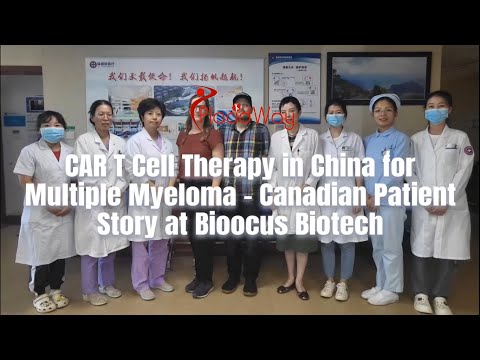
Facing exorbitant costs in the United States for cellular therapy, David chose an internationally recognized center in Asia. He highlighted that the comprehensive care, affordability, and the highly empathetic nature of the medical staff profoundly eased his family’s burden during his successful treatment of Multiple Myeloma.
Sarah's Accelerated Treatment Timeline
With a rapidly progressing hematological malignancy, time was of the essence for Sarah. The high-speed manufacturing processes available at her chosen facility meant she underwent apheresis and received her personalized infusion in record time, successfully halting the aggressive progression of her disease.
How PlacidWay Assists Your CAR-T Therapy Medical Tourism Journey in China
Navigating international healthcare systems for intensive oncological treatments requires meticulous planning and expert guidance. The complexities of medical records, linguistic barriers, and hospital coordination can overwhelm patients already dealing with heavy health burdens. Specialized medical facilitation ensures a smooth, focused, and secure healthcare journey.
PlacidWay serves as a crucial partner in this process, connecting global patients with internationally accredited, top-tier medical facilities focusing on advanced immunotherapies. By utilizing this network, patients can focus entirely on their treatment and recovery.
- Providing comprehensive access to highly vetted and accredited medical centers specializing in advanced oncological care.
- Facilitating the secure transfer of medical records, pathology slides, and imaging to specialized medical boards for precise initial evaluations.
- Assisting with transparent cost estimates and comprehensive treatment plan outlines directly from the healthcare providers.
- Streamlining communication between the patient's primary oncologist at home and the receiving medical team abroad.
- Offering dedicated, value-based patient coordination to bridge language gaps and ensure seamless clinical scheduling.
Frequently Asked Questions About CAR-T Therapy in China
When considering crossing borders for highly complex cellular treatments, patients naturally have numerous questions regarding logistics, safety, and outcomes. Having clear, concise answers helps alleviate anxiety and allows patients to make highly informed healthcare decisions.
Below are some of the most common questions international patients ask when exploring cellular immunotherapy options in this rapidly advancing medical landscape.
1. What exactly makes CAR-T therapy more affordable in China?
The lower cost is primarily due to reduced localized manufacturing expenses, lower clinical overhead, and high competition among numerous domestic biotechnology firms. The quality of the cell engineering strictly adheres to rigorous scientific standards despite the lower price point.
2. Can international patients receive treatment for solid tumors?
Yes, many clinics are pioneering treatments specifically targeting solid tumors like gastric, liver, and pancreatic cancers. Access is generally provided through advanced clinical protocols tailored to specific cancer antigens.
3. How long do I need to stay in the country for the entire treatment?
Patients are typically advised to plan for a stay of 6 to 8 weeks. This allows sufficient time for cellular collection, manufacturing, the infusion process, and the critical post-infusion monitoring phase.
4. Are there language barriers at these specialized hospitals?
Top-tier international oncology centers employ dedicated multilingual medical staff and translators. They are highly experienced in managing communication between the medical teams and international patients.
5. Is high-speed CAR-T cell manufacturing safe?
Yes, high-speed manufacturing uses advanced, next-generation platforms that optimize the genetic engineering process without compromising the safety, purity, or viability of the T-cells.
6. What are the common risks associated with this therapy?
The most common severe risks are Cytokine Release Syndrome (CRS) and neurological toxicities (ICANS). Specialized intensive care teams are trained to monitor for and manage these complications aggressively.
7. Will my home country's oncologist be involved?
Reputable clinics strongly encourage collaboration with your home oncologist. They ensure comprehensive handover reports and ongoing follow-up care plans are established before your return home.
8. What happens if I am not eligible for CAR-T therapy upon arrival?
Comprehensive remote evaluations are conducted prior to travel to minimize this risk. If sudden contraindications arise upon arrival, alternative cutting-edge therapies or clinical trials may be offered.
9. How is the quality of the engineered cells regulated?
The National Medical Products Administration (NMPA) enforces strict regulatory guidelines for cellular therapies, ensuring that laboratories maintain the highest standards of safety, sterility, and efficacy.
10. Can I travel with a family member or caregiver?
Yes, having a caregiver is highly recommended and often required. They provide essential emotional support and assist with daily needs during the outpatient recovery phase following hospital discharge.
Medical Disclaimer: This article is for informational purposes only and is not medical advice. Always consult a qualified healthcare provider before any medical decisions. Results may vary. Read Full Disclaimer here.
References
- National Cancer Institute. CAR T Cells: Engineering Patients' Immune Cells to Treat Their Cancers. https://www.cancer.gov/about-cancer/treatment/research/car-t-cells
- National Center for Biotechnology Information (NCBI). Current Status and Perspectives of CAR-T Cell Therapy in China. https://pmc.ncbi.nlm.nih.gov/articles/PMC8455322/
- American Cancer Society. CAR T-Cell Therapy. https://www.cancer.org/treatment/treatments-and-side-effects/treatment-types/immunotherapy/car-t-cell1.html




.png)
.png)









Share this listing