


Leading Hospitals Driving the NK Cell Therapy Revolution in China: A New Era in Oncology
The landscape of modern oncology is undergoing a seismic shift, and at the absolute forefront of this medical transformation are the leading hospitals driving the NK cell therapy revolution in China. For decades, patients diagnosed with advanced malignancies have been largely limited to the harsh, systemic impacts of traditional chemotherapy and radiation. These conventional avenues, while foundational to oncology, often bring debilitating side effects and varying degrees of efficacy, leaving many searching for stage 4 cancer alternative treatments that prioritize both survival and quality of life.
Today, advanced cellular immunotherapy in Asia offers unprecedented hope. By harnessing the body’s own innate immune system, specifically Natural Killer cells, medical pioneers in China are demonstrating remarkable success rates in targeting and eradicating cancer cells. Watch to discover how highly specialized medical facilities are seamlessly blending cutting-edge biotechnology with accessible international medical tourism to redefine cancer care for the 21st century.
Video Chapters & Quick Navigation
The pursuit of effective, minimally toxic cancer treatments has long been the holy grail of modern medicine. For patients diagnosed with complex, late-stage, or treatment-resistant malignancies, the journey is often fraught with physical exhaustion and emotional turmoil. As highlighted at in the video, international oncology is moving away from the "scorched earth" approach of traditional chemotherapy.
Instead, the medical community is embracing precision medicine. Advanced immunotherapy hospitals in China are at the vanguard of this movement, specifically through the implementation and continuous refinement of Natural Killer (NK) cell therapies. By leveraging robust clinical research, state-of-the-art laboratory infrastructure, and progressive regulatory environments, these medical institutions are providing viable lifelines to patients from across the globe.
Understanding Natural Killer (NK) Cell Therapy for Cancer Treatment
To truly appreciate why this treatment is revolutionary, one must first understand the fundamental biology of Natural Killer cells. NK cells are critical components of the innate immune system. Unlike T-cells, which require specific antigen presentation to recognize and attack a threat, NK cells possess the unique, inherent ability to identify stressed, infected, or malignant cells without prior sensitization.
When a cell turns cancerous, it often attempts to evade the immune system by down-regulating its Major Histocompatibility Complex (MHC) class I molecules. While this tricks T-cells into ignoring the tumor, NK cells interpret this exact absence of MHC class I as a distress signal. Upon identifying a malignant cell, NK cells release cytotoxic granules containing perforin and granzymes. As explained in detail at , these proteins puncture the tumor cell membrane and induce apoptosis, or programmed cell death.
The Ex Vivo Expansion Process
Despite their potent cancer-killing abilities, cancer patients naturally suffer from a suppressed immune environment where their endogenous NK cells are either insufficient in number or functionally exhausted by the tumor microenvironment. Leading hospitals overcome this through a sophisticated process known as ex vivo expansion and activation.
Medical professionals extract a small volume of blood from the patient (autologous) or a healthy donor (allogeneic). In highly sterile, cutting-edge cellular laboratories, these NK cells are isolated, stimulated with specific cytokines (such as IL-2 and IL-15), and multiplied into the billions. Once they reach optimal numbers and maximum cytotoxic lethality, they are intravenously re-infused into the patient. This creates an overwhelming, highly targeted immune army designed specifically to hunt down malignancy.
Why Leading Hospitals in China are Revolutionizing Immunotherapy
Many patients naturally wonder how China emerged as the epicenter for cutting-edge cellular immunotherapy in Asia. The answer lies in a combination of unparalleled government investment in biotechnology, an immense talent pool of returning internationally trained oncologists, and an incredibly agile regulatory framework designed to fast-track life-saving treatments.
Unlike Western regulatory bodies, which can sometimes mandate decades of bureaucratic red tape before a promising therapy reaches clinical application, China's National Medical Products Administration (NMPA) has established specialized fast-track pathways for advanced cell therapies. As noted at in the accompanying video, this allows leading research hospitals to translate laboratory breakthroughs directly to the bedside with remarkable speed, while still maintaining stringent international safety protocols.
The Advantage of Massive Clinical Data
Furthermore, because of its large population and centralized medical hubs, specialized cancer clinics offering NK cell therapy in China process an enormous volume of clinical data. This high throughput allows immunologists to rapidly iterate and refine their expansion techniques, cytokine combinations, and infusion protocols. Consequently, the therapies offered are highly optimized, resulting in better patient outcomes and reduced systemic toxicity.
Top Specialized Cancer Clinics Offering NK Cell Therapy
For international patients seeking stage 4 cancer alternative treatments, choosing the right facility is paramount. The top medical tourism destinations for immunotherapy in China are not standard hospitals; they are sprawling, state-of-the-art medical complexes specifically designed to cater to the unique needs of cellular therapy and international patient care.
- Boao Lecheng International Medical Tourism Pilot Zone: Often referred to as "Hope City," this specialized zone in Hainan province benefits from special governmental policies allowing the immediate importation and utilization of globally approved medical technologies and advanced cell therapies.
- Fuda Cancer Hospital: Located in Guangzhou, this internationally accredited institution is world-renowned for its integrative approach, combining cryosurgical ablation with advanced NK and CAR-T cell immunotherapies for solid tumors.
- Shenzhen Bio-therapy Institutes: Nestled in China's technology capital, these specialized institutes boast some of the most advanced clean-room laboratories in the world, specifically engineered for optimal ex vivo cell expansion.
These leading hospitals driving the NK cell therapy revolution in China prioritize the international patient experience. They employ dedicated English-speaking medical coordinators, offer VIP private suites that rival luxury hotels, and provide comprehensive logistical support from airport transfers to medical visa assistance.
Comparative Efficacy: NK Cell Therapy vs Traditional Cancer Treatments
When evaluating targeted cancer therapies in Asia, it is crucial to understand how immunotherapy contrasts with standard oncological protocols. Traditional treatments like chemotherapy are inherently non-specific; they attack any rapidly dividing cell in the body. This is why patients suffer from hair loss, severe gastrointestinal distress, and dangerous immunosuppression. Check the timestamp at to see expert testimonies on patient recovery comparisons.
NK cell therapy, conversely, is a targeted biological intervention. By utilizing the body's natural defense mechanisms, it specifically hunts tumor cells while leaving healthy, non-malignant tissue completely unharmed. This drastically improves the patient's quality of life during treatment.
| Feature | Traditional Chemotherapy | Advanced NK Cell Therapy |
|---|---|---|
| Mechanism of Action | Chemical destruction of rapidly dividing cells. | Biological targeting using activated innate immune cells. |
| Target Specificity | Low. Damages healthy cells alongside cancer. | High. Specifically recognizes malignant anomalies. |
| Side Effect Profile | Severe (nausea, hair loss, neutropenia). | Mild (temporary fever or fatigue during infusion). |
| Immune System Impact | Suppresses and compromises overall immunity. | Bolsters, trains, and rebuilds natural immunity. |
Targeted Cancers: Where Cutting-Edge Cellular Immunotherapy Shines
One of the most profound advantages of NK cell therapy is its broad-spectrum applicability. Because NK cells do not rely on tumor-specific antigens to initiate an attack, they are incredibly versatile across various oncological profiles. Leading hospitals in China have recorded significant clinical success in utilizing these therapies against a wide array of both hematological malignancies and aggressive solid tumors.
Solid Tumor Eradication
Historically, solid tumors—such as non-small cell lung cancer, hepatocellular carcinoma (liver cancer), and advanced pancreatic cancer—have been notoriously difficult for immunotherapies to penetrate. The tumor microenvironment creates a dense, immunosuppressive barrier. However, advanced pre-conditioning regimens and the sheer volume of billions of hyper-activated NK cells infused in Chinese clinics have shown remarkable ability in infiltrating these hostile tumor environments, halting metastasis and shrinking primary tumor loads.
Combining Therapies for Maximum Impact
Furthermore, leading oncologists rarely use NK cell therapy in isolation. They frequently deploy it as a synergistic treatment. By combining NK cell infusions with low-dose targeted chemotherapy or localized cryoablation, the tumor is first weakened or structurally damaged. This exposes neoantigens and breaks down the protective tumor barrier, allowing the subsequent wave of infused NK cells to completely eradicate the remaining malignant tissue with devastating efficiency.
Navigating the Cost of NK Cell Therapy in Asia
When discussing advanced immunotherapy hospitals in China, the conversation inevitably turns to economics. A primary driver of medical tourism is the astronomical cost of specialized medical care in Western countries. In the United States, experimental cellular therapies, when available, can easily exceed $150,000 to $300,000 for a single treatment cycle, often completely out-of-pocket as many insurance providers classify them as investigational.
In stark contrast, the cost of NK cell therapy in Asia is radically more accessible without compromising clinical excellence. Comprehensive treatment packages at top-tier Chinese facilities generally range from $25,000 to $45,000. As detailed at in the video, this immense cost reduction is not due to inferior science, but rather lower administrative overhead, favorable exchange rates, and heavily subsidized biotechnology sectors within China.
These inclusive medical tourism packages often cover far more than just the cellular infusions. They typically encompass comprehensive initial diagnostic imaging (PET/CT scans), extensive blood profiling, multiple cycles of NK cell expansion and infusion, daily physician consultations, luxury hospital accommodation, and post-treatment follow-up protocols. This transparent, bundled pricing model provides immense peace of mind to patients already dealing with the heavy psychological burden of cancer.
The Medical Tourism Journey: Seeking Stage 4 Cancer Alternative Treatments
Embarking on international travel for life-saving medical care can seem daunting, particularly for patients whose health may already be compromised. Recognizing this, the top specialized cancer clinics offering NK cell therapy have revolutionized the patient concierge experience. Medical tourism facilitators, like PlacidWay, bridge the geographical and linguistic gaps to ensure a seamless, stress-free healing journey.
Pre-Arrival and Evaluation
The process begins long before the patient boards a flight. Medical records, recent biopsy reports, and imaging scans are securely transmitted to the Chinese oncology teams for a comprehensive multi-disciplinary tumor board review. If the patient is deemed a strong candidate for NK cell therapy, a personalized, detailed treatment itinerary is generated. Facilitators then assist with expediting medical visas, booking accessible flights, and arranging specialized airport-to-hospital ground transport.
The Treatment Experience
Upon arrival in China, patients are greeted by their dedicated English-speaking case managers. The treatment cycle typically spans 14 to 21 days. The initial days are dedicated to rigorous health screenings and the extraction of blood for cell harvesting. Over the next two weeks, while the NK cells are cultivated and multiplied in the lab, patients rest in comfortably appointed VIP suites, receiving supportive nutritional and immune-boosting IV therapies.
The actual infusion of the activated NK cells is a swift, painless intravenous process lasting only a few hours. Because the side effects are minimal—typically limited to a mild, transient fever which indicates the immune system is actively engaging the cancer—patients remain remarkably comfortable, able to read, eat, and converse with loved ones throughout the procedure.
The Future of Oncology: CAR-NK and Beyond
While standard ex vivo expanded NK cell therapy is already altering the oncology landscape, leading hospitals in China are aggressively pushing the boundaries even further. The frontier of this science is Chimeric Antigen Receptor Natural Killer (CAR-NK) cell therapy. By genetically engineering harvested NK cells to express specialized receptors that bind to specific tumor antigens, scientists are creating hyper-targeted, programmable biological assassins.
As explored in the concluding segment of the video at , CAR-NK therapies represent the ultimate convergence of genetic engineering and cellular immunotherapy. Because NK cells do not cause Graft-versus-Host Disease (GvHD), they hold the incredible potential to be developed as "off-the-shelf" allogeneic therapies. This means that in the very near future, massive banks of universally compatible, hyper-lethal CAR-NK cells could be kept on standby, ready to be deployed immediately upon a patient's diagnosis without waiting weeks for autologous cell expansion.
For patients facing dire prognoses, the message is clear. A diagnosis of advanced cancer is no longer an immediate finality. The relentless innovation originating from advanced immunotherapy hospitals in China is proving that with the right technology, the body's own immune system can be trained to overcome even the most aggressive malignancies. A new chapter in global cancer care is being written today, offering tangible, science-backed hope to thousands who refuse to stop fighting.
Ready to Explore Advanced Immunotherapy in China?
PlacidWay Medical Tourism connects you directly with top-rated, specialized cancer clinics in China. Discover if you are a candidate for life-saving NK Cell Therapy and receive a comprehensive, personalized treatment plan. Let us guide you toward hope and healing.
GET A FREE MEDICAL CONSULTATION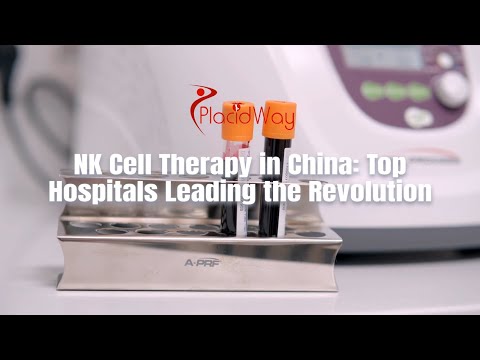




.png)
.png)







.png)
.png)








Share this listing