



Quick Summary
- Estimated cost: International self-pay plans can range from approximately $130 for a lower-cost conventional chemotherapy cycle in some Indian listings to $100,000 or more for transplantation, complex surgery or selected cellular therapies. These services are not clinically equivalent.
- Safety overview: Cancer treatment abroad may be reasonable when a licensed hospital provides evidence-based care, emergency support, multidisciplinary review and coordinated follow-up.
- Ideal candidate: A medically stable patient with a confirmed diagnosis, complete records, sufficient travel time and approval from qualified oncology professionals.
- Recovery time: Recovery can range from days after diagnostic procedures to several months after major surgery, radiotherapy, transplantation or combined treatment.
- Why patients travel: Common reasons include access to a specialist, shorter scheduling times, geographic convenience, treatment availability, coordinated international services or lower self-pay costs.
- Credentials to verify: Check the facility license, physician registration, specialty certification, radiation authorization, national accreditation and authorization to treat international patients where required.
- Important caution: A lower quote should never replace pathology confirmation, molecular testing, a tumor-board recommendation or a written plan for complications and follow-up.
How Cancer Treatment Abroad Works—and When It May Help
Cancer treatment abroad can help when another country offers an appropriate specialist, technology, clinical program or scheduling pathway that is difficult to access at home. It should begin with a confirmed diagnosis rather than a destination or package.
Cancer is not one disease, and “cancer treatment” is not one procedure. Your plan may involve surgery, radiotherapy, chemotherapy, hormone therapy, targeted therapy, immunotherapy, stem cell transplantation, symptom control or several treatments in sequence. Pathology, cancer stage, molecular biomarkers, organ function and your general health determine which options may be suitable.
Patient tip: Ask the overseas team to explain the diagnosis, stage, treatment goal, expected schedule, alternatives and evidence supporting its recommendation. Request the answer in writing before booking travel.
What a cancer treatment review should include
| Clinical element | Why it matters | What you should request |
|---|---|---|
| Pathology review | Confirms the cancer type and characteristics. | Written pathology report and arrangements for slide or tissue-block review. |
| Staging | Shows how far the cancer has spread. | Imaging list, staging system and documented clinical stage. |
| Biomarker testing | May determine eligibility for targeted or immune-based treatment. | Exact test name, laboratory, result and effect on treatment selection. |
| Tumor-board review | Allows different specialists to evaluate the same case. | Names or specialties involved and the resulting recommendation. |
| Treatment objective | Clarifies whether care aims to cure, control disease or relieve symptoms. | A realistic written objective without guaranteed outcomes. |
Travelling may not be appropriate when urgent local treatment is available and travel would create a harmful delay. It may also be unsuitable when you are medically unstable, have an uncontrolled infection, need intensive monitoring or cannot remain near the treating hospital long enough to manage complications.
Comparing Cancer Treatment in China, Mexico, South Korea, India, Thailand and Turkey
No country is universally best for every cancer patient. The strongest choice is the destination that can provide the specific treatment your diagnosis requires, through a qualified team, without creating unsafe delays or unmanageable follow-up problems.
| Country | Potential patient fit | Local credentials to check | Important limitation |
|---|---|---|---|
| China | Large tertiary systems, complex oncology and selected cellular or immune-based programs. | Medical-institution practicing license, physician registration, NMPA status and ethics approval where applicable. | You must distinguish standard treatment, approved indications and investigational care. |
| Mexico | North American patients prioritizing proximity, shorter flights and selected self-pay oncology services. | COFEPRIS requirements, facility authorization, physician cédula profesional and specialty certification. | Conventional oncology must be separated from unsupported alternative claims. |
| South Korea | Patients seeking coordinated tertiary care, detailed diagnostics and technologically advanced hospital systems. | Medical Korea registration, KOIHA accreditation and physician specialty credentials. | Self-pay costs can be higher than in India, Thailand or parts of Turkey. |
| India | Patients seeking broad oncology capacity, major surgery, radiotherapy or transplantation at variable price levels. | NMC or state registration, NABH status and AERB authorization for radiation facilities. | Quality, waiting time and support services vary substantially between hospitals. |
| Thailand | Patients seeking international coordination, private-hospital services and selected surgery or radiotherapy pathways. | Medical Council of Thailand license and Healthcare Accreditation Institute status. | Multi-cycle treatment may require a long stay or repeated international travel. |
| Turkey | Patients from Europe, the Middle East, Central Asia and nearby regions seeking accessible hospital care. | Ministry authorization, International Health Tourism Authorization Certificate and applicable TÜSKA status. | Confirm that the exact facility, not only a facilitator, holds the required authorization. |
A stronger cancer treatment match
- The proposed treatment matches your pathology and stage.
- The hospital regularly manages your cancer type.
- Emergency and intensive-care support are available.
- Your home oncologist can continue follow-up.
A weaker cancer treatment match
- The proposal is based mainly on testimonials.
- The provider avoids discussing regulatory status.
- The quote omits complication or follow-up costs.
- You are pressured to travel before record review.
Cancer Treatment in China: Large Tertiary Systems and Selected Advanced Programs
Cancer treatment in China may be considered when a patient needs evaluation by a large tertiary oncology center or is investigating selected cellular, immune-based or technology-intensive programs. Its extensive health system includes major academic hospitals with multidisciplinary cancer departments.
Your first question should be whether the proposed service is recognized standard care, an approved treatment for your diagnosis, off-label medical use or an investigational intervention. Terms such as CAR-T, tumor-infiltrating lymphocytes, natural killer cells and gene-based therapy do not describe interchangeable treatments.
China treatment warning: Ask for the exact product or procedure name, regulatory status, approved cancer indication, evidence level, hospital ethics approval and clinical-trial registration when applicable.
Credentials for cancer treatment in China
- Request the medical institution’s practicing license and confirm the licensed facility name and treatment location.
- Verify the treating physician’s medical registration, department, specialty training and hospital privileges.
- Check National Medical Products Administration status for regulated drugs and cellular products where applicable.
- Ask whether pathology, imaging, radiotherapy and intensive-care services are available within the same hospital.
- Request an English-language discharge summary and a complete plan for monitoring after you return home.
Current public listings for selected cellular or immune-based packages can span approximately $18,000 to $100,000. That range should not be treated as the average cost of conventional cancer care in China because the listed interventions, indications and inclusions differ substantially.
Cancer Treatment in Mexico: Geographic Access for North American Patients
Mexico may suit patients from the United States or Canada who value shorter travel routes and the possibility of remaining closer to home. Major-city and border-region providers may offer diagnostics, surgery, radiotherapy, systemic treatment or supportive care.
Mexico also has a broad private healthcare market, so careful screening is essential. A clinic offering cancer care should be transparent about its medical-establishment requirements, responsible physician, drug sources, emergency arrangements and access to a hospital if complications occur.
| Mexico verification item | Evidence to request | Why it protects you |
|---|---|---|
| Facility compliance | Applicable COFEPRIS documentation, notices, permits and responsible health professional. | Confirms that care is delivered within the regulated health-establishment framework. |
| Doctor identity | Cédula profesional and specialty certification where applicable. | Helps confirm education, registration and specialty status. |
| Oncology scope | Pathology, pharmacy, blood-bank, radiology and emergency capabilities. | Shows whether the provider can safely support the proposed plan. |
| Drug traceability | Generic and brand names, manufacturer, approval status and dispensing pharmacy. | Reduces uncertainty about the treatment actually administered. |
Planning examples may include approximately $1,500 to $3,500 per conventional chemotherapy cycle, $10,000 to $20,000 for a radiotherapy course, and $15,000 to $35,000 for selected major cancer operations. Drug selection, surgical complexity and hospital level can move the final price well beyond these ranges.
Cancer Treatment in South Korea: Coordinated Diagnostics and Tertiary Care
South Korea may appeal to patients seeking coordinated diagnostics, multidisciplinary hospital care and access to complex surgery or radiation technologies. International departments at participating hospitals can help organize appointments, interpretation and record transfer.
Technology alone does not determine whether care is appropriate. Robotic surgery, stereotactic radiotherapy and advanced imaging may help selected patients, but conventional methods can sometimes provide similar clinical value. Ask why a technology is recommended for your specific anatomy and cancer stage.
South Korea patient tip: Use the official Medical Korea system to check registered institutions or facilitators. Ask whether the hospital holds current KOIHA accreditation and whether the oncology department handles your diagnosis regularly.
Questions for a South Korean cancer center
- Will the hospital repeat pathology or molecular tests before treatment?
- Which specialties will attend the tumor-board review?
- Does the quote include anesthesia, pathology, implants, medication and inpatient care?
- Will an interpreter attend consent and discharge discussions?
- How will results and follow-up instructions be shared with your oncologist at home?
Public planning examples may place selected robotic cancer operations around $12,000 to $18,000 and full radiotherapy pathways around $15,000 to $40,000. Exact fees vary by hospital, tumor site, treatment technology and required admission.
Cancer Treatment in India: Broad Oncology Capacity and Variable Self-Pay Costs
India may be considered for major cancer surgery, systemic treatment, radiotherapy, bone marrow transplantation and selected proton therapy programs. Large metropolitan hospitals often bring surgical, medical and radiation oncology services into one system.
The country’s size creates wide variation in hospital resources, patient volume, accommodation and communication support. A low-cost quote has limited value unless the hospital can safely provide pathology, critical care, blood-bank services, infection management and the exact technology named in your plan.
| India credential | What to verify | Cancer-care relevance |
|---|---|---|
| NMC or state registration | Doctor’s registration number, qualifications and current council status. | Confirms legal medical registration. |
| NABH accreditation | Hospital name, accreditation number, scope and validity. | Indicates assessment against national quality and patient-safety standards. |
| AERB authorization | Licensing status for the named radiotherapy or nuclear-medicine facility. | Important when ionizing radiation is used for treatment or imaging. |
| Transplant authorization | Program scope, specialist team, isolation facilities and infection protocols. | Critical for high-risk transplantation and prolonged monitoring. |
Planning examples may range from approximately $130 to $4,000 per conventional chemotherapy cycle, $2,000 to $8,000 for a radiotherapy course, $13,000 to $20,000 for selected bone marrow transplant pathways, and $12,000 to $20,000 for certain proton therapy plans. These ranges depend heavily on medicines, admission length and complications.
Cancer Treatment in Thailand: International-Patient Services and Private Hospital Care
Cancer treatment in Thailand may suit patients who want private-hospital oncology combined with established international-patient coordination. Bangkok is the principal center for many complex services, although availability depends on the cancer type and hospital.
You should verify the physician through the Medical Council of Thailand and check the hospital’s national accreditation status through the Healthcare Accreditation Institute. International accreditation may provide another quality indicator, but it does not replace local licensing, oncology expertise or treatment-specific capability.
Thailand takeaway: International-patient coordination can improve communication, but the treating oncologist—not a coordinator—should explain clinical suitability, risks, alternatives and follow-up requirements.
Cancer treatment planning in Thailand
- Confirm whether the proposed plan requires one visit or several treatment cycles.
- Ask how long you must remain in Thailand after surgery or radiation.
- Request the full drug name and whether the same medicine is available at home.
- Check access to intensive care, transfusion services and emergency imaging.
- Obtain an English-language summary containing pathology, medicines, procedures and follow-up dates.
Planning examples may include $1,500 to $3,500 per conventional chemotherapy cycle, $7,000 to $12,000 for a radiotherapy course, and $10,000 to $15,000 for selected stereotactic radiosurgery pathways. Immunotherapy and targeted drugs may add several thousand dollars per cycle.
Cancer Treatment in Turkey: Authorized International Health-Tourism Pathways
Cancer treatment in Turkey may be practical for patients travelling from Europe, the Balkans, Central Asia, North Africa or the Middle East. Its geographic position, private-hospital sector and international-patient infrastructure support treatment across several major cities.
International patients should check whether the exact hospital appears on the Ministry of Health’s authorized provider list. A facilitator’s authorization does not prove that every hospital it discusses is approved for the same services.
Turkey credential warning: Request the International Health Tourism Authorization Certificate, facility license information, treating oncologist’s specialty credentials and applicable TÜSKA accreditation or certification status.
What to confirm before cancer treatment in Turkey
- The authorization belongs to the hospital where treatment will occur.
- The surgeon or oncologist has hospital privileges for the proposed treatment.
- The quote identifies the brand or generic name of high-cost medicines.
- The hospital has a written complication and transfer pathway.
- Follow-up can continue locally or through a coordinated home-country oncologist.
A comparable nationwide cancer-treatment price is not available because services range from diagnostics and outpatient medication to major surgery and transplantation. Selected treatment episodes may begin near $5,000 and exceed $30,000, while transplantation or cellular therapy can cost considerably more.
Cancer Treatment Costs Across the Six Countries
Cancer treatment costs vary more by diagnosis, stage, medicines and treatment intensity than by country alone. A quote for one chemotherapy cycle cannot be compared with a complete package containing surgery, radiotherapy and follow-up.
The ranges below are planning examples based on public international self-pay listings reviewed in 2026. They are not national tariffs, guaranteed prices or clinically equivalent packages. A written, case-specific quotation is essential.
| Country | Chemotherapy example | Radiotherapy example | Complex treatment example | Interpretation |
|---|---|---|---|---|
| China | Comparable national range not available | Comparable national range not available | Selected cellular programs: about $18,000–$100,000 | Verify approval status and inclusions. |
| Mexico | About $1,500–$3,500 per cycle | About $10,000–$20,000 per course | Major surgery: about $15,000–$35,000 | Proximity may reduce travel costs. |
| South Korea | Case-specific information required | About $15,000–$40,000 per course | Selected robotic surgery: about $12,000–$18,000 | Technology and hospital level affect price. |
| India | About $130–$4,000 per cycle | About $2,000–$8,000 per course | Selected transplant plans: about $13,000–$20,000 | Drug and hospital differences are substantial. |
| Thailand | About $1,500–$3,500 per cycle | About $7,000–$12,000 per course | Selected radiosurgery: about $10,000–$15,000 | Long stays may increase non-medical costs. |
| Turkey | Drug-specific quote required | Technology-specific quote required | Many selected episodes: about $5,000–$30,000+ | Transplant or cellular therapy may cost more. |
International cancer treatment cost comparison
| Treatment example | United States self-pay planning context | Lower international examples | Why comparison is difficult |
|---|---|---|---|
| Conventional chemotherapy | Some self-pay cycles may reach approximately $5,000–$20,000 or more. | Selected Indian, Mexican or Thai cycles may cost less. | The medicine, dose intensity and supportive drugs can be different. |
| Radiotherapy course | Complex self-pay courses may reach approximately $25,000–$60,000 or more. | India, Thailand, Mexico or Turkey may provide lower planning ranges. | Fraction number, technique, planning and imaging differ. |
| Major cancer surgery | Hospital and surgeon fees can be substantially higher. | Several destinations may offer lower bundled hospital fees. | ICU use, pathology, reconstruction and complications change the total. |
Cost caution: Targeted therapies, immunotherapy and patented medicines may cost similarly across countries. A lower hospital fee does not guarantee a lower total treatment cost.
Cancer treatment expenses commonly omitted from quotes
- Pathology re-review
- Molecular or genomic testing
- Anesthesia and operating-room fees
- Blood products
- High-cost medicines
- Intensive-care admission
- Management of infection or complications
- Extra accommodation
- Interpreter services
- Repeat flights and local transport
- Home-country follow-up
- Medical evacuation or complications insurance
How to Choose a Cancer Hospital and Oncologist Abroad
Choose a cancer hospital by verifying its legal status, treatment-specific capability and ability to manage complications. A general hospital license does not automatically confirm expertise in complex oncology, transplantation or advanced radiotherapy.
Your oncologist should hold current medical registration and appropriate specialty credentials. Depending on the treatment, the team may include a medical oncologist, surgical oncologist, radiation oncologist, hematologist, pathologist, radiologist, anesthesiologist and palliative-care specialist.
| Verification point | Evidence to request | Strong response | Warning sign |
|---|---|---|---|
| Government license | License number, issuing authority and legal facility name. | Details match the treatment location. | Only a logo or verbal assurance is provided. |
| Doctor registration | Registration number, qualifications and specialty certificate. | Information can be checked through an official registry. | Credentials cannot be independently verified. |
| Cancer experience | Years treating the diagnosis and annual case volume. | The team provides procedure-specific experience. | Only total career experience is discussed. |
| Accreditation | Accreditation number, scope and expiration date. | National status is current and relevant. | Expired or unrelated certificates are displayed. |
| Complication support | Emergency protocol, ICU access and transfer agreement. | Responsibilities and costs are documented. | The provider says complications are unlikely. |
| Aftercare | Follow-up dates, contact route and home-care handover. | The plan continues after your flight home. | Contact ends after discharge. |
| Written quote | Itemized inclusions, exclusions and refund terms. | Possible additional costs are explained. | A deposit is requested before clinical review. |
Country-specific cancer hospital credentials
- China: medical-institution practicing license, physician registration and treatment-specific NMPA or ethics status.
- Mexico: COFEPRIS-related facility requirements, cédula profesional and applicable oncology specialty certification.
- South Korea: Medical Korea registration, KOIHA accreditation and specialty credentials.
- India: NMC or state council registration, NABH status and AERB radiation authorization.
- Thailand: Medical Council license and Healthcare Accreditation Institute status.
- Turkey: Ministry license, International Health Tourism Authorization Certificate and applicable TÜSKA status.
JCI, Temos, ACHSI or another international accreditation can provide additional information about organizational quality systems. International accreditation is not universally required, and its absence does not automatically mean that a nationally licensed hospital is unsafe.
Cancer Patient Demographics, Travel Routes and Recent Disease Data
Reliable international data describing the age, gender and home country of cancer patients travelling to these six destinations are not available in one standardized 2025 or 2026 dataset. Publishing percentages for those patient groups would therefore risk creating a misleading comparison.
Cancer incidence generally increases with age, although children and younger adults can develop distinct cancer types. Sex-specific cancers and biological differences also influence treatment demand. Your individual diagnosis remains more important than the average demographic profile of a destination.
| Patient origin or region | Practical destination route | Why the route may be considered | Patient-specific caution |
|---|---|---|---|
| United States and Canada | Mexico | Shorter travel, easier companion access and potential self-pay savings. | Verify evidence and regulatory status of non-standard interventions. |
| South Asia, Gulf states and parts of Africa | India | Broad specialist capacity and varied self-pay price levels. | Long flights may be difficult during intensive treatment. |
| Europe, Balkans, Middle East and Central Asia | Turkey | Regional flight connections and authorized international-patient pathways. | Check the authorization of the exact hospital. |
| Southeast Asia, Gulf states and Australia-Pacific | Thailand | Private-hospital coordination and established travel services. | Repeated cycles can make travel impractical. |
| East Asia and selected global patients | South Korea or China | Tertiary hospital systems and selected technology-intensive programs. | Language, regulatory status and home follow-up require careful planning. |
The latest standardized international dataset available as of July 2026 is GLOBOCAN 2024, released by the International Agency for Research on Cancer in July 2026. These estimates describe national cancer burden, not hospital quality, treatment success or medical-tourism volume.
Line graph: Estimated 2024 cancer cases and deaths
Source: IARC GLOBOCAN 2024 estimates, released July 2026. National totals largely reflect population size and cancer burden; they do not rank treatment quality.
| Country | Estimated new cases | Estimated deaths | Five-year prevalence |
|---|---|---|---|
| China | 5,150,572 | 2,582,164 | 11,799,186 |
| India | 1,562,581 | 901,828 | 3,324,140 |
| South Korea | 250,247 | 101,333 | 755,463 |
| Turkey | 235,949 | 113,805 | 661,739 |
| Mexico | 201,137 | 96,264 | 524,247 |
| Thailand | 176,951 | 116,234 | 441,035 |
Histogram: Distribution of national cancer-incidence totals
The histogram groups the six selected countries by national incidence totals. It does not measure medical-tourism demand, clinical capacity or patient outcomes.
Cancer Treatment Travel, Recovery and Emergency Planning
Safe cancer travel requires more than a flight and hospital appointment. You need enough time for evaluation, treatment, early complications and medical clearance before returning home.
Surgery, radiotherapy and systemic medicines affect the body differently. Recovery may involve wound healing, inflammation, changes in blood-cell counts, fatigue, nausea, pain or reduced immunity. Your treating team should provide a personalized timeline rather than a universal return-flight date.
| Timeframe | Biological or clinical process | Patient sensation | Activity level | Action required |
|---|---|---|---|---|
| Before travel | Diagnosis, staging and medical fitness are reviewed. | Symptoms depend on the cancer and prior treatment. | Follow your current doctor’s restrictions. | Obtain medical clearance, records and emergency contacts. |
| Treatment day | Surgery, radiation or systemic treatment begins. | Fatigue, discomfort or medication effects may occur. | Usually limited according to the procedure. | Follow hospital instructions and report new symptoms promptly. |
| First 72 hours | Early surgical, infusion or radiation reactions may appear. | Pain, nausea, weakness or appetite change may occur. | Light movement only when approved. | Remain near the treating hospital when instructed. |
| Weeks 1–3 | Wound healing or delayed blood-cell effects may occur. | Fatigue can persist or temporarily increase. | Gradual activity based on medical advice. | Complete scheduled blood tests and clinical reviews. |
| Later follow-up | Recovery, response assessment and surveillance continue. | Symptoms vary by treatment and disease status. | May increase gradually with clinical approval. | Share records with your home oncologist and follow the surveillance plan. |
Cancer treatment records to carry
- Pathology reports
- Slides or tissue blocks when requested
- Imaging reports and DICOM files
- Molecular and genetic test results
- Previous treatment summaries
- Medication and allergy list
- Recent laboratory results
- Emergency contact information
- Insurance and payment documents
- Translated documents when needed
Seek urgent medical help for warning signs such as:
- Fever at or above the threshold given by your oncology team
- New difficulty breathing, chest pain or fainting
- Uncontrolled bleeding or rapidly increasing bruising
- New confusion, seizure, weakness or severe headache
- Persistent vomiting, severe dehydration or inability to drink
- One-sided leg swelling or sudden calf pain
- Worsening surgical redness, drainage or wound separation
- Pain that remains uncontrolled despite the prescribed plan
Do not assume that ordinary travel insurance covers planned cancer treatment or its complications. Ask about exclusions, pre-existing conditions, medical evacuation, extended accommodation and the process for obtaining authorization during an emergency.
Cancer Treatment Abroad FAQs
Which country is best for cancer treatment abroad?
There is no universally best country for cancer treatment. The appropriate destination depends on your cancer type, stage, biomarkers, required specialist, treatment availability, medical stability, budget and follow-up needs. Compare qualified hospitals only after an oncologist has confirmed the treatment objective.
Is cancer treatment cheaper in India, Mexico, Thailand or Turkey?
Selected self-pay services may cost less in India, Mexico, Thailand or Turkey than in the United States. However, total costs depend on the medicine, surgery, hospital stay, complications and follow-up. Compare itemized plans for the same diagnosis and treatment protocol.
How can I verify a cancer hospital abroad?
Request the facility’s legal name, government license number, accreditation scope and authorization for the proposed service. Verify information through the relevant national regulator. Also confirm emergency care, pathology, imaging, pharmacy, blood-bank and intensive-care capabilities.
How do I verify an oncologist’s credentials in another country?
Ask for the oncologist’s full name, medical registration number, specialty certification and hospital privileges. Search the official medical council or professional registry. You should also ask how many patients with your cancer type the doctor treats each year.
Can I receive chemotherapy abroad and continue it at home?
Continuation may be possible, but it requires advance agreement from your home oncologist. The same medicine, formulation, monitoring and supportive care must be available. Obtain complete treatment records and avoid assuming that another hospital will automatically continue an overseas protocol.
Is immunotherapy available in all six cancer treatment countries?
Approved immunotherapies are available through selected hospitals in all six countries, but access varies by cancer indication, biomarker, medicine and regulatory approval. Immunotherapy does not work for every cancer and can cause serious immune-related complications requiring specialist management.
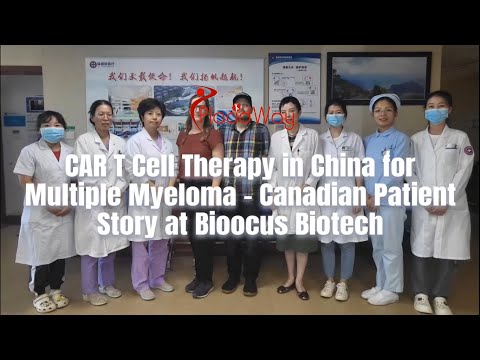
Is CAR-T cell therapy available in China?
China has approved and investigational CAR-T programs, mainly for selected blood cancers. Eligibility depends on the exact diagnosis, prior treatment and product indication. Confirm NMPA status, hospital authorization, evidence, manufacturing arrangements, admission requirements and management of severe treatment reactions.
How long should I stay abroad after cancer surgery?
The appropriate stay depends on the operation, wound healing, complication risk and flight duration. Your surgeon should examine you before travel and provide written clearance. Avoid booking a fixed return flight until the hospital gives a medically appropriate timeline.
What should an all-inclusive cancer treatment package contain?
A complete quote should identify consultations, pathology, imaging, treatment, medicines, anesthesia, hospital stay and routine follow-up. It should also list exclusions, possible complication costs, accommodation, transport, interpreter services, cancellation terms and the conditions that may change the price.
Does international hospital accreditation guarantee safe cancer treatment?
No accreditation guarantees a successful outcome or complication-free treatment. International accreditation can indicate reviewed quality systems, but government licensing, physician credentials, oncology experience, treatment-specific resources, infection control and emergency support remain essential.
Can travelling abroad delay cancer treatment?
Yes. Record collection, visas, repeat tests and travel arrangements can create delays. Ask your current oncologist whether waiting is medically acceptable. Do not postpone urgent evidence-based care while seeking an overseas quote, second opinion or unverified alternative treatment.
What medical records are needed for an international cancer consultation?
You will typically need pathology reports, imaging, DICOM files, staging information, molecular results, laboratory tests, previous treatment summaries and a current medication list. The overseas specialist may also request pathology slides or tissue blocks for independent review.
Compare Cancer Treatment Options with PlacidWay
PlacidWay can help you compare providers, understand potential treatment costs, prepare questions for hospitals, review available options and request information from clinics. A provider comparison does not replace independent medical advice or credential verification.
Request Cancer Treatment InformationDisclaimer
Disclaimer: This information is for educational purposes only and does not replace professional medical advice. Always consult a qualified healthcare provider before making medical decisions.
References
- Cancer Fact Sheet – World Health Organization
- Global Cancer Observatory: Cancer Today, 2024 Estimates – International Agency for Research on Cancer
- Law on Basic Medical and Health Care and Health Promotion – Ministry of Justice of China
- Health Service Establishment Authorizations – COFEPRIS, Mexico
- Registered International-Patient Facilitators and Provider System – Medical Korea and KHIDI
- Find an Accredited Healthcare Organisation – NABH, India
- Medical License Verification – Medical Council of Thailand
- Authorized International Health-Tourism Providers and Facilitators – Republic of Türkiye Ministry of Health
.png)




.png)
.png)
.png)
.png)










Share this listing