


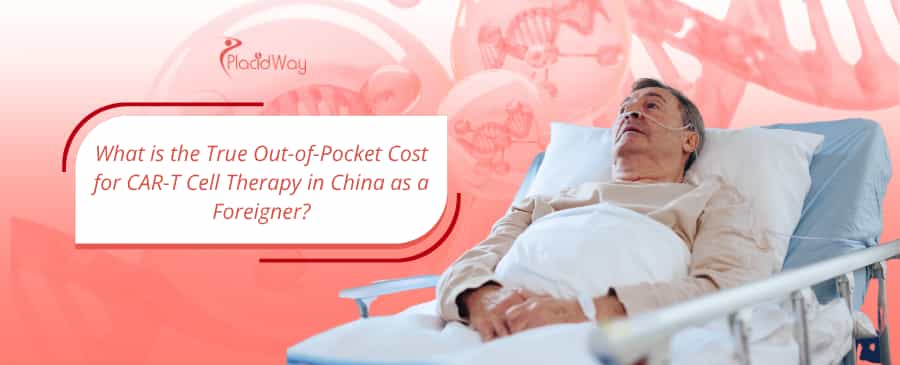
Understanding CAR-T Cell Therapy in China for International Patients
Emerging as one of the most promising frontiers in modern oncology, chimeric antigen receptor T-cell therapy has revolutionized treatment paradigms for refractory hematologic malignancies. International patients are increasingly looking toward Asia to access these pioneering immunotherapies, which custom-engineer a patient's own immune cells to combat cancer. By seeking CAR-T Cell Therapy in China, individuals can find clinical expertise that stands at the vanguard of global medical innovations.
For many global patients, navigating advanced oncology care abroad requires a clear understanding of treatment protocols, safety records, and local healthcare delivery models. China has rapidly developed a highly sophisticated medical infrastructure featuring state-of-the-art laboratory standards and globally trained oncology teams. This guide explores how international patients can access these cutting-edge therapies safely and effectively.
CAR-T cell therapy is often referred to as a "living drug" because the engineered T-cells continue to multiply and actively hunt cancer cells within the body for months or even years after a single infusion.
China consistently registers some of the largest volumes of active clinical pipelines for cellular therapies globally, driving rapid development and therapeutic availability.
The True Out-of-Pocket Cost of CAR-T Cell Therapy in China
One of the most pressing questions for any international patient is the actual, comprehensive cost they will face when choosing care abroad. In Western nations, the sticker price of commercial CAR-T products alone can be astronomically high, often leaving patients with overwhelming medical bills. Understanding the CAR-T Cell Therapy cost in China requires breaking down not just the cell product itself, but the associated clinical charges that form the actual out-of-pocket sum.
To assess the financial reality of this medical journey, patients must consider pre-treatment evaluations, lymphodepletion, hospitalization, and potential complications. Fortunately, localized biotech manufacturing and regional healthcare dynamics allow Chinese medical facilities to offer highly competitive pricing structures. Here, we analyze the realistic market ranges and what is typically included in these therapeutic packages.
Always request a comprehensive, all-inclusive quote that details the cost of ICU backup, essential rescue medications like tocilizumab, and potential extended stays.
Emily's Story: Remission achieved within budget
"Faced with a $600,000 estimate in London for my refractory lymphoma, I turned to a specialized center in Beijing. The entire treatment process, including cell collection, manufacturing, and hospitalization, cost me roughly $175,000 out-of-pocket, and I have been in complete remission for over two years now."
Why CAR-T Cell Therapy in China is More Affordable
The stark price difference between Western and Chinese cellular immunotherapies often raises questions regarding quality and clinical rigor. However, the reason for affordable cancer treatment in Chinese facilities is rooted in advanced industrial systems and manufacturing innovations, not a reduction in medical standards. By localizing the production of viral vectors and automating cell processing, domestic laboratories drastically compress the manufacturing cost of these living drugs.
In addition, next-generation platforms allow researchers to reduce cell expansion times from several weeks down to just 24 to 36 hours. This massive technological leap dramatically lowers laboratory overhead, minimizes the risk of manufacturing failures, and bypasses expensive import duties. These systemic efficiencies translate directly into massive financial savings for the international patient seeking affordable immunotherapy options.
Highly automated cell culturing bioreactors allow Chinese laboratories to produce cell products with a success rate exceeding 95%, significantly minimizing manufacturing failures.
Chinese clinical institutions benefit from deep localized supply chains that eliminate Western-style shipping and import premiums for culture media and vectors.
Comparing CAR-T Cell Therapy Cost in China vs Western Nations
When faced with a life-threatening diagnosis, comparing therapeutic options globally becomes a necessity for many families. In the United States and Western Europe, the cost of commercial CAR-T cell products is a primary source of financial toxicity. Conducting a direct, line-by-line comparison of CAR-T Cell Therapy cost in China against Western nations highlights the dramatic cost arbitrage available to international patients.
While Western treatments often result in total medical bills exceeding half a million dollars once hospital charges are factored in, China provides a highly competitive alternative. The following cost comparison outlines realistic, current market ranges for these procedures, showing the comprehensive nature of Chinese packages. These estimates emphasize how international healthcare platforms can make lifesaving treatment a realistic option.
| Treatment Component | Average Cost in China (USD) | Cost in United States (USD) |
|---|---|---|
| Commercial CAR-T Drug (Yikaida/Carteyva vs. Western equivalents) | $140,000 - $180,000 | $373,000 - $475,000 |
| Leukapheresis & Lymphodepletion Chemotherapy | Included in package | $15,000 - $35,000 |
| Investigator-Initiated Trial (IIT Program Track) | $40,000 - $60,000 | Extremely restricted / Rare |
| Hospitalization & ICU Monitoring (2 to 4 Weeks) | $15,000 - $30,000 | $80,000 - $200,000 |
| Total Out-of-Pocket Package Estimate | $150,000 - $220,000 | $500,000 - $1,000,000+ |
Patients choosing CAR-T Cell Therapy in China typically save between 60% and 70% on their total out-of-pocket medical expenses compared to North American healthcare networks.
Selecting the Best CAR-T Cell Therapy Clinics in China
Choosing the right medical facility is a critical step that directly influences clinical outcomes and the overall patient experience. Leading CAR-T Cell Therapy clinics in China operate at the highest tiers of clinical excellence, often collaborating with international research bodies. These institutions boast highly specialized cellular immunotherapy centers equipped with dedicated transplant units, advanced intensive care, and multilingual patient support.
To make an informed decision, medical tourists should look for hospitals that demonstrate high volume, extensive peer-reviewed publications, and international quality accreditations. Many of these hospitals feature doctors who completed their fellowships in the US or Europe, ensuring seamless communication and clinical alignment. Exploring the landscape of medical tourism in China reveals a network of highly specialized oncology hubs equipped to manage complex cases.
Select a clinical facility that has a dedicated international patient services team to coordinate language translation, medical documentation, and follow-up clinical letters.
Bjorn's Journey: BCMA therapy for Multiple Myeloma
"I was diagnosed with relapsed multiple myeloma and standard chemotherapy was no longer working. Finding a top cellular center in Shanghai through PlacidWay allowed me to access BCMA CAR-T. The medical team's expertise and professional level of care exceeded my expectations."
Evaluating Approved CAR-T Products and Clinical Research in China
Understanding the therapeutic products available is essential for establishing realistic expectations and therapeutic goals. China’s National Medical Products Administration has approved multiple commercial CAR-T therapies targeting various hematologic conditions. These approved products undergo rigorous clinical trials to prove their efficacy and safety profile, matching the standards established by Western regulatory agencies.
For patients with diseases that have not responded to standard regimens, access to both commercial products and clinical trial drugs is highly valuable. China's robust pipeline of cellular therapies covers targets such as CD19, BCMA, and novel solid-tumor markers. This section outlines the primary approved products that global patients typically seek when undergoing therapy in Chinese medical centers.
Mainland China approved several domestically manufactured commercial products, such as Yikaida (Axicabtagene Ciloleucel) and Carteyva (Relmacabtagene Autoleucel), which feature clinical standards similar to Western versions.
Domestic CAR-T therapies in China are manufactured using strict international standards (GMP) to ensure cell quality, safety, and therapeutic consistency.
The Dual-Track Regulatory System for CAR-T Cell Therapy in China
One of the most unique aspects of cell therapy in this region is the dual-track regulatory system, which shapes how treatments are delivered and priced. Unlike Western models where treatments must be fully commercialized, China allows top-tier research hospitals to offer cellular therapies through a distinct clinical trial pathway. This dual-track framework provides a regulatory bridge between fully commercialized therapies and investigator-initiated trials.
For international patients, this system opens up diverse pathways to care, from standard commercial products to fully monitored clinical trials. This structural flexibility can dramatically reduce out-of-pocket costs while maintaining high scientific and ethical standards. Understanding this system allows medical tourists to navigate their options with greater clarity and confidence.
The investigator-initiated trial (IIT) track in China allows qualified clinical centers to provide subsidized or lower-cost advanced cellular therapy options under strict regulatory oversight.
Clinical trials require highly specific patient eligibility profiles and strict entry criteria. Never assume automatic acceptance; always undergo a detailed preliminary medical screening first.
Navigating the Complete Treatment Protocol of CAR-T Cell Therapy in China
Entering a specialized cellular treatment protocol involves multiple phases, beginning long before the actual day of cell infusion. The journey starts with an intensive pre-treatment evaluation to verify that the patient is healthy enough to undergo the procedure. This phase is followed by leukapheresis, where the patient's immune cells are harvested and prepared for genetic engineering in the laboratory.
While the laboratory custom-engineers the T-cells, the patient typically undergoes a mild conditioning chemotherapy regimen to prepare their body. Once the cells are ready, they are infused in a process similar to a standard blood transfusion, initiating the cancer-fighting response. Post-infusion, a multi-week monitoring period in a specialized hospital ward is critical to ensure patient safety and address any side effects immediately.
Lymphodepleting chemotherapy is essential to clear space for the engineered T-cells, allowing them to multiply and expand efficiently once infused.
David's Experience: Navigating the 28-day hospital protocol
"The timeline was incredibly well-coordinated. After extracting my T-cells, the lab took exactly three weeks to prepare them. Following a three-day chemo conditioning prep, the infusion went smoothly, and the oncology team kept me monitored for three weeks until I was cleared to travel."
Anticipated Out-of-Pocket Expenses and Hidden Costs for Foreign Patients
While the base cost of cellular therapy in China is exceptionally competitive, international patients must plan for ancillary expenses to avoid unexpected financial stress. These additional costs can accumulate over the multi-week stay required for safe monitoring and recovery. Preparing a comprehensive budget that goes beyond the medical package itself is key to a smooth and successful experience.
These non-medical expenses often include international travel, visa processing, local communications, and daily living costs for an accompanying caregiver. Furthermore, patients must account for post-infusion medications and follow-up care once they return to their home country. Identifying these factors early allows families to plan their finances effectively and focus entirely on healing.
Plan to secure a flexible international mobile data plan or local eSIM card immediately upon arrival to maintain continuous communication with your family and coordination teams.
Addressing Safety and Managing Complications of CAR-T Cell Therapy in China
Safety is the absolute priority when undergoing any advanced oncology procedure, particularly those involving genetic cellular modification. While CAR-T cell therapy has achieved remarkable therapeutic milestones, it is associated with specific, well-documented clinical risks. The most common side effects include cytokine release syndrome and immune effector cell-associated neurotoxicity syndrome.
Top-tier medical institutions in China manage these risks by utilizing strict clinical protocols and maintaining immediate access to specialized rescue medications like tocilizumab. Patients are monitored in specialized high-dependency units by multidisciplinary teams trained to identify and manage early signs of complications. Understanding these safety measures and strict contraindications helps patients make informed, confident choices.
Ensure that your chosen clinical team has immediate, 24/7 access to specialized intensive care units and maintains an on-site stock of cytokine-blocking medications.
Maria's Case: Experiencing mild CRS with safe management
"On day five after my infusion, I developed a high fever due to cytokine release syndrome. The clinical team in Guangzhou was prepared; they administered tocilizumab immediately and kept me stabilized in the ICU for 48 hours. I felt secure the entire time."
Assessing the Overall Efficacy and Success Rates of Chinese CAR-T Therapies
For any patient considering advanced oncology care abroad, demonstrating clinical efficacy and robust success rates is of paramount importance. Peer-reviewed data and clinical reports from leading Chinese research centers show overall response rates that consistently match international benchmarks. These impressive outcomes are a testament to the high scientific standards maintained by domestic biomanufacturing laboratories.
Clinical data shows that for relapsed or refractory hematologic malignancies, these customized cell therapies offer a high probability of achieving complete remission. Furthermore, Chinese institutions are leading pioneering research into solid tumors and autoimmune disorders, expanding the therapeutic horizon. Evaluating these peer-reviewed statistics provides patients and their families with clear evidence of clinical excellence.
Leading clinical centers in China have recorded complete response rates of 80% to 90% for relapsed B-cell acute lymphoblastic leukemia in clinical trial evaluations.
Pioneering clinical trials targeting Claudin 18.2 in advanced gastric cancer have established China as a global leader in solid-tumor CAR-T research.
A median overall survival improvement of over several months has been reported in peer-reviewed journals for heavily pre-treated multiple myeloma patients utilizing domestic BCMA therapies.
Essential Tips for International Medical Tourists Traveling to China
Traveling to a foreign country for complex medical care requires careful planning and a clear understanding of local customs and logistics. For patients heading to China, preparation begins with compiling detailed medical records, pathology slides, and previous treatment summaries. Ensuring that these documents are translated and reviewed by the receiving clinical team is crucial for a seamless onboarding process.
In addition to medical preparation, patients must navigate visa requirements, local communication tools, and currency exchanges. Understanding how to manage these logistical details can significantly reduce travel stress, allowing patients to focus entirely on their recovery. This section provides actionable advice to help international patients prepare for a comfortable and organized medical stay.
Download and register for popular mobile payment systems like Alipay or WeChat Pay before departure, linking them to an international card for seamless local transactions.
How PlacidWay Streamlines Your Medical Tourism Journey in China
Navigating advanced medical procedures internationally can feel overwhelming without a trusted global partner to guide you. PlacidWay acts as a vital bridge, connecting international patients with top-tier healthcare providers and specialized clinics in China. By offering comprehensive resources and expert guidance, the platform helps patients make informed, confident choices for their oncology care.
Through personalized assistance, patients can easily access medical profiles, compare clinical offerings, and coordinate initial medical consultations. This structured support ensures that every step of your medical journey is transparent, organized, and focused on clinical excellence. Here is how PlacidWay supports and empowers your search for advanced cancer treatments abroad.
- Seamless Hospital Matching: Connects international patients with accredited Chinese medical centers specializing in advanced CAR-T Cell Therapy in China.
- Direct Medical Consultations: Facilitates direct communication between patients and leading Chinese oncologists to review eligibility and treatment plans.
- Transparent Cost Outlines: Helps patients obtain detailed, comprehensive cost estimates directly from the medical providers to plan their out-of-pocket expenses.
- Pre-Travel Case Coordination: Coordinates the secure sharing of medical records, pathology reports, and imaging files with foreign clinical teams for pre-arrival assessments.
- Multilingual Assistance Coordination: Connects patients with hospitals that feature dedicated international departments and professional interpreter services.
- Patient Advocacy and Support: Provides reliable resources, patient testimonials, and educational materials to help families make informed decisions.
Frequently Asked Questions About CAR-T Cell Therapy in China
Undergoing advanced cellular immunotherapy in a foreign country naturally brings up many clinical and practical questions. For international patients, clear, concise answers regarding safety, logistics, and follow-up care are essential for peace of mind. This comprehensive FAQ section addresses the most common inquiries to help you prepare for your medical journey.
Our goal is to provide transparent, evidence-based answers to help you navigate your clinical options with complete confidence. Below, we cover critical topics ranging from visa requirements and recovery times to post-treatment monitoring and clinical safety. These answers are designed to support your decision-making process alongside your primary healthcare team.
The average out-of-pocket cost for commercial CAR-T cell therapy in China typically ranges between $150,000 and $220,000 USD. This comprehensive estimate generally includes the cell product, pre-treatment lymphodepletion, hospitalization, and routine monitoring.
The total out-of-pocket expense in China is approximately 60% to 70% lower than in the United States, where prices often exceed $500,000 to $1,000,000. This massive price difference is driven by localized biomanufacturing and efficient clinical structures rather than a difference in clinical quality.
Currently, approved therapies in China primarily target hematologic cancers like relapsed or refractory B-cell acute lymphoblastic leukemia, diffuse large B-cell lymphoma, and multiple myeloma. Additionally, numerous advanced clinical trials are actively exploring treatments for specific solid tumors such as gastric and liver cancers.
Most patients generally remain hospitalized for approximately three to four weeks post-infusion for close monitoring. This vital period allows medical teams to observe the patient closely and immediately manage any potential side effects like cytokine release syndrome.
Due to advanced local biomanufacturing platforms, the cell processing time is highly efficient, often taking only two to six weeks from cell collection to final infusion. In contrast, Western manufacturing bottlenecks can sometimes delay the process for several months.
Yes, foreign patients must secure a medical visa (typically an M or L visa with medical endorsement) to enter China for healthcare purposes. Accredited Chinese hospitals generally provide the necessary invitation letters to support the visa application process.
Leading Chinese hospitals specializing in medical tourism feature dedicated international patient departments with fluent English-speaking coordinators and interpreters. This ensures that clinical communication, medical records, and daily care interactions are clear and accurate.
Yes, peer-reviewed clinical data indicates that Chinese domestic CAR-T therapies maintain overall response rates of 80% to 90%, which is fully comparable to Western standards. The clinical protocols and laboratory standards align closely with international healthcare guidelines.
Yes, China operates under a unique dual-track regulatory system that allows qualified research hospitals to enroll eligible international patients in Investigator-Initiated Trials (IITs). These trials can offer highly subsidized cellular therapy, though eligibility criteria are extremely strict.
After returning home, patients typically require regular blood tests and oncology follow-ups to monitor blood counts, immunoglobulins, and disease remission status. Leading Chinese oncologists coordinate closely with the patient's local medical team to ensure continuous, high-quality care.
- Mayo Clinic. (2026). CAR T-cell therapy. https://www.mayoclinic.org/...
- Wikipedia. (2026). Chimeric antigen receptor T cell. https://en.wikipedia.org/...
- U.S. Food and Drug Administration (FDA). (2026). Cellular & Gene Therapy Products. https://www.fda.gov/...
- National Center for Biotechnology Information (NCBI). (2026). PubMed Search Database. https://pubmed.ncbi.nlm.nih.gov/
.png)




.png)
.png)






.png)








Share this listing