


Contents
CAR-T Cell Therapy in China: A Comprehensive Guide for International Patients
China has rapidly emerged as a global superpower in the field of Chimeric Antigen Receptor T-Cell (CAR-T) therapy, offering a lifeline to patients with relapsed or refractory blood cancers. While this revolutionary treatment—often called a "living drug"—can cost upwards of $400,000 in the United States, premier hematology centers in China offer commercially approved and clinical trial-based CAR-T therapies for a fraction of that price, often ranging between $30,000 and $60,000.
The treatment involves collecting a patient's own T-cells (immune cells), genetically engineering them in a laboratory to recognize specific cancer markers (like CD19 or BCMA), and reinfusing them to hunt down and destroy cancer cells. China is not just following the West; it is innovating with dual-target CAR-T therapies and "universal" (off-the-shelf) options that are showing remarkable remission rates for Leukemia (ALL), Lymphoma (NHL), and Multiple Myeloma.
Specialized hospitals in Beijing, Shanghai, and Tianjin have dedicated CAR-T Cell Therapy in China wards equipped with advanced apheresis machines and intensive care units to manage potential side effects like Cytokine Release Syndrome (CRS). These centers treat thousands of domestic and international patients annually, creating a depth of clinical experience that is unmatched globally.
For patients who have exhausted standard options like chemotherapy and stem cell transplants, China offers accessible, cutting-edge science that turns the body's own immune system into a precise weapon against cancer.
Did You Know?
China has surpassed the United States in the number of registered CAR-T clinical trials. This massive research ecosystem allows patients access to experimental therapies targeting newer antigens (like CD20, CD22, or BCMA) that may not yet be available in other countries, providing options for patients who have relapsed even after previous CAR-T treatments.
Key Insights at a Glance
Therapies in China cost approximately 10-15% of the price in the US, making this lifesaving treatment financially accessible.
Beyond standard CD19, China leads in BCMA (for Myeloma) and multi-target CAR-T (e.g., CD19/CD22) to prevent relapse.
Leading hospitals have treated thousands of patients, giving them profound expertise in managing side effects like CRS.
"Vein-to-vein" time (collection to reinfusion) is often shorter in China due to localized, high-tech lab infrastructure.
Patients typically stay in the hospital for 3-4 weeks for close monitoring, unlike the outpatient trends in some Western clinics.
Packages include everything from lymphodepletion chemotherapy to complex ICU care if needed.
"Liquid" Biopsy Integration
Chinese researchers are pioneering the combination of CAR-T therapy with advanced "liquid biopsy" techniques (ctDNA). This allows doctors to monitor the effectiveness of the CAR-T cells in real-time by analyzing a simple blood draw, enabling them to detect residual disease much earlier and more accurately than traditional bone marrow biopsies or PET scans.
Finding the right package can simplify your medical journey significantly. In the section below, we have curated a list of top-rated hematology centers offering comprehensive CAR-T packages. These bundles typically include the apheresis (cell collection), laboratory manufacturing of the CAR-T cells, lymphodepletion chemotherapy, reinfusion, and a 30-day hospital stay for safety monitoring. Browse the options to find a protocol that matches your specific diagnosis.
Note: Packages vary depending on whether you are accessing a commercial product or enrolling in a clinical trial.

Price starting from $70,000
Advanced CAR-T Cell Therapy for Multiple Myeloma Package in Beijing, China by Bioocus Biotech
Beijing Bioocus Medical Group
- CAR-T Cell Therapy
Beijing, China
Price starting from $70,000
CAR-T Cell Therapy for Hematology Cancer and Immune Diseases Package in Beijing, China by Bioocus Biotech
Beijing Bioocus Medical Group
- CAR-T Cell Therapy
Beijing, China
Price starting from $300,000
FUCASO CAR-T Cell Therapy Package in Beijing, China by Bioocus Biotech
Beijing Bioocus Medical Group
- CAR-T Cell Therapy
Beijing, China
Understanding the financial commitment is a crucial part of your decision-making process. The table below provides a transparent breakdown of average costs for CAR-T procedures in China compared to US prices. While still a significant investment, the cost in China is often comparable to standard chemotherapy costs in the US, making this potentially curative treatment accessible to self-pay patients worldwide.
Tip: Commercial CAR-T in China ranges from $30,000 to $60,000, whereas clinical trials may cover the cell cost, leaving patients to pay only for hospitalization (~$15,000-$20,000).
CAR-T Cell Therapy Centers Cost Comparison in China
| Provider | Procedure | Price |
|---|---|---|
| Beijing Bioocus Medical Group | FUCASO BCMA CAR-T, CAR-T Cell Therapy | $300000 |
| Beijing Bioocus Medical Group | CAR-T Therapy for Multiple Myeloma (MM), CAR-T Cell Therapy | $70000 |
CAR-T Cell Therapy Cost Comparison in China
| Country | Procedure | Price |
|---|---|---|
| United States | CAR-T Therapy for Multiple Myeloma (MM), CAR-T Cell Therapy | $475000 |
Your safety and results depend heavily on the facility you choose. We have selected a list of premier hematology centers in Beijing, Shanghai, and Tianjin known for their specialization in cellular immunotherapy. These clinics are vetted for their laboratory standards (GMP certified), physician expertise, and experience handling international patients. Explore the profiles below to learn more about their specific success rates for Leukemia, Lymphoma, and Myeloma.
Verification: Look for hospitals affiliated with major research groups like the GoBroad Healthcare Group or major university hospitals.
Beijing Bioocus Medical Group
Beijing, China
Lu Daopei Hospital - Cancer Treatment in China
Beijing, China
Kanglin Biotec - Gene Therapy Center in China
Guangzhou,Hangzhou, China
Hearing directly from past patients can offer invaluable reassurance. The video testimonials featured below showcase real stories from individuals (and parents of children) who have traveled to China for CAR-T therapy. Watch these videos to hear about their journey from "no options left" to complete remission, and their experience with the care teams in China.
Insight: Testimonials often highlight the speed of the process—getting treated within weeks rather than waiting months for slots in their home countries.
Patient reviews provide an honest look at the quality of care. In this section, you will find verified reviews and ratings from international families who have entrusted their lives to Chinese hematologists. Read through their feedback regarding the effectiveness of the treatment, the cleanliness of the isolation wards, and the support provided by translators to help guide your own choice of provider.
Review Tip: Pay attention to stories about "bridging therapy" support, which helps keep the disease stable while the CAR-T cells are being manufactured.

How much does CAR T-cell therapy cost in China?
CAR T-cell therapy is a groundbreaking immunotherapy that has revolutionized the treatment of certain types of cancer, offering hope to patients who have exhausted other options. The cost of this cutting-edge treatment in China is significantly lower than in Western countries, making it an increasingly popular choice for medical tourists. This comprehensive guide will walk you through everything you need to know about the cost of CAR T-cell therapy in China, from the price of the procedure to the factors that influence it, and what you can expect during your treatment journey. The affordability of CAR T-cell therapy in China is a major draw for international patients. While the price can vary, it is substantially less than what you would pay in the United States or Europe, without compromising on the quality of care. This is due to a combination of government support for biotechnology, lower manufacturing costs, and a high volume of patients. As a leader in CAR T-cell therapy clinical trials, China is at the forefront of innovation in this field, offering advanced treatments at a fraction of the global cost. How much does CAR T-cell therapy cost in China? "The cost of CAR T-cell therapy in China typically ranges from $55,000 to $180,000 USD. This is a fraction of the cost in the United States, where it can exceed $400,000." The significant price difference is one of the primary reasons why patients are increasingly looking to China for this life-saving treatment. The lower cost is not a reflection of inferior quality but rather a result of the country's strategic investments in healthcare and biotechnology. The Chinese government has actively promoted the development of advanced medical technologies, leading to more efficient and cost-effective manufacturing processes for complex treatments like CAR T-cell therapy. Furthermore, the high number of clinical trials and patients undergoing treatment in China has created economies of scale, driving down the price. This has made the treatment accessible to a broader range of patients, both domestic and international. The combination of world-class medical facilities, experienced specialists, and affordable pricing makes China a compelling destination for cancer care. What factors influence the cost of CAR T-cell therapy in China? "Several factors influence the final cost of CAR T-cell therapy in China, including the specific type of CAR T-cell product used, the type and stage of cancer being treated, the hospital and its location, and the overall health of the patient." The cost can vary based on the specific type of CAR T-cell therapy required. Different therapies are designed to target different antigens on cancer cells, and some may be more complex and expensive to manufacture than others. For example, therapies for different types of lymphoma or leukemia may have different price points. The stage of the cancer can also play a role, as more advanced or aggressive cancers may require a more intensive treatment regimen. The choice of hospital is another significant factor. Top-tier, internationally accredited hospitals in major cities like Beijing and Shanghai may have higher costs than other facilities, but they also often offer more extensive support services for international patients. Additionally, the patient's overall health and the presence of any co-existing medical conditions can impact the cost, as they may require additional medical care and a longer hospital stay. What is included in the cost of CAR T-cell therapy in China? "The quoted cost of CAR T-cell therapy in China usually includes the initial consultation and evaluation, the collection and genetic modification of T-cells, the infusion of the CAR T-cells, and the inpatient hospital stay for monitoring and management of side effects." A typical CAR T-cell therapy package in China is quite comprehensive. It begins with a thorough evaluation of the patient's medical history and current condition, including various diagnostic tests like blood work, imaging scans, and biopsies. This is followed by the leukapheresis procedure, where the patient's T-cells are collected. These cells are then sent to a specialized lab for genetic engineering, a process that can take a few weeks. Once the CAR T-cells are ready, the patient receives a conditioning chemotherapy regimen to prepare their body for the infusion. The cost of this chemotherapy is often included in the overall price. The infusion of the CAR T-cells is a one-time procedure, but it is followed by a period of close monitoring in the hospital, which is also part of the package. This inpatient stay is crucial for managing any potential side effects. Are there any hidden or additional costs? "While the initial quote for CAR T-cell therapy in China is generally inclusive, potential additional costs can include travel and accommodation, visa fees, post-discharge medications, and treatment for any unforeseen complications or severe side effects." It is important for patients to budget for expenses beyond the direct medical costs. Airfare to China, accommodation for the patient and any accompanying family members before and after the hospital stay, and visa application fees are typically not included in the treatment package. Some hospitals may offer assistance with these arrangements, but the costs are borne by the patient. Additionally, while the management of common side effects is part of the package, severe or unexpected complications may require additional treatments or a longer hospital stay, which could incur extra charges. It is also important to factor in the cost of any prescription medications that may be needed after discharge from the hospital. How does the cost of CAR T-cell therapy in China compare to other countries? "The cost of CAR T-cell therapy in China is significantly lower than in the United States, the United Kingdom, and many other European countries. In the US, the treatment alone can cost upwards of $400,000, not including hospital stays and other related expenses." The price disparity is stark. In the United States, the list price for commercially available CAR T-cell therapies is exceptionally high. When you factor in the associated costs of hospitalization, supportive care, and management of side effects, the total can easily approach half a million dollars or more. Similarly, in Europe, while prices may be slightly lower than in the US, they are still considerably higher than in China. This cost-effectiveness is a major advantage for patients seeking treatment in China. The ability to receive the same, if not more advanced, treatment for a fraction of the price is a compelling proposition. This has made China a global hub for medical tourism, particularly for complex treatments like CAR T-cell therapy. What types of cancer are treated with CAR T-cell therapy in China? "CAR T-cell therapy in China is primarily used to treat hematologic (blood) cancers that have relapsed or are refractory to other treatments. This includes certain types of non-Hodgkin lymphoma, acute lymphoblastic leukemia (ALL), and multiple myeloma." Chinese hospitals have extensive experience in treating a range of blood cancers with CAR T-cell therapy. The most common indications include diffuse large B-cell lymphoma (DLBCL), follicular lymphoma, mantle cell lymphoma, and other types of non-Hodgkin lymphoma. It is also a highly effective treatment for B-cell acute lymphoblastic leukemia, particularly in children and young adults who have not responded to conventional chemotherapy. For patients with multiple myeloma that has relapsed or is resistant to other therapies, CAR T-cell therapy in China offers a promising new option. Researchers in China are also actively conducting clinical trials to expand the application of CAR T-cell therapy to solid tumors, such as lung, breast, and neuroblastoma, though these are still in the experimental stages. What are the success rates of CAR T-cell therapy in China? "The success rates of CAR T-cell therapy in China are comparable to, and in some cases exceed, those reported in Western countries. Clinical trials in China have shown high overall response rates, with many patients achieving complete remission." The efficacy of CAR T-cell therapy in China is well-documented. For instance, in clinical trials for relapsed or refractory large B-cell lymphoma, overall response rates have been reported to be as high as 100%. For follicular lymphoma, the overall response rate is around 92%, and for multiple myeloma, it can be as high as 99%. For acute lymphoblastic leukemia, the response rate is approximately 64%. These impressive results are a testament to the expertise of the medical teams and the advanced technology used in Chinese hospitals. It is important to note that success rates can vary depending on the type and stage of cancer, as well as the individual patient's health. A detailed discussion with the treating physician will provide a more personalized prognosis. Are Chinese hospitals for CAR T-cell therapy safe and of high quality? "Yes, many of the leading hospitals in China that offer CAR T-cell therapy are internationally accredited, such as by the Joint Commission International (JCI), and adhere to the highest standards of safety and quality." Patient safety is a top priority in Chinese medical institutions. Many of the hospitals that cater to international patients have sought and received accreditation from reputable international organizations. JCI accreditation, for example, is considered the gold standard in global health care, and it signifies that a hospital has met rigorous standards in patient safety, quality of care, and medical management. These hospitals are equipped with state-of-the-art technology and staffed by highly trained and experienced hematologists, oncologists, and support staff. They have dedicated units for CAR T-cell therapy patients, where they can be closely monitored for any side effects. Many of these hospitals also have extensive experience in treating international patients and have protocols in place to ensure a smooth and safe treatment journey. What is the process for an international patient to get CAR T-cell therapy in China? "The process for an international patient typically involves an initial remote consultation, a thorough medical evaluation upon arrival, the collection of T-cells, a waiting period for cell manufacturing, the conditioning and infusion, and a period of in-hospital monitoring." The journey begins with an initial inquiry, where the patient or their representative sends their medical records to the chosen hospital or a medical tourism facilitator. The hospital's medical team will then review the records to determine if the patient is a suitable candidate for treatment. This is often followed by a remote consultation with one of the specialists. If the patient is deemed eligible, the hospital will provide a detailed treatment plan and a cost estimate. They will also assist with the necessary documentation for a medical visa. Upon arrival in China, the patient will undergo a comprehensive set of pre-treatment evaluations. The entire process, from arrival to discharge, can take several weeks to a couple of months, so it's important to plan accordingly. What are the eligibility criteria for CAR T-cell therapy in China? "Eligibility for CAR T-cell therapy in China generally requires a confirmed diagnosis of a specific type of relapsed or refractory blood cancer, having failed at least two prior lines of standard treatment, and having adequate organ function." The criteria are quite specific to ensure the safety and efficacy of the treatment. Patients must have a confirmed diagnosis of a cancer for which CAR T-cell therapy is approved, such as certain lymphomas, leukemias, or multiple myeloma. The cancer must also be relapsed (meaning it has returned after treatment) or refractory (meaning it has not responded to standard treatments). In addition to the cancer-specific criteria, patients must meet certain health requirements. This includes having adequate function of major organs like the heart, lungs, liver, and kidneys. They must also be free from any uncontrolled infections. The medical team will conduct a thorough assessment to determine if a patient is a good candidate for the therapy. How are the side effects of CAR T-cell therapy managed in Chinese hospitals? "Chinese hospitals have extensive experience in managing the side effects of CAR T-cell therapy, such as Cytokine Release Syndrome (CRS) and neurotoxicity. They have established protocols and use specific medications to effectively control these reactions." The medical teams in China are well-versed in managing the potential side effects of CAR T-cell therapy. Cytokine Release Syndrome (CRS), a common side effect characterized by flu-like symptoms, is closely monitored and treated with medications like tocilizumab, an IL-6 receptor antagonist. Neurotoxicity, which can cause confusion, headaches, or other neurological symptoms, is also managed with supportive care and specific treatments. Patients are monitored around the clock in a specialized unit during the critical period after the infusion. The medical staff is trained to recognize the early signs of side effects and to intervene promptly to prevent them from becoming severe. This proactive approach to side effect management is a key component of the high-quality care provided in Chinese hospitals. What should I look for when choosing a hospital for CAR T-cell therapy in China? "When choosing a hospital for CAR T-cell therapy in China, look for international accreditations like JCI, experience with international patients, the expertise of the medical team in your specific type of cancer, and clear communication and support services." Doing thorough research is crucial. Look for hospitals that have a dedicated international patient department, as they will be better equipped to handle the logistical and communication needs of foreign patients. Check for accreditations and read patient testimonials or reviews if available. The experience of the hematology and oncology teams is also paramount, so inquire about their track record with your specific condition. Clear and transparent communication is also key. The hospital should be able to provide you with a detailed treatment plan, a clear breakdown of the costs, and answer all of your questions in a timely manner. A good hospital will also offer support services such as language interpretation, assistance with accommodation, and coordination of post-treatment care. Ready to explore your options for CAR T-cell therapy in China? PlacidWay can connect you with leading hospitals and specialists, providing you with all the information and support you need to make an informed decision about your cancer treatment. Explore your possibilities for a healthier future today.
What is the cost of CAR-T therapy for gastric cancer in China?
CAR-T therapy for gastric cancer in China commercially costs approximately $135,000 to $177,000 for the cellular drug (like the newly approved satri-cel). The total estimated medical cost, including pre-conditioning, hospitalization, and side-effect management, ranges from $150,000 to $230,000. Through clinical trials, eligible patients may access treatment for $40,000 to $60,000. Key Takeaways: CAR-T For Stomach Cancer In China World First Approval: China's NMPA approved satri-cel (Kailimei) in June 2026, the world's first CAR-T for a solid tumor (Claudin18.2-positive gastric cancer). Commercial Pricing: The list price for satri-cel is 990,000 RMB (approx. $137,000 to $146,000 USD) for the drug alone. Clinical Trials: China hosts roughly 40% of global oncology trials. Eligible international patients can access cellular products for free via trials, paying only for hospital fees. Logistics: Treatment requires an S2 medical visa and an in-country stay of 6 to 10 weeks to manage acute toxicities. Patient Profile: Currently approved for advanced, metastatic gastric/GEJ adenocarcinoma patients who have failed at least two prior treatments. Navigating advanced oncology treatments abroad requires precise information. As cellular therapies finally cross the barrier from blood cancers to solid tumors, medical tourism in China has become a focal point for patients seeking cutting-edge immunotherapies. This comprehensive guide details the costs, logistics, and medical realities of pursuing CAR-T therapy for gastric cancer in China. Why is CAR-T therapy for solid tumors like gastric cancer considered a global breakthrough? Historically, CAR-T succeeded only in blood cancers. Solid tumors present a hostile microenvironment and lack unique targets. Identifying the Claudin18.2 biomarker allowed Chinese researchers to successfully target gastric cancer cells without destroying healthy tissue. Chimeric Antigen Receptor (CAR) T-cell therapy is a revolutionary approach where a patient's own immune cells are harvested, genetically re-engineered in a lab with "guided missile" receptors, and infused back into the body. While this has cured many patients with leukemia and lymphoma, treating solid tumors (like stomach cancer) has been notoriously difficult. Solid tumors deploy an immunosuppressive microenvironment that actively repels or exhausts T-cells. Furthermore, finding an antigen—a protein on the surface of the cell—that exists only on the cancer cells and not on vital organs is incredibly challenging. If a CAR-T cell attacks a protein shared with healthy lung or heart tissue, the toxicity is fatal. The breakthrough for gastric cancer CAR-T therapy in China relies on Claudin18.2 (CLDN18.2). This tight-junction protein is buried in healthy stomach tissue but becomes highly exposed when stomach cells become cancerous. By engineering T-cells specifically for CLDN18.2, a CAR-T clinic in China can effectively attack advanced gastric or gastroesophageal junction (GEJ) adenocarcinomas while sparing healthy organs. What is the exact cost breakdown for commercial gastric cancer CAR-T therapy in China? The drug itself (satri-cel) is officially priced at 990,000 RMB ($137,000-$146,000). Factoring in bridging chemotherapy, lymphodepletion, and a mandatory month of ICU/inpatient monitoring, total costs range from $150,000 to $230,000. When evaluating CAR-T cost in China, patients must distinguish between the price of the cellular product and the total medical expenditure. In June 2026, the NMPA approved satricabtagene autoleucel (marketed as Kailimei). The manufacturer set the official list price at 990,000 RMB. However, the procedure requires extensive supportive care. Cellular Product: ~ $137,000 to $177,000 (Dependent on exchange rates; fixed cost per product). Bridging Therapy: ~ $1,400 to $7,000 (Optional chemotherapy used to control disease during the 2-4 week cell manufacturing wait). Lymphodepleting Chemotherapy: ~ $1,400 to $4,100 (Pre-conditioning to prepare the bone marrow for the new T-cells). Hospitalization & ICU: ~ $15,000 to $30,000 (Mandatory 30-day inpatient monitoring for severe side effects). While a total of $150,000 to $230,000 is substantial, it is drastically lower than the US market, where CAR-T drugs for blood cancers start at $373,000 to $475,000, with total hospitalization often pushing bills beyond $700,000. Did You Know? China uses a "dual-track" regulatory system. If an international patient qualifies for an Investigator-Initiated Trial (IIT) rather than the commercial product, the pharmaceutical sponsor often provides the CAR-T cells for free. The patient then only pays for the hospital stay and ancillary care, dropping the total estimated out-of-pocket cost to between $40,000 and $60,000. What are the major side effects associated with CAR-T therapy for stomach cancer? CAR-T is not an innocuous treatment. The intentional massive activation of the immune system frequently causes severe inflammation known as Cytokine Release Syndrome (CRS) and neurological toxicities (ICANS), which can be life-threatening if not managed in an intensive care setting. Because CAR-T cells act as a "living drug" that multiplies inside the patient, the immune response is unprecedented. The most common and dangerous acute complication is Cytokine Release Syndrome (CRS). As the engineered T-cells attack the cancer, they release massive amounts of cytokines into the blood. This causes high fevers, severe muscle aches, nausea, dangerous drops in blood pressure, and potential multi-organ dysfunction. CRS typically occurs within 1 to 14 days post-infusion. The second major risk is Immune Effector Cell-Associated Neurotoxicity Syndrome (ICANS). While CAR-T cells uniquely penetrate the central nervous system to hunt cancer, the resulting inflammation can cause brain swelling. Symptoms range from mild confusion, tremors, and aphasia (inability to speak) to severe seizures or coma. Due to these risks, patients must undergo a mandatory inpatient monitoring period of up to four weeks at their chosen CAR-T clinic in China. Who is eligible for gastric cancer CAR-T therapy in China? Eligibility requires a confirmed diagnosis of advanced, un-resectable gastric or GEJ adenocarcinoma, failure of at least two prior lines of systemic therapy, and specific molecular profiling (CLDN18.2 positive and HER2 negative). CAR-T therapy is currently a late-line defense, not a first option. To qualify for the newly approved commercial therapy (satri-cel), patients must have advanced metastatic disease that has progressed despite undergoing at least two standard treatments (like fluoropyrimidine- and platinum-based chemotherapy). Furthermore, precise molecular profiling is mandatory. The patient's tumor must undergo immunohistochemistry (IHC) testing to prove it is positive for the Claudin18.2 biomarker. Simultaneously, it must be HER2-negative (as other targeted therapies, like Enhertu, are prioritized for HER2-positive cancers). Finally, the patient must have adequate organ function and physical performance scores to survive the harsh lymphodepleting chemotherapy and potential CRS. Why Choose PlacidWay for navigating CAR-T therapy in China? Navigating the complex Chinese healthcare system, language barriers, and S2 visa regulations for experimental oncology requires expert coordination. PlacidWay connects patients directly with verified, top-tier research hospitals. Pursuing advanced cellular therapy abroad is a complex logistical and medical undertaking. Doing it alone in a country with strict regulatory and linguistic barriers is incredibly difficult. PlacidWay facilitates this journey through several vital services: Clinical Pre-Screening: We help arrange the translation of your pathology reports and PET-CT scans, submitting them directly to multi-disciplinary tumor (MDT) boards at premier Chinese hospitals to determine your eligibility before you ever book a flight. Visa Advocacy: Securing the required S2 Medical Visa necessitates an official invitation letter stamped by the treating hospital. PlacidWay partners with international departments to ensure this critical paperwork is generated flawlessly. Trial Navigation: We track which hospitals are currently enrolling for Investigator-Initiated Trials (IITs), potentially saving you over $100,000 by accessing cellular products covered by study sponsors. Comprehensive Support: From on-the-ground medical interpreters to arranging nearby recovery accommodations for your companions during the 6 to 10 week stay, we manage the logistics so you can focus entirely on your treatment. Financial Transparency: We secure standardized estimates that cover the drug, bridging therapies, and ICU stays, preventing surprise costs associated with complex side-effect management. Frequently Asked Questions About CAR-T for Gastric Cancer in China Is there an approved CAR-T therapy for gastric cancer in China? Yes. In June 2026, China's National Medical Products Administration (NMPA) approved satricabtagene autoleucel (satri-cel), marketed as Kailimei, for patients with Claudin18.2-positive, HER2-negative advanced gastric or gastroesophageal junction (GEJ) adenocarcinoma who have failed at least two prior lines of therapy. What is the biomarker required to qualify for satri-cel CAR-T therapy? To be eligible for satri-cel (Kailimei), a patient's tumor must test positive for the Claudin18.2 (CLDN18.2) biomarker and negative for HER2. This tight-junction protein is highly expressed in certain gastric cancers but has limited expression in healthy tissues. How does the price of commercial CAR-T in China compare to the US? The official list price for commercial CAR-T therapies in China typically ranges from roughly $125,000 to $180,000 for the cellular product. In the US, similar therapies (for blood cancers) cost between $373,000 and $475,000 just for the drug. As of 2026, there is no FDA-approved solid tumor CAR-T in the US. Are international patients eligible for CAR-T clinical trials in China? Yes, international patients can legally enroll in Institutional Review Board (IRB) approved Investigator-Initiated Trials (IITs) in China if they meet the strict inclusion criteria. If qualified, the sponsor typically covers the cost of the CAR-T cells, meaning the patient only pays for hospitalization and bridging therapy. How long must I stay in China for gastric cancer CAR-T therapy? Patients should plan for an in-country stay of at least 6 to 10 weeks. This includes T-cell collection, the cell manufacturing period (typically 2-4 weeks, during which bridging therapy may be used), the infusion, and a mandatory 30-day inpatient monitoring period for adverse events. What is Cytokine Release Syndrome (CRS)? CRS is a common side effect of CAR-T therapy caused by a rapid, massive immune system response. Symptoms range from fever and flu-like aches to severe drops in blood pressure and organ dysfunction. It typically occurs within the first 14 days and requires intensive monitoring. What is the correct visa for medical tourism in China? For extended treatments like CAR-T therapy, international patients must apply for an S2 medical visa. This requires an official, stamped invitation letter from a licensed Chinese hospital detailing your specific, time-bound treatment plan. Will my home country's health insurance cover CAR-T treatment in China? Commercial health insurance from the US or Europe generally does not cover medical procedures abroad. Treatment in China is almost entirely out-of-pocket for international patients, requiring proof of funds (often exceeding $10,000 in bank balances just for visa approval). What happens if a patient cannot wait for the CAR-T manufacturing timeline? Because manufacturing autologous CAR-T cells takes 2 to 4 weeks, patients with aggressive disease progression may receive 'bridging therapy'—a short course of targeted chemotherapy or radiation—to control the cancer while waiting for their customized cells. How is the S2 visa different from an L tourist visa for medical treatment? While short check-ups might occur on an L (tourist) visa, the S2 visa is explicitly for private medical affairs. It provides legal protection for stays of 30-180 days and can be extended within China based on hospital documentation, avoiding immigration issues during lengthy recoveries. Explore Advanced Gastric Cancer Options in China When standard therapies fail, time is critical. PlacidWay connects you directly with leading oncology centers in China offering breakthrough CAR-T therapies for solid tumors. Let our expert team handle the logistics, from medical record translation to S2 visa processing. Get Your Free Medical Review Quote References China Approves World's First CAR-T Therapy for Solid Tumors – Caixin Global CARSgen bags world-first approval for solid tumour CAR-T – pharmaphorum How Much Does CAR-T Cost in China for International Patients? – ChinaMed Waypoint CAR-T Therapy in China: Costs, Hospitals & 2026 Patient Guide – MedBridgeNZ Balancing Cures and Complications With CAR T-Cell Therapy – Targeted Oncology How to Get a Medical Visa for China: A Complete Guide – China Care Health Tours China Approves Satri-cel, the World’s First CAR-T Therapy for Solid Tumors – Oncodaily
How much does CAR-T therapy for Acute B-cell Lymphoblastic Leukemia (B-ALL) cost in China?
CAR-T cell therapy for Acute B-cell Lymphoblastic Leukemia (B-ALL) in China generally costs significantly less than in Western countries. While prices can vary based on the specific product, hospital, and patient's condition, the average cost for CAR-T therapy in China ranges from $80,000 to $210,000 USD per infusion. This is considerably lower than the prices seen in countries like the United States, where the same therapy can cost upwards of $370,000 to $475,000. CAR-T cell therapy is a groundbreaking immunotherapy that has revolutionized the treatment of various blood cancers, including Acute B-cell Lymphoblastic Leukemia (B-ALL). This highly personalized treatment involves modifying a patient's own immune T-cells in a laboratory to specifically recognize and target cancer cells. China has emerged as a global leader in CAR-T technology, driven by extensive research, a large number of clinical trials, and a focus on making these advanced therapies more accessible. The lower cost in China is often attributed to streamlined manufacturing processes, government support, and a competitive market. This makes China an attractive destination for international patients seeking cutting-edge CAR-T therapy at a more affordable price point. What is CAR-T Therapy for B-ALL? "CAR-T therapy for B-ALL is a personalized immunotherapy where a patient's own T-cells are genetically engineered to express chimeric antigen receptors (CARs) that specifically target CD19, a protein found on B-ALL cancer cells, enabling the modified T-cells to recognize and destroy the leukemia." CAR-T cell therapy is a highly advanced form of immunotherapy that has shown remarkable success in treating refractory or relapsed B-cell acute lymphoblastic leukemia (B-ALL). The process begins with apheresis, where a patient's T-cells are collected from their blood. These T-cells are then sent to a specialized laboratory where they are genetically modified to produce chimeric antigen receptors (CARs) on their surface. These CARs are designed to bind to specific proteins found on the surface of cancer cells, in the case of B-ALL, typically the CD19 antigen. Once these modified CAR-T cells are grown in large quantities, they are infused back into the patient. Upon re-entering the body, these CAR-T cells act as "living drugs," actively seeking out and destroying B-ALL cells that express the CD19 protein. This targeted approach minimizes harm to healthy cells, making it a powerful weapon against a particularly aggressive form of leukemia. Why is CAR-T Therapy so Expensive Globally? "The high cost of CAR-T therapy globally stems from complex research and development, highly specialized and personalized manufacturing processes, the need for advanced equipment and skilled personnel, stringent regulatory compliance, and limited eligibility." The significant cost of CAR-T therapy is a multifaceted issue influenced by several key factors. Firstly, the immense investment in research and development to bring these innovative therapies from concept to clinical application is substantial. This includes years of preclinical studies, extensive clinical trials, and ongoing post-market surveillance. Secondly, the manufacturing process is incredibly complex and personalized. Each dose of CAR-T cells is uniquely made for a specific patient, involving the collection of their T-cells, genetic modification, and expansion in a sterile, highly controlled environment. This intricate process requires specialized equipment, state-of-the-art facilities, and a highly skilled workforce, all of which contribute to the high production costs. Additionally, meeting stringent regulatory compliance and safety standards adds another layer of expense. Finally, the limited eligibility for these therapies, typically reserved for patients with advanced or relapsed cancers who have exhausted other treatment options, means that the costs are spread across a smaller patient population, further driving up the individual price. What Factors Influence the Cost of CAR-T Therapy in China? "The cost of CAR-T therapy in China is influenced by the specific CAR-T product used, the reputation and accreditation of the treatment center, the patient's individual medical needs and the complexity of their case, the duration of hospitalization, and any potential management of side effects." Several factors can impact the final cost of CAR-T therapy for B-ALL in China. The choice of CAR-T product itself plays a significant role, as different pharmaceutical companies and research institutions may have varying pricing structures for their approved or investigational therapies. The treatment center's reputation and accreditation also contribute; highly specialized hospitals with international accreditations and extensive experience in CAR-T therapy may have higher charges compared to smaller facilities. The patient's individual medical needs, including the severity of their B-ALL, the presence of co-morbidities, and the extent of their disease, can influence the overall cost. For example, patients requiring more intensive pre-treatment conditioning or longer hospital stays due to complications will incur higher expenses. Additionally, the need for managing potential side effects like cytokine release syndrome (CRS) or neurotoxicity, which can require specialized care and medications, can add to the total bill. Are there Approved CAR-T Products for B-ALL in China? "Yes, China has approved at least one CAR-T product specifically for relapsed/refractory B-cell Acute Lymphoblastic Leukemia (B-ALL), named Inaticabtagene Autoleucel Injection (tradename: ???), manufactured by Juventas Cell Therapy." China has made significant strides in the development and approval of CAR-T cell therapies. While several CAR-T products are approved for different types of B-cell lymphomas and multiple myeloma, for B-ALL, the Inaticabtagene Autoleucel Injection (???) is one of the approved options. This approval underscores China's commitment to advancing innovative cancer treatments and providing more options for patients with challenging diseases like relapsed/refractory B-ALL. The availability of locally manufactured and approved CAR-T products contributes to the comparatively lower costs in China compared to Western countries, where imported therapies dominate the market. How Does the Cost in China Compare to Other Countries? "The cost of CAR-T therapy for B-ALL in China, typically ranging from $80,000 to $210,000 USD, is substantially lower than in the United States ($370,000-$475,000 USD) and Europe (€300,000-€400,000, or approximately $325,000-$435,000 USD)." China's healthcare system and pharmaceutical landscape allow for a more competitive pricing structure for CAR-T therapy. The lower cost in China is a major draw for international patients seeking this life-changing treatment. In addition to the direct therapy cost, associated expenses such as hospital stay, pre-treatment testing, and post-procedure monitoring also tend to be more affordable in China. This overall cost efficiency, combined with advancements in medical technology and expertise, positions China as a leading destination for CAR-T cell therapy for B-ALL patients worldwide. What is Included in the Cost of CAR-T Therapy in China? "The cost of CAR-T therapy in China typically includes the CAR-T cell product itself, cell collection (apheresis), genetic modification and expansion of cells, infusion, initial hospitalization for monitoring, and management of common immediate side effects like cytokine release syndrome (CRS)." When considering the cost of CAR-T therapy in China, it's important to understand what is generally encompassed within the quoted price. This usually covers the core components of the treatment, including the specialized CAR-T cell product, the process of apheresis (collecting the patient's T-cells), the intricate genetic modification and expansion of these cells in the laboratory, and the infusion of the modified cells back into the patient. Furthermore, the initial hospitalization period for close monitoring of the patient's response and the management of common, acute side effects like cytokine release syndrome (CRS) are typically part of the comprehensive package. However, it's crucial to clarify with the specific hospital or medical tourism provider if additional costs, such as long-term follow-up care, management of severe or prolonged complications, or specific medications, are included. Are There Any Payment Plans or Refund Options for CAR-T Therapy in China? "Some Chinese pharmaceutical companies and hospitals offer outcomes-based payment plans or refund initiatives for CAR-T therapy, where a portion of the cost may be refunded if the patient does not achieve a complete disease remission within a specified timeframe." To improve patient affordability and confidence in CAR-T products, certain companies in China have introduced innovative payment models. For instance, some providers, like Fosun Kite Biotechnology, have launched outcomes-based payment plans. Under these plans, if eligible patients do not achieve a complete disease remission within a set period (e.g., three months) after the CAR-T cell infusion, they may be eligible for a partial refund of the treatment cost. This approach aims to alleviate the financial burden on families and reduce hesitation about pursuing this expensive yet promising therapy. It's advisable for patients and their families to inquire about such programs directly with the chosen hospital or pharmaceutical company. How Long Does the CAR-T Therapy Process Take in China? "The overall CAR-T therapy process in China, from initial assessment to cell collection, manufacturing, infusion, and initial monitoring, typically takes several weeks to a few months, with the cell manufacturing phase usually requiring 2 to 3 weeks." The timeline for CAR-T therapy involves several distinct phases. After the initial assessment and eligibility confirmation, the first step is T-cell collection (apheresis), which is a relatively short procedure. The collected cells are then transported to a specialized facility for genetic modification and expansion. This manufacturing phase can take approximately 2 to 3 weeks, during which the patient may undergo bridging therapy if needed. Once the CAR-T cells are ready, they are shipped back to the hospital for infusion. Following the infusion, patients require close monitoring for several weeks to manage potential side effects and observe their response to the therapy. The entire journey, from the initial consultation to discharge after the acute monitoring phase, can vary but generally spans several weeks to a few months. What are the Potential Side Effects of CAR-T Therapy? "Potential side effects of CAR-T therapy include Cytokine Release Syndrome (CRS), neurological toxicities (ICANS), infections, B-cell aplasia, and prolonged cytopenias, which require careful monitoring and management by a specialized medical team." While CAR-T therapy offers significant promise, it can also lead to serious side effects due to the powerful immune response it triggers. The most common and well-known side effect is Cytokine Release Syndrome (CRS), which can manifest as fever, chills, fatigue, muscle aches, difficulty breathing, and drops in blood pressure. Another significant concern is Immune Effector Cell-Associated Neurotoxicity Syndrome (ICANS), which can lead to confusion, headaches, seizures, and speech difficulties. Other potential side effects include infections due to a weakened immune system, B-cell aplasia (a reduction in healthy B-cells, which may necessitate immunoglobulin replacement therapy), and prolonged cytopenias (low blood cell counts). These side effects require specialized medical expertise for prompt identification and management to ensure patient safety and optimize outcomes. What are the Success Rates of CAR-T Therapy for B-ALL? "CAR-T therapy for relapsed/refractory B-ALL has shown high rates of complete remission, often ranging from 70% to 90% in clinical trials, with durable responses and potential for long-term remission in a significant subset of patients." The effectiveness of CAR-T therapy in treating relapsed/refractory B-ALL has been highly encouraging. Clinical trials have reported impressive complete remission (CR) rates, with many studies showing CR rates in the range of 70% to 90% in both pediatric and adult patients. What's particularly significant is the potential for durable responses and long-term remission in a substantial portion of these patients, even those who have failed multiple prior treatments. While not every patient achieves a sustained remission, for many, CAR-T therapy offers a genuine chance at a life-changing outcome. The ongoing research and development in China and globally continue to refine these therapies, aiming to improve both efficacy and safety for a broader range of patients. What is the Patient Eligibility Criteria for CAR-T Therapy in China? "Patient eligibility for CAR-T therapy in China for B-ALL typically requires a diagnosis of relapsed or refractory B-ALL, adequate organ function, a good performance status, and no uncontrolled active infections or other severe co-morbidities." The stringent eligibility criteria for CAR-T therapy are in place to ensure patient safety and optimize treatment outcomes. For B-ALL, patients generally must have a confirmed diagnosis of relapsed or refractory B-ALL, meaning their leukemia has returned or not responded to previous standard treatments. Crucially, patients need to have adequate organ function, including healthy heart, lung, kidney, and liver function, to tolerate the treatment and its potential side effects. A good performance status (e.g., ECOG score of 0 or 1) is also often required, indicating that the patient is strong enough to undergo the procedure. Additionally, patients should not have any uncontrolled active infections or other severe co-morbidities that could complicate the therapy. Specific criteria may vary slightly between different hospitals and clinical trials, so a thorough medical evaluation is essential. Why is China a Promising Destination for CAR-T Therapy? "China is a promising destination for CAR-T therapy due to its competitive pricing, advanced research and development infrastructure, high volume of clinical trials, experienced medical professionals, and growing number of internationally accredited hospitals offering these cutting-edge treatments." China's rapid advancements in biotechnology and healthcare have positioned it as a global hub for CAR-T cell therapy. One of the primary reasons for its attractiveness is the cost-effectiveness of treatment compared to Western countries, making it more accessible for a wider range of patients. Beyond affordability, China boasts a robust research and development infrastructure, with numerous institutions actively engaged in cutting-edge CAR-T research and a high volume of clinical trials for various cancer types. This extensive research translates into a growing pool of experienced medical professionals and a deep understanding of CAR-T intricacies. Furthermore, an increasing number of Chinese hospitals are achieving international accreditations, ensuring high standards of patient care and safety. These factors collectively contribute to China's reputation as a promising destination for those seeking advanced and affordable CAR-T therapy. Explore PlacidWay for comprehensive solutions related to medical tourism, healthcare services, and other relevant offerings to help you navigate your treatment options.
What is the cost of CAR-T therapy for Multiple Myeloma (MM) in China?
Chimeric Antigen Receptor (CAR)-T cell therapy has emerged as a revolutionary treatment for various blood cancers, including Multiple Myeloma (MM). This innovative immunotherapy harnesses a patient's own immune cells to specifically target and destroy cancer cells. While the cost of CAR-T therapy can be a significant barrier in many parts of the world, China has positioned itself as a leading destination for this advanced treatment due to its competitive pricing and significant advancements in the field. This blog post will explore the costs associated with CAR-T therapy for Multiple Myeloma in China, addressing common questions and providing detailed insights for patients considering this option. What is the general cost range for CAR-T therapy for Multiple Myeloma in China? "The general cost range for CAR-T therapy for Multiple Myeloma in China typically falls between $100,000 and $250,000 USD, making it significantly more affordable than in Western countries." This range can vary depending on several factors, including the specific CAR-T product used, the hospital or clinic, the complexity of the patient's case, and any additional medical services required. While still a substantial investment, China's more cost-effective manufacturing processes and government support contribute to these lower prices compared to the $400,000 to $700,000 USD often seen in the United States or Europe. This affordability, combined with high success rates, makes China an attractive option for many international patients seeking CAR-T therapy. How does the cost of CAR-T therapy in China compare to Western countries for Multiple Myeloma? "The cost of CAR-T therapy for Multiple Myeloma in China is considerably lower than in Western countries, often ranging from $100,000 to $250,000 USD compared to $400,000 to $700,000 USD in the United States and Europe." This significant price difference is a major driver for patients considering treatment abroad. The lower costs in China are attributed to various factors, including less expensive research and development, efficient manufacturing processes, a large patient pool for clinical trials, and government initiatives to make advanced therapies more accessible. While the base price of the CAR-T product itself is lower, the overall cost also includes hospitalization, pre-treatment testing, post-treatment monitoring, and management of potential side effects, all of which tend to be more affordable in China. What factors influence the total cost of CAR-T therapy for Multiple Myeloma in China? "The total cost of CAR-T therapy for Multiple Myeloma in China is influenced by the specific CAR-T product used, the reputation and location of the treatment center, the duration of hospital stay, the need for supportive care, and any complications that may arise." Each CAR-T therapy product, such as FUCASO or CILTA-CEL, may have a different price point. Highly specialized hospitals in major cities might charge more than smaller clinics. The length of the hospital stay, which is crucial for monitoring potential side effects like Cytokine Release Syndrome (CRS) and neurotoxicity, directly impacts the overall expense. Furthermore, managing any complications, providing supportive medications, and requiring additional diagnostic tests can add to the final bill. Patients should inquire about a comprehensive cost breakdown from their chosen medical provider. Are there different types of CAR-T therapies for Multiple Myeloma available in China, and do their costs vary? "Yes, there are different types of CAR-T therapies for Multiple Myeloma available in China, and their costs can vary based on the specific product and its development." Currently, several BCMA-targeted CAR-T therapies are available or in advanced clinical trials in China for Multiple Myeloma, such as FUCASO (Equecabtagene Autoleucel) and Cilta-cel (Ciltacabtagene Autoleucel). The newer, more advanced CAR-T therapies that have undergone extensive clinical trials and received broader approvals might have higher price tags. Additionally, some hospitals might offer participation in clinical trials, which can significantly reduce the cost of treatment, often ranging from $40,000 to $80,000 USD, though eligibility criteria apply. What is included in the quoted cost for CAR-T therapy in China? "The quoted cost for CAR-T therapy in China typically includes the CAR-T cell product itself, the leukapheresis procedure (cell collection), manufacturing of the CAR-T cells, lymphodepleting chemotherapy, CAR-T cell infusion, and initial inpatient monitoring and management of common side effects." However, it's essential for patients to clarify with the hospital what exactly is covered. Additional costs might include: Pre-treatment evaluation: Comprehensive diagnostic tests, scans, and consultations. Long-term follow-up care: Outpatient visits, further tests, and potential readmissions. Medications: Any additional medications beyond the standard treatment protocol. Accommodation and travel: For both the patient and accompanying family members. Interpreter services: If necessary, for non-Mandarin speaking patients. Management of severe complications: Although initial management is usually included, prolonged or highly complex complications might incur extra charges. Can international patients access CAR-T therapy for Multiple Myeloma in China? "Yes, international patients can access CAR-T therapy for Multiple Myeloma in China, with many hospitals and clinics specifically catering to medical tourists seeking advanced treatments." China has actively promoted medical tourism, particularly for cutting-edge therapies like CAR-T. Many leading hospitals have international patient departments with English-speaking staff and offer assistance with travel logistics, visa applications, and accommodation. It is crucial for international patients to thoroughly research accredited hospitals, communicate their medical history clearly, and understand the full scope of treatment and associated costs before traveling. What are the success rates of CAR-T therapy for Multiple Myeloma in China? "CAR-T therapy for Multiple Myeloma in China has shown promising success rates, with some studies reporting overall response rates (ORR) as high as 90-100% and complete response (CR) rates ranging from 50-60% or more in relapsed/refractory patients." These rates are comparable to, and in some cases even exceed, those reported in Western trials, demonstrating China's expertise and commitment to CAR-T research and application. The high success rates are a key reason why patients globally are increasingly considering China for their Multiple Myeloma treatment. However, it is important to remember that individual responses can vary based on factors like prior treatments, disease aggressiveness, and overall patient health. How long does the CAR-T therapy process for Multiple Myeloma typically take in China? "The entire CAR-T therapy process for Multiple Myeloma in China, from initial evaluation to cell infusion and immediate post-infusion monitoring, typically takes several weeks to a few months." This timeline can be broken down into several phases: Initial evaluation and cell collection (leukapheresis): This usually takes about one week. CAR-T cell manufacturing: This is the longest phase, typically lasting 2-4 weeks, during which the patient's T-cells are genetically modified and expanded in a laboratory. Lymphodepleting chemotherapy and CAR-T cell infusion: This phase usually takes about 1-2 weeks, involving preparation of the patient's body for the modified cells and the actual infusion. Inpatient monitoring: Patients are typically monitored in the hospital for 2-4 weeks post-infusion to manage potential side effects. Outpatient follow-up: Long-term follow-up will be required, often extending for months or even years. What are the potential side effects of CAR-T therapy for Multiple Myeloma, and how are they managed in China? "The potential side effects of CAR-T therapy for Multiple Myeloma primarily include Cytokine Release Syndrome (CRS) and Immune Effector Cell-Associated Neurotoxicity Syndrome (ICANS), which are managed by experienced medical teams in China using established protocols." CRS is a systemic inflammatory response that can cause symptoms like fever, chills, fatigue, headache, nausea, and in severe cases, organ dysfunction. ICANS can lead to neurological symptoms such as confusion, language difficulties, seizures, and tremors. Chinese hospitals specializing in CAR-T therapy have dedicated teams trained in identifying and managing these side effects, often utilizing medications like tocilizumab (for CRS) and corticosteroids (for CRS and ICANS). Patients are closely monitored in specialized units, ensuring prompt intervention and minimizing risks. Is CAR-T therapy a cure for Multiple Myeloma? "While CAR-T therapy has demonstrated remarkable deep and durable remissions in patients with relapsed/refractory Multiple Myeloma, it is generally considered a highly effective treatment that can lead to long-term control rather than a definitive cure for all patients." For many patients, CAR-T therapy offers a significant improvement in quality of life and extended progression-free survival, even achieving complete remission. The goal is to achieve a deep and lasting response, and ongoing research continues to explore ways to improve the durability of these responses and potentially achieve a functional cure for a broader range of patients with Multiple Myeloma. What post-treatment care and follow-up are required after CAR-T therapy in China? "After CAR-T therapy in China, patients require comprehensive post-treatment care and rigorous follow-up, including regular blood tests, imaging scans, and clinical evaluations to monitor for response, relapses, and long-term side effects." This follow-up typically involves frequent visits to the treating hospital initially, gradually decreasing in frequency over time. Doctors will monitor for residual disease, assess immune recovery, and manage any late-onset side effects or complications. Patients may also need supportive care, such as immunoglobulin replacement, due to prolonged low antibody levels. International patients should plan for an extended stay in China for initial follow-up or arrange for seamless transfer of care to their home country with clear communication between medical teams. Are there any regulatory considerations for CAR-T therapy in China that international patients should be aware of? "International patients considering CAR-T therapy in China should be aware that China has its own regulatory approval process for these therapies, and not all therapies approved elsewhere may be readily available or vice-versa." China has a robust and rapidly evolving regulatory landscape for novel therapies, with several domestic CAR-T products receiving approval. While some globally recognized CAR-T therapies may also be approved, patients should verify the approval status of the specific CAR-T product they are interested in with their chosen hospital. It's also important to understand any specific visa requirements or medical tourism regulations that might apply to their country of origin. Explore PlacidWay for solutions related to medical tourism, healthcare services, and other relevant offerings to help you navigate your healthcare journey.
How Much Does CAR-T Therapy for Acute Myeloid Leukemia (AML) Cost in China?
CAR-T therapy for Acute Myeloid Leukemia in China typically costs between $70,000 and $120,000 USD. This estimated price covers cell manufacturing and the infusion, but patients should budget an additional $20,000 to $40,000 for mandatory specialized ICU hospitalization and pre-conditioning chemotherapy, bringing total trip estimates to roughly $90,000 - $160,000 USD. Key Takeaways: CAR-T for AML in China The baseline CAR-T therapy cost in China for hematological cancers starts significantly lower than the $400,000+ commercial prices seen in the US. CAR-T for Acute Myeloid Leukemia (AML) is heavily investigational; many patients access this treatment through specialized clinical trials rather than standard commercial products. Treatment requires a 6 to 10-week stay in China to account for cell manufacturing, infusion, and crucial post-treatment ICU monitoring. Chinese biotech firms are actively researching AML-specific targets like CD33, CD123, and CLL-1 to improve efficacy and reduce toxicity. Medical tourism in China offers streamlined access to these therapies, though patients must plan for complex medical visas and translation logistics. Why is CAR-T Therapy for Acute Myeloid Leukemia Different? Direct Answer: Unlike B-cell lymphomas which have clear targets (like CD19), AML cells share antigens with healthy blood-forming stem cells, making it difficult for CAR-T cells to destroy the cancer without causing severe, prolonged bone marrow damage. When researching a CAR-T clinic in China, it is vital to understand that treating Acute Myeloid Leukemia (AML) is biologically more complex than treating standard lymphomas or acute lymphoblastic leukemia (ALL). While CD19 CAR-T therapies are highly successful and widely approved, AML lacks a "perfect" single target. Current investigational protocols in China often focus on antigens such as CD33, CD123, or CLL-1. The primary challenge oncologists face is "on-target, off-tumor" toxicity. Because these antigens also exist on healthy myeloid progenitor cells, an aggressive CAR-T attack can severely suppress the patient's ability to produce normal blood cells. Consequently, CAR-T therapy in China for AML is frequently utilized as a powerful bridge to an allogeneic stem cell transplant, rather than a standalone cure. Patients exploring this avenue must have realistic expectations. The treatment is still heavily based in clinical trials, and while Chinese institutions offer immense clinical data and rapid innovation, responses can be inconsistent compared to established CD19 protocols. What is the Cost Breakdown for AML CAR-T in China? Direct Answer: The total cost of $90,000 to $160,000 USD is split between the lab manufacturing of the cells (approx. $70K-$90K), apheresis and chemotherapy ($10K-$25K), and comprehensive inpatient monitoring in an isolation ward ($20K-$40K). Understanding the CAR-T therapy cost in China requires looking past the base price of the engineered cells. Medical tourists must budget for a comprehensive, multi-stage clinical journey. The laboratory engineering of the T-cells is the largest expense, but the required supportive care is substantial. Here is a general estimate of the cost components you can expect when receiving treatment at a top-tier Chinese facility: Treatment Phase Estimated Cost (USD) What it Includes T-Cell Collection & Manufacturing $70,000 - $90,000 Apheresis, genetic engineering of cells (e.g., targeting CD33/CD123), and GMP lab fees. Pre-Conditioning Chemotherapy $5,000 - $15,000 Lymphodepleting drugs to prepare the body for the new T-cells. Inpatient Hospitalization & ICU $20,000 - $40,000 3-4 weeks in a sterile isolation ward, 24/7 monitoring, and CRS management. Bridging Therapy (If Needed) $5,000 - $15,000 Treatments to stabilize the aggressive AML while waiting 3-4 weeks for cell manufacturing. *Note: Prices are estimates and vary significantly by clinic, the specific clinical trial protocol, and the severity of the patient's condition. How Does Medical Tourism in China for CAR-T Work? Direct Answer: The process involves remote medical case review, securing a Chinese medical visa, traveling for cell collection, waiting during the manufacturing phase, and undergoing the infusion followed by a strict one-month inpatient recovery. Engaging in medical tourism in China for advanced oncology requires meticulous planning. Because AML is highly aggressive, timing is critical. Patients cannot simply travel and receive treatment the next day. The journey typically begins with a rigorous remote tumor board review. You will need to provide comprehensive bone marrow biopsies, flow cytometry results, and genomic sequencing. If accepted, you will travel to a specialized CAR-T clinic in China (often in Beijing, Shanghai, or Guangzhou). The first step upon arrival is leukapheresis, where your T-cells are extracted. Then comes the "bridging phase." It takes approximately 3 to 4 weeks to engineer your cells in the laboratory. During this time, AML patients often require bridging chemotherapy to keep the leukemia under control. Once the cells are ready, you receive a conditioning chemo regimen, followed by the CAR-T infusion. You must then remain in a specialized hematology unit for at least 14 to 30 days, as doctors monitor for severe immune responses. Important Consideration Due to the risk of Cytokine Release Syndrome (CRS)—a severe inflammatory response—it is non-negotiable that patients remain near the treating hospital for the full duration of the post-infusion monitoring period. You cannot fly home immediately after receiving the cells. Why is the Cost So Much Lower in China? Direct Answer: China's prices are lower because treatments are often developed domestically, avoiding Western patent markups, and overall healthcare infrastructure and labor costs are significantly less expensive than in the US healthcare system. When patients see the $400,000+ price tag for commercial CAR-T therapies in the United States and compare it to the $70,000 to $120,000 estimates in China, they often wonder about quality. The price difference is primarily driven by healthcare economics, not biological corners being cut. In the US, the retail price of therapies like Kymriah or Yescarta reflects business models, patent exclusivity, and immense hospital administrative markups. The actual manufacturing cost of engineering a dose of CAR-T cells is estimated by immunologists to be between $30,000 and $50,000. China has over 100 registered cell therapy trials actively competing. This domestic innovation, combined with lower costs for highly skilled laboratory staff, specialized inpatient ward rates, and lack of massive institutional markups, keeps the out-of-pocket CAR-T therapy cost in China closer to the actual cost of production and care. Why Choose PlacidWay for Your Medical Journey? Navigating cross-border healthcare for complex oncological treatments requires precision and reliable support. PlacidWay assists international patients in exploring treatment options by facilitating connections with specialized medical centers. Verified Facility Networks We connect you with hospitals that maintain recognized standards for cellular therapies and possess dedicated hematology intensive care units. Secure Medical Record Transfer We provide secure, compliant channels to transmit your complex pathology and genomic data to multidisciplinary tumor boards for initial remote review. Transparent Cost Estimates Our platform helps you obtain clear, comprehensive pricing details directly from clinics, separating the drug cost from necessary hospitalization fees. Bypassing Wait Times By exploring international options, eligible patients may access therapies or clinical trials more rapidly than within bottlenecked domestic healthcare systems. Comprehensive Logistics Guidance From advising on required medical visas to coordinating initial consultations, our team helps streamline the complex administrative processes of medical travel. Frequently Asked Questions How much does CAR-T therapy for Acute Myeloid Leukemia cost in China? CAR-T therapy for Acute Myeloid Leukemia (AML) in China typically costs between $70,000 and $120,000 USD. This price varies based on the specific cell engineering protocol required, the duration of your hospital stay, and any necessary bridging chemotherapy before the infusion. Why is CAR-T therapy for AML in China cheaper than in the US? The cost of CAR-T cell therapy in China is lower due to reduced manufacturing costs, intense domestic competition among biotech firms, and lower overall hospitalization and medical staff fees. The US retail price often reflects patent monopolies and high administrative overhead, whereas Chinese prices more closely reflect the biological manufacturing costs. What does a CAR-T cell therapy package for AML in China include? A standard package typically includes T-cell collection (apheresis), laboratory manufacturing of the CAR T-cells, pre-conditioning chemotherapy, the infusion procedure, and a 3 to 4-week hospital stay in a specialized isolation ward for monitoring severe side effects like Cytokine Release Syndrome (CRS). Is CAR-T therapy for Acute Myeloid Leukemia FDA-approved? Currently, CAR-T therapy for Acute Myeloid Leukemia (AML) remains primarily in the clinical trial phase globally and is not a standard FDA-approved treatment like it is for certain lymphomas. Finding an effective target antigen (like CD33 or CD123) that doesn't also destroy healthy stem cells is complex, making it an investigational, though highly researched, treatment. How long do I need to stay in China for CAR-T therapy? International patients should plan to stay in China for approximately 6 to 10 weeks. This timeframe accounts for initial testing, the 3-4 weeks required to engineer the cells in the lab, the infusion, and a mandatory 30-day post-infusion monitoring period to manage any immune reactions. Are clinical trials for CAR-T AML available in China for international patients? Yes, China conducts a massive volume of CAR-T clinical trials, including investigational treatments targeting AML antigens like CD33, CD123, and CLL-1. International patients may qualify for these trials if they meet specific medical criteria, which can sometimes reduce the overall cost of the therapy. What are the risks of CAR-T therapy for AML? The primary risks include Cytokine Release Syndrome (CRS), which causes severe flu-like symptoms, and neurotoxicity (ICANS). Specific to AML, there is a risk of prolonged bone marrow suppression (on-target, off-tumor toxicity) because the targeted antigens may also exist on healthy blood-forming cells. Do I need a special visa for medical tourism in China? Yes, patients traveling for treatment typically require an S2 visa (Short-term Private Affairs Visa) for medical treatment. You will need an official invitation letter and a confirmed treatment plan from the receiving Chinese hospital to complete the application process. Can I use US health insurance to pay for a CAR-T clinic in China? No, standard US commercial health insurance does not cover experimental or international CAR-T treatments. Medical tourists must pay out-of-pocket, although some patients may use HSA or FSA funds for eligible medical expenses abroad, subject to IRS regulations. How do I choose the best CAR-T clinic in China for AML? Select a clinic that partners with GMP-certified laboratories for cell manufacturing, possesses a dedicated hematology ICU, and has extensive published data or trial experience specifically in treating Acute Myeloid Leukemia with CAR-T, rather than just B-cell cancers. Explore Your Treatment Options Today Navigating international options for Acute Myeloid Leukemia is complex. Connect with specialists to compare treatment plans, review eligibility, and understand exact pricing. Request Treatment Information Medical Disclaimer: The information provided in this article is for educational and informational purposes only and is not intended as medical advice. Always consult with a qualified healthcare provider regarding a medical condition or treatment plan. Pricing data is estimated as of mid-2026 and is subject to change based on specific medical cases, hospital policies, and international currency fluctuations. References Medical and Dental Expenses (Publication 502) – Internal Revenue Service (IRS) Search of: CAR-T | China – ClinicalTrials.gov Blood Advances Journal – American Society of Hematology Nature Medicine – Springer Nature Journal of Clinical Oncology – American Society of Clinical Oncology (ASCO)
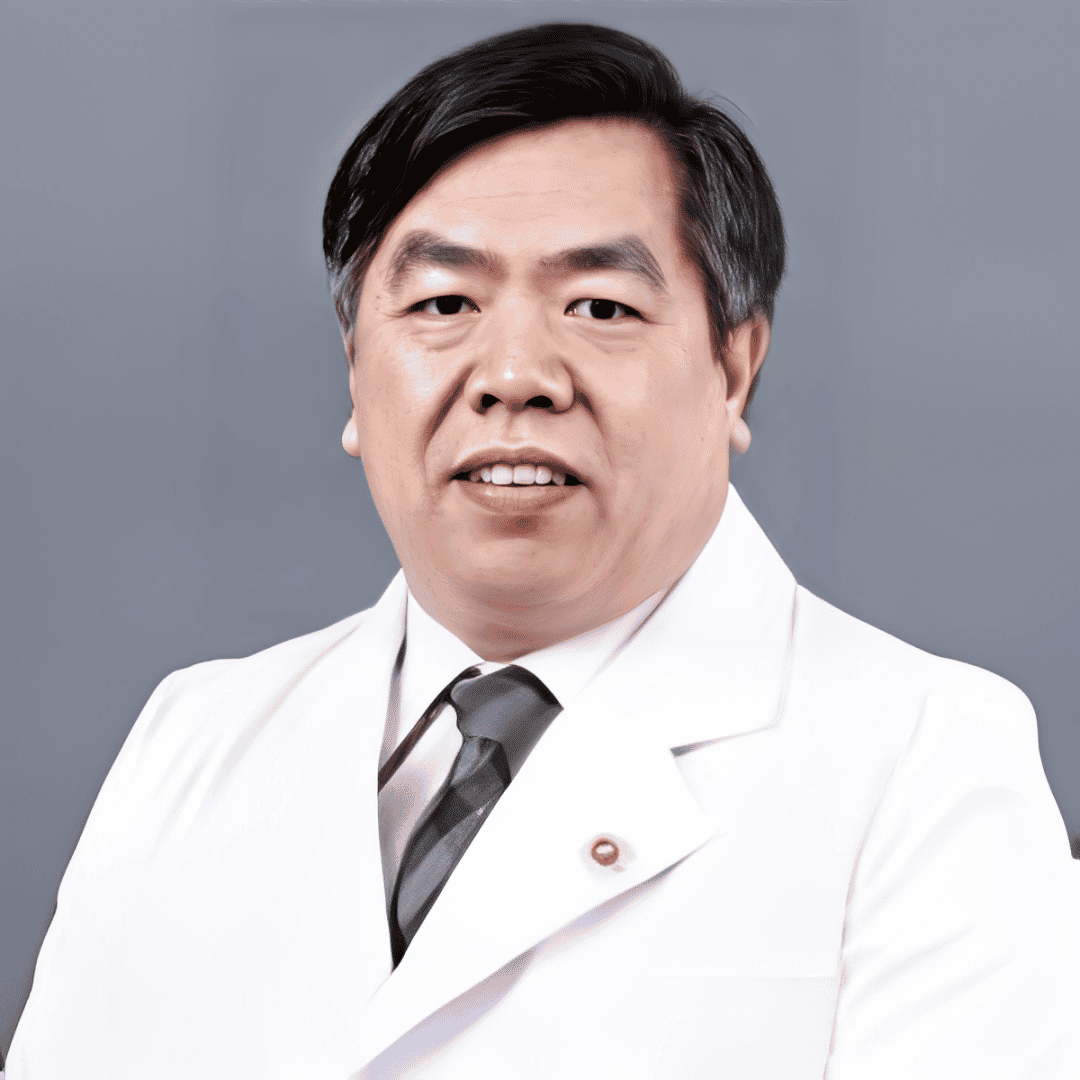
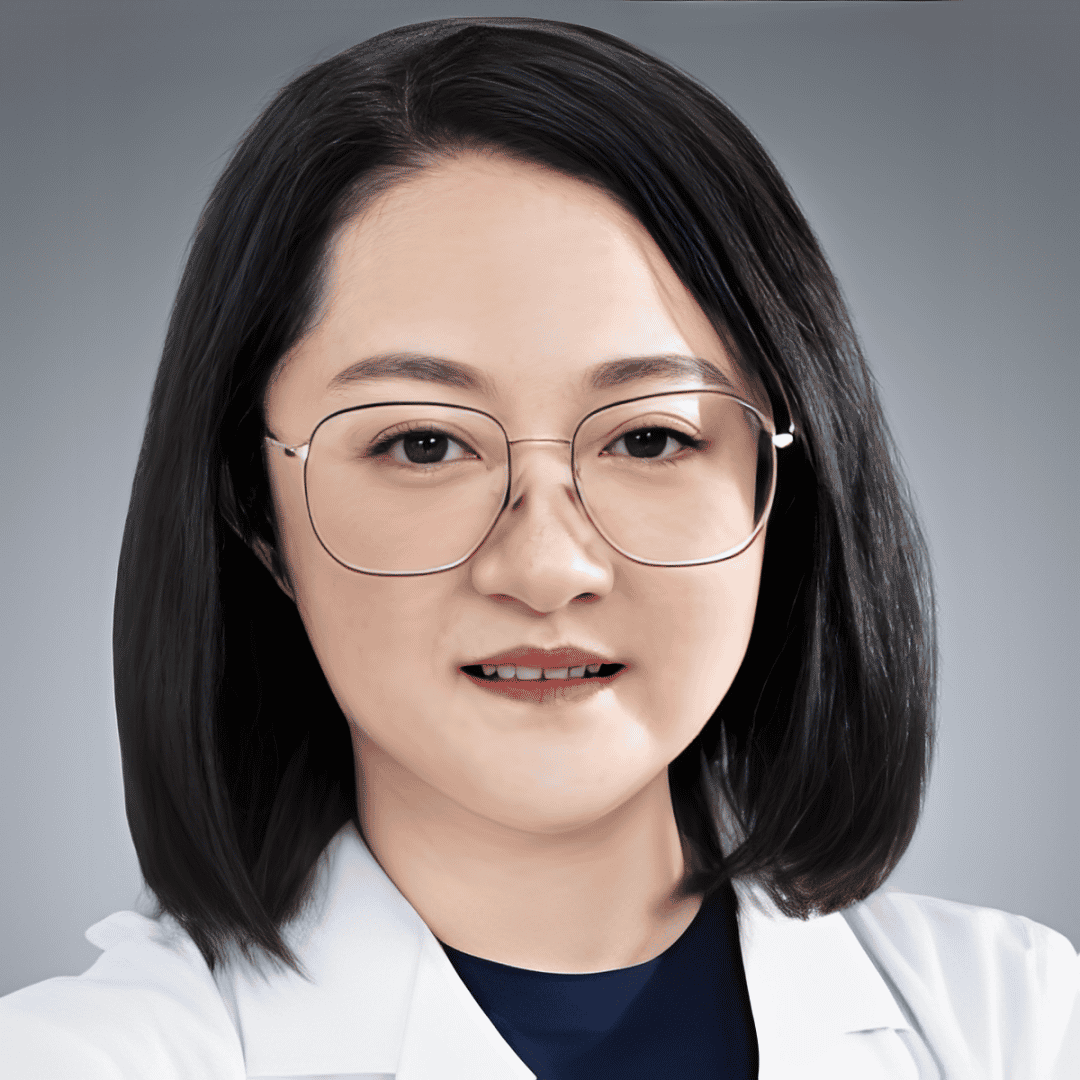
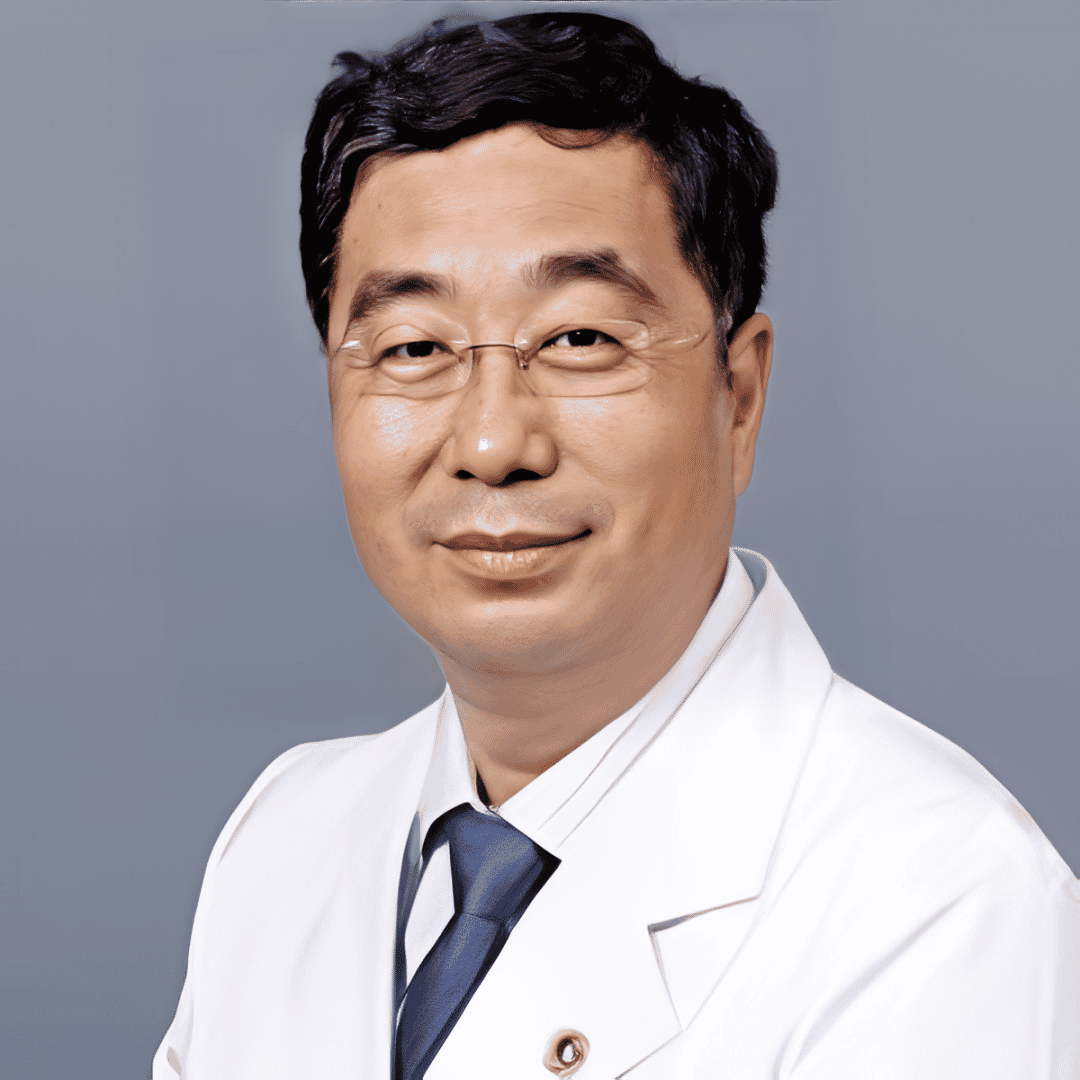
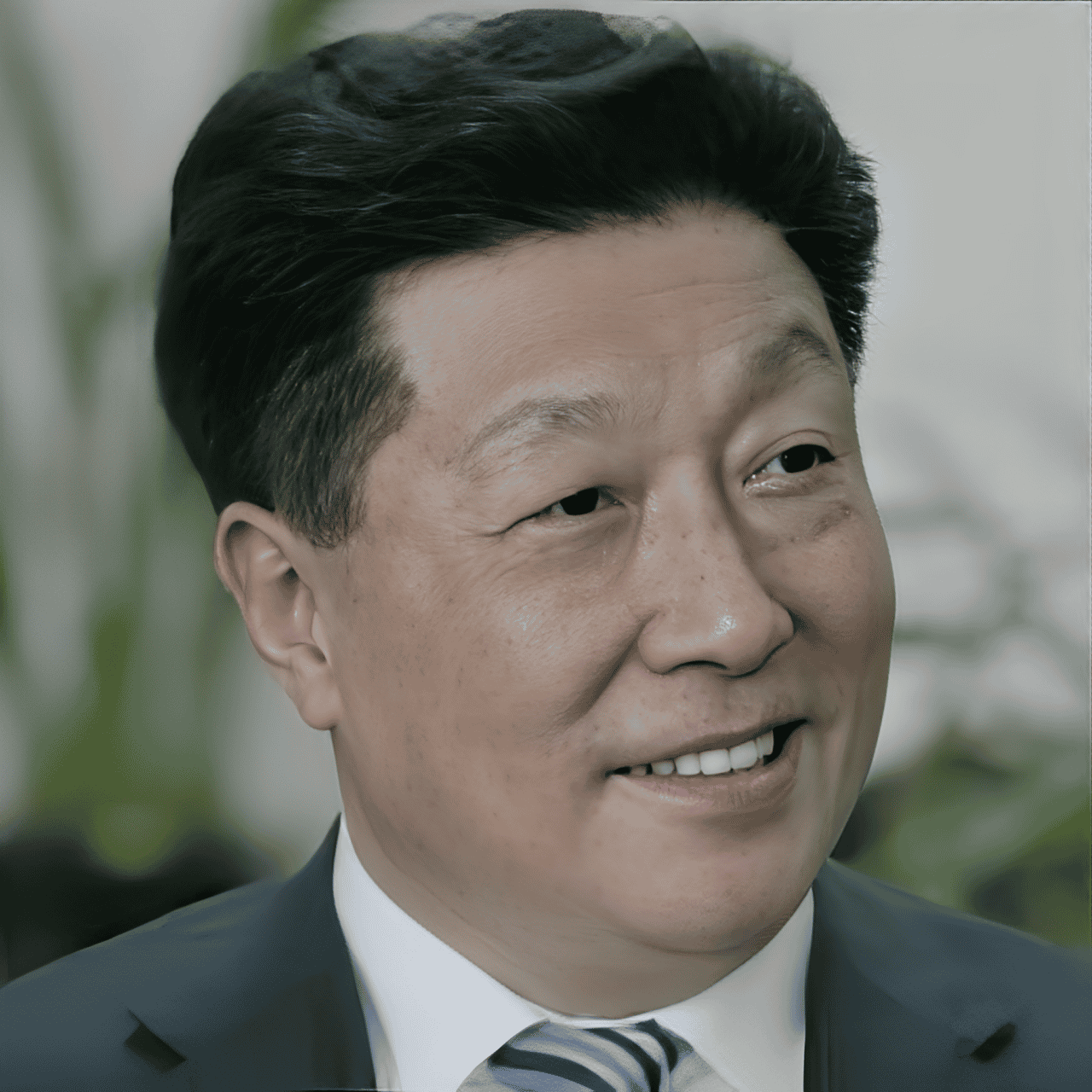
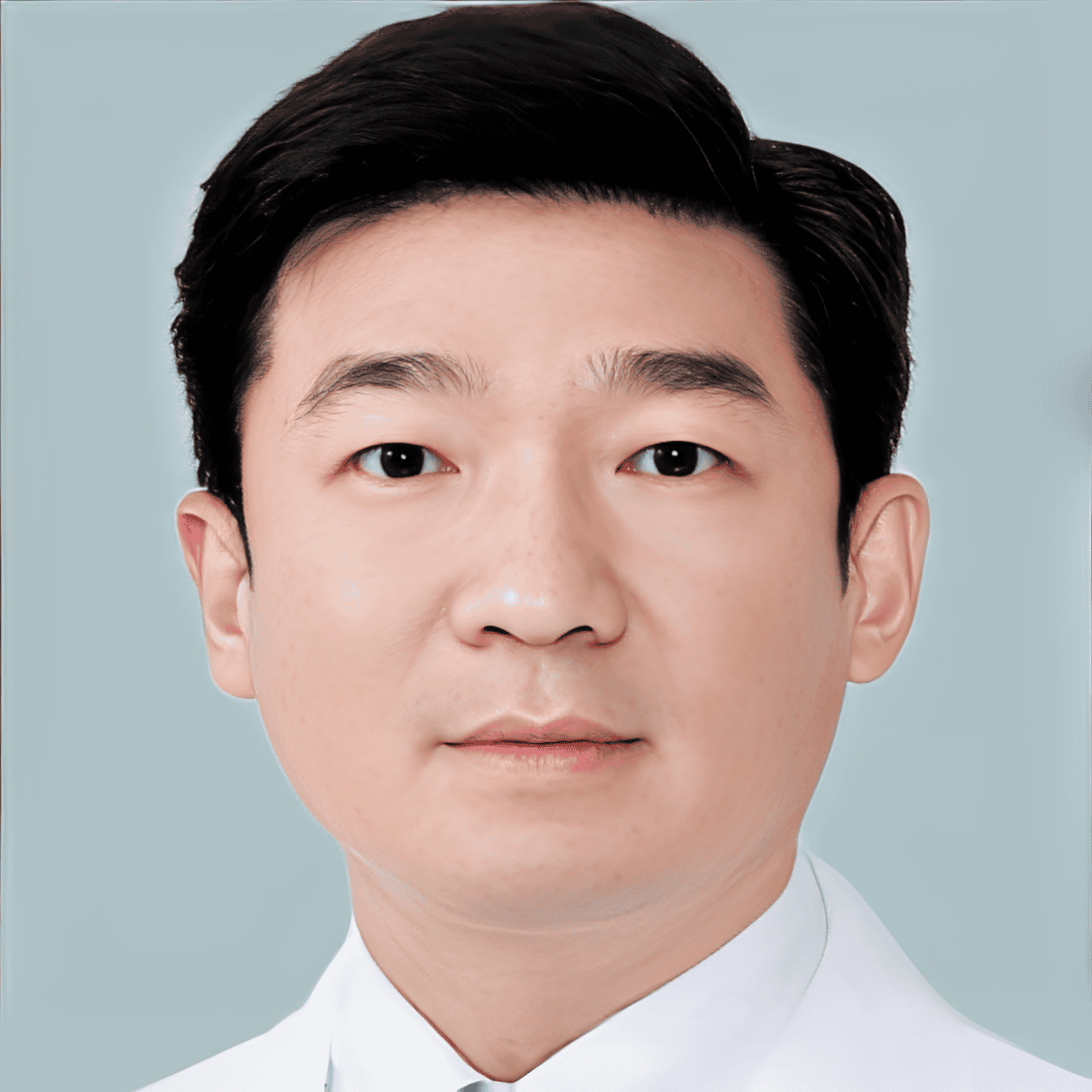
Your treatment is led by world-renowned hematologists who are pioneering the field of cellular immunotherapy. We have compiled a list of top-tier specialists in China who oversee major clinical trials and commercial treatments. These profiles highlight their research impact, clinical volume, and expertise in managing complex cases.
Leading Hematologist-Oncologists
Directors of Major CAR-T Centers
Our listed specialists often serve as Directors of Hematology at major institutions like the Beijing GoBroad Hospital or Lu Daopei Hospital. They have overseen hundreds of CAR-T infusions, giving them unparalleled experience in patient selection and the management of complications, ensuring the highest safety standards.
Cellular Therapy Researchers
Innovators of New Targets
These doctors are also principal investigators in groundbreaking clinical trials. They are the scientists expanding the boundaries of CAR-T, developing new therapies for relapsed AML or solid tumors. Their dual role as clinician-scientists means you have access to the absolute latest experimental protocols.
Pediatric Specialists
Experts in Childhood Leukemia
China has a strong network of pediatric hematologists specializing in CAR-T for children. These specialists understand the unique physiological and emotional needs of young patients, providing a compassionate, family-centered environment for treating refractory pediatric leukemia.

Unmatched Affordability
The primary driver is cost. China's domestic manufacturing capabilities allow it to produce CAR-T cells at a fraction of the cost of Western pharmaceutical giants.
This makes a potentially curative treatment financially viable for families who cannot afford the $400,000+ price tags in the US or Europe.
Access to Innovation
China is often the "last hope" for patients who have relapsed after standard CAR-T. The availability of trials for new targets (like CD22 or CD20) offers a second chance that simply isn't available elsewhere.
The regulatory environment allows for faster initiation of trials, getting novel therapies to patients quicker.
Experience & Volume
Chinese centers treat a massive volume of patients. This high throughput means doctors and nurses are experts in recognizing and managing complications like Cytokine Release Syndrome.
This deep clinical experience translates to safer procedures and better management of the delicate post-infusion period.
Start Your CAR-T Therapy Journey in China with Confidence!
How Can PlacidWay Assist With My CAR-T Therapy in China?
Accessing advanced cancer care in China requires navigating a complex medical system and language barriers. PlacidWay acts as your bridge to the country's top hematology centers, handling the vetting, communication, and logistics to ensure you reach the right trial or treatment.
Trial Matching
We help identify appropriate clinical trials or commercial treatments based on your specific biomarkers and disease history, connecting you with the right principal investigators.
Medical Translation
We facilitate the translation of your medical records into Chinese for review by the hospital team, ensuring an accurate assessment of your eligibility.
Visa Support
We coordinate with the hospital to provide the necessary medical invitation letters required to secure an expedited medical visa for you and a caregiver.
Cost Transparency
We provide clear estimates for treatment, hospitalization, and ancillary costs, helping you budget for the entire 4-6 week stay without surprises.
Logistics Management
From airport pickups to finding long-term accommodation near the hospital for your family, we assist with the practical details of living in China during treatment.
Communication Bridge
We act as a communication bridge, ensuring your questions are answered by the medical team and you are kept informed at every step of the process.
Don't give up hope. Contact PlacidWay today for a free evaluation and explore how CAR-T therapy in China could offer a new lease on life.
Get Your Free Personalized Quote

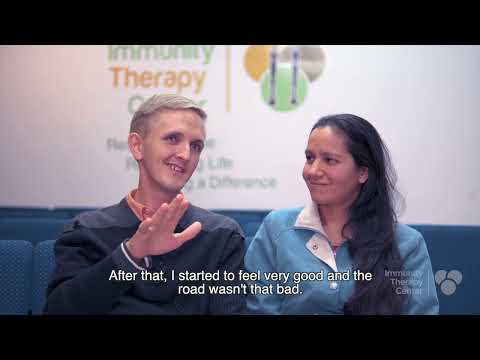



.png)








Share this listing