
CAR-T Cell Therapy for Leukemia in Saudi Arabia Success Story at KFSHRC
A pediatric cancer diagnosis brings immense emotional and physical trials to patients and their families, requiring ground-breaking oncological breakthroughs to rewrite prognoses. When conventional treatments reach their limits, advanced cellular immunotherapies offer new hope for long-term survival and complete disease remission. The evolution of pediatric hematology has transformed how complex blood cancers are managed in specialized medical centers across the globe.
In this detailed patient case overview, we explore the inspiring journey of Ahmed Al Mashekh, who received groundbreaking care at KFSHRC in Riyadh, Saudi Arabia. Through cutting-edge cellular engineering and dedicated multidisciplinary support, young patients with aggressive blood malignancies are given a second chance at life. This narrative highlights the triumphs of specialized oncological care, the pioneering implementation of CAR-T Cell Therapy in Saudi Arabia, and the exceptional medical milestones achieved within the region.
Video Chapters & Quick Navigation
Childhood Diagnosis and Early Pediatric Oncology Care
Acute lymphoblastic leukemia represents one of the most common pediatric malignancies, demanding rapid medical intervention and specialized long-term therapeutic oversight. When young patients receive their initial diagnoses, comprehensive care protocols must balance aggressive tumor eradication with the preservation of overall growth and developmental well-being.
As documented in the clinical testimonial at [00:13], Ahmed Al Mashekh was diagnosed with acute lymphoblastic leukemia (ALL) during childhood. His initial treatments were expertly coordinated and administered by dedicated specialists within the pediatric department, laying the groundwork for his subsequent medical milestones.
Pioneering CAR-T Cell Treatment Milestones
Cellular immunotherapy represents a paradigm shift in modern oncology, utilizing genetically modified T cells to recognize and destroy malignant cells with pinpoint precision. Institutional dedication to clinical innovation enables prominent medical centers to offer advanced treatments that were previously unavailable in domestic healthcare markets.
As highlighted at [00:21], Ahmed achieved a historic milestone by becoming the very first patient to receive specialized cellular therapy at the King Faisal Specialist Hospital and Research Centre, demonstrating the institution's premier status in regional hematological care.
Managing Disease Relapse with Targeted Immunotherapy
Navigating cancer recurrence requires immense clinical adaptability, as multidisciplinary teams must quickly adjust therapeutic strategies when an aggressive tumor returns. Combining systemic chemotherapy with advanced biological agents provides a robust framework to suppress resistant malignant cells.
As noted at [00:27], two years following his initial care, the disease unfortunately relapsed, prompting the medical team to initiate a rigorous regimen of chemotherapy followed by targeted Immunotherapy in Saudi Arabia to regain disease control.
Core Pillars of Advanced Relapse Management
- Rapid diagnostic surveillance and molecular monitoring to detect early disease recurrence.
- Customized multi-agent chemotherapy protocols designed to reduce tumor burden.
- Integration of cutting-edge biological immunotherapy agents for precision targeting.
- Multidisciplinary case reviews to determine optimal consolidation pathways.
- Comprehensive supportive care addressing treatment-related toxicities and nutritional needs.
Donor Stem Cell Transplantation and Complete Response
Following successful disease suppression via immunotherapy, consolidation procedures such as hematopoietic stem cell transplantation are frequently utilized to rebuild a healthy, cancer-free immune system. Donor stem cell infusions provide the ultimate defense against long-term hematological malignancy recurrence.
As detailed at [00:34], after achieving a complete response to immunotherapy, the medical team successfully performed a stem cell transplant utilizing healthy donor cells, establishing a clean immunological slate for the young patient.
Achieving Complete Remission and Disease Freedom
Reaching complete clinical remission represents a monumental victory for patients, families, and treating physicians alike. Gradual tapering of immunosuppressive medications marks a critical transition from intensive clinical management to active life recovery.
As reported at [00:40], Ahmed is currently in complete remission and entirely free of disease. Following the discontinuation of his immunosuppressive medications, families seeking similar world-class interventions frequently evaluate comprehensive Leukemia Treatment in Saudi Arabia.
Key Factors Influencing Long-Term Hematological Recovery
- Timely access to specialized tertiary cancer centers equipped with cellular laboratories.
- Precise matching and execution of hematopoietic stem cell transplantation.
- Careful tapering and management of post-transplant immunosuppressive medications.
- Rigorous long-term oncological surveillance and follow-up clinical appointments.
- Strong psychological and educational support ensuring seamless social reintegration.
Invaluable Family Support and Parental Dedication
The psychological weight of battling a severe pediatric illness is significantly lightened when families maintain unwavering involvement throughout every phase of treatment. Parental advocacy and active collaboration with medical staff play an indispensable role in patient compliance and emotional strength.
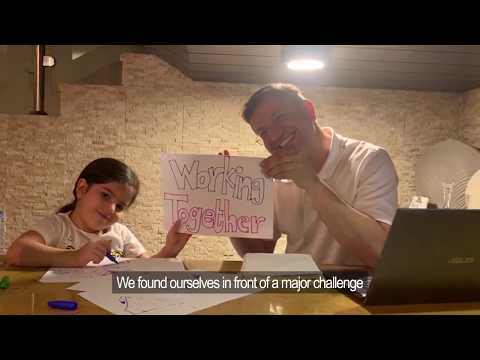
As highlighted emotionally at [00:49], Ahmed's family—particularly his father—provided exceptional support throughout the ordeal. When care transitioned from pediatric wards to advanced specialist teams, parental involvement remained a cornerstone of his successful recovery.
Essential Elements of Pediatric Patient Support Systems
- Active parental participation in daily hospital care and milestone discussions.
- Comprehensive psychological counseling for pediatric patients and their relatives.
- Transparent communication channels between medical specialists and family caregivers.
- Community and institutional support networks easing long hospital stays.
- Encouragement of normalcy and educational continuity during recovery periods.
Return to School and Excellent Health
The ultimate milestone of successful pediatric oncology treatment is the resumption of normal childhood activities, including academic attendance, social engagement, and physical recreation. Restoring health allows young survivors to reclaim their futures with renewed enthusiasm and vigor.
As noted at [00:45], Ahmed has successfully returned to school, enjoying excellent health and demonstrating that advanced medical interventions can restore a vibrant, active childhood.
Closing Chapters and Future Outlook
As reflected by the clinical team, confronting a major illness involves learning to integrate the experience as a distinct chapter in life that eventually reaches a triumphant close upon recovery. Ahmed's complete recovery stands as a beacon of hope for pediatric cancer patients worldwide.
Explore CAR-T Cell Therapy for Leukemia in Saudi Arabia
PlacidWay Medical Tourism helps patients connect with leading oncology hospitals and specialized Leukemia Treatment in Saudi Arabia and globally. Let our expert team guide you toward exceptional medical solutions tailored to your unique healthcare needs.
GET A FREE QUOTE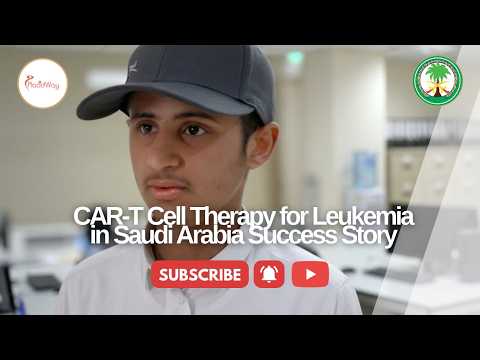
















Share this listing