

The global landscape of oncology is rapidly shifting, with advanced Multiple Myeloma CAR-T Therapy in China emerging as a beacon of hope for international patients. Multiple myeloma, a complex cancer of plasma cells, historically presented immense treatment challenges once standard therapies failed. Today, Chimeric Antigen Receptor T-cell (CAR-T) therapy represents a groundbreaking immunological approach, reprogramming a patient's own immune cells to seek and destroy cancer cells. China has heavily invested in biopharmaceutical research, quickly positioning itself alongside Western nations in providing this innovative cellular therapy.
For international patients, particularly from neighboring countries, navigating the complexities of advanced cancer treatments requires finding reliable and accessible options. The rise of medical tourism in China has been significantly fueled by the country's rapid implementation of CAR-T cell clinical pathways. The convergence of cutting-edge technology, rigorous scientific research, and extensive clinical application makes understanding this ecosystem vital for patients exploring cross-border healthcare solutions. The combination of medical expertise and specialized infrastructure is drawing attention globally.
China currently conducts more CAR-T clinical trials than any other country in the world, specifically focusing on complex hematological malignancies like multiple myeloma.
Why South Koreans Choose Medical Tourism in China for Cancer Care
In recent years, an increasing number of individuals from South Korea have begun exploring CAR-T clinics in China for their critical cancer care. South Korea possesses a highly advanced healthcare system; however, the regulatory approval processes for novel cellular therapies can sometimes cause delays in widespread accessibility. Consequently, patients facing relapsed or refractory multiple myeloma often find themselves racing against time. The geographical proximity between the two nations makes cross-border medical travel highly practical and less physically taxing for immunocompromised patients.
Beyond geographical convenience, the cultural familiarities and establishing of robust international patient departments have smoothed the transition for South Koreans. Medical facilities in major Chinese metropolises have adapted their services to cater to this specific demographic, offering localized language support and streamlined patient coordination. Choosing to pursue cancer treatment abroad is a monumental decision, and the comprehensive support systems established within China's top medical hubs have made this path significantly more viable. Patients are drawn to the combination of rapid access and high-level medical infrastructure.
- Shorter wait times for specialized cellular therapies.
- Close geographical proximity, meaning short-haul flights.
- Dedicated international patient centers with Korean translation services.
- Access to next-generation therapies targeting BCMA (B-cell maturation antigen).
The flight time between Seoul and major Chinese medical hubs like Beijing or Shanghai is typically under two hours, minimizing travel fatigue for oncology patients.
The Science Behind CAR-T Cell Therapy for Multiple Myeloma in China
The scientific foundation of advanced Multiple Myeloma CAR-T Therapy in China relies on highly sophisticated genetic engineering. The process begins with leukapheresis, where a patient's T-cells are extracted from their blood. These cells are then transported to a state-of-the-art laboratory where they are genetically modified to express chimeric antigen receptors on their surface. For multiple myeloma, these receptors are typically engineered to target BCMA, a protein predominantly found on malignant plasma cells. This specific targeting allows the immune system to recognize what it previously ignored.
Once the modification is complete, these newly weaponized cells are multiplied into the millions before being infused back into the patient's bloodstream. Chinese biopharmaceutical labs utilize rigorous quality control measures during this expansion phase to ensure cell viability and potency. The speed and efficiency of this manufacturing process in Chinese laboratories are often cited as major advantages. By streamlining the cell production phase, patients can move from cell collection to life-saving infusion more rapidly, a critical factor for aggressive forms of multiple myeloma.
- Extraction: Collecting the patient's own immune cells safely.
- Modification: Engineering T-cells to specifically hunt BCMA proteins.
- Multiplication: Growing millions of robust, targeted cancer-fighting cells.
- Eradication: Reintroducing cells to systematically attack the myeloma.
Affordable Multiple Myeloma CAR-T Therapy Cost in China Compared to South Korea
One of the most compelling factors driving this medical migration is the highly affordable CAR-T cell therapy in China. In many developed nations, including South Korea and the United States, the commercial cost of customized cellular therapies can be prohibitively expensive, often placing an insurmountable financial burden on families. The cost structures in China are fundamentally different, driven by domestic biotechnology manufacturing, localized supply chains, and strong governmental support for biomedical innovation. This allows for premium treatments to be delivered at a fraction of the global average cost.
When analyzing the CAR-T therapy cost in China, patients must consider the comprehensive package, which usually includes leukapheresis, cell modification, hospital stay, and critical care monitoring. While prices remain substantial, they present a viable alternative for patients who have exhausted local insurance caps or face out-of-pocket expenses in their home countries. The transparent pricing models adopted by top international facilities help families plan effectively. Below is a realistic comparison of anticipated costs for this complex treatment pathway.
| Procedure / Treatment Phase | Average Cost in China (USD) | Average Cost in South Korea (USD) |
|---|---|---|
| CAR-T Cell Manufacturing & Infusion | $40,000 - $65,000 | $250,000 - $350,000 |
| Pre-treatment Conditioning Chemotherapy | $2,000 - $4,000 | $8,000 - $15,000 |
| Hospital Stay & Intensive Care Monitoring | $5,000 - $10,000 | $15,000 - $30,000 |
| Estimated Total Comprehensive Cost | $47,000 - $79,000 | $273,000 - $395,000 |
Always request a highly itemized financial estimate from your chosen international facility to understand exactly what complications, extended ICU stays, or follow-up medications are included.
Preparing for Your Multiple Myeloma CAR-T Therapy in China
Thorough preparation is paramount when organizing medical tourism for cancer treatment in China. Prior to traveling, prospective patients must undergo extensive evaluations to determine if their specific biological markers align with the therapy's requirements. This typically involves transferring comprehensive medical histories, pathology reports, and recent imaging directly to the specialists in China. A collaborative dialogue between a patient's primary oncologist in South Korea and the receiving medical team is essential to ensure continuity of care.
Once accepted for the procedure, patients must focus on physical and logistical readiness. Managing an underlying disease like multiple myeloma often leaves patients fatigued; therefore, optimizing nutrition and physical health before travel is highly recommended. Logistically, families must arrange for long-term stays, as the entire process from cell collection to the end of the critical monitoring phase generally takes several weeks. Establishing a reliable support network to accompany the patient is a crucial step in this demanding journey.
- Consolidate and translate all recent medical records and blood panels.
- Coordinate closely with your local South Korean hematologist.
- Prepare for an extended stay of up to 6 to 8 weeks.
- Ensure you have a dedicated companion or family member for daily support.
Never pause or alter your current chemotherapy or medication regimen without explicit, documented instructions from both your local oncologist and your international medical team.
What to Expect During CAR-T Cell Treatment in China
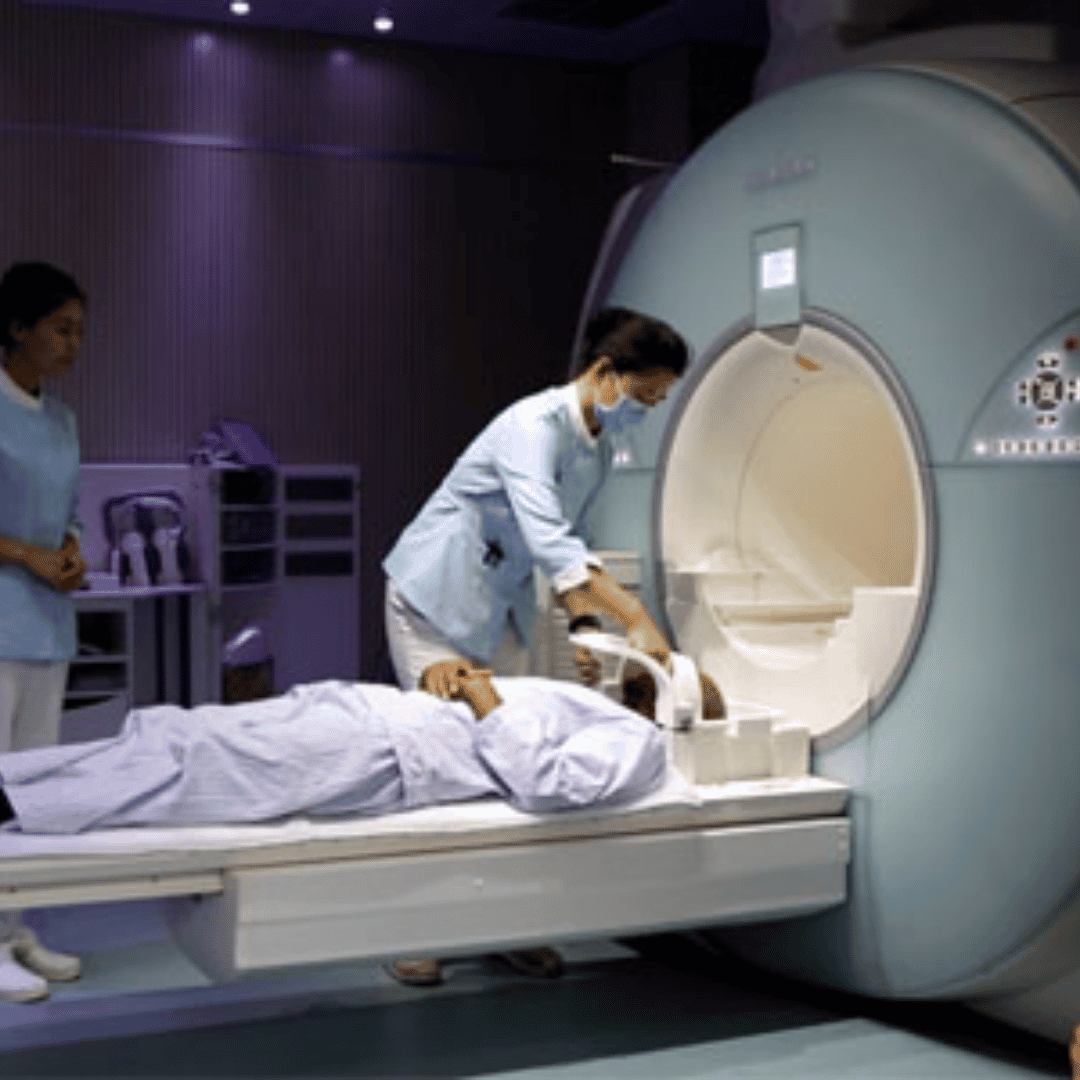
Upon arriving at specialized CAR-T clinics in China, patients are immediately integrated into a highly structured clinical pathway. The first major milestone is leukapheresis, an outpatient procedure that typically takes several hours to filter T-cells from the blood. After collection, patients enter a waiting period of two to four weeks while their cells are engineered in the laboratory. During this time, they generally remain in the city, engaging in light activities and attending routine outpatient check-ups to monitor their baseline health.
A few days prior to the infusion of the modified cells, the patient will undergo "lymphodepleting" chemotherapy. This conditioning phase is designed to create a welcoming environment within the immune system for the new CAR-T cells to multiply without resistance. Finally, the infusion itself is a relatively quick process, often compared to a standard blood transfusion. However, the true intensity of the treatment begins post-infusion, as the engineered cells actively engage the myeloma cells, triggering a powerful systemic immune response.
- Initial Assessment: Comprehensive bloodwork and physical evaluations upon arrival.
- Cell Harvesting: The painless but lengthy process of drawing and filtering blood.
- Conditioning Therapy: Short-term, low-dose chemotherapy to prepare the body.
- Cellular Infusion: The reintroduction of the modified, cancer-fighting T-cells.
Recovery and Aftercare for Multiple Myeloma CAR-T Therapy in China
The post-infusion recovery period is the most critical phase of advanced Multiple Myeloma CAR-T Therapy in China. Patients are typically required to stay within close proximity to the hospital, and often in specialized inpatient units, for two to three weeks immediately following the procedure. This strict observation period is vital because the immune system's attack on the cancer cells can trigger profound, rapid-onset physiological reactions. Continuous, around-the-clock monitoring by experienced hematological nurses and doctors ensures that any complications are addressed immediately.
As the initial acute risk window closes, patients are gradually transitioned to outpatient monitoring before being cleared to return to South Korea. The international patient care teams assist in compiling a highly detailed discharge summary, complete with specific guidelines for the patient's local medical providers. Long-term aftercare requires diligence; patients must generally undergo regular immunoglobulin testing, bone marrow biopsies, and imaging over the subsequent months and years to track the sustained efficacy of the treatment.
Post-treatment recovery protocols in top Chinese oncology centers integrate advanced digital monitoring systems that track vital signs in real-time to detect adverse reactions early.
Success Rates and Statistics for CAR-T Therapy in China
Evaluating clinical data is essential when considering medical tourism for cancer treatment in China. Numerous published studies and trial results presented at international oncology conferences have highlighted the efficacy of China's BCMA-targeted therapies. While historical treatments for relapsed multiple myeloma yielded limited remissions, the integration of CAR-T has shown an unprecedented ability to drive deep responses. Data typically indicates that a significant majority of patients achieve an overall response, with many reaching stringent complete remission.
However, it is crucial to approach medical statistics with cautious optimism. Success rates can fluctuate based on a patient’s prior treatment history, overall tumor burden, and physical resilience. Chinese facilities continually refine their cellular constructs to improve long-term durability and prevent relapses. The sheer volume of patients treated within these high-capacity centers has provided Chinese oncologists with a profound depth of real-world data, ultimately refining patient selection and post-care management strategies.
Clinical trial data from leading institutions often report Overall Response Rates (ORR) exceeding 80% for heavily pre-treated multiple myeloma patients receiving BCMA CAR-T therapies.
More than half of the global CAR-T clinical trials registered in recent years have been conducted within China's rapidly expanding biopharmaceutical sector.
Risks and Considerations for Multiple Myeloma CAR-T Therapy in China
Transparency regarding the severe risks associated with this procedure is a hallmark of ethical CAR-T clinics in China. While the potential benefits are significant, the procedure typically involves distinct and sometimes life-threatening complications. Most patients experience Cytokine Release Syndrome (CRS), a systemic inflammatory response triggered by the rapid proliferation of active T-cells. Symptoms generally range from high fevers and severe muscle aches to more critical drops in blood pressure and respiratory distress, requiring immediate medical intervention.
Another profound risk is Immune Effector Cell-Associated Neurotoxicity Syndrome (ICANS), which can cause confusion, tremors, or severe cognitive impairments. Although these neurological effects are generally reversible with timely treatment, they demand highly experienced intensive care management. Furthermore, no facility can ever guarantee an absolute cure; some patients may face relapses if the myeloma mutates to hide its BCMA proteins. It is imperative that patients thoroughly weigh these risks alongside their oncologists before pursuing treatment.
- Cytokine Release Syndrome (CRS): The most common, potentially severe inflammatory response.
- Neurotoxicity (ICANS): Temporary but serious neurological and cognitive disruptions.
- Infection Vulnerability: Prolonged immune suppression requiring strict hygiene and isolation.
- Relapse Risk: The possibility of the cancer mutating and returning over time.
Ensure that the international hospital you select has a dedicated, specialized Intensive Care Unit (ICU) that is specifically trained to manage severe cases of CRS and neurotoxicity.
How to Select Top Multiple Myeloma CAR-T Clinics in China
Identifying the most reputable CAR-T clinics in China requires diligent research and an understanding of international healthcare accreditations. High-quality centers are usually affiliated with major medical universities and hold certifications from global bodies, such as the Joint Commission International (JCI). When evaluating a facility, prospective patients should inquire about the volume of CAR-T procedures performed annually. Experience matters immensely in cellular therapy; centers handling higher patient volumes typically possess better-equipped teams for managing severe complications.
Furthermore, evaluating the level of international patient support is critical for a smooth experience. The ideal facility will provide a dedicated care coordinator who speaks fluent Korean and can bridge the cultural and medical gaps. They should offer transparent communication regarding the origin of their cellular technology and their post-treatment care protocols. Patient decision-making should be grounded in the facility's verifiable scientific output, clinical infrastructure, and comprehensive patient care systems.
- Verify international accreditations and institutional affiliations.
- Inquire specifically about the hospital's experience with BCMA CAR-T for myeloma.
- Check the availability of native-speaking medical translators and coordinators.
- Assess the transparency of their clinical outcomes and risk disclosure protocols.
Legal and Visa Requirements for Medical Tourism in China
Navigating the administrative aspects of medical tourism in China is a fundamental part of the patient journey. South Korean citizens generally require a specialized medical visa (S2 visa for short-term medical treatment) to enter the country for healthcare purposes. Obtaining this visa necessitates a formal invitation letter from the receiving Chinese hospital, alongside detailed medical documentation proving the necessity of the trip. Patients must begin this administrative process well in advance to prevent any delays that could impact their treatment timeline.
In addition to visa processing, understanding the legalities of cross-border medical care is essential. Patients should ensure that all medical contracts, consent forms, and financial agreements are provided in translated formats. It is also advisable to review local insurance policies in South Korea to determine if any out-of-network or international emergency provisions apply during the stay. Maintaining organized, legally sound documentation protects the patient and ensures a frictionless entry and exit from the country.
Many top-tier medical facilities in China have dedicated liaison officers who work directly with embassies to expedite medical visa processing for urgent oncology cases.
Patient Stories and Experiences with CAR-T Therapy in China
Understanding the lived experiences of those who have undergone advanced Multiple Myeloma CAR-T Therapy in China provides invaluable emotional insight. Many South Korean patients have shared testimonials highlighting the balance between the intense physical demands of the treatment and the compassionate care provided by international medical teams. These narratives often underscore the importance of having a robust support system and the peace of mind that comes from clear, translated medical communication.
While every medical journey is deeply personal and outcomes vary significantly, these shared stories often reflect a common theme: the pursuit of advanced scientific options when local avenues were exhausted. Reading about others who have successfully navigated the logistical hurdles of medical travel, endured the rigorous conditioning, and managed the recovery phase can empower new patients to make informed, confident decisions about their healthcare.
A Journey from Seoul for Renewed Hope
After multiple relapses in South Korea, a 58-year-old patient opted for a specialized facility in Beijing. The comprehensive care and the translation support made the terrifying prospect of overseas treatment manageable, leading to a stringent monitoring period that was handled with utmost professionalism.
Overcoming the Language Barrier
A family traveling from Busan expressed immense relief regarding the international patient department in Shanghai. Having a Korean-speaking nurse dedicated to their case allowed them to understand complex concepts like CRS and effectively participate in daily medical decisions.
Navigating the Cost of Care
For a 62-year-old retired teacher, the transparent pricing structure in China was a pivotal factor. The highly affordable CAR-T cell therapy in China, compared to Western alternatives, allowed his family to access life-extending treatment without enduring devastating financial ruin.
The Reality of Recovery
A recent patient shared the stark reality of the post-infusion recovery phase, noting the intense fever and fatigue they experienced. However, they praised the swift, protocol-driven response of the ICU team, which safely guided them through the critical two-week window.
Future of Advanced Multiple Myeloma Treatment in China
The trajectory of medical tourism in China suggests continuous, rapid evolution in the field of cellular immunology. Chinese researchers are not resting on the current successes of BCMA-targeted therapies; instead, they are pioneering multi-target CAR-T cells designed to prevent tumor escape mechanisms. By targeting multiple proteins simultaneously, the scientific community hopes to create treatments with even greater durability and lower relapse rates for multiple myeloma patients.
Furthermore, the development of "off-the-shelf" allogeneic CAR-T therapies is a major focus within Chinese biotech hubs. If successful, these therapies could eliminate the lengthy personalized manufacturing process, allowing patients to receive immediate treatment upon arrival. As these innovations transition from clinical trials to standard care, China will likely cement its status as a premier, accessible destination for international patients seeking the absolute forefront of oncological science.
Researchers in China are actively developing "dual-target" CAR-T therapies that hunt both BCMA and CD38 proteins simultaneously to reduce the chances of multiple myeloma relapsing.
How PlacidWay Assists Your Multiple Myeloma CAR-T Therapy Medical Tourism Journey in China
Embarking on a complex medical journey across international borders can feel overwhelming, especially when managing a serious diagnosis. PlacidWay serves as a crucial bridge, connecting South Korean patients with world-class healthcare providers offering advanced Multiple Myeloma CAR-T Therapy in China. We focus on providing comprehensive, value-driven guidance to ensure you make highly informed choices regarding your health.
Our goal is to streamline the intricate process of medical tourism, allowing you and your family to focus solely on treatment and recovery. By leveraging our global network, we facilitate seamless introductions to rigorously vetted medical institutions that adhere to high international standards of care.
- Facilitating direct communication with accredited international oncology centers.
- Assisting with the secure transfer of complex medical records and diagnostic imaging.
- Providing transparent access to detailed provider profiles, credentials, and facility data.
- Guiding patients through the administrative requirements for international medical consultations.
- Offering a comprehensive platform to compare specialized treatment pathways and options globally.
Frequently Asked Questions
Why are South Koreans traveling to China for Multiple Myeloma CAR-T Therapy?
Many South Koreans choose China due to the widespread availability of advanced CAR-T clinical pathways, shorter wait times, and significantly lower costs compared to domestic options. The geographical proximity also makes travel less physically demanding for patients.
What is the average Multiple Myeloma CAR-T therapy cost in China?
The cost of CAR-T cell therapy in China typically ranges from $40,000 to $70,000. This is considerably more affordable than the average costs found in South Korea or Western countries, which can exceed $350,000.
How long does a patient need to stay in China for this treatment?
Patients generally need to remain in China for 4 to 8 weeks. This timeframe accounts for the initial evaluation, cell extraction, the manufacturing period, the infusion, and the critical post-infusion monitoring phase.
Do South Korean citizens need a medical visa for China?
Yes, South Korean patients typically require a specific visa for medical treatment in China. It is highly recommended to secure the proper documentation with the assistance of the receiving healthcare facility.
Is it safe to undergo CAR-T therapy in China?
China has made massive advancements in biotechnology and hosts numerous internationally accredited facilities. However, patients must conduct thorough research to select highly reputable CAR-T clinics in China that adhere to strict global safety standards.
What are the common side effects of CAR-T therapy?
Most patients experience some side effects, which generally include Cytokine Release Syndrome (CRS) and neurotoxicity. These require careful management by an experienced oncological team in an intensive care setting.
Can I bring a family member with me to China?
Yes, having a support person is highly encouraged and often necessary during the recovery phase. Companions will also need to arrange appropriate visas and prepare for an extended stay in the country.
How do CAR-T clinics in China communicate with foreign patients?
Top-tier international hospitals in China typically provide dedicated interpretation and translation services. They often employ multilingual staff to ensure clear communication with South Korean patients regarding complex medical information.
Are the results of CAR-T therapy guaranteed?
No medical procedure can guarantee results, and outcomes for multiple myeloma treatments vary widely. Patients should consult closely with their oncologists to understand realistic expectations based on their specific health profile.
How do I follow up with my care after returning to South Korea?
Prior to returning home, your medical team in China will provide detailed medical records and follow-up protocols. Patients generally coordinate with their local oncologists in South Korea for ongoing monitoring and routine blood tests.
Ready to explore advanced treatment options? Contact PlacidWay today to begin your medical journey safely and confidently.
References:
- American Cancer Society. Treating Multiple Myeloma. https://www.cancer.org/cancer/multiple-myeloma/treating.html
- National Center for Biotechnology Information (NCBI). The rapid development of CAR-T cell therapy in China. https://pmc.ncbi.nlm.nih.gov/articles/PMC8115146/
- Nature. Chimeric antigen receptor T cell therapies for multiple myeloma. https://www.nature.com/articles/s41408-024-01191-8
- ClinicalTrials.gov. Search for BCMA CAR-T Multiple Myeloma trials. https://clinicaltrials.gov/search?cond=Multiple%20Myeloma&term=CAR-T&locStr=China
- The Lancet Haematology. CAR T-cell therapy in multiple myeloma: current limitations and future strategies. https://www.thelancet.com/journals/lanhae/article/PIIS2352-3026(20)30282-4/fulltext




.png)
.png)






.png)









Share this listing