


Exploring NK Cell Therapy Cost in China: Comprehensive Insights and Hospital Analysis
Facing a severe oncological diagnosis is daunting, and exploring cutting-edge cellular treatments often comes with an overwhelming financial burden in Western countries. However, exploring NK cell therapy cost in China reveals a beacon of hope for international patients seeking advanced, life-saving alternatives. By leveraging progressive immunotherapy at a fraction of standard international prices, top Chinese medical centers are radically redefining global medical tourism for oncology.
Today, patients do not have to choose between their life savings and their health. Why pay exorbitant local prices when you can access affordable natural killer cell cancer treatment in world-class, internationally accredited Asian facilities? Watch to discover how leading researchers and clinicians are seamlessly merging technological innovation with compassionate, highly effective medical care.
Video Chapters & Quick Navigation
The landscape of global oncology is undergoing a dramatic paradigm shift. Patients from North America, Europe, and the Middle East are increasingly looking beyond their borders to access innovative cellular therapies that are either unavailable or prohibitively expensive in their home nations. As highlighted at in our detailed video analysis, China has rapidly emerged as a dominant force in regenerative medicine and cancer immunotherapy.
This surge in medical travel is not solely driven by desperation; it is driven by data, clinical outcomes, and remarkable financial accessibility. The development of specialized medical zones in China has created an ecosystem where high-volume clinical applications drive down the overall cost of targeted cancer therapy abroad, allowing patients to focus entirely on healing.
Understanding the Science Behind Natural Killer Cell Immunotherapy
To truly appreciate the value of these international medical packages, one must first grasp the profound biological mechanisms at play. Natural Killer (NK) cells are the unsung heroes of the human innate immune system. Unlike T-cells, which require prior sensitization to specific tumor antigens, NK cells possess the unique, intrinsic ability to identify and destroy malignant cells immediately upon contact.
The Biological Mechanism of Action
When healthy, your immune system patrols the body looking for cellular abnormalities. Malignant tumor cells often attempt to evade detection by downregulating MHC class I molecules on their surface. As explained around , NK cells are biologically programmed to detect this exact "missing self" signal. Once an abnormal cell is identified, the NK cell releases cytotoxic granules containing perforin and granzymes, effectively inducing cellular apoptosis (programmed cell death) in the cancer.
However, in cancer patients, the native population of NK cells is often depleted, suppressed, or functionally exhausted by the aggressive tumor microenvironment. NK cell therapy involves extracting, expanding, and hyper-activating these cells in a state-of-the-art laboratory before reinfusing them into the patient in massive, therapeutically viable numbers.
The Unbearable Financial Burden of Modern Cancer Treatments
The primary catalyst driving patients to seek affordable NK cell therapy in Chinese hospitals is the crippling phenomenon known as "financial toxicity." In the United States and the United Kingdom, newly developed immunotherapies—such as CAR-T cell therapy or advanced checkpoint inhibitors—can easily exceed hundreds of thousands of dollars.
Healthcare Gaps and Insurance Denials
Insurance companies frequently deny coverage for therapies they deem "experimental," despite robust international clinical data supporting their efficacy. As discussed at , many patients are forced into medical bankruptcy simply trying to extend their lives. The astronomical pricing in Western healthcare systems is often attributed to prolonged FDA approval processes, massive pharmaceutical monopolies, and highly inflated hospital administration fees.
This creates a heartbreaking scenario where life-saving science exists, but it remains locked behind an insurmountable paywall. Consequently, the pursuit of best medical centers for immunotherapy in China is a pragmatic, life-affirming decision for thousands of families worldwide.
Comprehensive Breakdown: NK Cell Therapy Cost in China
Why are prices so drastically different across the Pacific? The Chinese government has heavily subsidized its biotechnology sector, specifically aiming to become the global leader in cellular and genetic medicine. By creating fast-tracked regulatory pathways for scientifically proven therapies, Chinese medical institutions avoid the decades of red tape that inflate Western medical costs.
When analyzing the cost of targeted cancer therapy abroad, China consistently ranks as the most economically viable destination without sacrificing clinical standards. The cost savings are not achieved through inferior technology; rather, they are a byproduct of streamlined clinical implementation and robust government investment in public health infrastructure.
| Treatment Phase / Component | Estimated Cost in US/Europe (USD) | Estimated Cost in China (USD) |
|---|---|---|
| Initial Diagnostic Workup & Scans | $5,000 - $12,000 | $800 - $2,000 |
| Cell Apheresis & Laboratory Expansion | $40,000 - $80,000 | $8,000 - $15,000 |
| NK Cell Infusion Cycles (Per Cycle) | $30,000 - $50,000 | $5,000 - $10,000 |
| Hospital Stay & Comprehensive Care | $3,000 - $5,000 per day | $200 - $500 per day |
| Total Estimated Package | $100,000 - $250,000+ | $15,000 - $35,000 |
As noted at , even when factoring in the cost of international business-class flights, extended hotel stays, and professional medical translation services, the total expenditure in China remains a mere fraction of domestic healthcare quotes.
Evaluating Top Hospitals for Immunotherapy in China
Choosing the right facility is just as critical as choosing the right treatment. China hosts several specialized oncology centers that cater explicitly to international medical tourists. These hospitals are equipped with specialized international departments, English-speaking staff, and VIP patient wards designed to provide maximum comfort during rigorous cancer therapies.
The Boao Lecheng International Medical Tourism Pilot Zone
Located in Hainan Province, the Boao Lecheng pilot zone is a revolutionary medical hub. The Chinese government has granted this specific zone special privileges to import internationally approved drugs and medical devices that have not yet cleared full national registration. This makes it a premier destination for stem cell and NK cell clinics. The tropical environment also provides a serene, stress-free backdrop essential for immunological recovery.
Fuda Cancer Hospital (Guangzhou)
Fuda Cancer Hospital is globally recognized for its integrative approach to oncology. Affiliated with Jinan University, Fuda has treated thousands of international patients from over 100 different countries. They are pioneers in combining minimally invasive procedures, like cryosurgical ablation, with advanced cellular immunotherapies. Their laboratories maintain stringent Joint Commission International (JCI) accreditation standards.
Beijing and Shanghai Research Institutes
For patients seeking access to cutting-edge clinical trials, the major metropolitan hubs of Beijing and Shanghai host massive university-affiliated research hospitals. These centers lead the world in publishing peer-reviewed data regarding the efficacy of NK cell infusions for complex solid tumors. As highlighted at , these facilities often house their own internal GMP-certified cell culturing laboratories, ensuring the highest viability of the infused cells.
The Patient Treatment Process: What to Expect
Understanding the logistical timeline of receiving affordable NK cell therapy in Chinese hospitals helps alleviate travel-related anxiety. The protocol is highly structured and typically spans over two to four weeks, depending on the individual's specific oncological profile and the recommended cycle dosage.
- Phase 1: Telemedicine and Initial Consultation. Before any travel is booked, patient medical records, pathology reports, and recent PET/CT scans are securely transmitted to the Chinese oncology team. A multidisciplinary tumor board reviews the case to ensure the patient is a viable candidate for immunotherapy.
- Phase 2: Arrival and Comprehensive Diagnostics. Upon arrival in China, patients undergo rigorous baseline blood work, immune system profiling, and updated imaging. This ensures the cellular therapy is precisely tailored to their current biological state.
- Phase 3: Blood Collection (Apheresis). The patient's peripheral blood is drawn. In an ultra-sterile, state-of-the-art laboratory setting, the raw NK cells are isolated from the plasma and other blood components.
- Phase 4: Laboratory Culturing. Over a period of 10 to 14 days, these isolated cells are stimulated with specific cytokines (like IL-2 and IL-15). They multiply exponentially, transforming from a few million dormant cells into billions of highly aggressive, tumor-targeting natural killer cells.
- Phase 5: Intravenous Infusion. The hyper-activated cells are reintroduced into the patient's bloodstream via a standard IV drip. The procedure is generally painless and performed in an outpatient or comfortable VIP inpatient setting, as demonstrated at .
The Synergistic Approach: Combining NK Cells with Traditional Oncology
One of the most critical insights drawn from exploring NK cell therapy cost in China is that top medical professionals rarely use cellular therapy as an isolated, standalone silver bullet. The highest success rates are achieved through integrative, synergistic treatment protocols. Chinese oncologists excel at blending the best of Eastern holistic care with aggressive, modern Western medicine.
Combining Therapy with Minimally Invasive Techniques
Large solid tumors often possess a dense immunosuppressive microenvironment that physically blocks NK cells from penetrating the tumor core. To bypass this, hospitals often recommend debulking the tumor first using precise techniques like NanoKnife (Irreversible Electroporation) or Argon-Helium Cryosurgical Ablation.
By rapidly freezing or destroying the bulk of the tumor, tumor-specific antigens are released into the bloodstream. When the billions of laboratory-expanded NK cells are infused shortly afterward, they use these freshly released antigens as homing beacons, systematically hunting down micro-metastases and circulating tumor cells that surgery or localized radiation missed.
Navigating Medical Travel Logistics to Asia
Embarking on a transcontinental journey for cancer treatment requires meticulous planning. Fortunately, the infrastructure supporting medical tourism in China is robust, sophisticated, and designed entirely around patient convenience. Specialized agencies and hospital liaisons manage the heavy lifting, ensuring patients face minimal stress.
Visas, Accommodation, and Language Barriers
Acquiring a medical visa for China is a streamlined process when facilitated by an official letter of invitation from an accredited hospital. Major clinics provide dedicated, 24/7 bilingual medical interpreters who accompany the patient to every consultation, scan, and infusion session. Furthermore, the top facilities offer on-campus luxury apartments or partner with nearby five-star hotels equipped with specialized dietary menus to support oncological recovery.
Discussed comprehensively at , this holistic approach to patient care ensures that the psychological burden of navigating a foreign country is completely eliminated. Families can focus solely on providing emotional support to the patient.
Measuring Long-Term Efficacy and Quality of Life Improvements
The ultimate metric of any cancer therapy is not just survivorship, but the quality of life afforded to the patient during and after treatment. Traditional chemotherapy and widespread radiation are notorious for indiscriminately attacking healthy tissue alongside malignant cells, leading to hair loss, severe nausea, immune suppression, and profound chronic fatigue.
Because the efficacy of NK cell infusions relies on the body's natural biological mechanisms, the side effect profile is remarkably mild. Most patients report only transient, low-grade fevers or mild fatigue immediately following the infusion—a sign that the immune system has been successfully activated. Over the long term, successful NK cell therapy has been clinically shown to reduce tumor marker levels, prevent disease recurrence by establishing immunological memory, and significantly enhance the patient's daily energy levels and overall vitality.
As the global medical community continues to validate the incredible outcomes generated by these cellular protocols, the narrative surrounding cancer treatment is changing. A terminal diagnosis is no longer an absolute finality, and financial barriers are no longer an insurmountable wall. The convergence of advanced science, specialized medical infrastructure, and unmatched affordability makes exploring options in Asia a vital step for any patient fighting a complex oncological battle.
Take Control of Your Health Journey Today
Do not let exorbitant local medical costs stand between you and life-saving cellular therapies. PlacidWay connects you directly with top-rated, internationally accredited oncology centers in China. Let our experts provide you with a comprehensive treatment plan and a transparent cost estimate.
REQUEST YOUR FREE QUOTE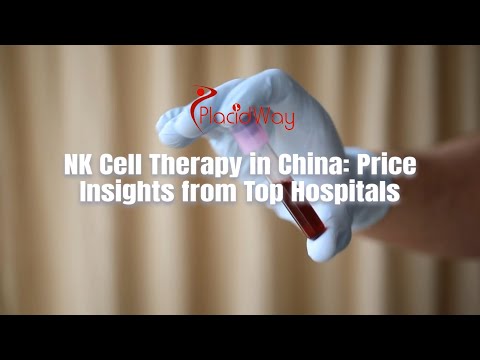

















Share this listing