


For patients researching breast cancer immunotherapy in Mexico for Canadian women, the primary advantage is prompt access to advanced targeted therapies at a significantly reduced out-of-pocket cost. While private cycles of modern immunotherapies for HER2-positive or Triple-Negative breast cancer can exceed $10,000 USD in North America, premier oncology centers in Mexico offer the same globally approved medications for $3,500 to $6,500 USD per cycle. Treatment is administered by board-certified oncologists in JCI-accredited facilities, providing a vital alternative for those facing provincial wait times or restricted drug formularies.

Every year, thousands of Canadian women receive the life-altering diagnosis of breast cancer. While Canada boasts a robust universal healthcare system, the rapidly evolving field of oncology often outpaces provincial drug approvals. For women diagnosed with aggressive subtypes—such as HER2-positive or Triple-Negative breast cancer—timely access to cutting-edge immunological treatments is critical. Unfortunately, many face agonizing wait lists, strict eligibility criteria for provincial coverage, or catastrophic out-of-pocket costs for novel targeted therapies that are not yet fully funded by systems like OHIP or MSP.
Driven by the urgent need for life-saving interventions, a growing demographic of patients is looking internationally. Breast cancer immunotherapy in Mexico for Canadian women has emerged as a viable, safe, and highly effective medical tourism pathway. Top-tier medical centers in cities like Tijuana, Monterrey, and Mexico City offer immediate access to globally approved, authentic immunotherapies administered by internationally trained oncologists.
Navigating cross-border cancer care requires deep understanding and meticulous planning. This comprehensive guide provides an objective, extensively researched roadmap for Canadian patients considering this route. Over the following sections, we will explore:
- How immunotherapy targets specific breast cancer subtypes?
- A detailed cost comparison between North American private care and Mexican oncology packages
- The clinical process and what to expect during treatment
- Essential safety checks to ensure you receive world-class care while mitigating the inherent risks of medical travel
Breast Cancer Immunotherapy in Mexico
Cancer care has shifted dramatically from generalized, highly toxic systemic chemotherapy toward precise, targeted approaches. Understanding how these therapies function is the first step in making an informed healthcare decision.
HER2-Positive Immunotherapy Protocols
Human Epidermal growth factor Receptor 2 (HER2) is a protein that promotes the growth of cancer cells. In about 20% of breast cancers, the cancer cells have extra copies of the gene that makes the HER2 protein, leading to a more aggressive disease profile. HER2 breast cancer treatment in Mexico focuses on targeted therapies (often classified under the broader umbrella of immunotherapies and targeted biologicals) such as Trastuzumab (Herceptin) or Pertuzumab (Perjeta). These monoclonal antibodies attach to the HER2 receptors on the surface of breast cancer cells, blocking their growth signals and flagging them for destruction by the immune system.
Triple-Negative Breast Cancer (TNBC) Protocols
Triple-negative breast cancer lacks estrogen, progesterone, and excess HER2 receptors, making it notoriously difficult to treat with standard hormone therapies. It accounts for roughly 10-15% of all breast cancers and tends to grow and spread faster. However, TNBC frequently expresses a protein called PD-L1. Triple-negative breast cancer immunotherapy relies on immune checkpoint inhibitors, such as Pembrolizumab (Keytruda) or Atezolizumab (Tecentriq). These drugs block the PD-L1 pathway, effectively removing the "brakes" from the patient's immune T-cells, allowing them to aggressively attack the TNBC cells.
The primary reason Canadians seek these specific treatments in Mexico is access. While Health Canada approves these drugs, provincial health systems may only cover them for patients in very specific, advanced stages. Medical tourism removes these bureaucratic barriers, allowing for prompt, personalized intervention based solely on the clinical recommendation of an oncologist.
Cost Comparison: Canada vs. Mexico
Financial toxicity is a severe reality for oncology patients. When provincial health insurance does not cover a prescribed biological agent, Canadian women face staggering private pharmacy costs. The table below illustrates the stark contrast in pricing per cycle for advanced immunotherapy and targeted treatments.
Note: Treatment costs vary significantly depending on patient weight, precise drug dosage required, and specific pharmaceutical brands utilized. Multiple cycles (usually spaced 2-3 weeks apart) are required.
What Influences the Cost?
Several factors determine the exact price of an affordable cancer treatment abroad package:
- Specific Pharmaceutical Agent: Newer checkpoint inhibitors generally cost more than older monoclonal antibodies.
- Dosing Requirements: Immunotherapy doses are highly individualized and calculated based on the patient’s body weight or body surface area.
- Combination Therapies: Combining an immunotherapy agent with conventional low-dose chemotherapy will increase the overall cycle cost.
Package Inclusions and Exclusions
When booking treatment in Mexico, reputable clinics operate on transparent package pricing. A standard infusion cycle package usually includes the cost of the immunological drug, IV administration materials, nursing care, a private infusion suite, and basic pre-infusion blood work to ensure liver and kidney function. It generally excludes airfare, hotel accommodations between cycles, and highly specialized genomic tumor profiling (which can be added for an additional fee).
Why is Treatment Cheaper in Mexico?
It is vital to understand that lower costs do not equate to inferior medication. Top oncology centers in Mexico purchase the exact same drugs from global pharmaceutical giants (like Merck, Roche, or Genentech). The price reduction is driven by macroeconomic factors: lower clinical overhead, reduced administrative and insurance billing burdens, different pharmaceutical price caps set by the Mexican government, and highly favorable currency exchange rates between the Canadian Dollar/US Dollar and the Mexican Peso.
The Treatment Process: What to Expect?
Embarking on international cancer treatment requires a highly structured logistical approach. Leading Mexican clinics employ dedicated international patient coordinators to manage the transition smoothly. Here is the step-by-step clinical journey:
- Comprehensive Remote Case Review: The patient submits recent pathology reports, biopsy results, genomic sequencing (e.g., PD-L1 expression or HER2 status), and imaging (PET/CT or MRI) via a secure portal. The Mexican oncology board reviews the case to determine medical eligibility.
- Virtual Telemedicine Consultation: A video call is scheduled with the lead medical oncologist to discuss the proposed protocol, expected outcomes, potential side effects, and exact cost estimates.
- Arrival and Medical Intake: The patient flies into a major hub (e.g., San Diego, Cancun, or Mexico City). Clinic staff provides private transportation to the hospital. Day one consists of an in-person physical exam, baseline EKGs, and comprehensive blood panels.
- Preparation and Pharmacy Verification: The specific biological agent is prepared in the hospital’s sterile compounding pharmacy. Patients are often encouraged to verify the drug's batch numbers and original packaging for total transparency.
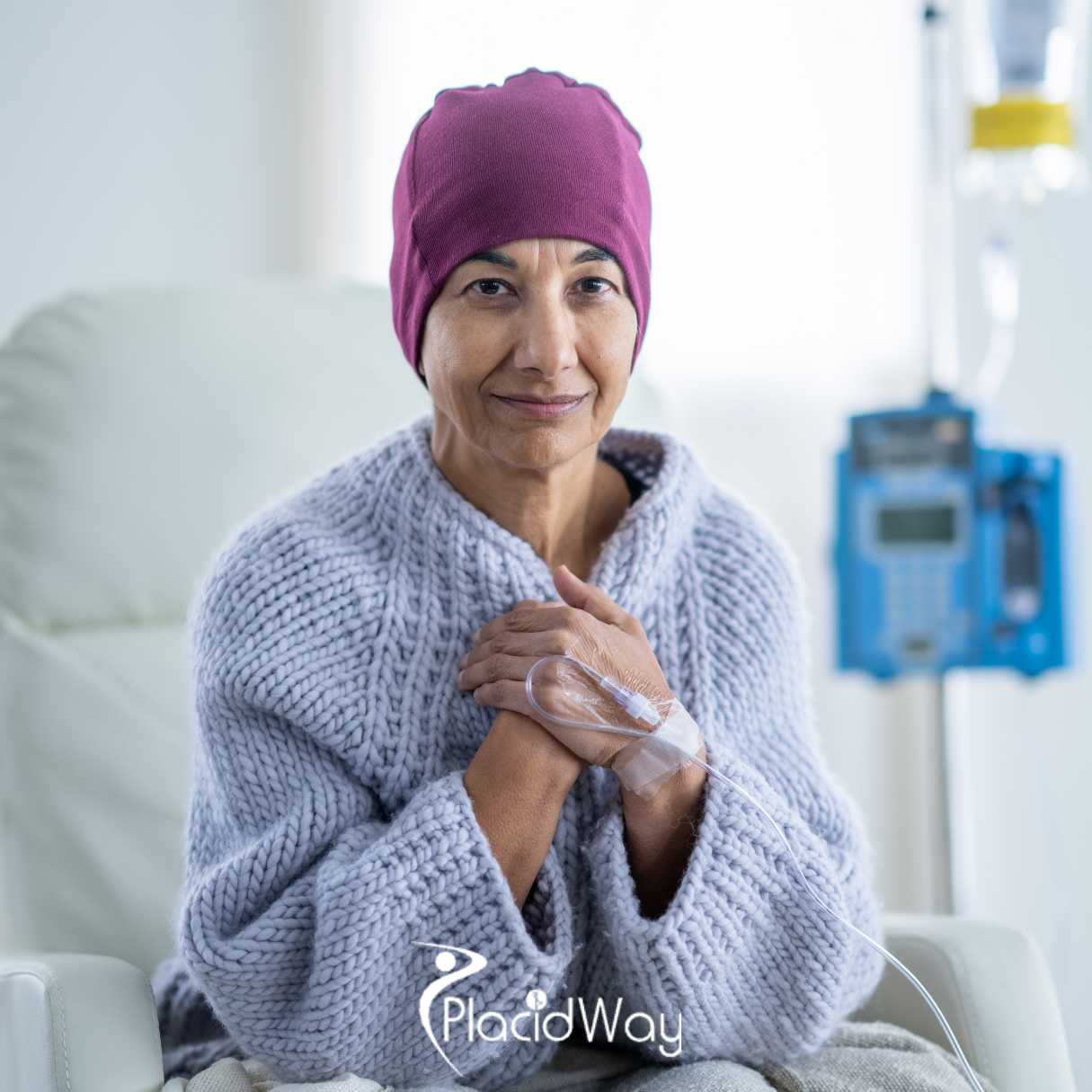
- Intravenous Infusion Session: The treatment is administered intravenously in a private, comfortable suite. Infusion times vary from 30 minutes to over 2 hours, depending on the drug and whether it is the patient's first loading dose.
- Clinical Observation: The patient remains at the facility or a partnered medical hotel for 24 to 48 hours. Medical staff monitors vital signs for acute allergic reactions or immediate immune-related adverse events.
- Discharge and Cycle Planning: Once cleared, the patient returns to Canada. The medical team coordinates the schedule for the next cycle, which usually occurs 21 days later, along with instructions for home-country blood monitoring.
Patient Preparation Tips
Before traveling, patients must secure a comprehensive copy of their medical records. It is also crucial to stay highly hydrated, maintain nutritional intake, and travel with a dedicated companion. The psychological comfort and physical assistance provided by a trusted family member during international cancer care cannot be overstated.
Is Breast Cancer Immunotherapy Safe in Mexico?
The foremost question for any Canadian woman considering treatment abroad is clinical safety. The direct answer is yes: breast cancer immunotherapy in Mexico is safe, provided you meticulously select an internationally accredited, legally compliant medical institution.
Oncology Accreditation and Standards
Mexico's private healthcare sector features facilities that rival top-tier North American hospitals. When evaluating safety, look for hospitals regulated by COFEPRIS (the Mexican equivalent of Health Canada or the FDA), which strictly monitors pharmaceutical supply chains. The highest standard of global safety is indicated by Joint Commission International (JCI) accreditation, meaning the hospital complies with rigorous international protocols regarding infection control, emergency response, and clinical governance.
Quality Comparison with Canadian Cancer Centers
In premier Mexican hospitals, the standard of care directly mirrors Canadian practices. The medications utilized are identical. The oncology nurses are specially certified in chemotherapy and biological agent administration. Furthermore, leading Mexican oncologists often complete fellowships or continuing medical education in the United States, Europe, or Canada, ensuring they practice evidence-based medicine aligned with the latest National Comprehensive Cancer Network (NCCN) guidelines.
Risk Acknowledgment and Mitigation
While the facilities are safe, the treatment itself carries profound systemic risks. The primary risk of medical tourism for oncology is a disruption in continuity of care. To mitigate this, premier clinics in Mexico provide detailed, translated treatment summaries after every cycle. Patients must establish a relationship with a local primary care physician or a sympathetic oncologist in Canada who can monitor blood counts and manage any late-onset side effects between international trips.
Recovery Timeline and Long-Term Aftercare
Unlike traditional chemotherapy, which often induces immediate severe nausea, hair loss, and immune suppression, immunotherapy interacts differently with the body. Because it stimulates the immune system, the side effect profile is distinct and requires vigilant monitoring.
Phased Recovery Timeline
- Immediate Post-Infusion (Days 1-3): Patients may experience mild flu-like symptoms, low-grade fever, chills, or localized reactions at the IV site. Fatigue is the most commonly reported early side effect.
- Inter-Cycle Period (Weeks 1-3): The immune system actively engages the tumor. Patients generally feel well enough to maintain normal daily activities, though rest is heavily encouraged. Regular blood tests are required to monitor organ function.
- Long-Term Phase (Months 3-12+): As cycles accumulate, the risk of immune-related adverse events (irAEs) increases. Imaging (PET/CT) is typically performed every 3 to 4 months to assess tumor shrinkage and treatment efficacy.
Warning Signs to Watch For
Because immunotherapy removes constraints on T-cells, the immune system can mistakenly attack healthy organs, leading to conditions like pneumonitis (lung inflammation), colitis (bowel inflammation), or hepatitis (liver inflammation). Immediate medical intervention is required if you experience:
- Severe, persistent diarrhea or severe abdominal pain.
- New or worsening cough, chest pain, or shortness of breath.
- Yellowing of the skin or eyes (jaundice), or severe dark urine.
- Extreme muscle weakness, persistent headaches, or visual changes.
If these symptoms arise while back in Canada, patients must immediately report to a local emergency room and explicitly state they are receiving active immunotherapy, as the protocol for treating these side effects involves high-dose corticosteroids, not standard antibiotics.
How to Choose the Right Oncology Center in Mexico?
The success and safety of your treatment rely entirely on facility selection. Use this 6-point checklist to evaluate potential clinics critically before committing funds or booking travel.
- Verify Physician Credentials: Ensure the treating physician is a board-certified medical oncologist registered with the Consejo Mexicano de Oncología.
- Confirm Multidisciplinary Care: The clinic should utilize a "Tumor Board" approach, where medical oncologists, radiation oncologists, and surgical oncologists collaboratively review your case.
- Demand Pharmaceutical Transparency: The clinic must guarantee in writing that they use original, brand-name biological agents and allow you to verify batch numbers prior to infusion.
- Check Facility Accreditation: Give absolute preference to hospitals with JCI accreditation or certification from Mexico's General Health Council (CSG).
- Assess Emergency Capabilities: Treatment must occur in a full-service hospital equipped with an Intensive Care Unit (ICU) and a 24/7 emergency department—never in a standalone outpatient strip-mall clinic.
- Evaluate Post-Care Communication: Ensure the clinic provides a dedicated, English-speaking case manager who will remain accessible when you return to Canada.
Red Flags to Avoid
Be extremely wary of clinics making absolute guarantees about curing late-stage cancer. Avoid providers who refuse to disclose the exact name and origin of the medications, or those pushing "alternative," unproven "natural" therapies alongside or in place of evidence-based immunotherapy. Authentic oncology centers rely on data, transparency, and clinical realism.
Risks, Contraindications, and Limitations
While securing affordable cancer treatment abroad is highly beneficial, immunotherapy is not universally appropriate. Understanding clinical limitations ensures patient safety and prevents unnecessary financial expenditure.
Who Should Not Pursue Immunotherapy in Mexico?
Medical guidelines strongly contraindicate immune checkpoint inhibitors for specific demographics. You may not be a candidate if you:
- Suffer from severe, active autoimmune diseases (such as Lupus, Multiple Sclerosis, or Rheumatoid Arthritis), as immunotherapy can cause a life-threatening exacerbation of these conditions.
- Require daily high-dose immunosuppressive medications (like corticosteroids), which actively counter the effects of the immunotherapy.
- Are experiencing rapid, severe organ failure that demands acute, localized critical care rather than international travel.
Follow-Up Care Challenges for Canadians
The most significant limitation of cross-border oncology is managing inter-cycle complications. The Canadian healthcare system can be rigid when patients seek emergency care for complications arising from private, international treatments. Patients must proactively communicate with their provincial primary care providers, providing them with all Mexican medical records, to ensure a safety net exists if immune-mediated toxicities occur back home.
Action Plan for Breast Cancer Immunotherapy
Translating research into action requires a structured approach. If you and your family have decided to explore breast cancer immunotherapy in Mexico, follow these actionable steps:
- Compile a Master Medical File: Gather your complete pathology reports, biomarker status (HER2, ER/PR, PD-L1), latest PET/CT or MRI imaging on a disc or secure cloud link, and your current treatment history.
- Consult Multiple Centers: Use reputable medical tourism facilitators like PlacidWay to request case evaluations from at least three top-rated, accredited Mexican oncology centers.
- Conduct Telemedicine Interviews: Schedule video calls with the proposed oncologists. Prepare a written list of questions regarding specific drug protocols, exact costs, and emergency procedures.
- Establish a Canadian Medical Anchor: Secure a local general practitioner, naturopathic oncologist, or private clinic in Canada willing to order requisite interval bloodwork (CBC, metabolic panels) between your trips to Mexico.
- Plan Logistics Securely: Ensure your passport is valid for at least six months. Book flexible flights, arrange comprehensive travel medical insurance (noting pre-existing condition clauses), and secure a comfortable recovery hotel near the Mexican hospital.
Take Control of Your Treatment Journey Today
Do not let waitlists or exorbitant medication costs define your prognosis. Connect with internationally accredited oncology centers in Mexico. Review board-certified specialist profiles, compare treatment packages, and schedule a secure, no-obligation telemedicine consultation.
Frequently Asked Questions
Empower Healthcare Journey
Facing a diagnosis of HER2-positive or Triple-Negative breast cancer is profoundly challenging. When domestic healthcare systems present insurmountable barriers—whether through extreme wait times or a lack of funding for advanced biological targeted therapies—seeking breast cancer immunotherapy in Mexico for Canadian women offers a scientifically validated, empowering alternative.
By leveraging the benefits of international medical tourism, patients can access globally recognized, authentic immunological medications at nearly a fraction of the cost required in private North American clinics. The key to a successful journey lies in demanding transparency, rigorously verifying hospital accreditations, and ensuring seamless continuity of care upon your return home.
Your health and longevity are paramount. Take the vital next step by consulting with verified oncology centers, requesting detailed treatment packages, and exploring your international options with confidence and clarity.
The information in this article is for educational purposes only and does not constitute medical advice. Individual results vary based on health status, case complexity, and other factors. Always discuss your specific situation with a licensed healthcare professional before making treatment decisions. PlacidWay connects patients with verified healthcare providers but does not provide medical services directly.
- World Health Organization (WHO): Breast Cancer Facts and Interventions
- Mayo Clinic: Immunotherapy for Cancer - Comprehensive Guide
- National Institutes of Health (NIH): Advances in Immunotherapy for Triple-Negative Breast Cancer
- PlacidWay Medical Tourism: Cancer Treatment Abroad Clinics and Information


















Share this listing