


CAR T Cell Therapy for Multiple Myeloma in Beijing, China: A Journey to Remission
A cancer diagnosis stops time, but for patients battling aggressive blood cancers, finding effective treatments after standard protocols fail becomes a desperate, high-stakes race. When conventional medicine exhausts its arsenal, innovative cellular immunology steps into the light to offer unprecedented hope. Discovering advanced CAR T cell therapy for multiple myeloma in Beijing, China has become a life-saving beacon for patients worldwide. Watch as we explore Bjorn Simensen's remarkable journey to Bioocus Biotech, where cutting-edge science and global medical expertise converge to rewrite the narrative of relapsed multiple myeloma.
Video Chapters & Quick Navigation
Understanding the Reality of Relapsed and Refractory Multiple Myeloma
Multiple myeloma is a highly complex and aggressive malignancy of plasma cells, which are white blood cells fundamentally responsible for producing antibodies. In a healthy body, these cells are the ultimate defenders against infection, but when they mutate into myeloma cells, they multiply uncontrollably within the bone marrow. This unchecked proliferation crowds out healthy blood-producing cells, leading to severe anemia, devastating immune system suppression, and a host of cascading systemic failures. For decades, oncologists have viewed this disease as treatable but inherently incurable, casting a long shadow over those diagnosed.
The clinical manifestations of this disease are commonly grouped under the CRAB criteria: elevated calcium levels, renal failure, anemia, and destructive bone lesions. Patients frequently experience excruciating structural bone pain as the malignant cells actively degrade their skeletal framework. Standard treatments typically involve a grueling combination of proteasome inhibitors, immunomodulatory drugs, monoclonal antibodies, and autologous stem cell transplants. While these therapies often achieve initial remission, the nature of myeloma is deeply insidious.
The term "relapsed and refractory multiple myeloma" refers to a grim stage where the disease not only returns but actively resists previously effective therapies. Cancer cells are masters of evolution; they mutate and develop sophisticated mechanisms to evade traditional chemotherapeutic agents. When a patient reaches this refractory stage, their prognosis historically plummets, leaving them with limited options and rapidly deteriorating health. This stark reality forces patients and their families to look beyond conventional clinical pathways in a desperate search for revolutionary science.
The Science: What is CAR T Cell Therapy for Multiple Myeloma?
At the very forefront of modern oncological innovation is Chimeric Antigen Receptor (CAR) T cell therapy, a treatment that completely redefines how we combat cancer. Instead of relying on toxic chemicals that indiscriminately attack rapidly dividing cells, this approach weaponizes the patient's own immune system. CAR T cell therapy is widely considered a "living drug" because it utilizes biologically active human cells that are engineered to hunt down and eradicate specific malignancies. The scientific brilliance of this therapy lies in bridging the gap between immunology and advanced genetic engineering.
Targeting the BCMA Protein
In the specific context of multiple myeloma, the primary target for these engineered cells is the B-cell maturation antigen (BCMA). BCMA is a protein that is almost exclusively overexpressed on the surface of malignant plasma cells, making it an ideal bullseye for targeted therapy. By focusing specifically on BCMA, scientists can design treatments that aggressively attack the cancer while largely sparing healthy tissues. This precise targeting mechanism represents a monumental leap forward compared to the collateral damage typically caused by systemic chemotherapy.
The Genetic Reprogramming Process
The biological transformation begins when a patient's natural T cells are extracted and sent to a highly specialized cellular manufacturing laboratory. Using a harmless viral vector, scientists insert a new, synthetic gene into the T cells, instructing them to grow the chimeric antigen receptor on their surface. This receptor acts as a biological tracking system, allowing the newly minted CAR T cells to perfectly lock onto the BCMA proteins residing on the myeloma cells. Once bound, the T cell is instantly activated, releasing a lethal payload of cytotoxins that obliterate the cancer cell from the inside out.
Bjorn Simensen’s Harrowing Battle with Multiple Myeloma
The abstract science of immunology becomes profoundly real when viewed through the lens of a patient’s lived experience. Bjorn Simensen was an active, vibrant individual whose life was unexpectedly shattered by a relentless diagnosis of advanced multiple myeloma. His initial symptoms mimicked typical aging—deep fatigue and back pain—but rapidly escalated into debilitating skeletal weakness that confined him to a life of profound physical restriction. The initial shock of the diagnosis was quickly replaced by the grueling marathon of frontline oncology treatments in his home country.
Bjorn bravely endured multiple lines of standard care, starting with intense regimens of targeted biologic drugs and heavy doses of corticosteroids. Despite brief periods of stability, the malignant plasma cells inevitably found ways to mutate, rendering the highly toxic treatments entirely ineffective. He underwent a painful stem cell transplant, hoping to reset his immune system, but the cancer returned with renewed aggression. His local oncologists eventually delivered the devastating news that he had exhausted all approved therapies available within his domestic healthcare system.
Refusing to accept palliative care as his only remaining option, Bjorn and his family began an exhaustive global search for clinical trials and experimental treatments. They quickly discovered that accessing advanced cellular therapies in the West was hampered by astronomical costs, rigid clinical trial inclusion criteria, and devastatingly long waitlists. Time was the one luxury Bjorn did not have, as his bone marrow was rapidly failing under the overwhelming burden of the disease. This desperate search ultimately pointed them toward the East, where rapid advancements in medical biotechnology were opening new doors for international patients.
Why Beijing? The Rise of Bioocus Biotech in Cellular Immunotherapy
Over the past decade, China has aggressively positioned itself as a global superpower in the field of advanced cellular immunotherapy and genetic medicine. The Chinese government and private biotechnology sectors have heavily subsidized clinical research, leading to a massive proliferation of CAR T cell clinical trials. This rapid clinical translation means that life-saving experimental therapies move from the laboratory bench to the patient bedside at a significantly faster pace than in highly bureaucratic Western systems. For patients facing terminal prognoses, this speed of innovation is the ultimate deciding factor.
Situated in the heart of this medical renaissance is Bioocus Biotech, a premier facility located in Beijing that specializes exclusively in cellular engineering and regenerative medicine. The facility boasts state-of-the-art Good Manufacturing Practice (GMP) laboratories, ensuring that the genetic manipulation of T cells meets the highest international safety and sterility standards. Unlike many traditional hospitals, Bioocus Biotech operates as a fully integrated research and treatment center, bridging the gap between brilliant molecular biologists and frontline clinical oncologists.
Bioocus Biotech has also recognized the massive global need for these therapies, actively opening their specialized protocols to international medical tourists. They employ multidisciplinary tumor boards, bilingual patient coordinators, and dedicated international patient liaisons to seamlessly guide foreigners through the complex medical and logistical landscape of treatment in China. For Bjorn, the decision to travel to Beijing was not just a medical choice; it was a leap of faith into a highly specialized ecosystem designed to save lives that others had deemed unsalvageable.
The Step-by-Step CAR T Cell Treatment Protocol at Bioocus Biotech
Receiving engineered cellular therapy is not a single event, but rather a highly complex, multi-stage medical marathon requiring absolute clinical precision. The journey begins with a procedure called leukapheresis, where Bjorn was connected to a specialized machine that filtered his blood to harvest his natural white blood cells. This step is critical; a sufficient yield of healthy, robust T cells must be collected to ensure the laboratory has enough raw biological material to work with. Once collected, these cells were immediately cryopreserved and securely transported to the on-site genetic laboratories at Bioocus Biotech.
While the laboratory technicians spent weeks meticulously reprogramming and multiplying his T cells, Bjorn underwent a critical phase known as bridging therapy. This involves the administration of temporary, low-dose chemotherapy designed specifically to keep the aggressive myeloma in check while waiting for the manufacturing process to complete. Once the millions of engineered CAR T cells were ready, he received lymphodepleting chemotherapy to temporarily wipe out his existing immune system. This crucial step creates biological "space" in the bone marrow, preventing his body from rejecting the newly introduced super-cells and allowing them to expand rapidly upon infusion.
| Treatment Phase | Clinical Objective | Typical Timeline |
|---|---|---|
| 1. Leukapheresis | Harvesting the patient's natural T cells via blood filtration. | Day 1 - 2 |
| 2. Cell Engineering | Genetic modification in a GMP lab to express BCMA receptors. | 14 to 21 Days |
| 3. Lymphodepletion | Mild chemotherapy to prepare the body to accept new cells. | Days -5 to -2 |
| 4. CAR T Infusion | Intravenous delivery of the living drug back into the patient. | Day 0 |
Breaking Down the Cost: Shattering Financial Toxicity
The miraculous science of cellular immunotherapy is unfortunately accompanied by a devastating reality known in the oncology world as financial toxicity. In the United States and Western Europe, the list price for a single infusion of commercially approved CAR T cell therapy easily exceeds $450,000 to $500,000. This staggering figure does not even account for the required hospitalizations, intensive care monitoring, pre-treatment chemotherapy, or specialized laboratory tests. For uninsured, underinsured, or internationally excluded patients, these prices are an impenetrable barrier to survival.
Medical tourism for advanced cancer treatments in China is fundamentally altering this grim economic landscape. Bioocus Biotech is able to offer the exact same complex genetic engineering and clinical administration at a fraction of Western costs. Because of localized manufacturing, government-backed infrastructure, and streamlined clinical pathways, the total out-of-pocket cost for international self-pay patients is drastically reduced. This immense price difference makes Beijing a highly attractive hub for patients who require life-saving interventions but cannot survive the financial ruin associated with Western healthcare.
The cost savings do not imply a reduction in the quality of biological materials or clinical oversight. The highly competitive nature of China's biotech sector forces clinics to maintain pristine success rates to attract global cohorts. For patients like Bjorn, the affordability of treatment in Beijing transformed a seemingly impossible medical pipe dream into an actionable reality. Traveling abroad for oncology care is undeniably daunting, but it is an increasingly necessary strategy for navigating the catastrophic economics of modern cancer treatment.
Efficacy, Safety, and Managing Cytokine Release Syndrome (CRS)
Unleashing millions of genetically enhanced immune cells into a cancer-ridden body is akin to starting a massive biological war inside the patient. The efficacy of CAR T cell therapy is heavily dependent on the rapid expansion of these cells as they identify and destroy the myeloma. However, this aggressive eradication process frequently triggers a severe, systemic inflammatory response known as Cytokine Release Syndrome (CRS). When the T cells kill the cancer, they release massive amounts of cytokines into the bloodstream, which can cause soaring fevers, dangerous drops in blood pressure, and severe oxygen deprivation.
Another profound clinical risk associated with cellular therapies is Immune Effector Cell-Associated Neurotoxicity Syndrome (ICANS). This condition can manifest as extreme confusion, debilitating tremors, or even life-threatening seizures as the intense immunological battle crosses the blood-brain barrier. Because of these distinct risks, post-infusion care is just as critical as the genetic engineering itself. Bioocus Biotech mitigates these life-threatening complications by requiring all international patients to remain highly monitored in specialized, acute-care isolation units immediately following their infusion.
The clinical teams in Beijing are exceptionally experienced in utilizing precise pharmacological antidotes to manage these toxicities without killing the CAR T cells. Drugs like Tocilizumab, an Interleukin-6 receptor antagonist, and high-dose Dexamethasone are deployed strategically to calm the immunological storm and stabilize the patient. Bjorn's medical team carefully navigated him through the treacherous days following his infusion, balancing the need for maximum tumor eradication with the necessity of preserving his vital organ functions. Their vigilant oversight ensured that the living drug destroyed the cancer without destroying the host.
Bjorn’s Remarkable Recovery and Life After Cellular Therapy
The true measure of any oncological intervention is found in the bone marrow biopsies conducted in the weeks and months following treatment. For Bjorn Simensen, the grueling journey across the globe, the intensive chemotherapy regimens, and the harrowing days of CRS ultimately culminated in a medical miracle. Comprehensive testing revealed that he had achieved Minimal Residual Disease (MRD) negative status. This profound clinical designation means that even using the most highly sensitive molecular testing available, doctors could not detect a single surviving myeloma cell in his marrow.
Achieving an MRD-negative remission is the gold standard for long-term survival in relapsed multiple myeloma patients. The constant, gnawing bone pain that had previously confined Bjorn to a state of misery evaporated, allowing his skeletal system the opportunity to heal and rebuild. His profound fatigue lifted as his natural blood counts slowly recovered, free from the oppressive crowding of malignant plasma cells. Returning home from Beijing, Bjorn was no longer a terminal patient desperately seeking extra months of life; he was a survivor looking forward to years of restored vitality.
Bjorn’s story serves as a profound testament to the power of international medical collaboration and advanced cellular science. Bioocus Biotech not only provided the necessary technological infrastructure to engineer his cure but also demonstrated the immense value of accessible global healthcare. While multiple myeloma remains a formidable adversary, the continuous refinement of CAR T cell therapies in international hubs like Beijing is rewriting the prognosis for thousands. The landscape of cancer treatment is undeniably shifting, offering renewed hope to those who dare to seek it beyond their own borders.
Explore Your Options for Advanced Cellular Immunotherapy
If standard treatments have failed, you do not have to stop fighting. PlacidWay connects patients with elite, internationally accredited facilities like Bioocus Biotech in Beijing, offering access to groundbreaking CAR T cell therapies at a fraction of Western costs. Discover if cellular immunotherapy is the right path for your journey.
REQUEST FREE CONSULTATION & PRICING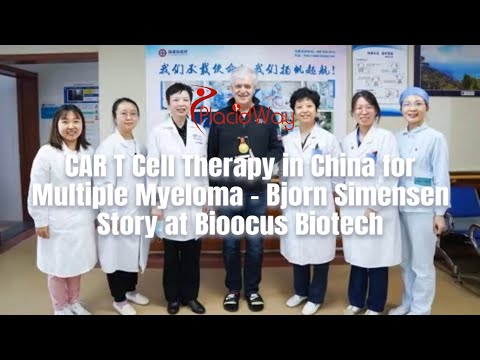





.png)

.png)




.png)










Share this listing