NK Cell Therapy in Malaysia

Publish date: Jul 31, 2024 Modified date: Aug 13, 2026 Medically reviewed by: Dr. Orhan Sencan on Aug 13, 2026 Author: Rizal Aditya
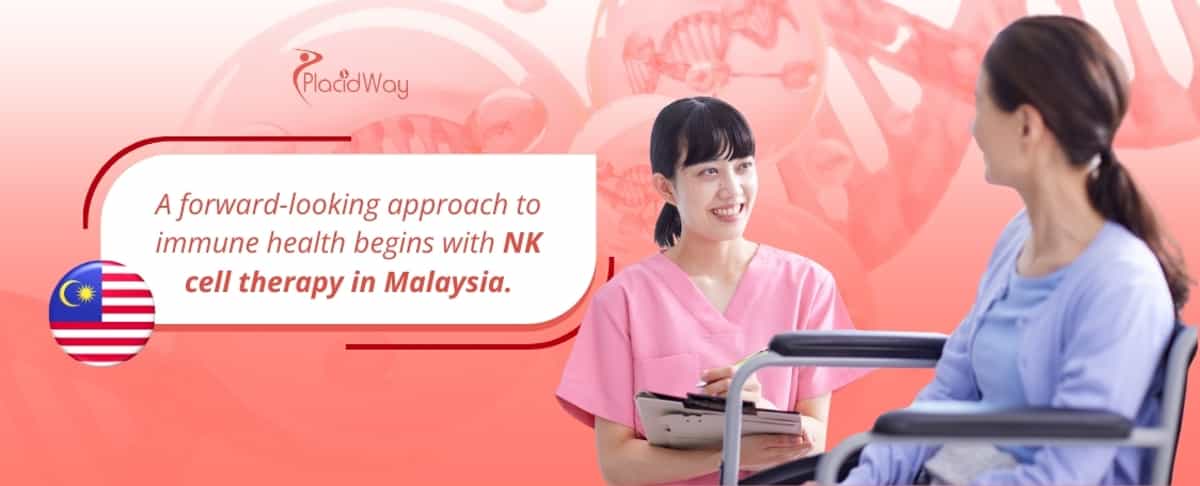
NK Cell Therapy in Malaysia

Contents

Combat Diseases with Natural Killer Cell Therapy in Malaysia

Malaysia has quietly emerged as a powerhouse for integrative oncology and regenerative medicine, specifically in the field of Natural Killer (NK) Cell Therapy. This cutting-edge immunotherapy involves harvesting a patient's own immune cells, activating and expanding them in a laboratory, and reinfusing them to target cancer cells or viruses. It is sought after both as a complementary cancer treatment and a potent anti-aging immune booster.

Medical centers in Kuala Lumpur and Penang adhere to strict international standards. The Ministry of Health Malaysia (MOH) and the National Pharmaceutical Regulatory Agency (NPRA) heavily regulate cell therapy products, ensuring that the labs processing your cells meet CGMP (Current Good Manufacturing Practice) standards. This level of oversight provides a safety net often missing in other regions.

Malaysia offers this advanced biotechnology at a significantly lower cost than Singapore, Japan, or the US. Patients benefit from the country's dual-focus on high-tech science and holistic wellness, often combining immunotherapy with nutritional support and traditional wellness practices in a luxury setting.

Whether you are fighting a chronic illness or seeking to fortify your body's defenses, Malaysia provides a safe, regulated, and cost-effective environment for advanced immune therapy.

!

Did You Know?

Natural Killer (NK) cells are known as the "snipers" of the immune system. Unlike other immune cells that need to be "taught" to recognize a specific enemy (like a vaccine teaches antibodies), NK cells can instinctively identify and destroy stressed or mutated cells (like early cancer cells) within minutes of contact. Malaysia's therapy focuses on supercharging these innate defenders.

Key Insights at a Glance

1
Cost Effective:

Treatment costs are 50-60% lower than in Singapore or Japan, making advanced immunotherapy accessible.

2
Strict Regulation:

Labs must adhere to CGMP standards monitored by the National Pharmaceutical Regulatory Agency.

3
Integrative Care:

Therapies are often combined with Vitamin C infusions, ozone therapy, and hyperthermia for better results.

4
Expertise:

Oncologists and immunologists often trained in the UK or Australia lead the treatment protocols.

5
High Purity:

Advanced cell culture techniques ensure high activity (>90%) and purity of the NK cells infused.

6
Medical Tourism Hub:

Malaysia offers excellent English communication, world-class infrastructure, and ease of travel.

NK Cell Therapy Package in Malaysia

Finding the right package is crucial for a successful treatment journey. In the section below, we have curated a list of top-rated specialized clinics in Kuala Lumpur and Penang offering comprehensive NK cell packages. These bundles typically include the initial immune profiling blood test, cell culturing (expansion and activation), multiple infusion sessions, and supportive therapies like IV vitamins. Browse the options to find a package that aligns with your health goals, whether for cancer treatment or wellness.

Note: Packages are often tiered by the number of cells infused (e.g., 5 billion vs. 10 billion cells) and the number of cycles.

`

NK Cell Therapy Price in Malaysia

Understanding the financial commitment is important. The table below provides a transparent breakdown of average costs for NK Cell Therapy in Malaysia compared to other Asian hubs like Japan and Singapore. While still a premium treatment, Malaysia offers significant savings. Prices typically range based on the protocol intensity and whether autologous (your own) or allogeneic (donor) cells are used.

Tip: A standard cycle of 4-6 infusions typically ranges from $10,000 to $18,000 USD.

CAR-T Cell Therapy Cost Comparison in Malaysia

Country Procedure Price
United States CAR-T Therapy for Multiple Myeloma (MM), CAR-T Cell Therapy $475000

Renowned NK Cell Therapy Centers in Malaysia

Your safety and results depend heavily on the facility and laboratory you choose. We have selected a list of premier medical centers and specialized oncology clinics in Malaysia. These facilities are vetted for their Ministry of Health certification, CGMP-compliant laboratories, and experience with international patients. Explore the profiles below to learn more about their specific immune-oncology capabilities.

Standard: Look for centers that provide a Certificate of Analysis (COA) for every cell batch, verifying count and viability.

Watch Most Popular Video about NK Cell Therapy in Malaysia

Hearing directly from past patients can offer invaluable reassurance. The video testimonials featured below showcase real stories from individuals who have undergone NK cell therapy in Malaysia for cancer support or immune strengthening. Watch these videos to hear about their energy levels, tumor marker improvements, and their experience with the Malaysian medical team.

Insight: Patients frequently mention the high level of English proficiency among doctors and the "warm, caring" nature of the nursing staff.

NK Cell Therapy in Malaysia Verified Patients Testimonials

Patient reviews provide an honest look at the quality of care. In this section, you will find verified reviews and ratings from patients who have entrusted their immune health to specialists in Malaysia. Read through their feedback regarding the clinic environment, the clarity of the treatment plan, and their overall satisfaction with the results to help guide your own choice of provider.

Review Tip: Look for reviews that mention the integrative approach, such as dietary advice and supplementary treatments offered alongside the cells.

Frequently Asked Questions about NK Cell Therapy in Malaysia

1 What exactly is NK Cell Therapy?

NK (Natural Killer) Cell Therapy is a type of immunotherapy. It involves collecting a small amount of your blood (about 60ml), isolating the NK cells, and stimulating them in a lab to multiply and become highly active. These "supercharged" cells are then infused back into your body via an IV drip, where they hunt down and destroy cancer cells and virus-infected cells.

2 Is the treatment safe?

Yes, it is generally considered very safe, especially when using autologous cells (your own cells). Because the cells come from your own body, there is no risk of rejection or allergic reaction (Graft vs Host Disease). The main side effects are mild and temporary, such as low-grade fever or fatigue immediately after the infusion, which indicates the immune system is working.

3 What cancers can it treat?

NK cells are broad-spectrum fighters. They are used to treat various solid tumors such as lung, liver, breast, colon, and ovarian cancer. They are also effective against some blood cancers. While not a standalone cure for advanced cancer, they are often used in combination with chemotherapy or radiation to improve outcomes and reduce recurrence.

4 How much does it cost in Malaysia?

A typical cycle (usually 4-6 infusions) costs between $10,000 and $18,000 USD. This is significantly less than in the US or Japan, where costs can exceed $30,000 for similar protocols. The price depends on the number of cells cultured (usually billions) and the number of sessions required.

5 How long do I need to stay?

The process takes time because the cells must be cultured in the lab. A typical timeline is: Blood draw on Day 1. Lab culture takes 10-14 days. Infusions are then given over the next 1-2 weeks. Most patients plan for a 3 to 4-week stay, or make two shorter trips (one for collection, one for infusion).

6 Can it be combined with chemotherapy?

Yes. In fact, NK cell therapy is often synergistic with chemotherapy. Chemotherapy kills cancer cells but weakens the immune system. NK therapy helps to rebuild the immune system and clean up remaining cancer cells, potentially reducing the side effects of chemo and improving overall efficacy.

7 Is it legal in Malaysia?

Yes. Cell therapy is regulated by the Ministry of Health Malaysia (MOH) and the National Pharmaceutical Regulatory Agency (NPRA). Clinics must comply with CGMP standards for their laboratories. This regulation ensures a high standard of quality control and safety for patients.

8 Can it be used for anti-aging?

Yes. As we age, our NK cell activity naturally declines, making us more susceptible to illness. Many healthy individuals undergo NK cell therapy as a preventive measure to boost their immune surveillance, eliminate senescent ("zombie") cells, and improve overall vitality and energy levels.

9 Do I need a visa?

Citizens of many Western countries (US, UK, Australia, EU) do not need a visa for short stays (up to 90 days). For longer treatments or other nationalities, the Malaysia Healthcare Travel Council (MHTC) can facilitate a medical visa (e-Visa) with the support of your treating hospital.

10 What is the success rate?

Success varies by stage and type of cancer. Clinical data suggests that combining NK therapy with standard treatments can improve survival rates and quality of life significantly compared to standard treatment alone. High-quality labs in Malaysia report cell viability rates of over 90% and expansion rates of over 500-fold, ensuring a potent therapeutic dose.

How Much is CAR T-Cell Therapy in Malaysia?

The estimated CAR T-Cell Therapy cost in Malaysia typically ranges from $50,000 to $90,000 USD. This price varies based on the specific type of cancer being treated, the hospital's facilities, and the required length of inpatient care. Key Takeaways The procedure requires an extended stay of 4 to 8 weeks for treatment and monitoring. Pricing represents an estimate; final costs depend heavily on the patient's reaction to treatment and required supportive care. A CAR T-Cell Therapy clinic in Malaysia must possess advanced intensive care capabilities to manage complex side effects. Candidates must undergo rigorous medical evaluations to ensure their organs can handle the intensive nature of cellular therapy. A dedicated caregiver is mandatory throughout the entire outpatient monitoring phase. What exactly is CAR T-Cell Therapy and what conditions does it treat? CAR T-cell therapy is an innovative form of immunotherapy that genetically modifies a patient's own T-cells to target and destroy cancer cells. It is primarily utilized for specific refractory blood cancers. The human immune system relies on T-cells to identify and eliminate abnormalities, including cancer. However, certain malignancies can evade detection. In this therapy, a patient's T-cells are extracted through a blood-filtration process and sent to a specialized laboratory. There, they are genetically re-engineered to produce Chimeric Antigen Receptors (CARs) on their surface. These modified receptors enable the T-cells to identify specific proteins found on the surface of malignant cells. Once infused back into the patient's bloodstream, these enhanced cells multiply and hunt down the cancer. Because this requires highly advanced laboratory infrastructure, finding a qualified CAR T-Cell Therapy clinic in Malaysia involves looking for centers with specialized hematology-oncology departments. Currently, the treatment is typically considered for suitable patients diagnosed with certain types of B-cell lymphomas, acute lymphoblastic leukemia (ALL), or multiple myeloma, particularly when the disease has relapsed or proven resistant to standard chemotherapy and stem cell transplants. What factors influence the CAR T-Cell Therapy cost in Malaysia? The total expense depends on the specific laboratory processing required, the duration of hospital stay, and any necessary supportive care for side effects. When reviewing the CAR T-Cell Therapy cost in Malaysia, it is vital to understand that the price is multifaceted. The largest portion of the estimate usually covers the complex laboratory manufacturing process of the T-cells themselves, which utilizes internationally recognized biological engineering techniques. Additional costs include the initial apheresis (cell collection), pre-treatment conditioning chemotherapy to prepare the body, and the actual infusion procedure. Inpatient care is a major variable; if a patient develops severe side effects requiring transfer to the Intensive Care Unit (ICU), medical expenses will increase accordingly. Furthermore, patients must budget for mandatory local accommodations during the 4-to-8-week recovery and monitoring period. While the overall financial commitment is often lower than in North America, it remains a highly specialized and resource-intensive medical undertaking. Important Consideration: Cost Variability Patients should ask clinics for a detailed breakdown distinguishing the fixed cost of the cellular product from estimated variable costs like ICU stays, supportive medications, and extended hospitalization. How do healthcare standards for a CAR T-Cell Therapy clinic in Malaysia compare globally? Malaysian healthcare facilities are strictly regulated by the Ministry of Health and often hold international accreditations, ensuring adherence to rigorous global safety standards. The medical framework in Malaysia is closely monitored to ensure patient safety and clinical efficacy. Facilities offering advanced cellular therapies must comply with stringent national guidelines regarding blood product handling, genetic modification protocols, and intensive care infrastructure. Many hospitals catering to international patients possess accreditation from bodies such as the Joint Commission International (JCI). This indicates that the CAR T-Cell Therapy clinic in Malaysia has been audited against international standards for infection control, patient safety, and clinical governance. Furthermore, oncologists and hematologists leading these programs have often completed fellowships and specialized training in countries with established cellular therapy programs, bringing global expertise back to the local healthcare system. Why is medical tourism in Malaysia becoming popular for complex oncology treatments? Patients choose Malaysia for oncology care due to the combination of highly trained specialists, advanced medical infrastructure, and comparatively lower treatment costs. The growth of medical tourism in Malaysia is supported by dedicated government initiatives, notably the Malaysia Healthcare Travel Council (MHTC), which works to streamline the experience for international patients. This oversight helps maintain high standards of care across private healthcare institutions. For complex procedures like cellular immunotherapy, the multidisciplinary approach found in major Malaysian medical centers is highly appealing. Patients have access to comprehensive care teams, including hematologists, ICU specialists, specialized nursing staff, and patient coordinators who speak fluent English. The geographical location also makes it an accessible hub for patients throughout the Asia-Pacific region and beyond who are seeking alternatives when local oncology treatment options have been exhausted. Who is considered a suitable candidate for this advanced immunotherapy? Suitable candidates are typically patients with specific relapsed or refractory blood cancers who have not responded to standard treatments and pass rigorous health evaluations. Not every cancer patient is eligible for this therapy. It is generally reserved for individuals with specific hematological malignancies who have undergone at least two prior lines of traditional treatment without long-term success. Before approval, candidates must undergo extensive medical evaluations. The medical team will assess cardiac function, pulmonary health, kidney and liver function, and overall physical stamina. The body must be strong enough to withstand both the pre-treatment chemotherapy and the potentially severe immune response triggered by the modified cells. Patients with active, severe infections or rapidly deteriorating organ function may not be suitable candidates, as the risks of the therapy may outweigh the potential benefits. What does the typical timeline look like for patients traveling to Malaysia for this procedure? The entire process generally requires an extended stay of four to eight weeks, encompassing cell collection, laboratory modification, infusion, and crucial post-treatment monitoring. The timeline involves several distinct phases that require the patient to be near the treating facility. Due to the complexity, strict adherence to the schedule is necessary. Treatment Phase Estimated Duration Description 1. Apheresis 1 - 2 Days White blood cells (including T-cells) are collected from the patient's blood. 2. Manufacturing 2 - 4 Weeks Cells are genetically modified in a lab. Patient may return home or stay locally. 3. Conditioning 3 - 5 Days Low-dose chemotherapy is given to create space for the new T-cells. 4. Infusion & Monitoring 2 - 4 Weeks Cells are infused. Patient is closely monitored for severe side effects. Even after medical clearance to return to their home country, patients will require ongoing long-term monitoring by their local oncologist to track disease response and manage any delayed side effects. What are the primary risks and potential side effects associated with this treatment? The most significant risks include Cytokine Release Syndrome (CRS) and neurological toxicities, both of which require immediate and specialized medical management. While this therapy can be highly effective, it carries significant risks that differentiate it from standard chemotherapy. The most common severe complication is Cytokine Release Syndrome (CRS). This occurs when the newly infused T-cells multiply rapidly and release large amounts of inflammatory cytokines. Symptoms may include dangerously high fevers, dangerously low blood pressure, and difficulty breathing. Another major risk is Immune Effector Cell-Associated Neurotoxicity Syndrome (ICANS). This neurological complication can present as confusion, difficulty speaking, tremors, or in severe cases, seizures and coma. Because these conditions can escalate rapidly, the chosen medical facility must be equipped with specialized protocols and medications to reverse these effects promptly. Patients may require temporary admission to the intensive care unit during the peak of these immune responses. How should international patients prepare for their medical journey to Malaysia? Preparation involves gathering comprehensive medical records, securing necessary travel documents, and organizing long-term local accommodation near the healthcare facility. Preparation begins long before arrival. Patients must work closely with their primary oncologist to compile all pathology reports, imaging scans, and previous treatment histories. These documents must be reviewed by the Malaysian specialists to confirm preliminary eligibility. Travel documentation requires careful attention. Medical visa requirements depend entirely on the patient's citizenship; some nations have visa-free entry, while others require formal medical travel applications. It is crucial to verify these details with the relevant diplomatic missions. Financially, patients must secure funding beforehand, as international health insurance policies often require complex pre-authorization for cellular therapies, and out-of-pocket payments require significant liquid funds. Did You Know? Patients are strictly prohibited from driving or operating heavy machinery for at least eight weeks following the T-cell infusion due to the risk of delayed neurological side effects. Why Choose PlacidWay for your medical journey? PlacidWay provides dedicated resources for international patients, offering comprehensive information to help you navigate complex overseas medical options. Navigating cross-border healthcare for advanced oncology treatments requires careful research. PlacidWay assists patients by providing structured information platforms. Consider these factual benefits of utilizing PlacidWay's resources: Provides access to verified profiles of international healthcare facilities and their listed specialties. Assists patients in requesting detailed cost estimates directly from providers for accurate budget planning. Offers a centralized platform to compare treatment availability across different global medical hubs. Prioritizes patient education by providing resources on procedure expectations and general medical requirements. Facilitates initial, direct communication between patients and international medical provider coordinators. Frequently Asked Questions Is CAR T-cell therapy covered by international health insurance in Malaysia? Coverage depends entirely on your specific international insurance policy. While some premium global health plans may cover cellular therapies, many require pre-authorization and may only cover treatment in specific regions. It is crucial to consult your provider directly. Can solid tumors be treated with CAR T-cell therapy in Malaysia? Currently, CAR T-cell therapy is primarily approved and utilized for specific blood cancers, such as certain lymphomas and leukemias. Research is ongoing globally for solid tumors, but standard clinical application remains focused on hematological malignancies. What happens if the modified T-cells fail to expand in the laboratory? In rare cases where T-cells do not adequately expand or fail manufacturing quality checks, the infusion cannot proceed. The medical team will typically discuss alternative oncology treatments or assess if a second apheresis collection is medically viable. Are there age limits for receiving this treatment in Malaysian clinics? Eligibility is generally based on the patient's overall health, organ function, and specific diagnosis rather than a strict age limit. However, some specific therapy protocols are approved only for pediatric or adult populations, requiring individual assessment. How long does the modified T-cell manufacturing process take? The manufacturing phase, where the collected T-cells are genetically modified and multiplied in a specialized laboratory, typically takes between two to four weeks. During this time, patients may receive bridging therapy if deemed necessary by their oncologist. What is the success rate of this therapy for refractory leukemia? While response rates can be notable in suitable patients with refractory blood cancers, results vary widely. Survival and remission rates depend heavily on the individual's disease stage and biology, and success is never guaranteed. Can I return to my home country immediately after the infusion? No. Patients are strictly required to remain near the treating hospital for at least four weeks post-infusion. This mandatory period is critical for monitoring and immediately treating potentially severe complications like Cytokine Release Syndrome (CRS). Is it necessary to bring a caregiver for the duration of the treatment? Yes, having a dedicated caregiver is a strict requirement for this treatment. The caregiver must monitor the patient closely after discharge, specifically looking for signs of fever or neurological changes, and assist with daily activities. Do Malaysian medical staff speak fluent English? English is widely spoken in the Malaysian healthcare system. Medical professionals in facilities catering to international patients are typically fluent in English, facilitating clear communication regarding complex medical procedures. How is Cytokine Release Syndrome managed in Malaysian hospitals? Hospitals equipped for this therapy follow internationally recognized protocols for managing CRS. This typically involves vigilant monitoring, supportive care, and the administration of specific immunosuppressive medications like tocilizumab if severe symptoms develop. Explore Your Oncology Options Abroad If you are seeking information about complex treatments and wish to compare medical facilities internationally, we can help facilitate the connection. Request Treatment Information Medical Disclaimer: The information provided in this guide is for educational purposes only and should not replace professional medical advice. Treatment outcomes, costs, and eligibility vary. Always consult with a qualified healthcare provider regarding your specific medical condition. References CAR T Cells: Engineering Patients' Immune Cells to Treat Their Cancers – National Cancer Institute (NCI) Chimeric Antigen Receptor (CAR) T-Cell Therapy – The Leukemia & Lymphoma Society (LLS) CAR T-Cell Therapy – American Society of Hematology (ASH) Toxicities of CAR T cell therapy: clinical management and mechanisms – National Center for Biotechnology Information (PubMed) Cancer Fact Sheet – World Health Organization (WHO)

Experienced NK Cell Therapy Doctors in Malaysia

Your treatment is led by experts bridging the gap between conventional oncology and advanced biotechnology. We have compiled a list of top-tier specialists in Malaysia who possess extensive experience in cell therapy. These profiles highlight their international training, research backgrounds, and dedication to integrative care.

1

Consultant Oncologists

Integrative Cancer Experts

Our listed specialists include board-certified oncologists who have embraced immunotherapy. Many have trained in the UK or Australia and are open to combining conventional chemotherapy/radiotherapy with NK cell infusions to maximize tumor reduction and minimize side effects.

2

Immunologists & Pathologists

Lab Quality Assurance

Behind every successful infusion is a team of scientists. Malaysia's top centers are led by PhD-level immunologists who oversee the cell culture process in CGMP labs. Their expertise ensures that the cells you receive are pure, active, and free from contamination, which is critical for safety.

3

Wellness & Anti-Aging Doctors

Preventive Health Leaders

For those seeking immune boosting rather than cancer treatment, Malaysia has specialists in functional and anti-aging medicine. They tailor NK cell protocols to improve overall vitality, reduce inflammation, and enhance the body's natural defense mechanisms against aging and disease.

1

Cost Competitiveness

Malaysia offers one of the best cost-to-quality ratios in the world. You can access the same advanced cellular technology found in Japan or the US for a fraction of the price.

The lower operating costs allow labs to offer premium, high-dose cell counts without the premium price tag.

2

Regulatory Safety

The Malaysian government actively regulates the cell therapy industry. Labs must meet stringent safety and sterility standards (CGMP) to operate.

This government oversight provides a layer of trust and safety that attracts international patients looking for legitimate treatments.

3

Medical Tourism Hub

Malaysia is a world-class medical tourism destination with excellent infrastructure. English is widely spoken, hospitals are JCI-accredited, and the country offers a rich cultural experience.

The ability to recover in a comfortable, tropical environment adds to the overall wellness experience.

Get FREE QUOTE for NK Cell Therapy in Malaysia at PlacidWay!

Navigating advanced medical treatments abroad requires expert guidance. PlacidWay connects you with the most reputable, Ministry of Health-approved immunotherapy centers in Malaysia. We handle the vetting, communication, and logistics to ensure a safe and effective treatment journey.

Clinic Vetting

We partner only with centers that are approved by the Ministry of Health and possess CGMP-certified laboratories, ensuring your safety.

Medical Review

We facilitate a review of your medical reports by the oncology team in Malaysia to determine your suitability for NK cell therapy before you travel.

Transparent Costing

We provide clear cost estimates for different treatment cycles (e.g., 6 infusions vs. 12 infusions), ensuring you understand the financial commitment.

Logistics Support

From airport transfers to recommending hotels near the clinic, we help manage the practical details of your stay in Kuala Lumpur or Penang.

Visa Assistance

We guide you through the MHTC medical visa process if required, facilitating necessary invitation letters from the hospital.

Patient Advocacy

Our team is available to support you during your treatment, ensuring your questions are answered and your experience is positive.

Empower your immune system. Contact PlacidWay today for a free consultation and learn more about NK Cell Therapy options in Malaysia.

Get Your Free Personalized Quote
NK Cell Therapy in Malaysia thumbnail

About Experience

  • Translations: EN AR ID ZH
  • Price Range: $0 - $0
  • Treatment: CAR-T Cell Therapy
  • Location: Malaysia
  • Overview Combat Diseases with Natural Killer Cell Therapy in Malaysia

Trusted Medical Tourism Platform Since 2007

60+
Countries
2k+
Clinics
19.5k+
Reviews
2.5k+
Qualified Doctors
1.1M+
Patients Served Since 2007