
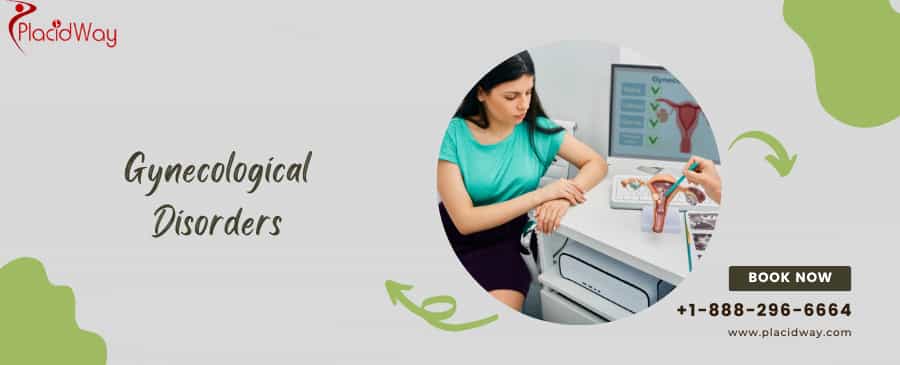
Navigating Gynecological Disorders: Your Path to Women's Health and Wellness
Facing a gynecological disorder can bring a wave of concerns, from discomfort and pain to worries about fertility and long-term health. These conditions, which affect the female reproductive system, are incredibly common but often come with a sense of isolation or uncertainty about treatment options. From heavy, painful periods and persistent pelvic pain to challenges with conception, gynecological issues can profoundly impact a woman's daily life, emotional well-being, and overall health.
Many women discover that traditional healthcare pathways in their home country present hurdles—whether it's long wait times, limited access to specialized treatments, or prohibitively high costs. This is where the option of seeking treatment abroad for gynecological disorders becomes a compelling consideration. Medical tourism offers a pathway to world-class care, often at a more affordable price, and with faster access to leading specialists and cutting-edge technologies.
Whether you're dealing with uterine fibroids, endometriosis, polycystic ovary syndrome (PCOS), ovarian cysts, abnormal uterine bleeding, or require more complex procedures like a hysterectomy or myomectomy, understanding your condition and available treatments is the first step. This guide aims to demystify gynecological disorders and explore how international healthcare can offer a solution, providing clarity, empathy, and practical insights for your journey to better health.
What are the common symptoms of gynecological disorders?
Recognizing the signs of a gynecological disorder is crucial for early diagnosis and effective treatment. These symptoms can often be dismissed as "normal" or "just part of being a woman," but if they are persistent, severe, or interfere with your daily life, they warrant medical attention. Here are some of the most common symptoms:
- Persistent Pelvic Pain: This can range from a dull ache to sharp, stabbing pains in the lower abdomen or pelvis. It might be constant or intermittent and can be a sign of conditions like endometriosis, ovarian cysts, or pelvic inflammatory disease (PID). Many women search for "why do I have constant pelvic pain" or "causes of lower abdominal discomfort female."
- Abnormal Vaginal Bleeding: This includes very heavy periods (menorrhagia), bleeding between periods, prolonged periods, or post-menopausal bleeding. It can indicate fibroids, polyps, hormonal imbalances, or more serious conditions. Patients often look for "heavy periods causes" or "bleeding after menopause."
- Painful Periods (Dysmenorrhea): While some discomfort is normal, severe, debilitating pain that disrupts daily activities is not. This can be a symptom of endometriosis or adenomyosis. Search terms like "extreme period pain causes" are common.
- Painful Intercourse (Dyspareunia): Pain during or after sexual activity can stem from various gynecological issues, including endometriosis, fibroids, ovarian cysts, or vaginal infections.
- Unusual Vaginal Discharge: Changes in color, odor, or consistency of vaginal discharge can signal infections (yeast, bacterial vaginosis) or other conditions.
- Abdominal Bloating or Pressure: Persistent bloating, feeling full quickly, or a sensation of pressure in the abdomen can be symptoms of ovarian cysts or even, in rare cases, ovarian cancer.
- Changes in Urination or Bowel Habits: Frequent urination, urgency, or difficulty with bowel movements can occur if gynecological growths (like large fibroids) press on the bladder or bowel.
- Infertility or Difficulty Conceiving: Many gynecological conditions, such as PCOS, endometriosis, and fibroids, can affect fertility. Women often search for "PCOS and infertility" or "endometriosis impact on fertility."
What causes gynecological disorders and are there risk factors?
The causes of gynecological disorders are diverse and often multifactorial. Understanding these can help in prevention and effective management:
- Hormonal Imbalances: Conditions like PCOS, endometriosis, and fibroids are often linked to fluctuations or imbalances in hormones such as estrogen, progesterone, and androgens. For example, excess estrogen can fuel fibroid growth and endometriosis. Many patients search for "hormonal imbalance symptoms female" or "how hormones affect women's health."
- Infections: Sexually transmitted infections (STIs) and other vaginal infections (e.g., bacterial vaginosis, yeast infections) can lead to more serious conditions like pelvic inflammatory disease (PID) if left untreated, causing chronic pain and infertility.
- Genetics and Family History: Some conditions, like endometriosis, fibroids, and certain types of ovarian or uterine cancers, have a genetic predisposition, meaning they run in families. Patients might search for "is endometriosis hereditary" or "fibroids family history."
- Lifestyle Factors: Diet, exercise, stress levels, and environmental exposures can influence hormonal balance and overall reproductive health. Obesity, for instance, is a known risk factor for PCOS and certain cancers.
- Structural Abnormalities: These can be congenital (present from birth) or acquired, such as uterine malformations or adhesions from previous surgeries.
- Age: A woman's age plays a significant role. For example, fibroids are more common in women in their 30s and 40s, while ovarian cancer risk increases with age.
What types of treatments are available for gynecological disorders?
The approach to treating gynecological disorders is highly individualized, depending on the specific diagnosis, its severity, your age, fertility goals, and overall health. Treatments can range from conservative management to advanced surgical interventions:
- Medication and Hormonal Therapy:
- Pain relievers: Over-the-counter or prescription NSAIDs for period pain or pelvic discomfort.
- Hormonal birth control: Pills, patches, rings, or IUDs can regulate periods, reduce bleeding, manage endometriosis symptoms, and help with PCOS.
- GnRH agonists and antagonists: Used to induce a temporary menopause-like state to shrink fibroids or manage severe endometriosis.
- Metformin: Often prescribed for PCOS to improve insulin resistance.
- Minimally Invasive Surgery:
- Laparoscopy: A keyhole surgery using a small incision to remove cysts, fibroids (myomectomy), endometriosis implants, or even perform a hysterectomy. It offers faster recovery and less scarring. Search terms: "laparoscopic fibroid removal," "endometriosis surgery minimally invasive."
- Hysteroscopy: A thin, lighted scope inserted through the vagina and cervix to view and remove polyps, fibroids, or correct uterine abnormalities inside the uterus.
- Traditional Open Surgery:
- Myomectomy: Surgical removal of uterine fibroids while preserving the uterus. May be open (laparotomy) for larger or numerous fibroids.
- Hysterectomy: Surgical removal of the uterus. This can be total (uterus and cervix) or subtotal (uterus only), and may include removal of ovaries and fallopian tubes (oophorectomy/salpingectomy). Performed for severe fibroids, adenomyosis, certain cancers, or intractable bleeding. Patients often look for "hysterectomy types" or "when is hysterectomy necessary."
- Non-Surgical Procedures:
- Uterine Artery Embolization (UAE): A minimally invasive procedure to block blood flow to fibroids, causing them to shrink.
- Endometrial Ablation: A procedure to destroy the lining of the uterus to reduce heavy bleeding.
- Lifestyle Modifications: Diet, exercise, stress management, and nutritional supplements can play a supportive role, especially for conditions like PCOS.
Who is eligible for gynecological disorder treatment?
Eligibility for any gynecological treatment is determined after a thorough evaluation by a gynecologist. This assessment considers several factors:
- Diagnosis Confirmation: First and foremost, a clear diagnosis of the specific gynecological disorder is necessary through physical exams, imaging (ultrasound, MRI), blood tests, and sometimes biopsies.
- Symptom Severity and Impact: If symptoms significantly impair quality of life, cause severe pain, heavy bleeding, or pose risks to health, treatment is usually recommended. For example, "when is surgery needed for fibroids" is a common patient query.
- Age and Life Stage: Treatment plans can differ for adolescents, women of reproductive age, and post-menopausal women. Fertility preservation is a key consideration for younger women.
- Overall Health and Medical History: Patients must be medically fit for procedures, especially surgery. Pre-existing conditions (e.g., heart disease, diabetes) are carefully evaluated.
- Response to Previous Treatments: If conservative treatments like medication have failed to alleviate symptoms, more aggressive options like surgery may be considered.
- Patient Preferences and Goals: Your personal desires, such as preserving fertility, avoiding surgery, or achieving a definitive cure, are central to treatment planning. For instance, "alternatives to hysterectomy" is a frequent search if a woman wants to keep her uterus.
What is the typical recovery time after gynecological procedures?
Recovery is a crucial part of any medical journey. The time it takes to heal varies greatly depending on the complexity and type of gynecological procedure you undergo:
- Minimally Invasive Procedures (Laparoscopy, Hysteroscopy):
- Initial Recovery: Most patients can return to light activities within 1-2 weeks.
- Full Recovery: Typically, 2-4 weeks. Expect some discomfort, bloating, and light spotting. Restrictions on heavy lifting and strenuous exercise are common. Search terms like "laparoscopic surgery recovery time" are relevant here.
- Vaginal or Abdominal Hysterectomy (Open Surgery):
- Initial Recovery: Hospital stay typically 1-3 days. Significant rest is needed for the first 2-3 weeks.
- Full Recovery: Can take 6-8 weeks, sometimes longer. Avoid heavy lifting, strenuous activity, and sexual intercourse during this period. Patients often search for "what to expect after hysterectomy" or "full recovery after abdominal hysterectomy."
- Open Myomectomy: Similar to an abdominal hysterectomy, recovery generally takes 4-6 weeks for full healing and return to normal activities.
- Non-Surgical Procedures (e.g., Endometrial Ablation, UAE):
- Recovery: Often an outpatient procedure with a few days of rest. You might experience cramping, spotting, or a watery discharge for a few days to weeks.
It's important to follow your surgeon's post-operative instructions carefully, which include managing pain, monitoring for signs of infection, and gradually resuming activities. Rest is paramount for proper healing.
What are the potential risks and side effects of gynecological treatments?
While gynecological treatments are generally safe and effective, it's important to be aware of potential risks and side effects, which vary by procedure:
- General Surgical Risks (for any invasive procedure):
- Infection: At the incision site or internally.
- Bleeding: During or after surgery, potentially requiring a transfusion.
- Adverse Reaction to Anesthesia: Nausea, vomiting, or more severe allergic reactions.
- Damage to Nearby Organs: Though rare, bladder, bowel, or ureter injury can occur.
- Blood Clots: Deep vein thrombosis (DVT) or pulmonary embolism (PE), especially after prolonged surgery.
- Specific Surgical Risks:
- Fibroid Surgery (Myomectomy): Scarring that could impact future fertility or require C-section for future pregnancies.
- Hysterectomy: Early menopause if ovaries are removed, bladder dysfunction, or vaginal prolapse. "Risks of hysterectomy" is a common search term.
- Laparoscopy: Small risk of instrument-related injury.
- Risks of Hormonal Therapies:
- Mood Changes: Depression or irritability.
- Hot Flashes and Night Sweats: Common with GnRH agonists.
- Weight Gain, Bloating, Breast Tenderness: Common with various hormonal treatments.
- Bone Density Loss: With long-term use of certain hormonal suppressants.
- Fertility Impact: Some treatments (e.g., hysterectomy, endometrial ablation) prevent future pregnancies. Discussions about "fertility preservation before fibroid surgery" are common.
Your doctor will discuss all potential risks and benefits tailored to your specific condition and chosen treatment plan.
How much do gynecological disorder treatments cost worldwide?
One of the most significant motivators for seeking gynecological treatment abroad is the substantial cost savings without compromising on quality. The price difference can be staggering for procedures that are often not fully covered by insurance in Western countries. Here’s a general comparison (costs are approximate and can vary widely based on individual circumstances, surgeon's fees, hospital stay, etc.):
| Procedure | USA / UK / Canada (Approx. USD) | Turkey / Mexico / India / Thailand (Approx. USD) |
|---|---|---|
| Laparoscopic Myomectomy (Fibroid Removal) | $15,000 - $35,000+ | $5,000 - $12,000 |
| Abdominal Hysterectomy | $20,000 - $40,000+ | $6,000 - $15,000 |
| Endometriosis Excision Surgery | $18,000 - $30,000+ | $5,500 - $10,000 |
| Ovarian Cyst Removal | $10,000 - $25,000+ | $3,000 - $8,000 |
| Hysteroscopic Polypectomy | $5,000 - $12,000+ | $2,000 - $5,000 |
These prices often include hospital fees, surgeon fees, anesthesia, and sometimes post-operative care, making the overall package significantly more attractive for those searching for "affordable fibroid removal abroad" or "cost of endometriosis treatment in Mexico."
Why should I consider traveling abroad for gynecological disorder treatment?
For many women, the decision to seek gynecological treatment abroad is driven by compelling advantages:
- Significant Cost Savings: As seen in the table above, the cost of procedures in countries like Turkey, Mexico, India, and Thailand can be a fraction of what you'd pay in the US, UK, or Canada, even when factoring in travel and accommodation. This is a primary driver for those searching for "cheap gynecological surgery abroad."
- Access to Specialized Expertise: Many international hospitals boast highly skilled surgeons who are leaders in their fields, often trained in Western countries and specializing in complex gynecological conditions. They may offer specific techniques or approaches not widely available elsewhere. Patients often seek "best fibroid surgeon abroad" or "endometriosis specialist international."
- Reduced Wait Times: Long waiting lists for specialist consultations or surgeries can delay critical care, especially for conditions that cause ongoing pain or impact fertility. Abroad, appointments and procedures can often be scheduled much faster.
- Advanced Technology and Facilities: Many medical tourism destinations have invested heavily in state-of-the-art hospitals equipped with the latest diagnostic and surgical technologies, rivaling those in leading Western countries.
- Privacy and Discretion: Some women prefer to undergo sensitive gynecological procedures away from their home country for greater privacy.
- Comprehensive Care Packages: Many international clinics offer all-inclusive packages that cover medical fees, accommodation, airport transfers, and even a dedicated patient coordinator, simplifying the entire process.
Which countries offer the best value for gynecological treatments?
Several countries have emerged as leaders in providing high-quality, affordable gynecological care for international patients:
- Turkey: Known for its JCI-accredited hospitals, modern facilities, and highly skilled surgeons, particularly in Istanbul and Ankara. Turkey offers excellent value for a range of procedures, often blending advanced medical technology with rich cultural experiences. Search terms: "gynecology treatment Turkey," "fibroid removal Istanbul."
- Mexico: A popular choice for North Americans due to its proximity. Cities like Tijuana, Cancun, and Guadalajara offer high-quality care, often with English-speaking staff and competitive pricing. It's a go-to for "affordable women's health Mexico."
- India: A global hub for medical tourism, India provides highly skilled specialists, advanced hospitals, and some of the most competitive prices, especially for complex surgeries. Many hospitals have international patient departments to facilitate travel and care. Patients search for "gynecology India medical tourism."
- Thailand: Renowned for its hospitality and world-class private hospitals, particularly in Bangkok and Phuket. Thailand offers a blend of excellent medical care, advanced technology, and a supportive environment for recovery. Search terms: "women's health Bangkok," "ovarian cyst removal Thailand."
- South Korea: While potentially higher in cost than some other Asian destinations, South Korea offers extremely advanced medical technology, highly specialized procedures, and exceptional patient care, particularly for complex cases or those seeking leading-edge treatments.
How can I ensure safety and quality when seeking gynecological care abroad?
Ensuring safety and quality is paramount when considering medical treatment abroad. Here’s how you can make an informed decision:
- Choose Accredited Facilities: Look for hospitals with international accreditation, such as Joint Commission International (JCI). This signifies that the facility meets rigorous international standards for patient safety and quality of care. Many patients specifically search for "JCI accredited hospitals for gynecology."
- Verify Doctor's Credentials: Research your surgeon's qualifications, experience, and specialization. Many international doctors have certifications from Western boards and extensive experience with international patients. Don't hesitate to ask for their CV or patient success rates for your specific condition.
- Read Patient Testimonials and Reviews: Seek out real patient experiences and reviews. Platforms like PlacidWay often feature verified testimonials and case studies that can provide valuable insights. Look for stories from women who have had similar gynecological procedures.
- Use Reputable Medical Tourism Facilitators: Companies like PlacidWay specialize in connecting patients with trusted international healthcare providers. They can help you with clinic selection, travel arrangements, language support, and ensure transparent pricing and communication. This significantly reduces the burden and risk.
- Clear Communication: Ensure there are clear channels for communication with the medical team, preferably in your native language. A good medical tourism facilitator will ensure this.
- Understand the Full Treatment Plan: Before you travel, have a detailed understanding of your diagnosis, the proposed treatment, potential risks, expected outcomes, and the post-operative care plan. Ask about follow-up care upon your return home.
- Emergency Preparedness: Understand the clinic’s emergency protocols and ensure you have comprehensive travel insurance that includes medical emergencies.
By taking these steps, you can confidently pursue high-quality, safe, and effective gynecological care internationally, transforming your health journey into a success story.
Take the Next Step with PlacidWay
Ready to explore treatment options abroad? Discover top clinics, compare prices, and get a free quote tailored to your needs with PlacidWay.
Cheap Gyn Surgical Procedures Packages




.png)
.png)






-1.png)










Share this listing