
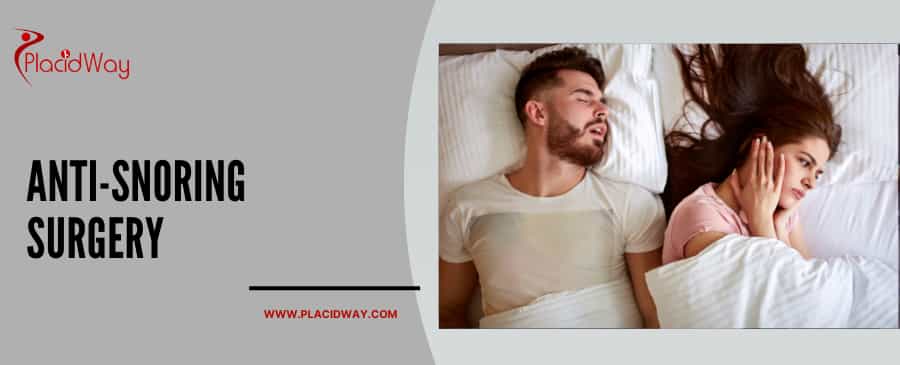
Reclaim Peaceful Sleep: Your Guide to Anti-Snoring Surgery Options
Do you or a loved one suffer from disruptive, chronic snoring that impacts sleep quality and daily life? You're not alone. Snoring is more than just a nuisance; it can be a sign of underlying health issues and can significantly strain relationships. While lifestyle changes and non-surgical remedies offer some relief, for many, a more definitive solution is needed. That's where anti-snoring surgery comes into play.
Anti-snoring surgery encompasses a range of procedures designed to open up the airway and reduce or eliminate the vibrations that cause snoring. From addressing soft palate issues to correcting nasal obstructions, these surgical interventions aim to restore quiet, restorative sleep. For individuals who have exhausted other options and are seeking a long-term fix, exploring surgical treatments can be a life-changing decision.
Increasingly, patients are looking beyond their borders for high-quality, affordable medical care. Medical tourism for anti-snoring surgery offers a compelling opportunity to access world-class facilities and experienced surgeons at a fraction of the cost found in many Western countries. This comprehensive guide will walk you through everything you need to know about anti-snoring surgery, including its symptoms, causes, types of procedures, recovery, costs, and why considering treatment abroad might be your best path to silent nights.
What are the common symptoms associated with chronic snoring and sleep apnea?
Chronic snoring isn't just about noise; it's often a red flag for poor sleep quality and potentially more serious conditions like obstructive sleep apnea (OSA). If you experience any of these symptoms, it's crucial to seek medical advice:
- Loud, frequent snoring: This is the most obvious sign, often reported by a bed partner.
- Daytime sleepiness or fatigue: Despite sleeping for what seems like enough hours, you wake up feeling unrefreshed and struggle with drowsiness throughout the day.
- Morning headaches: Waking up with a dull headache can be a sign of oxygen deprivation during sleep.
- Difficulty concentrating: Lack of restorative sleep can impair cognitive function.
- Irritability or mood changes: Chronic sleep deprivation affects emotional regulation.
- Observed breathing pauses or gasps during sleep: A bed partner might notice you stop breathing for short periods, followed by a gasp or choke. This is a strong indicator of sleep apnea.
- Frequent nighttime awakenings: You might wake up often, sometimes choking or gasping for air.
- High blood pressure: Sleep apnea is a significant risk factor for hypertension.
Understanding these symptoms is the first step towards finding effective relief and improving your overall health. Many people search for "why do I snore so loud?" or "snoring and fatigue" because they feel the direct impact of these issues.
What causes snoring, and what are the main risk factors?
Snoring happens when the air flowing through your nose and mouth is obstructed. As you breathe, this obstructed airflow causes the soft tissues in your throat (like the soft palate and uvula) to vibrate, creating the characteristic snoring sound. Think of it like a flag flapping in the wind – the looser the fabric, the louder the flap.
Several factors contribute to this obstruction and increase your risk of snoring:
- Anatomy of your mouth and sinuses: A low, thick soft palate, enlarged tonsils or adenoids, a long uvula, or a narrow throat can constrict your airway.
- Obesity: Excess fatty tissue around the neck can narrow the airway, particularly when lying down. Many people search for "snoring and weight gain" or "can losing weight stop snoring?"
- Alcohol consumption: Alcohol relaxes throat muscles, making them more likely to collapse and obstruct the airway.
- Nasal problems: Chronic nasal congestion, a deviated septum, or nasal polyps can force air through the mouth, increasing snoring likelihood.
- Sleep position: Sleeping on your back allows gravity to pull your tongue and soft palate to the back of your throat.
- Sleep deprivation: Being overtired can cause throat muscles to relax more than usual.
- Smoking: Smoking irritates the airways, leading to inflammation and swelling, which can narrow the passages.
- Age: As we age, throat muscles tend to lose tone, making snoring more common.
What types of anti-snoring surgeries are available to stop snoring?
There isn't a single "anti-snoring surgery"; rather, there are various procedures tailored to address different anatomical causes of snoring. Your ENT specialist will determine the best option based on your specific condition and the location of the airway obstruction. Popular surgical options include:
- Uvulopalatopharyngoplasty (UPPP): This is one of the most common anti-snoring surgeries. It involves removing excess tissue from the soft palate, uvula, tonsils, and sometimes parts of the pharynx to widen the airway. Patients often ask, "What is UPPP surgery for snoring?"
- Pillar Procedure (Palatal Implants): Small, woven polyester implants are inserted into the soft palate to stiffen it, reducing vibrations. It's a less invasive option.
- Laser-Assisted Uvulopalatoplasty (LAUP): A laser is used to trim and reshape the uvula and soft palate, often performed in stages under local anesthesia. Patients often search for "laser snoring surgery reviews."
- Radiofrequency Ablation (Somnoplasty): Radiofrequency energy is used to shrink and stiffen tissues in the soft palate, tongue base, or turbinates (nasal tissues).
- Genioglossus Advancement (GA): This procedure pulls the tongue forward by tightening its attachment to the lower jaw, preventing it from collapsing backward.
- Maxillomandibular Advancement (MMA): A more extensive surgery for severe sleep apnea, where both the upper and lower jaws are surgically moved forward to enlarge the entire airway.
- Septoplasty and Turbinate Reduction: If nasal obstruction is a primary cause, surgery to correct a deviated septum or reduce enlarged nasal turbinates can improve airflow through the nose. People often look for "turbinate reduction for snoring."
- Tonsillectomy and Adenoidectomy: If enlarged tonsils or adenoids are contributing to the obstruction, their removal can significantly help, especially in children and some adults.
Who is an ideal candidate for anti-snoring surgery?
Deciding on anti-snoring surgery is a significant step. Not everyone who snores is a candidate. Generally, you might be considered for surgery if:
- You have chronic, disruptive snoring: Your snoring significantly impacts your own sleep quality or your bed partner's.
- Non-surgical treatments have failed: You've tried lifestyle changes (weight loss, avoiding alcohol, sleeping on your side), oral appliances, or nasal strips without adequate success.
- You've been thoroughly evaluated: An ENT specialist has performed a physical examination, potentially an endoscopic evaluation, and a sleep study (polysomnography) to rule out or diagnose sleep apnea and pinpoint the exact source of your snoring.
- Your snoring is primarily due to anatomical issues: Such as an enlarged uvula, soft palate, tonsils, or nasal obstructions.
- You are in good general health: Free from medical conditions that would increase surgical risks.
- You have realistic expectations: While often highly effective, no surgery guarantees 100% elimination of snoring for every patient.
It's crucial to understand that surgery for snoring is different from surgery for severe obstructive sleep apnea (OSA), although some procedures overlap. If you have OSA, the primary goal will be to treat the breathing pauses, not just the sound of snoring.
What is the typical recovery time and what should I expect after anti-snoring surgery?
Recovery from anti-snoring surgery depends greatly on the specific procedure performed. Generally, here’s what you can expect:
- Pain Management: Throat pain is common, especially with procedures involving the soft palate (like UPPP or LAUP). You'll be prescribed pain medication, and it's crucial to take it as directed.
- Dietary Adjustments: For the first few days to weeks, a soft or liquid diet is usually recommended to avoid irritating the surgical site. Think soups, yogurts, mashed potatoes, and smoothies.
- Swelling: Expect some swelling in the throat and mouth, which can make swallowing uncomfortable. This usually subsides within a week or two.
- Voice Changes: Your voice might sound different or muffled temporarily due to swelling.
- Activity Restrictions: Strenuous activity, heavy lifting, and intense exercise should be avoided for several weeks to prevent bleeding and aid healing.
- Full Recovery:
- Minimally invasive procedures (Pillar, Radiofrequency Ablation): Often a few days to a week of mild discomfort, with full recovery within 2-3 weeks.
- More extensive procedures (UPPP, Tonsillectomy): Expect significant throat pain for 1-2 weeks, with full recovery typically taking 3-6 weeks.
Following your surgeon's post-operative instructions precisely is vital for a smooth recovery and optimal results. Many patients ask, "How long after snoring surgery can I eat normally?" or "Recovery time for UPPP surgery."
What are the potential risks and side effects of anti-snoring surgery?
While generally safe, anti-snoring surgery, like any medical procedure, carries potential risks and side effects. It's essential to discuss these thoroughly with your surgeon:
- Pain: As mentioned, throat pain is common and can be significant after certain procedures.
- Bleeding: There's a risk of bleeding during or after surgery, though usually minor.
- Infection: Any surgical site is susceptible to infection.
- Reaction to Anesthesia: Risks associated with general anesthesia, though rare, include nausea, vomiting, and more serious complications.
- Difficulty Swallowing (Dysphagia): Temporary difficulty swallowing is common due to swelling. In rare cases, it can be persistent.
- Changes in Voice (Velopharyngeal Insufficiency): The removal of palate tissue can sometimes cause a "nasal" sounding voice or lead to liquids coming out of the nose when swallowing, especially after UPPP. This is usually temporary but can be permanent.
- Dry Mouth/Throat: Alterations to the airway can sometimes lead to chronic dry mouth.
- Taste Alteration: Though rare, changes in taste sensation can occur.
- Persistent or Recurrent Snoring: Surgery does not guarantee a complete cure for snoring in every patient, and snoring can sometimes return or persist, especially if underlying issues like weight gain re-emerge.
- Worsening of Sleep Apnea: In very rare cases, if not properly assessed, surgery might alter the airway in a way that paradoxically worsens sleep apnea, or it might not address the root cause.
Your surgeon will assess your individual risk factors and discuss how to minimize these potential complications.
How much does anti-snoring surgery cost, and how do prices compare globally?
The cost of anti-snoring surgery can be a major factor in a patient's decision, and prices vary dramatically based on the type of procedure, the complexity of the case, the surgeon's fees, hospital charges, anesthesia, and geographic location. Here's a general cost comparison:
| Procedure Type | USA / Canada (Est.) | UK / Western Europe (Est.) | Mexico / India / Turkey / Thailand (Est.) |
|---|---|---|---|
| Pillar Procedure / Radiofrequency Ablation | $3,000 - $8,000 | €2,500 - €7,000 | $1,500 - $4,000 |
| LAUP (Laser-Assisted Uvulopalatoplasty) | $4,000 - $9,000 | €3,000 - €8,000 | $2,000 - $5,000 |
| UPPP (Uvulopalatopharyngoplasty) | $6,000 - $15,000+ | €5,000 - €12,000+ | $3,000 - $7,000 |
| Septoplasty / Turbinate Reduction (combined) | $5,000 - $10,000+ | €4,000 - €9,000+ | $2,500 - $6,000 |
| Maxillomandibular Advancement (MMA - more complex) | $30,000 - $70,000+ | €25,000 - €60,000+ | $15,000 - $35,000+ |
These figures are estimates and can vary based on individual patient needs, specific clinic, and inclusion of pre-operative tests, consultations, and post-operative care. Many patients search for "stop snoring surgery cost" or "affordable snoring treatment."
Why should I consider anti-snoring surgery abroad for better value and care?
For many, the idea of combining necessary medical treatment with international travel is increasingly appealing. Here's why medical tourism for anti-snoring surgery is growing:
- Significant Cost Savings: This is often the primary driver. Procedures in countries like Mexico, India, Turkey, and Thailand can be 50-70% less expensive than in the USA, Canada, or Western Europe, even when factoring in travel and accommodation.
- Access to Specialized Surgeons and Advanced Facilities: Many medical tourism destinations boast internationally accredited hospitals and highly trained surgeons with extensive experience in ENT and sleep medicine, often educated and trained in Western countries.
- Reduced Waiting Times: In some countries, patients face long waitlists for surgical procedures. Traveling abroad can provide immediate access to care.
- Privacy and Confidentiality: Some patients prefer the discretion that comes with undergoing a medical procedure away from their home country.
- Recovery in a Relaxing Environment: The opportunity to recover in a serene, often vacation-like setting can contribute positively to the healing process and overall well-being.
Patients often search for "snoring surgery abroad reviews" or "best country for snoring treatment" to explore these benefits.
Which countries are best known for high-quality and affordable anti-snoring surgery for medical tourists?
When seeking anti-snoring surgery abroad, several countries have established themselves as leaders in medical tourism, offering excellent care and value:
- Mexico: Known for its proximity to the US, Mexico offers accessible, high-quality care with many accredited hospitals, particularly in border cities and popular destinations like Cancun and Guadalajara.
- India: A global hub for medical tourism, India provides state-of-the-art facilities and highly skilled surgeons at remarkably competitive prices, especially for more complex procedures.
- Thailand: Famous for its luxurious private hospitals, world-class medical professionals, and incredible hospitality, Thailand offers a fantastic blend of treatment and recovery in a beautiful setting.
- Turkey: With significant investments in healthcare infrastructure, Turkey boasts modern hospitals, experienced surgeons, and attractive packages that combine treatment with tourism, particularly in Istanbul and Ankara.
- Costa Rica: A beautiful, peaceful country known for its high-quality dental and medical care, Costa Rica offers personalized attention and excellent recovery environments.
When considering these destinations, look for hospitals with international accreditations (like JCI – Joint Commission International) and surgeons with specialized training and affiliations.
What should I expect when traveling overseas for anti-snoring surgery?
The journey for overseas anti-snoring surgery typically involves several key stages:
- Initial Consultation & Planning: This often begins with a virtual consultation (telemedicine) with a surgeon or a medical tourism facilitator like PlacidWay. You'll discuss your symptoms, medical history, and treatment goals.
- Travel Logistics: Once a plan is agreed upon, you'll arrange flights, accommodation, and any necessary visas. Many clinics offer assistance with these arrangements.
- Pre-Operative Assessments: Upon arrival at your chosen destination, you'll undergo thorough in-person medical evaluations, including blood tests, imaging, and a final consultation with your surgeon and anesthesiologist.
- The Procedure: The anti-snoring surgery will be performed.
- Hospital Stay & Initial Recovery: Depending on the procedure, you might stay in the hospital for a short period (e.g., overnight). You'll then recover in local accommodation for a recommended period, allowing for follow-up appointments and monitoring.
- Post-Operative Follow-ups: Your surgeon will monitor your healing process and provide instructions for home care.
- Return Home: Once medically cleared, you can travel back, usually with a detailed recovery plan and instructions for remote follow-up if needed.
A reputable medical tourism facilitator can streamline this entire process, ensuring a smooth and stress-free experience from start to finish. People often search for "medical tourism process for snoring surgery."
How can I ensure safety and quality when choosing an anti-snoring surgery provider abroad?
Ensuring safety and quality is paramount when considering medical treatment anywhere, especially abroad. Here are key steps:
- Seek International Accreditation: Look for hospitals that have international accreditations like Joint Commission International (JCI) or ISO certifications. These indicate adherence to global standards of patient care and safety.
- Verify Surgeon Credentials: Research your surgeon's qualifications, experience, and specialization in ENT/sleep medicine. Check their board certifications, years of practice, and professional affiliations.
- Read Patient Reviews and Testimonials: While individual experiences vary, a pattern of positive feedback can be reassuring.
- Transparent Pricing: Ensure the quoted price is comprehensive and includes all aspects: surgeon's fees, anesthesia, hospital stay, pre- and post-operative care, and any necessary medical supplies. Avoid hidden costs.
- Communication: Ensure clear communication with the medical team. Do they have interpreters if there's a language barrier? Do they respond promptly and thoroughly to your questions?
- Utilize a Reputable Medical Tourism Facilitator: Companies like PlacidWay specialize in vetting clinics and surgeons worldwide, helping patients navigate the complexities of international medical travel and ensuring quality and safety standards are met.
What are some success stories from patients who have had anti-snoring surgery abroad?
While individual outcomes vary, the vast majority of patients who undergo successful anti-snoring surgery abroad report profound improvements in their quality of life. Imagine a typical scenario:
"Mark, a 52-year-old from Canada, suffered from chronic, loud snoring for decades, leading to severe daytime fatigue and constant arguments with his wife. After trying various non-surgical remedies with no success, he faced a long waitlist and high costs for UPPP surgery at home. He decided to explore options in Turkey through PlacidWay. Within weeks, he had consulted with a top ENT surgeon, undergone the procedure, and spent two weeks recovering in a beautiful coastal town. Upon returning home, his wife reported an immediate and dramatic reduction in his snoring. Mark now wakes up refreshed, his energy levels have soared, and their relationship has dramatically improved. He often says, 'It wasn't just about stopping the snoring; it was about getting my life back, and the incredible value made it possible.'"
Such stories are common, highlighting the transformative potential of these procedures when performed by skilled hands in well-equipped facilities. Patients often share how their partners are finally getting restful sleep, how they feel more energetic at work, and how their overall health has benefited from consistent, quality sleep. These testimonials underscore the tangible benefits and why so many are choosing to travel for this specific medical procedure.
Take the Next Step with PlacidWay
Ready to explore treatment options abroad? Discover top clinics, compare prices, and get a free quote tailored to your needs with PlacidWay.




.png)


.png)



-(1).png)
.png)
.png)













Share this listing