
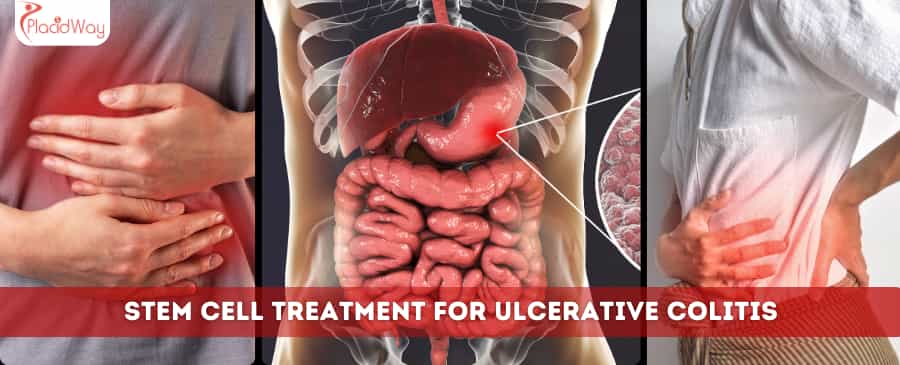
Finding Lasting Relief: Stem Cell Treatment for Ulcerative Colitis
Ulcerative Colitis (UC) is more than just a medical condition; it's a profound disruption to everyday life. For millions worldwide, the unpredictable nature of flares, the constant pain, and the relentless journey through medications can feel overwhelming. If you're living with UC, you understand the emotional and physical toll it takes, often leaving you searching for answers beyond conventional therapies.
Imagine a treatment that doesn't just manage symptoms but aims to address the underlying inflammation and damage in your colon. This is the promise of stem cell treatment for Ulcerative Colitis – an advanced, regenerative approach gaining traction globally, particularly for those seeking innovative options and access to cutting-edge care through medical tourism.
Ulcerative Colitis is a chronic inflammatory bowel disease (IBD) that causes long-lasting inflammation and ulcers (sores) in the digestive tract. It typically affects the innermost lining of the large intestine (colon) and rectum. Common symptoms include abdominal pain, bloody diarrhea, urgent bowel movements, fatigue, and weight loss. The exact cause is unknown, but it's believed to be a combination of genetic predisposition, immune system dysfunction, and environmental factors. For many, traditional treatments like anti-inflammatory drugs, immunosuppressants, and biologics offer varying degrees of relief, but they often come with significant side effects or may eventually lose effectiveness, prompting a search for more sustainable solutions.
This comprehensive guide explores how stem cell therapy is emerging as a beacon of hope for UC patients, delving into how it works, what to expect, and why exploring this treatment abroad could be your next best step. We'll cover everything from symptoms and causes to eligibility, costs, and essential considerations for international medical travel, helping you navigate your path towards a healthier, more fulfilling life.
What are the common symptoms of Ulcerative Colitis?
Recognizing the symptoms of Ulcerative Colitis is crucial for early diagnosis and management. While symptoms can vary from person to person and fluctuate in severity, some are particularly common and indicative of the condition. Patients often search for "UC symptoms," "what does UC feel like," or "signs of inflammatory bowel disease."
- Persistent Diarrhea: Often bloody or containing pus, this is one of the most defining symptoms.
- Abdominal Pain and Cramping: Discomfort, usually in the lower abdomen, which can be severe.
- Urgency to Defecate: A strong, sudden urge to have a bowel movement, even when the bowel is empty (tenesmus).
- Rectal Pain or Bleeding: The passage of small amounts of blood with stool.
- Fatigue: Persistent tiredness that doesn't improve with rest, often due to chronic inflammation and anemia.
- Weight Loss: Unintended weight loss due to poor nutrient absorption and reduced appetite.
- Fever: Low-grade fever can occur during flares.
- Extraintestinal Symptoms: UC can also affect other parts of the body, leading to joint pain (arthritis), skin lesions, eye inflammation, and liver problems.
If you experience any of these symptoms, especially bloody diarrhea or unexplained abdominal pain, it's vital to consult a healthcare professional for an accurate diagnosis.
What causes Ulcerative Colitis and who is at risk?
While the precise "cause of Ulcerative Colitis" remains elusive, research points to a complex interplay of several factors. Patients often ask, "Is UC genetic?" or "What triggers Ulcerative Colitis?"
- Immune System Dysfunction: One leading theory suggests that in people with UC, the immune system mistakenly attacks healthy cells in the digestive tract, leading to inflammation. Instead of fighting off invaders, it reacts to harmless bacteria or food components.
- Genetics: UC tends to run in families. If you have a close relative with UC, your risk is higher. Scientists have identified several genes that increase susceptibility.
- Environmental Factors: Diet, stress, and certain medications (like NSAIDs) can exacerbate symptoms but are not considered direct causes. Living in developed countries and urban areas seems to be a risk factor, possibly due to diet, hygiene, or pollution. Smoking, surprisingly, decreases the risk of UC but increases the risk of Crohn's disease.
- Gut Microbiome: Imbalances in the trillions of bacteria living in the gut may play a role in initiating or perpetuating inflammation.
Risk Factors include:
- Age: UC can occur at any age, but it often begins before age 30. Some people may not develop the disease until their 50s or 60s.
- Race or Ethnicity: Although Caucasians have the highest risk, the disease can affect any race. People of Ashkenazi Jewish descent have an even higher risk.
- Family History: As mentioned, having a parent, sibling, or child with UC significantly increases your risk.
How does stem cell therapy for Ulcerative Colitis work?
Stem cell therapy represents a paradigm shift from simply managing symptoms to promoting healing and restoring function. Patients often inquire, "How do stem cells treat IBD?" or "What are the mechanisms of stem cell therapy for UC?"
The core principle behind stem cell treatment for Ulcerative Colitis lies in the unique properties of certain stem cells, particularly Mesenchymal Stem Cells (MSCs). These "repair crew" cells, often sourced from bone marrow, adipose tissue (fat), or umbilical cord tissue, have several key functions beneficial for UC:
- Immunomodulation: MSCs can "talk" to the overactive immune cells responsible for UC inflammation. They release various factors that can calm the immune response, reducing the production of pro-inflammatory cytokines and increasing anti-inflammatory ones. This helps to rebalance the immune system, preventing it from attacking the colon lining.
- Anti-inflammatory Effects: By modulating the immune response, MSCs directly reduce the inflammation that causes damage and symptoms in the colon.
- Tissue Regeneration and Repair: Stem cells have the potential to differentiate into other cell types and secrete growth factors that encourage the body's own repair mechanisms. In the context of UC, this means they can help heal damaged intestinal tissue, regenerate the mucosal lining, and restore the gut barrier function.
- Angiogenesis: They can promote the formation of new blood vessels, which is essential for proper tissue healing and nutrient supply to the damaged areas.
The stem cells are typically administered intravenously or, in some cases, directly into the affected area (e.g., via endoscopy). Once introduced, they migrate to sites of inflammation and injury, where they exert their therapeutic effects, working to quiet the immune system and kickstart the body's natural healing processes.
Who is a good candidate for stem cell treatment for UC?
Not everyone with Ulcerative Colitis is a suitable candidate for stem cell therapy. Eligibility criteria are stringent to ensure patient safety and maximize the potential for successful outcomes. Common search queries include "UC stem cell eligibility" and "who can get stem cell therapy for IBD?"
Generally, good candidates often meet the following criteria:
- Moderate to Severe UC: Patients who have a clear diagnosis of moderate to severe Ulcerative Colitis.
- Refractory to Conventional Treatments: Those who have not achieved sustained remission or have experienced severe side effects from standard therapies (e.g., biologics, immunosuppressants, corticosteroids). This is often referred to as "treatment-resistant UC."
- No Active Infections or Cancers: Patients should be free from active infections or any current malignancies, as stem cell therapy could potentially interfere with these conditions.
- Overall Good Health: Despite having UC, the patient should be in relatively stable general health, without major organ dysfunction (heart, kidney, liver).
- Age: While there's no strict age limit, younger patients often respond better. However, older patients are also considered if they meet other health criteria.
- Realistic Expectations: Understanding that while promising, stem cell therapy is not a guaranteed cure and outcomes can vary.
A comprehensive medical review, including detailed medical history, current health status, diagnostic tests (e.g., colonoscopy, biopsies), and blood work, will be performed by specialists to determine individual eligibility.
What can I expect during and after stem cell treatment for UC?
Understanding the process and what to expect can ease anxieties. Patients often search for "UC stem cell treatment process" or "recovery after stem cell therapy for Ulcerative Colitis."
During the Procedure:
- Cell Sourcing (if autologous): If using your own stem cells (autologous), a minor procedure will be performed to collect them, usually from your bone marrow (bone marrow aspiration) or adipose tissue (mini-liposuction). This is typically an outpatient procedure under local anesthesia. For allogeneic (donor) cells, this step is skipped.
- Cell Processing: The harvested cells are then processed in a specialized laboratory to concentrate and prepare them for infusion.
- Infusion: The prepared stem cells are typically administered intravenously (like a blood transfusion) over several hours. In some protocols, they may be delivered directly to the colon via endoscopy. The infusion itself is generally well-tolerated.
- Duration: The entire treatment protocol, including preparation and infusion, may range from a few days to a week, depending on the specific clinic and protocol.
Recovery Time and Expectations:
- Immediate Post-Treatment: You might experience mild fatigue, low-grade fever, or minor discomfort at the harvest site (if applicable). Most patients can resume light activities within a few days.
- First Few Weeks: Initial improvements may be subtle. The stem cells need time to integrate and exert their immunomodulatory and regenerative effects. You'll be advised to avoid strenuous activity and follow specific dietary recommendations.
- Longer-Term (Months): Significant improvements in UC symptoms – such as reduced frequency of bowel movements, less bleeding, decreased pain, and increased energy – typically become noticeable over several weeks to a few months. Regular follow-up appointments, including blood tests and potentially colonoscopies, will be crucial to monitor progress.
- Lifestyle Adjustments: Maintaining a healthy lifestyle, including diet, stress management, and avoiding triggers, will remain important to support the long-term efficacy of the treatment.
It's important to remember that stem cell therapy is a process, not an instant fix. Patience and adherence to post-treatment guidelines are key.
What are the potential risks and side effects of UC stem cell therapy?
Like any medical procedure, stem cell therapy carries potential risks and side effects, though they are generally considered to be low, especially when using autologous (patient's own) cells. Patients commonly ask, "Is stem cell treatment for UC safe?" or "What are the side effects of stem cell therapy for IBD?"
Potential Risks and Side Effects:
- Harvest Site Discomfort: If bone marrow or adipose tissue is harvested, you might experience pain, bruising, or swelling at the collection site, usually temporary.
- Infusion Reactions: Some patients may experience mild, transient side effects during or shortly after intravenous infusion, such as:
- Low-grade fever
- Chills
- Headache
- Nausea
- Fatigue
- Infection: As with any procedure involving needles or incisions, there's a small risk of infection, which is minimized by strict sterile techniques in reputable clinics.
- Immune Response (Allogeneic cells): If donor (allogeneic) stem cells are used, there's a theoretical, albeit rare, risk of immune rejection or graft-versus-host disease, though MSCs are known for their immunoprivileged properties, making this less common than with other cell types.
- Tumor Formation: This is a highly publicized but exceedingly rare theoretical risk, primarily associated with embryonic stem cells. The types of adult stem cells used for UC (like MSCs) have not shown a propensity for tumor formation in clinical studies.
- Ineffectiveness: The treatment may not be effective for all patients, and results can vary.
Choosing a reputable clinic with extensive experience in stem cell therapy for IBD, adhering to international safety standards, and providing thorough patient screening is paramount to minimizing risks.
How much does stem cell treatment for Ulcerative Colitis cost globally?
One of the primary drivers for medical tourism is the significant cost savings available in certain countries without compromising quality. Patients frequently search for "stem cell therapy UC cost," "cost of IBD stem cell treatment abroad," or "affordable UC treatment overseas."
The price of stem cell treatment for Ulcerative Colitis is highly variable and influenced by several factors:
- Country and Clinic Reputation: Highly developed countries with cutting-edge research and established regulations may have higher costs. Renowned clinics with extensive experience also command higher prices.
- Treatment Protocol: The type of stem cells used (autologous vs. allogeneic), the number of cell infusions, the cell dosage, and the duration of the treatment plan all impact the total cost.
- Inclusions: Some packages include initial consultations, diagnostic tests, follow-up care, accommodation, and airport transfers, while others only cover the procedure itself.
- Ancillary Services: Pre- and post-treatment medications, specialized diets, or complementary therapies can add to the overall expense.
Here's a general cost comparison (estimates only, subject to change):
| Country/Region | Estimated Cost Range (USD) | Key Factors for Cost |
|---|---|---|
| USA/Western Europe | $20,000 - $50,000+ | High R&D costs, stringent regulations, insurance complexity, reputation of specialized clinics. Often for clinical trials or highly specialized centers. |
| Mexico/Costa Rica | $12,000 - $25,000 | Lower operational costs, proximity for North Americans, growing medical tourism infrastructure. |
| India/Thailand/Malaysia | $8,000 - $20,000 | Very competitive pricing, established medical tourism, highly skilled doctors, advanced facilities. Often attractive for patients from Asia, Africa, and Middle East. |
| Eastern Europe (e.g., Ukraine, Georgia) | $10,000 - $22,000 | Emerging medical tourism, lower living and operational costs, often with a focus on advanced regenerative medicine. |
It’s essential to get a detailed quote that outlines everything included to avoid hidden costs. PlacidWay can help connect you with clinics that offer transparent pricing.
Why consider stem cell treatment for UC abroad?
The decision to seek medical care outside your home country, especially for a complex condition like Ulcerative Colitis, is significant. However, for many, the benefits of medical tourism for "UC stem cell treatment abroad" far outweigh the challenges. People frequently search for "medical tourism for IBD," "affordable stem cell therapy overseas," or "best countries for UC stem cells."
- Access to Innovative Therapies: Many countries have more progressive regulatory environments for regenerative medicine, offering stem cell treatments that might still be in clinical trial phases or not yet approved in a patient's home country. This can mean access to cutting-edge protocols sooner.
- Significant Cost Savings: As seen in the cost comparison, the price of stem cell therapy can be substantially lower in countries like Mexico, India, Thailand, or Eastern Europe, making it an accessible option for those without insurance coverage or facing high domestic costs.
- Reduced Waiting Times: In some healthcare systems, waiting lists for specialized treatments can be long. Traveling abroad often allows for quicker access to necessary procedures.
- High-Quality Care and Facilities: Many medical tourism destinations boast state-of-the-art hospitals, internationally trained doctors, and accreditations (e.g., JCI), ensuring high standards of care.
- Privacy and Anonymity: Some patients prefer the discretion that comes with receiving treatment in another country.
- Recovery in a Relaxing Environment: Combining treatment with a change of scenery can contribute positively to mental well-being and recovery.
For those feeling limited by their domestic options, medical tourism offers a pathway to explore advanced, potentially life-changing treatments for Ulcerative Colitis.
How can I ensure safety and quality when seeking UC stem cell therapy abroad?
Ensuring safety and quality is paramount when considering any medical procedure abroad, especially for a specialized treatment like stem cell therapy. Patients often search for "safe stem cell therapy abroad," "how to choose a good stem cell clinic overseas," or "medical tourism safety tips for IBD."
- Choose Accredited Clinics: Look for international accreditations like Joint Commission International (JCI), which signifies adherence to global healthcare quality and safety standards. Other local certifications are also important.
- Verify Doctor Credentials: Research the qualifications, experience, and specialization of the doctors who will be performing your treatment. Ensure they have specific experience with stem cell therapy for IBD.
- Understand the Treatment Protocol: Demand a clear, detailed explanation of the proposed stem cell treatment, including the type of cells, sourcing, processing, administration method, and expected number of infusions. Be wary of clinics promising "miracle cures" with vague explanations.
- Review Patient Testimonials and Outcomes: Seek out genuine patient reviews and, if possible, connect with former patients who have undergone similar treatments at the clinic. Ask for data on success rates, though understand individual results vary.
- Ask About Regulations: Inquire about the regulatory framework governing stem cell therapy in the chosen country and how the clinic complies with those regulations.
- Facilitator Assistance: Work with a reputable medical tourism facilitator like PlacidWay. We vet clinics, connect you with specialists, help you understand treatment options, and assist with logistics, adding an extra layer of security and convenience.
- Pre-travel Consultation: Insist on a thorough remote consultation with the treating physician before you travel to discuss your medical history, eligibility, and expected outcomes.
Diligence and thorough research are your best allies in making an informed decision about seeking stem cell therapy abroad.
Are there success stories and what are the long-term outlooks for UC stem cell patients?
Hearing about real-world results can be incredibly encouraging. Patients often seek "stem cell UC patient reviews," "success rates of stem cell therapy for IBD," or "long-term effects of UC stem cell treatment."
While stem cell therapy for Ulcerative Colitis is still considered an emerging field, particularly outside of strict clinical trials in some regions, there is a growing body of anecdotal evidence and clinical study results indicating positive outcomes:
- Symptom Improvement: Many patients report a significant reduction in UC symptoms, including decreased diarrhea, less rectal bleeding, reduced abdominal pain, and an improvement in urgency.
- Reduced Medication Dependency: Some patients have been able to reduce their dosage of conventional UC medications or even discontinue them under medical supervision, leading to fewer side effects.
- Improved Quality of Life: Beyond just symptom reduction, patients often experience increased energy levels, better sleep, and an overall improvement in their physical and mental well-being, allowing them to resume activities they once enjoyed.
- Mucosal Healing: Endoscopic evaluations in some patients post-treatment have shown signs of mucosal healing in the colon, indicating a reduction in inflammation and ulceration.
- Sustained Remission: A significant goal for UC patients is achieving and maintaining remission. Stem cell therapy has shown potential in inducing and prolonging remission for a subset of patients who previously struggled to respond to other treatments.
Long-Term Outlook:
The long-term outlook is continually being studied, but current data from various clinics and trials suggest that the benefits can be sustained for several years. Like any chronic condition, UC may require ongoing management, and stem cell therapy might be part of a broader, personalized treatment strategy. Regular follow-ups with your gastroenterologist are essential to monitor your condition and optimize your health post-stem cell treatment.
It's crucial to approach these success stories with a balanced perspective, understanding that individual responses can vary. However, for those who have exhausted conventional options, stem cell therapy offers a very real prospect of a better quality of life.
Take the Next Step with PlacidWay
Ready to explore treatment options abroad? Discover top clinics, compare prices, and get a free quote tailored to your needs with PlacidWay.
Stem Cell Therapy Abroad




.png)

-(7).png)



.jpg)
.png)
.png)










Share this listing